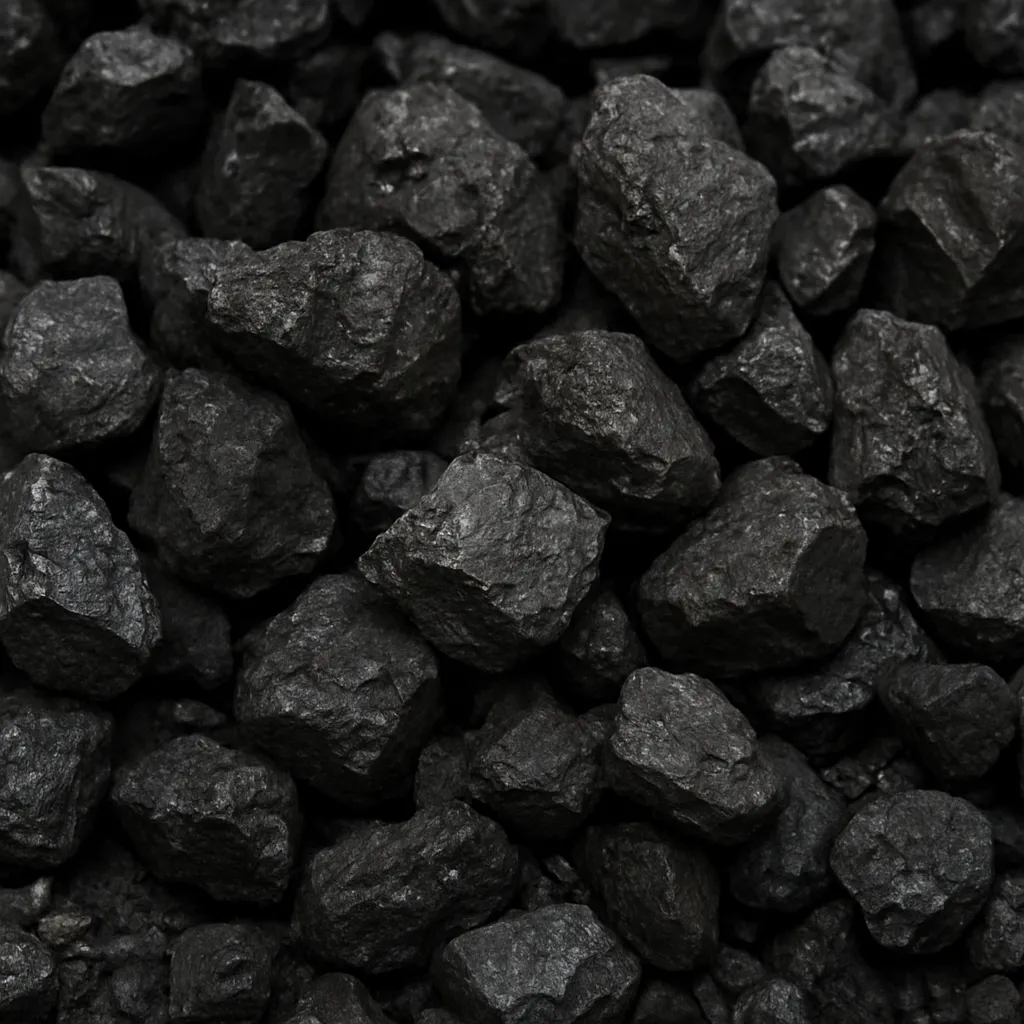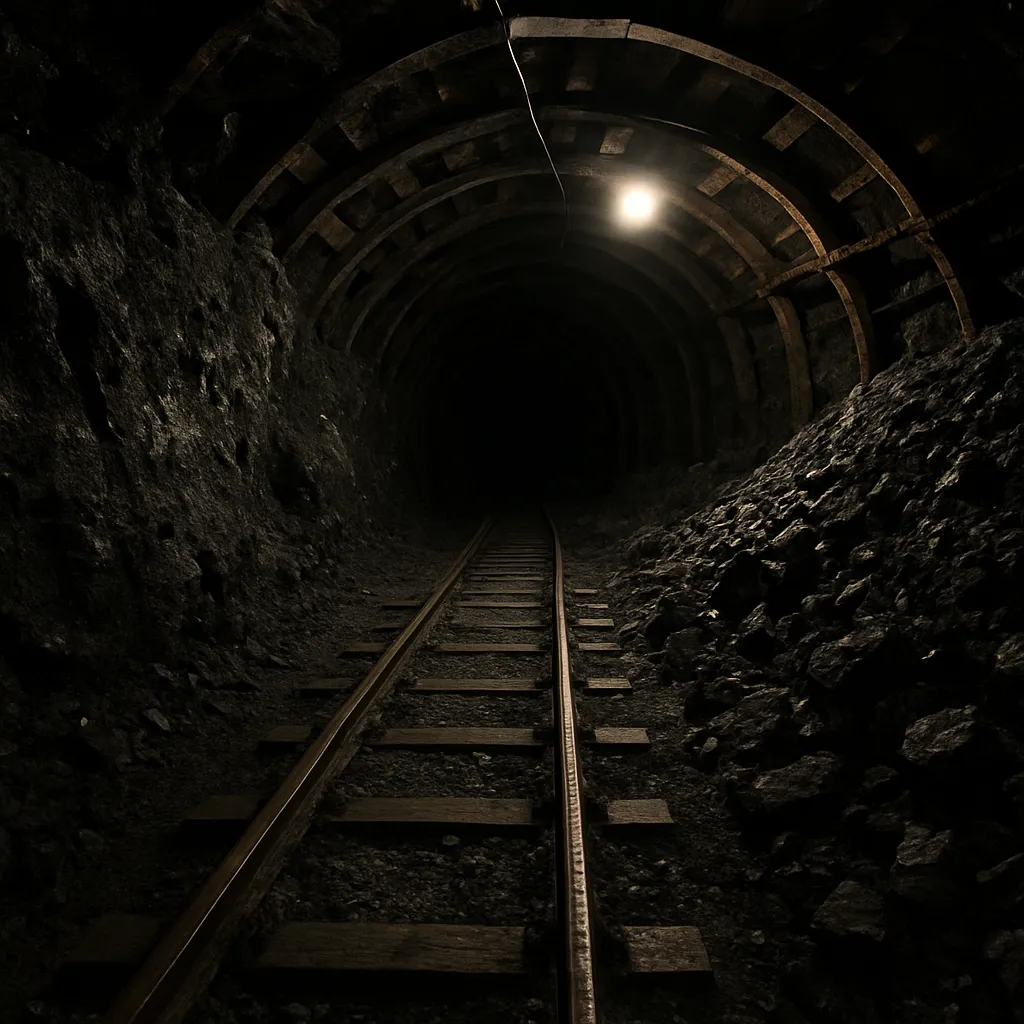
Underground-mine coal — commonly referred to as coal extracted from deep seams below the earth’s surface — remains a cornerstone of global industry, energy systems and regional economies. This article outlines where underground coal occurs, how and where it is mined, its economic and industrial roles, statistical perspectives and emerging trends that shape its future. The aim is to present a comprehensive overview suitable for professionals, students and anyone interested in the place of underground coal in the modern world.
Geology and occurrence of underground coal
Coal forms from the accumulation and burial of plant material in ancient peat swamps, followed by compaction, heat and pressure over millions of years. The depth, rank and seam geometry determine whether coal is economically recoverable by surface methods or requires underground mining. Underground coal typically occurs in older, deeper basins where seams are buried beneath significant overburden and where the geology favors underground extraction rather than open-cut mining.
Major coal-bearing basins with significant underground production include:
- Central and northern China (e.g., Shanxi, Shaanxi, Inner Mongolia) — many deep, high-yield underground mines.
- Russia (Kuznetsk Basin — Kuzbass, Pechora Basin) — large deep seams, mix of underground and surface extraction.
- Poland and the rest of central Europe — historically heavy reliance on underground coal for domestic energy and industry.
- United States — Appalachian Basin and parts of the Illinois Basin where underground mining (notably longwall) is common.
- South Africa — important underground operations for both thermal and metallurgical coal in several provinces.
- Colombia — steeply dipping seams and selective underground methods for high-quality export coking coal.
- Kazakhstan, Ukraine, India (Jharkhand, West Bengal), and Australia (selected underground operations for premium coking coal).
Coal rank in underground mines ranges from sub-bituminous and bituminous to high-grade bituminous and anthracite. Much of the world’s high-quality metallurgical coal — critical for steel production — is extracted from underground workings because those seams are often thinner, deeper, and of higher rank than the broad, near-surface seams targeted by surface mines.
Mining methods, operations and technology
Two broad families of underground mining methods dominate: room-and-pillar (also called bord-and-pillar) and longwall mining.
- In room-and-pillar mining, a grid of rooms is excavated and pillars of coal are left to support the roof. This method is flexible and suitable for flat-lying seams and irregular geology; however, recovery rates are lower because pillars are often left in place.
- In longwall mining, a long face (hundreds to thousands of meters) is mined by highly mechanized shearers or plows while hydraulic roof supports protect the working area. After coal extraction, the roof is allowed to collapse in a controlled manner (goaf), enabling very high recovery rates and productivity.
Modern underground operations rely on a suite of technologies and systems:
- Continuous miners, shuttle cars and conveyors to move coal from face to surface efficiently.
- Remote-controlled and automated equipment to improve safety and productivity in hazardous conditions.
- Ventilation networks to control air quality and dilute explosive or asphyxiating gases.
- Methane drainage and capture systems (including pre-drainage boreholes) to reduce explosion risk and enable methane utilization where feasible.
- Roof bolting, mesh and backfill technologies to stabilize workings and limit surface subsidence.
- Monitoring systems for ground movement, gas levels, water inflows and worker health and safety.
These technologies allow underground mines to access seams that would otherwise be uneconomic and to produce specialized grades of coal — particularly coking and other high-rank coals — that command premium prices on international markets.
Underground coal in the global supply picture and key producers
Globally, coal remains a major fuel source for electricity generation, industrial heat and steelmaking. While surface (open-pit) mining dominates in many regions (Australia, Indonesia, parts of the United States), underground mining continues to supply a substantial share of global coal, particularly of higher-grade coals and in regions where seams are deep or geology is complex.
Approximate global context (recent years): world coal production has ranged in the order of several billion tonnes annually, with production concentrated in a handful of countries. China is by far the largest producer and consumer, followed by India, the United States, Australia and Russia. A significant portion of production in Europe, Russia and parts of Asia and Africa still comes from underground operations. Overall, underground mining accounts for a sizable share (commonly estimated in the broad range of one-quarter to one-half) of global coal production — the exact share varies year to year and by how different coal types are counted.
Major countries where underground coal is especially important:
- China — very large underground sector in many basins; modernization has increased use of mechanized longwall systems.
- Poland — historically dominated by underground hard coal mining, serving electricity, heating and metallurgical needs.
- Russia — several major underground operations in Kuzbass and other basins, producing both thermal and metallurgical coal.
- United States — longwall mining in Appalachia and other basins for steam and metallurgical coal.
- South Africa — underground mines contribute strongly to both domestic supply and exports of coking coal.
- Colombia — underground and highwall methods for export-grade metallurgical coal.
Production volumes for individual mines vary widely, from small local underground workings producing under a million tonnes per year to giant complexes producing many millions. Underground mines often supply higher-value coal grades, which helps sustain their economics even when open-pit thermal coal is cheaper on a per-ton basis for bulk electricity fuel.
Economic and industrial importance
Underground coal plays critical roles across several economic sectors:
- Electricity generation — in regions with established underground production, coal-fired power plants depend on a steady domestic supply, underpinning energy systems and grid stability.
- Steelmaking — metallurgical or coking coal, much of which comes from underground mines, is essential for conventional blast-furnace steel production. This makes underground coal strategically important to the metals and manufacturing sectors.
- Chemical feedstocks — coal is a source for coke, coal tar, and feedstock for various chemicals and carbon products used in industry (e.g., electrodes, activated carbon).
- Regional employment and social stability — many mining regions rely on underground coal operations for high-skilled employment, local supply chains and municipal revenue.
- Export earnings — countries with high-quality underground metallurgical coal can earn substantial foreign exchange from exports to steelmaking markets worldwide.
From a macroeconomic perspective, underground coal supports industrial value chains, contributes to GDP in mining regions and has multiplier effects in equipment manufacturing, services and logistics. For countries with limited energy alternatives or large industrial sectors, underground coal is linked to national priorities such as energy security and industrial competitiveness.
Statistics and trends (production, employment and safety)
Statistical trends in underground coal reflect broader shifts in energy, technology and policy:
- Production trends — while global coal production showed variation due to policy shifts, market prices and demand for electricity and steel, high-quality underground-mined coking coal has remained in demand. The rise of Asian steel production sustained demand for metallurgical coal.
- Employment — underground mining is labor- and skill-intensive compared with open-pit operations, so workforce numbers per tonne are typically higher. Modern mechanization reduces workforce needs but shifts demand toward higher-skilled roles (equipment operators, geotechnical engineers, safety specialists).
- Safety statistics — historically, underground coal mining presented significant safety hazards (roof falls, explosions, gas inhalation). Over recent decades, many countries have seen a marked reduction in fatalities per million tonnes through regulation, improved technology and stronger safety cultures. Nevertheless, underground mining retains higher per-worker risk than many surface industries, and continual improvement remains a priority.
- Environmental metrics — methane emissions from underground mines are a major concern. Methane is both a greenhouse gas and an explosion hazard; capturing it reduces greenhouse impact and can provide an energy product (coal mine methane). Subsidence and water contamination metrics are also closely monitored in regulatory frameworks.
Because national statistics are updated frequently, precise global totals differ by source and year. As a rough orientation, global coal production in the early 2020s ranged in the order of several billion tonnes annually, with underground mines supplying a significant minority to a plurality of that total depending on the geographic mix. For authoritative up-to-date numbers, consult databases and reports from the International Energy Agency (IEA), United States Energy Information Administration (EIA), World Coal Association and national geological surveys.
Environmental, safety and social considerations
Underground coal mining creates distinctive environmental and social challenges and necessitates targeted mitigation:
- Subsidence — controlled or uncontrolled collapse of overlying strata after mining can damage surface infrastructure, alter drainage and harm habitats. Modern mines model and manage subsidence through leaving protective pillars, staged extraction and post-mining land management.
- Methane and greenhouse gases — underground coal seams contain methane, which can be released during mining. Capturing and using this methane reduces explosion risk and emissions. Where collected, methane can power local generators or be sold as gas.
- Water — underground mines interact with groundwater; dewatering can lower water tables and create long-term impacts. Acid mine drainage is a risk where sulfide minerals are present, requiring treatment and monitoring.
- Worker health and safety — respiratory diseases (historically coal workers’ pneumoconiosis), noise, vibration and accident risks demand continuous occupational health programs, dust control, and modern personal protective equipment and medical surveillance.
- Community impacts — while mines create jobs and revenue, they can also disrupt local communities through noise, traffic and environmental change. Community engagement, benefit-sharing and transition planning are increasingly important components of project permitting and corporate social responsibility.
Industry responses include methane capture initiatives, adoption of low-emission coal technologies, land reclamation commitments and investment in mine safety systems. Some underground mines also explore alternative revenue sources such as geothermal heat extraction and subterranean storage (e.g., pumping treated mine water for heating systems), turning legacy workings into productive assets.
Industrial applications and value-added uses
Beyond combustion for heat and power, coal from underground mines supports several industrial value chains:
- Steel and metallurgy — by far the most critical non-energy use, through production of coke and other metallurgical inputs.
- Chemical industry — coal gasification yields synthesis gas (CO + H2) which can be converted into chemicals, fertilizers and liquid fuels in coal-to-liquids and coal-to-chemicals processes.
- Carbon products — cokes and carbons for electrodes, carbon fibers and activated carbon.
- Specialty applications — certain high-rank coals and anthracite are used in metallurgy, filtration, and as a feedstock in specialty chemical processes.
As industrial decarbonization advances, technologies like carbon capture, utilization and storage (CCUS) are being trialed on coal-to-power and coal-to-liquids installations to lower lifecycle emissions. Additionally, coal gasification paired with CCUS can produce hydrogen and synthetic fuels, providing a potential pathway for some coal assets in a low-carbon economy — albeit with capital-intensive equipment and regulatory challenges.
Future outlook and transition dynamics
The future of underground coal is shaped by competing forces: ongoing industrial demand (notably for steel), local economic dependencies, climate policies that pressure thermal coal use, and technological advances that improve safety and reduce emissions.
- Market demand — metallurgical coal markets are likely to remain significant as long as blast-furnace steelmaking persists. Growth in electric arc furnace steel using scrap and low-carbon hydrogen may reduce metallurgical coal intensity over decades.
- Policy and finance — stringent climate policies, carbon pricing and tightening finance sector standards make some underground thermal coal projects less bankable. Regions that prioritize energy security and local employment may continue to support underground coal for longer.
- Technological adaptation — automation, methane capture, and CCUS can extend economic life and reduce environmental footprint, but require investment and stable policy frameworks to be viable at scale.
- Social transition — communities dependent on underground mines need managed transition strategies: retraining, economic diversification, and remediation to ensure long-term resilience as mine lifespans end.
Innovations such as controlled underground coal gasification (UCG) and in-situ conversion processes are technically possible ways to utilize deep coal without full traditional mining; however, they carry technical, environmental and regulatory hurdles and remain niche or experimental in many jurisdictions.
Interesting facts and lesser-known aspects
- Coal seams can contain significant volumes of trapped methane that sometimes rival conventional gas fields in energy content. Where captured, this coalbed methane becomes a valuable energy resource and greenhouse gas mitigation strategy.
- Mine water — abandoned underground workings often hold substantial volumes of groundwater. In some regions, mine water is now used as a low-temperature geothermal resource for district heating, transforming an environmental liability into a renewable energy input.
- Urban coal mines — in parts of Europe and Asia, historic underground coal workings sit below cities and industrial estates, creating long-term land-use planning and subsidence considerations decades after operations cease.
- High recovery rates — modern longwall systems can recover upwards of 80–90% of a seam’s coal in the mined area, significantly improving resource efficiency compared with older room-and-pillar operations.
- Mine methane utilization projects can generate carbon credits and additional revenue streams while improving safety by reducing in-situ gas concentrations prior to mining.
Summary
Underground-mine coal remains economically and industrially important, especially for metallurgical applications and in regions where deep coal resources dominate. It presents distinct technical challenges and environmental responsibilities, but also opportunities for innovation — from methane capture to carbon management and post-mine uses of underground spaces. The balance between continued demand (notably for steel), climate imperatives and social-economic factors will determine the pace and shape of future underground coal activity. As the energy transition unfolds, underground coal assets and communities will need targeted policy, investment and technology pathways to manage risks and capture opportunities.
Note: For up-to-date, location-specific production and safety statistics consult national mining agencies, the IEA, EIA and industry trade associations whose periodic reports provide detailed quantitative breakdowns by country, method and coal rank.