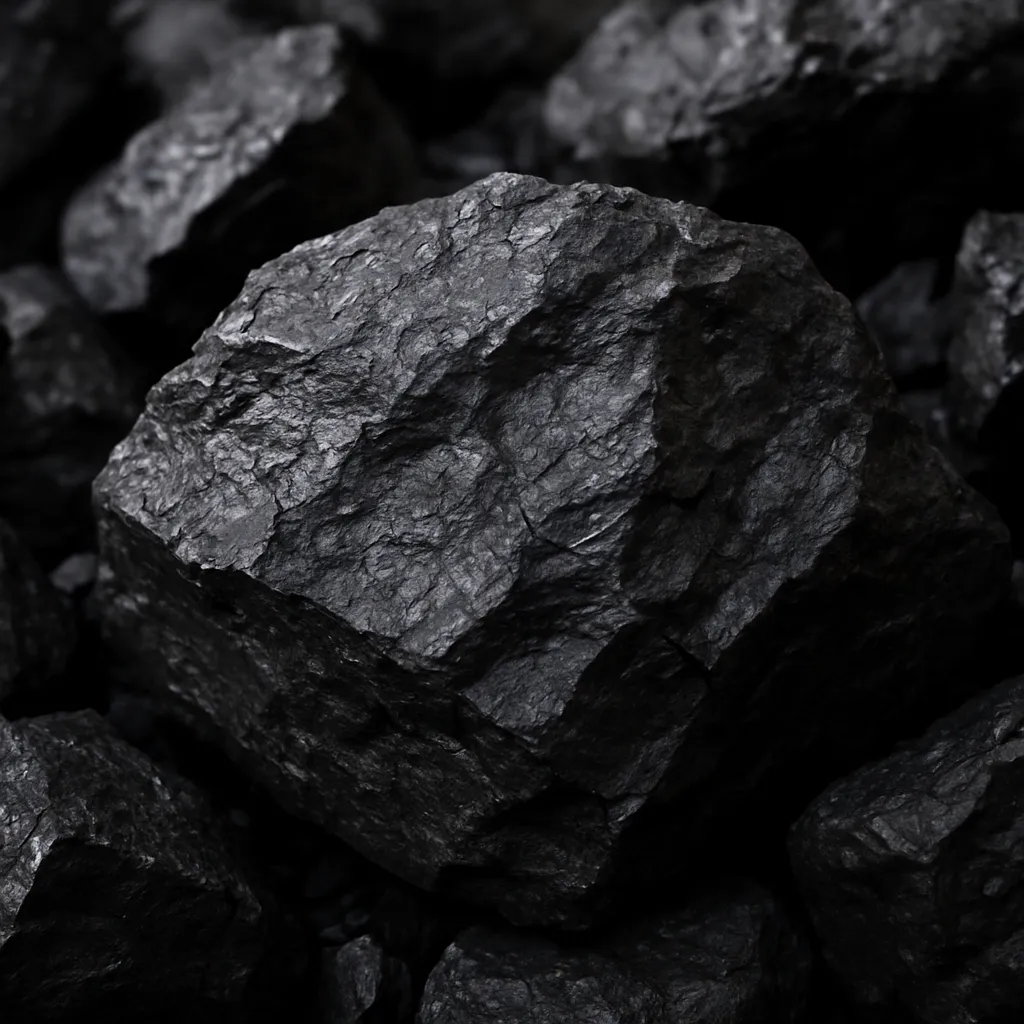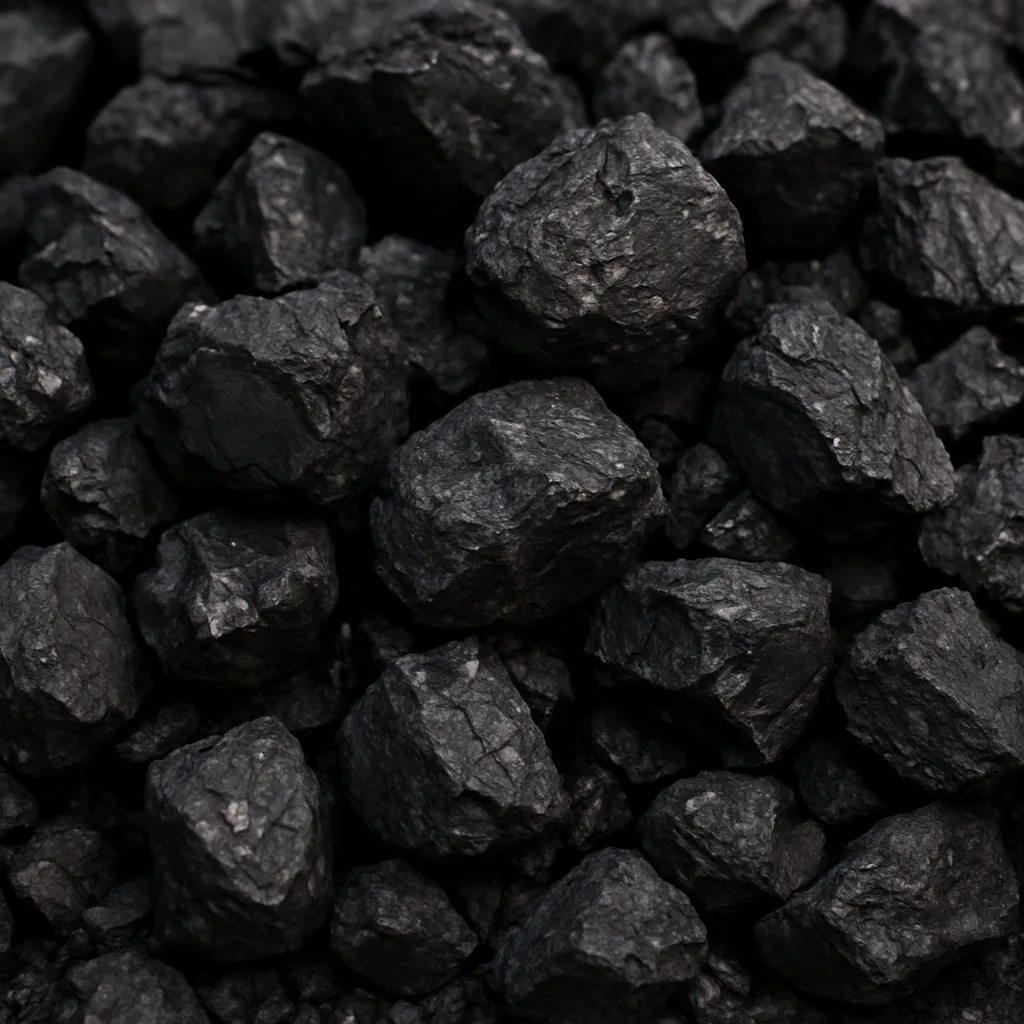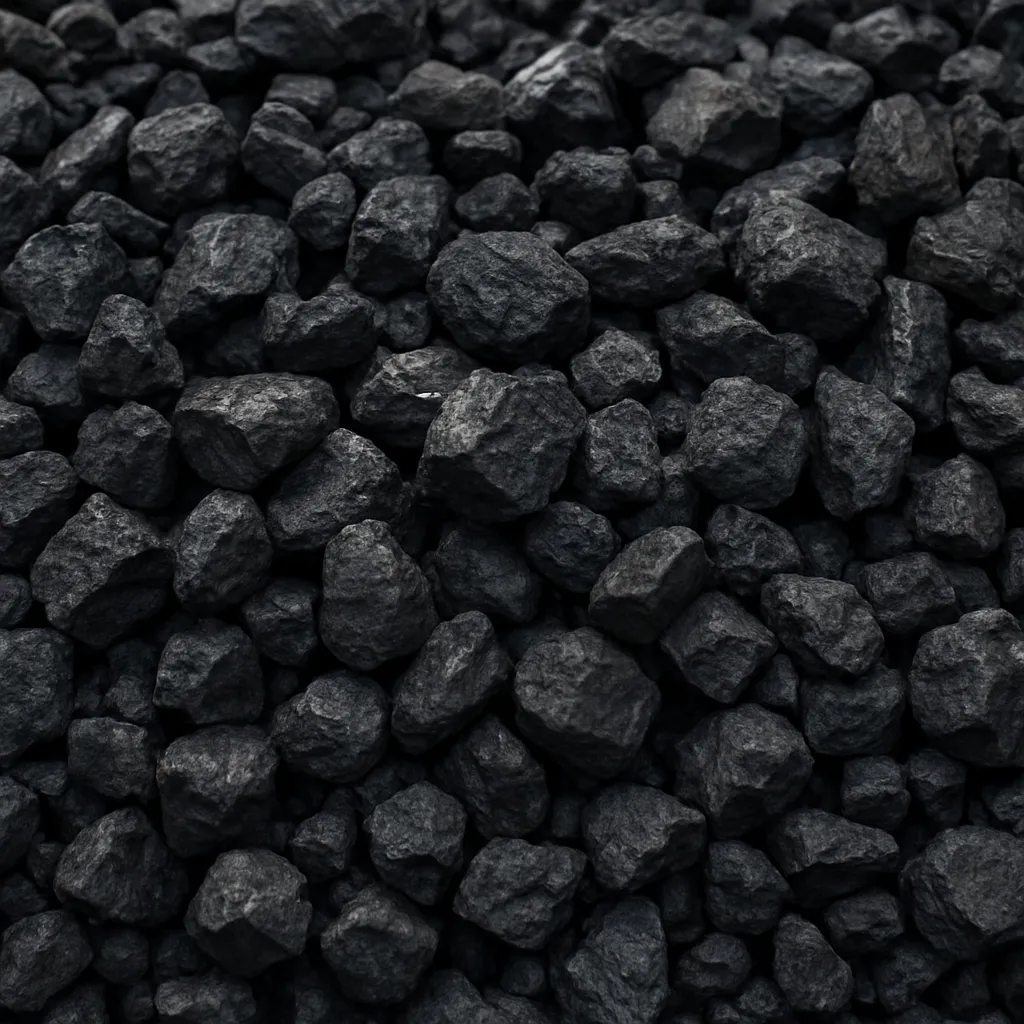
This article examines FBC-grade coal in depth: what it is, its characteristic properties, where it is found and mined, how it is used in industry, and the economic and environmental implications of its production and utilization. FBC-grade coal—the type of coal most suitable for use in fluidized bed combustion systems—plays a special role in modern thermal conversion because of its tolerance for high moisture, variable ash and higher sulphur content. Below you will find technical descriptions, distribution and mining patterns, market and statistical context, and practical implications for energy systems and industry.
What is FBC-grade coal and its defining properties
FBC-grade coal refers to coals that are particularly well suited for combustion in fluidized bed combustion boilers, including both circulating fluidized bed (CFB) and bubbling fluidized bed (BFB) technologies. Fluidized bed systems differ from pulverized coal boilers by suspending fuel particles in an upward flow of air, creating intensive mixing and heat transfer. This allows effective combustion of fuels with wide variability in particle size, moisture and ash content.
Key properties that characterize FBC-grade coal include:
- Calorific value (low to medium): many FBC applications use lignite and sub-bituminous coals with calorific values often in the range typical for low-rank coals (lower heating values are common compared with bituminous coal).
- High moisture content: low-rank coals can contain substantial inherent moisture; FBC boilers can tolerate higher moisture than pulverized coal systems.
- Large and variable ash content: FBC is tolerant of high ash fuels and can handle a wider mineral matter distribution.
- Sulfur content: FBC enables in-bed sulfur capture by adding limestone (calcium carbonate), so coals with elevated sulfur can be used without immediately requiring expensive flue-gas desulfurization systems.
- Particle size flexibility: depending on the FBC design, feedstocks can range from fines and small particles to lumps after crushing and sizing.
The overall effect of these properties is that FBC-grade coal allows energy producers to convert domestic, lower-quality coal resources into useful heat and electricity while controlling pollutants more effectively than older combustion systems designed for high-grade coal.
Where FBC-grade coal occurs and where it is mined
FBC-grade coal is largely associated with low-rank coal occurrences—mainly lignite and sub-bituminous deposits formed in younger geologic basins (Tertiary and Quaternary) across many parts of the globe. Below are major regions and representative deposits where coal suited for FBC is found and mined.
Europe
- Germany: large lignite basins in the Rhineland, Lusatia and Central Germany produce vast amounts of brown coal (lignite) used in mine-mouth power stations, many of which use fluidized bed technology for newer units or retrofit projects.
- Poland: major deposits (e.g., Bełchatów region) with significant lignite reserves; Poland has historically relied heavily on coal for electricity and has several power units adapted to lower-rank coals.
- Greece and Turkey: both countries have local lignite deposits extensively used in power generation, often in plants designed to cope with higher moisture and ash.
Asia
- China: the largest coal producer and consumer globally; while a large fraction of Chinese production is bituminous and thermal coal, many provinces have abundant low-rank coal and China is a global leader in deploying CFB technology, often burning local lower-quality coals.
- India: sub-bituminous and lower-grade coals are widely used in Indian power plants. FBC and fluidized bed technologies are applied in industrial boilers and selected power projects to accommodate Indian coal characteristics.
- Indonesia: extensive coal basins produce a range of coals used domestically and for export; some lower-grade Indonesian coals are suitable for FBC after sizing and preparation.
North America
- United States: important low-rank resources include lignite basins in North Dakota, Texas (Gulf Coast), Montana and other basins—these resources are commonly used in nearby power stations and industrial boilers, some retrofitted for or designed with fluidized bed systems.
- Canada: western provinces have large sub-bituminous coal resources; certain industrial and district heating plants use fluidized bed boilers.
Australia and others
- Australia: while most Australian export coal is higher-grade bituminous, domestic brown coal (notably in Victoria) is among the world’s highest-moisture, low-rank coals and is used principally in mine-mouth power stations where FBC can be advantageous for newer retrofits and research projects.
- Other regions: many countries with accessible low-rank coal deposits—such as parts of Eastern Europe, Central Asia, South America and Africa—have potential or existing applications for FBC technology, often driven by local resource utilization and emissions constraints.
In short, FBC-grade coal is widely distributed where low-rank coals occur, and the choice to deploy FBC technology is often driven by the desire to use these local fuels economically while meeting environmental limits.
Economic and industrial significance
The economic case for using FBC-grade coal is multifaceted. By design, fluidized bed systems allow utilization of cheaper, lower-quality domestic fuels that otherwise might be uneconomical or environmentally challenging to burn in conventional pulverized boilers. This has several economic and industrial implications:
- Energy security and fuel flexibility: using FBC-grade coal reduces reliance on imported higher-grade coals or liquid fuels, helping countries and industries use local resources and improve supply security.
- Capital and operational trade-offs: FBC plants can achieve lower capital costs for fuel handling and preparation because coals do not need to be pulverized to the same extent; however, FBC boilers can have higher bed-material handling and maintenance demands. When sulphur capture via limestone injection is included, retrofit and compliance costs can be lower than installing flue-gas treatment on a pulverized coal unit.
- Industrial uses: beyond large power plants, FBC boilers are common in industrial processes—chemical plants, pulp and paper, district heating and metallurgy—where reliable thermal input from local coal resources is needed.
- Employment and regional economies: mine-mouth power generation and local coal mining support jobs in mining, transport and plant operation in coal-bearing regions, providing regional economic benefits even where coal quality is low.
From a macroeconomic perspective, the capacity to transform low-value coal into power, heat and process steam can improve national energy affordability—especially where alternative fuels are costlier or less reliable. Many countries have utilized FBC installations to prolong the economic life of domestic coal industries while meeting increasingly stringent emissions rules.
Environmental and technical aspects
FBC technology offers several environmental advantages relative to some conventional combustion methods, particularly when burning FBC-grade coal:
- Sulfur control in-bed: limestone addition allows in-situ capture of sulfur compounds, converting SO2 to calcium sulfate within the bed and reducing the need for large downstream flue-gas desulfurization units.
- Lower NOx formation: the relatively lower flame temperature and staged combustion in fluidized beds reduce thermal NOx formation compared with pulverized coal boilers.
- Co-firing with biomass and waste: fluidized beds handle a variety of fuels, enabling co-firing strategies that can lower net CO2 intensity per unit of energy by substituting or blending biomass with coal.
- Particulate management: while FBC can produce bed material and ash that must be managed, modern particulate capture systems (electrostatic precipitators and fabric filters) efficiently control emissions.
However, FBC use of low-rank coals also carries environmental and operational challenges:
- High moisture and low heating value increase fuel transport energy and reduce gravimetric energy density—leading to higher handling and drying costs if fuel is transported long distances.
- Ash and bed material disposal: higher ash volumes require reliable disposal strategies and can impact local land use. The chemical composition of ash must be monitored to avoid leaching risks.
- CO2 emissions: burning coal—regardless of grade—produces CO2; while co-firing can reduce net CO2, absolute emissions remain significant unless coupled with carbon capture or permanent biomass carbon sinks.
Statistics, market trends and outlook
Global coal markets remain complex and regionally differentiated. Although global attention has shifted toward decarbonization, coal still supplies a substantial share of electricity and industrial heat in many countries, and low-grade coals suitable for FBC remain economically important where they are abundant.
Selected statistical and market observations (approximate and indicative):
- Global production and consumption: in recent years global coal production and consumption have fluctuated around several billion tonnes annually; coal continues to supply a large share of global power generation in many economies. The exact annual total can vary by year depending on economic cycles and policy-driven transitions.
- Regional significance: China remains the largest producer and consumer of coal globally, accounting for a substantial fraction of coal demand. India, Southeast Asia and parts of Eastern Europe continue to rely heavily on domestic thermal coal reserves, often of sub-bituminous and lignite quality.
- FBC deployment: CFB technology has been widely adopted in Asia—particularly China—driven by the ability to burn lower-quality fuels and to meet emissions targets more cost-effectively. Many hundred units of various sizes have been installed worldwide across both power generation and industrial sectors.
- Export and local markets: low-grade coals are often used in domestic markets near the mine; international trade tends to favor higher-grade thermal and metallurgical coals. This pattern supports the economic rationale for FBC at mine-mouth or near-field power plants.
Outlook: In the near to medium term, FBC systems will remain relevant where countries have large local stocks of low-rank coal and need cost-effective, compliant combustion technologies. Over the longer term, decarbonization policies, renewable energy growth and potential deployment of carbon capture and storage (CCS) will shape demand. FBC technology that can be integrated with biomass co-firing and CCS could retain competitiveness in transitional energy systems.
Practical applications and notable examples
FBC-grade coal is used in a variety of settings:
- Large mine-mouth power stations that burn lignite or sub-bituminous coal and benefit from reduced transport and fuel preparation costs.
- Industrial boilers providing steam for manufacturing, chemical processing and district heating—where robust feedstock flexibility and on-site fuel availability matter.
- Combined heat and power (CHP) plants that serve local industries and municipalities, using lower-grade coal with efficient thermal recovery.
- Retrofits of older plants: some coal-fired units have been converted from pulverized systems to FBC or supplemented with FBC units to accommodate diverse fuels or meet emissions standards.
Examples of regions that have successfully implemented FBC to exploit local coal include central Europe (utility-scale lignite plants), China (large-scale CFB deployment), the United States (lignite-fired mine-mouth plants and industrial units), and India (industrial boilers and some power projects). These projects often emphasize fuel flexibility, emissions control and local resource use.
Technical considerations for fuel preparation and plant design
Although FBC tolerates variable fuels, some preparation and design choices optimize performance:
- Sizing and crushing: appropriate sizing reduces large lumps and promotes uniform fluidization. BFBs tolerate larger particles than CFBs in general, but each design has limits.
- Moisture management: high-moisture lignites sometimes benefit from partial drying or mine-mouth utilization. Where drying is not feasible, boilers are designed to accommodate the lower heating value.
- Bed material selection: choice of sand, ash or spent limestone as bed media affects thermal inertia and pollutant capture.
- Limestone feed rate and sulfur capture: careful limestone dosing is required to achieve target SO2 removal rates without excessive bed agglomeration or material handling issues.
- Ongoing maintenance: bed erosion, ash handling and solids circulation (in CFBs) are operational focuses requiring robust material and wear-resistant design.
Economic calculations and comparative metrics
When evaluating whether to burn FBC-grade coal, planners consider several comparative metrics:
- Levelized cost of electricity (LCOE): using mine-mouth low-rank coal with FBC can produce competitive LCOE compared to transporting higher-grade coal, especially where environmental compliance costs for pulverized-coal plants are high.
- Fuel-supply chain: the proximity of mines and the cost and logistics of transporting high-moisture coal affect overall economics strongly.
- Emissions compliance costs: in-bed desulfurization using limestone can be less capital-intensive than full flue-gas treatment for SO2, although disposal and management of reaction products must be costed.
- Co-firing and fuel diversification benefits: substituting biomass or wastes into the fuel mix can change carbon accounting and economics, often improving the emissions profile while retaining much of the existing thermal infrastructure.
Interesting facts and lesser-known points
- FBC technology predates many modern emissions standards but has evolved to be one of the most fuel-flexible and emissions-friendly combustion systems for solid fuels.
- Some FBC plants are designed to co-combust municipal sewage sludge, agricultural residues or other biomass, turning waste streams into useful energy while lowering net carbon intensity.
- Bed material and spent ash from FBC operations can sometimes be processed for use in construction materials (e.g., cement or road base) depending on chemical composition and local regulations.
- FBC systems can be a pathway to hybrid thermal plants that later incorporate carbon capture technology: the stable combustion and predictable flue-gas composition from FBC units can simplify capture system integration in some designs.
Summary and final considerations
FBC-grade coal—the lower-rank, higher-moisture, and often higher-ash and higher-sulfur coals—remains an important resource in many countries because of its widespread availability and economic role in local energy systems. Fluidized bed combustion technologies (both CFB and BFB) provide the technical flexibility to use these coals while achieving improved emissions control for sulfur and nitrogen compounds relative to older combustion methods. The choice to deploy FBC is influenced by local resource endowments, fuel logistics, regulatory regimes and broader energy-transition strategies.
From an industry perspective, FBC-grade coal supports regional employment, energy security and industrial heat needs. From an environmental perspective, FBC offers benefits in sulfur control and co-firing potential, but it does not eliminate greenhouse gas emissions; long-term pathways that include increased renewables, efficiency measures, bioenergy co-firing and possibly carbon capture will determine the eventual role of coal in decarbonizing energy systems.
Technically, economically and environmentally, FBC-grade coal and the systems that burn it remain a pragmatic component in transitional energy landscapes where domestic low-rank coal resources are available and where policymakers seek to balance affordability, reliability and emissions management.