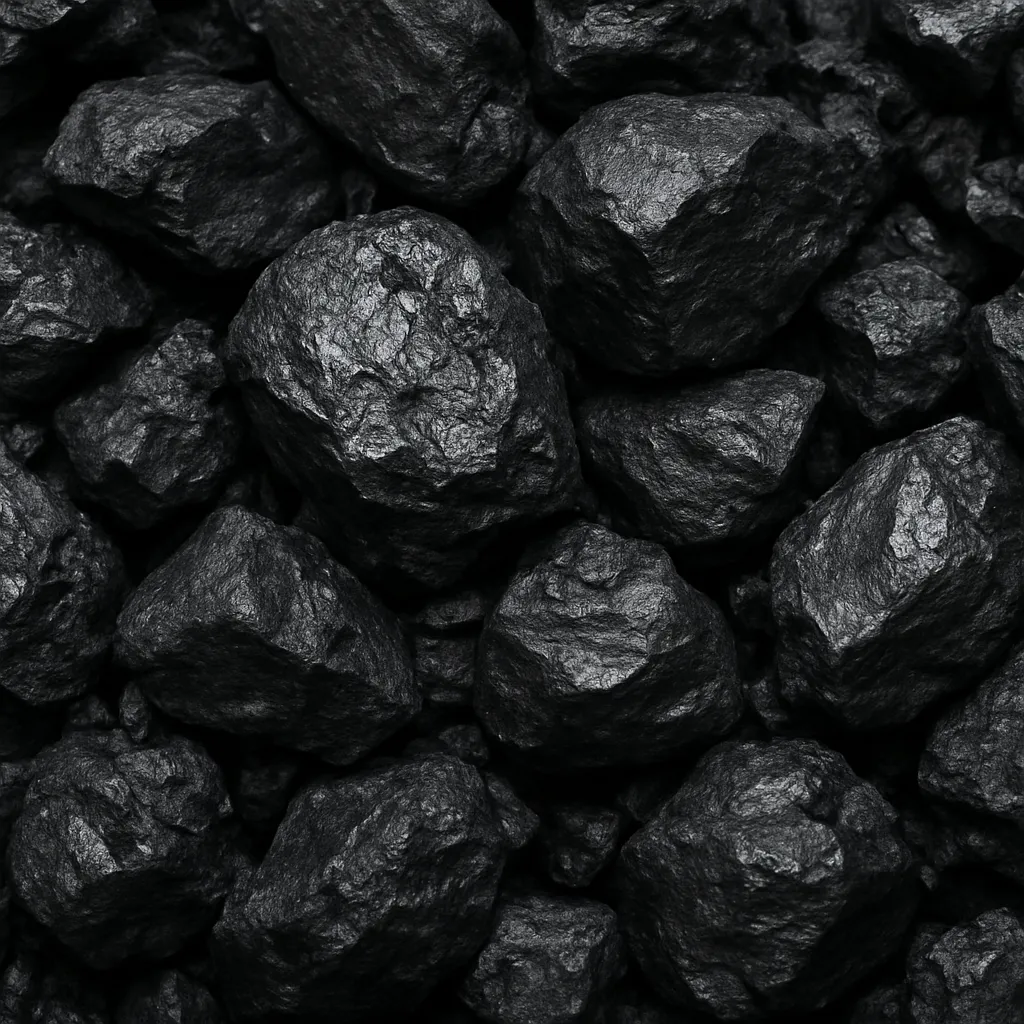
Raw anthracite
Raw anthracite is one of the highest-ranking coals in terms of carbon content and energy density. It has been valued for centuries for its distinctive physical and chemical properties, and…

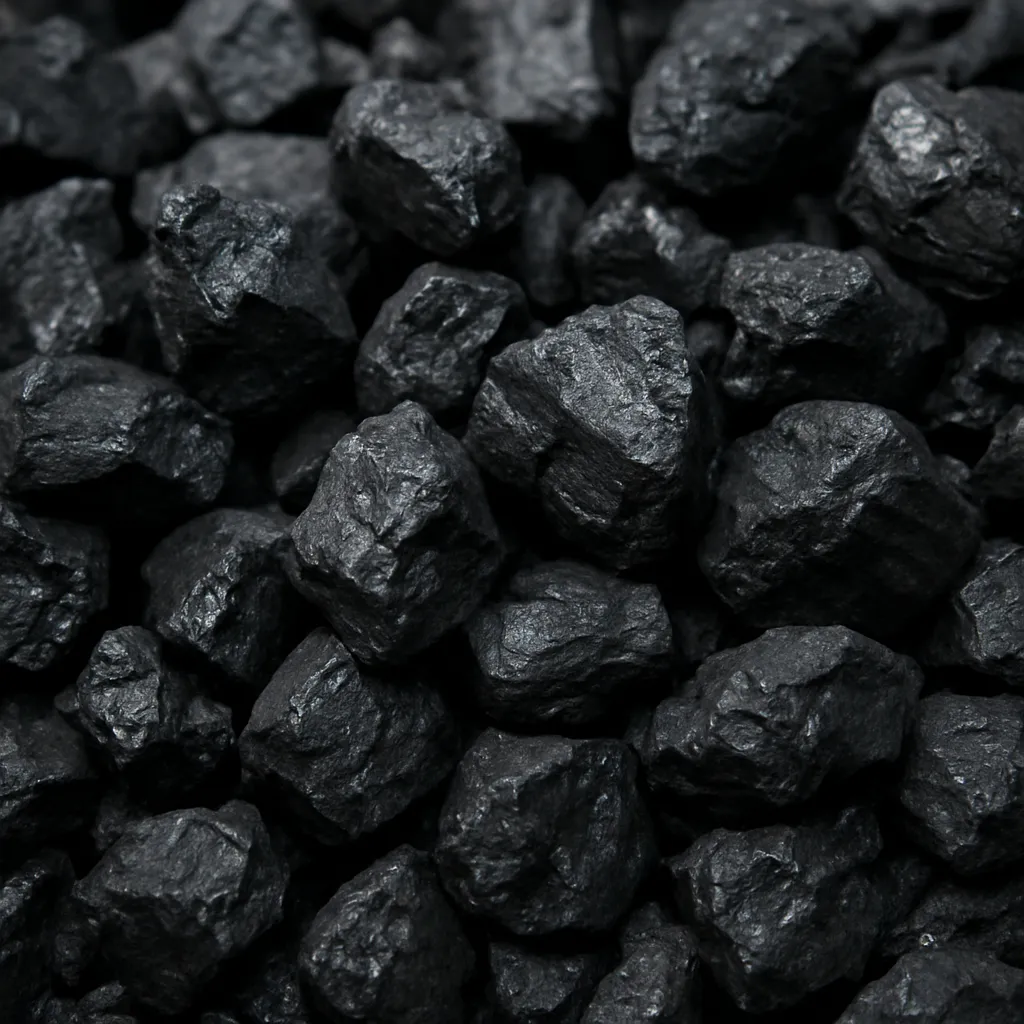
Raw bituminous coal
Raw bituminous coal is one of the most important fossil fuels in the modern economy. It occupies an intermediate rank in the coalification process between subbituminous coal and anthracite, offering…

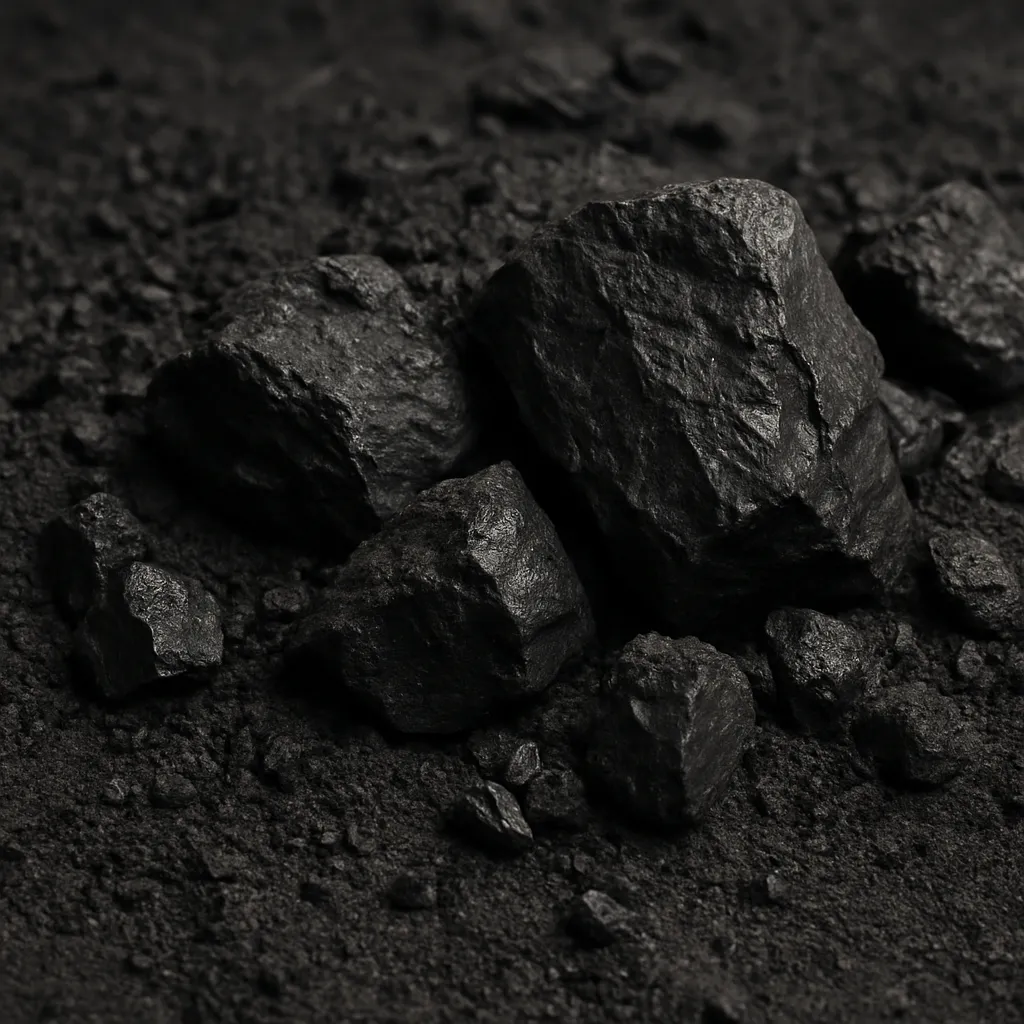
Coal dust
The following article explores the subject of coal and coal dust from geological occurrence to industrial applications, economic significance, and health and environmental implications. Coal remains one of the world’s…

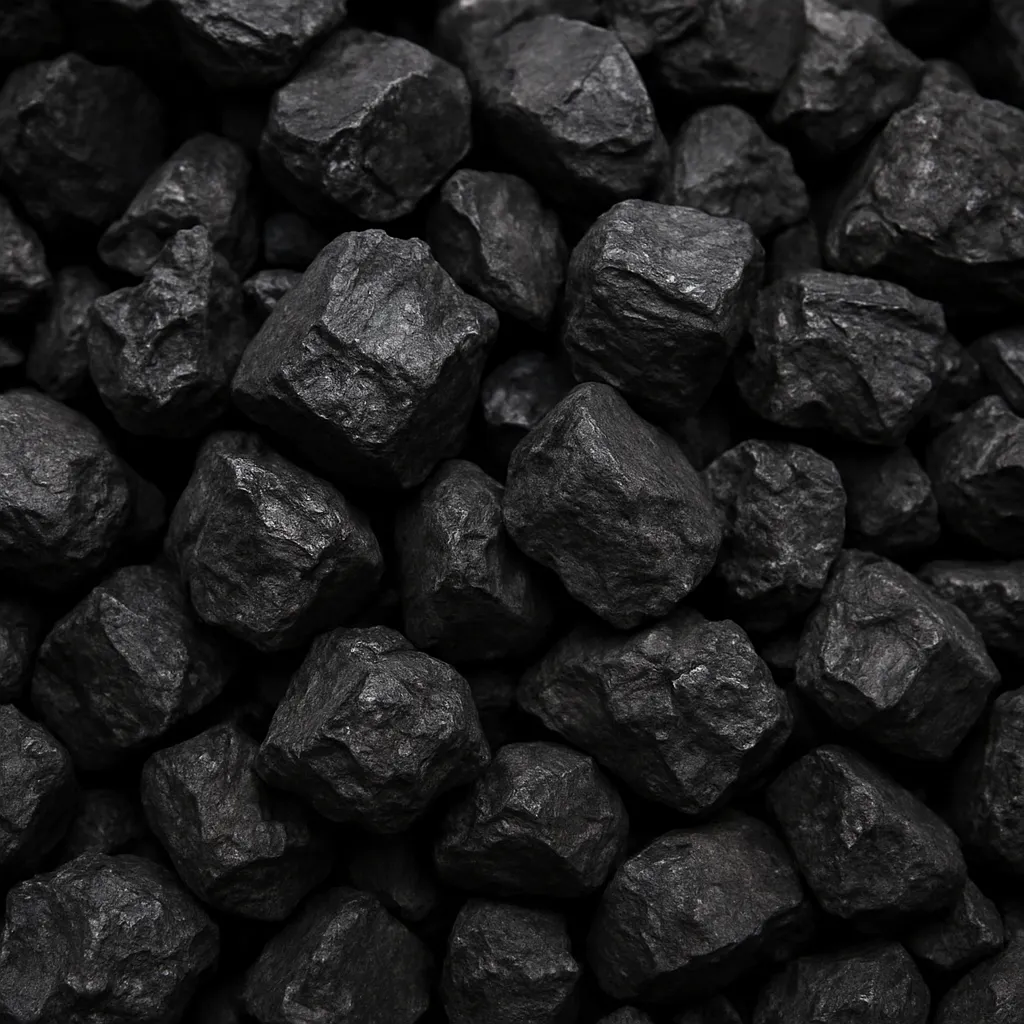
Primary coal
This article examines coal in its many dimensions: geological origin, global distribution, methods of extraction, economic importance, statistical trends, industrial applications and the environmental and policy debates surrounding it. Coal…

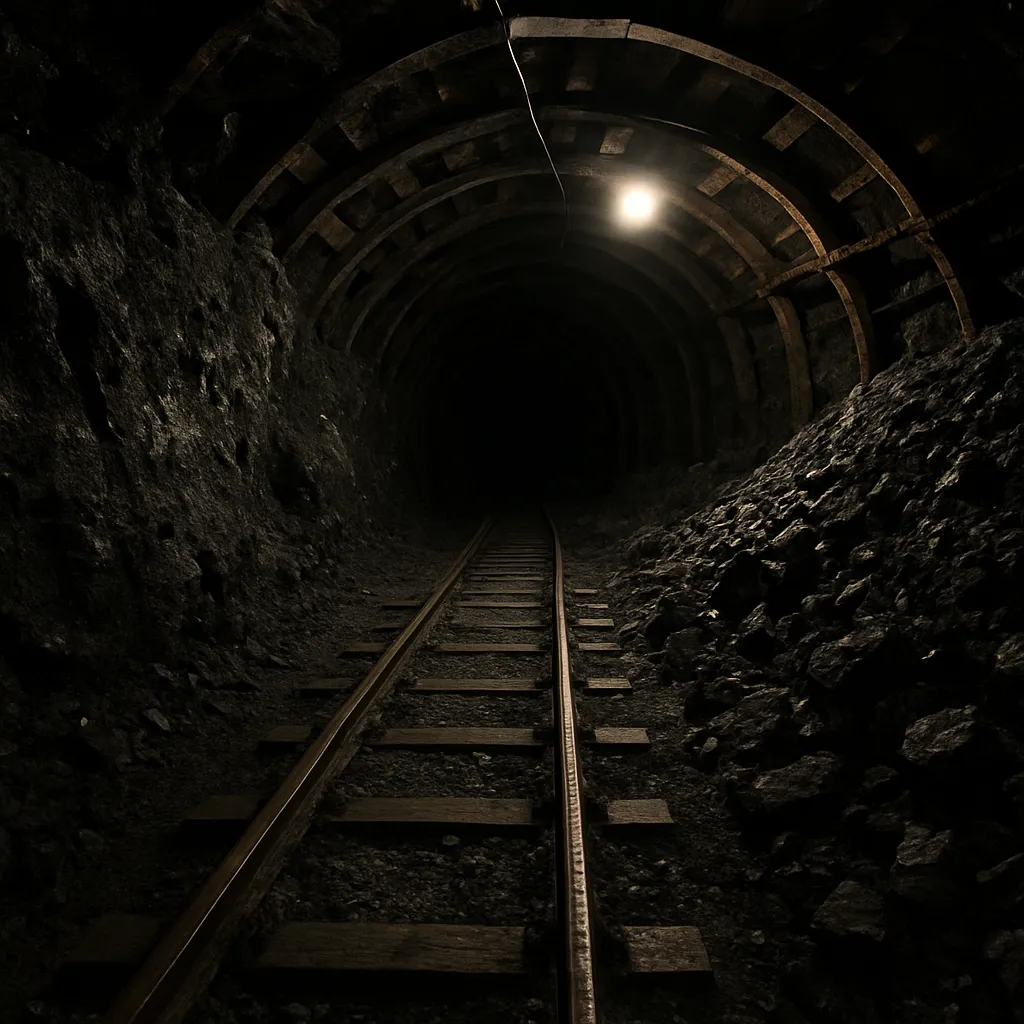
Underground-mine coal
Underground-mine coal — commonly referred to as coal extracted from deep seams below the earth’s surface — remains a cornerstone of global industry, energy systems and regional economies. This article…

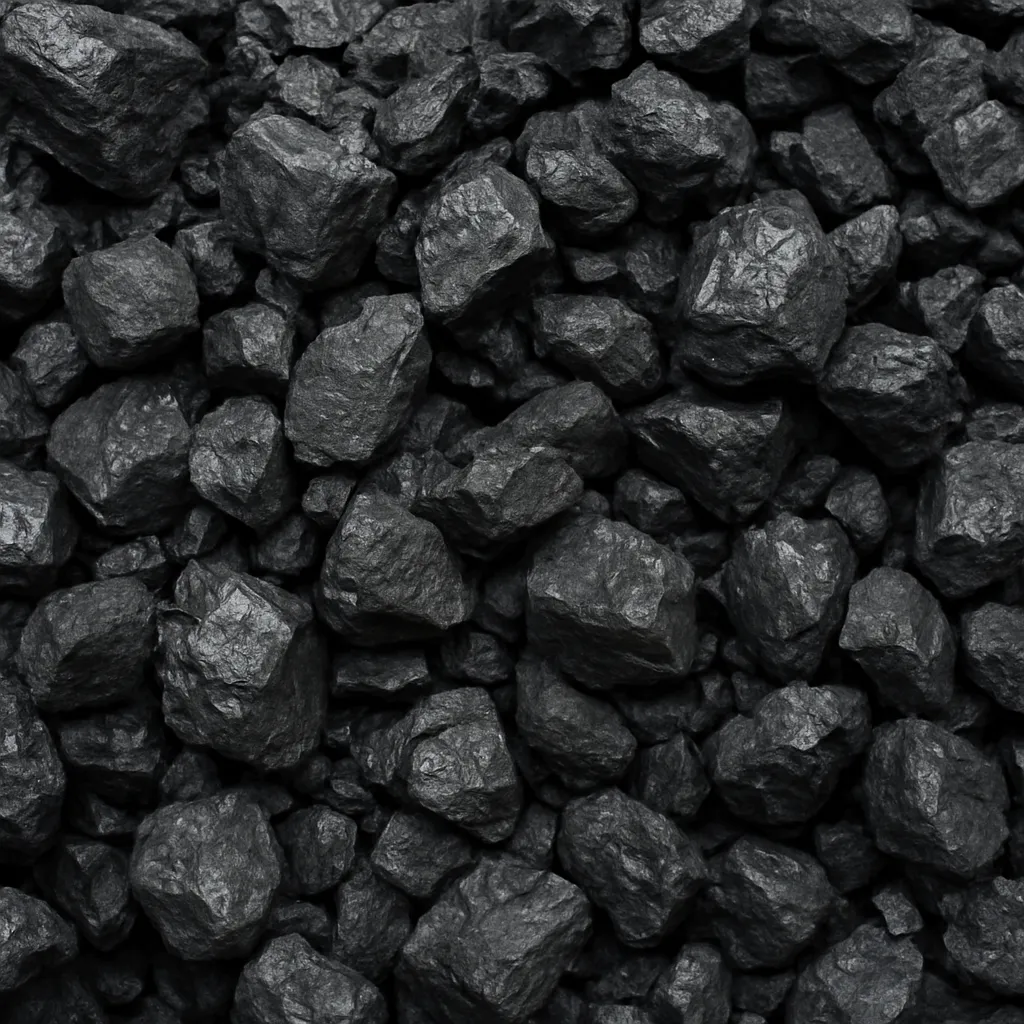
Vitrain coal
Vitrain coal occupies a special place in coal petrology and the coal industry. Recognized by its bright, glassy appearance and distinctive banding within coal seams, vitrain is a lithotype that…

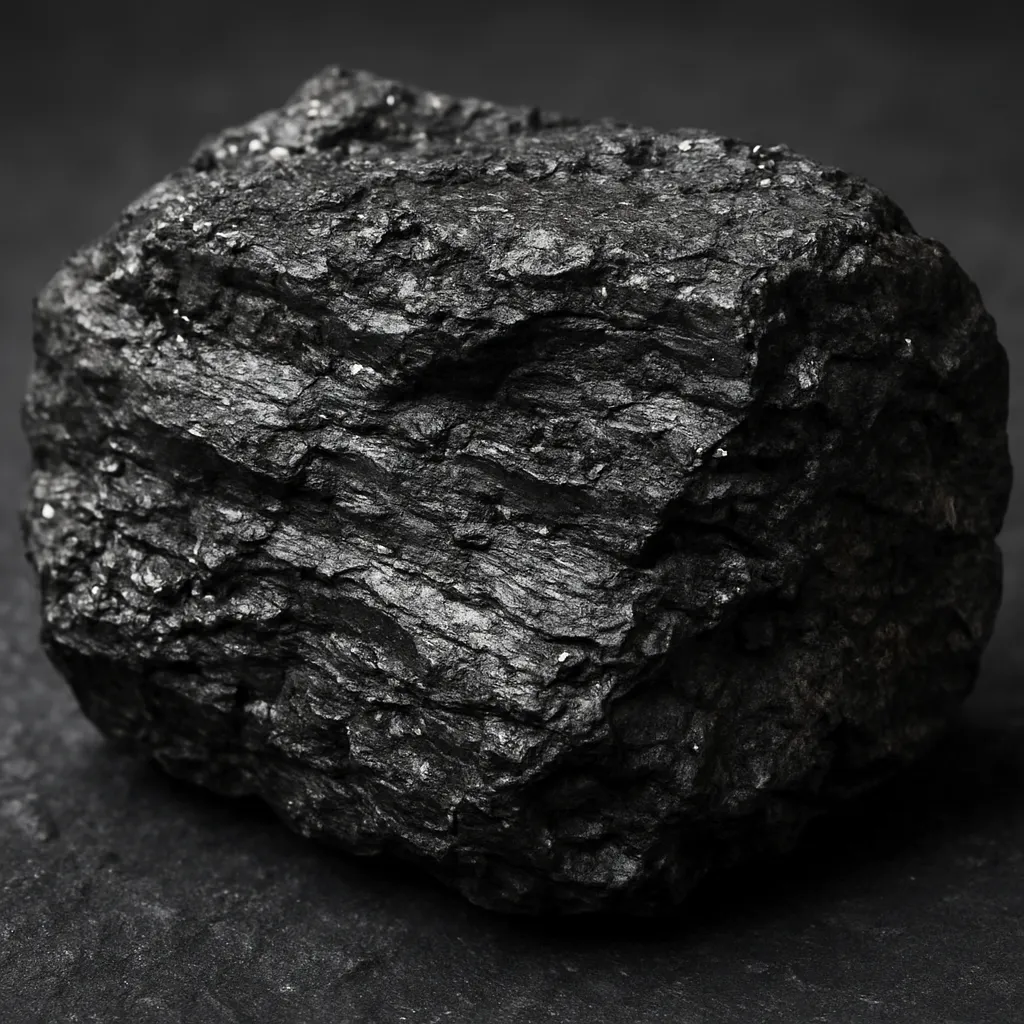
Coal with high liptinite content
This article examines coals that are unusually rich in liptinite macerals — a group of organic constituents in coal that derive from spores, cuticles, resins and algal materials. Such coals…

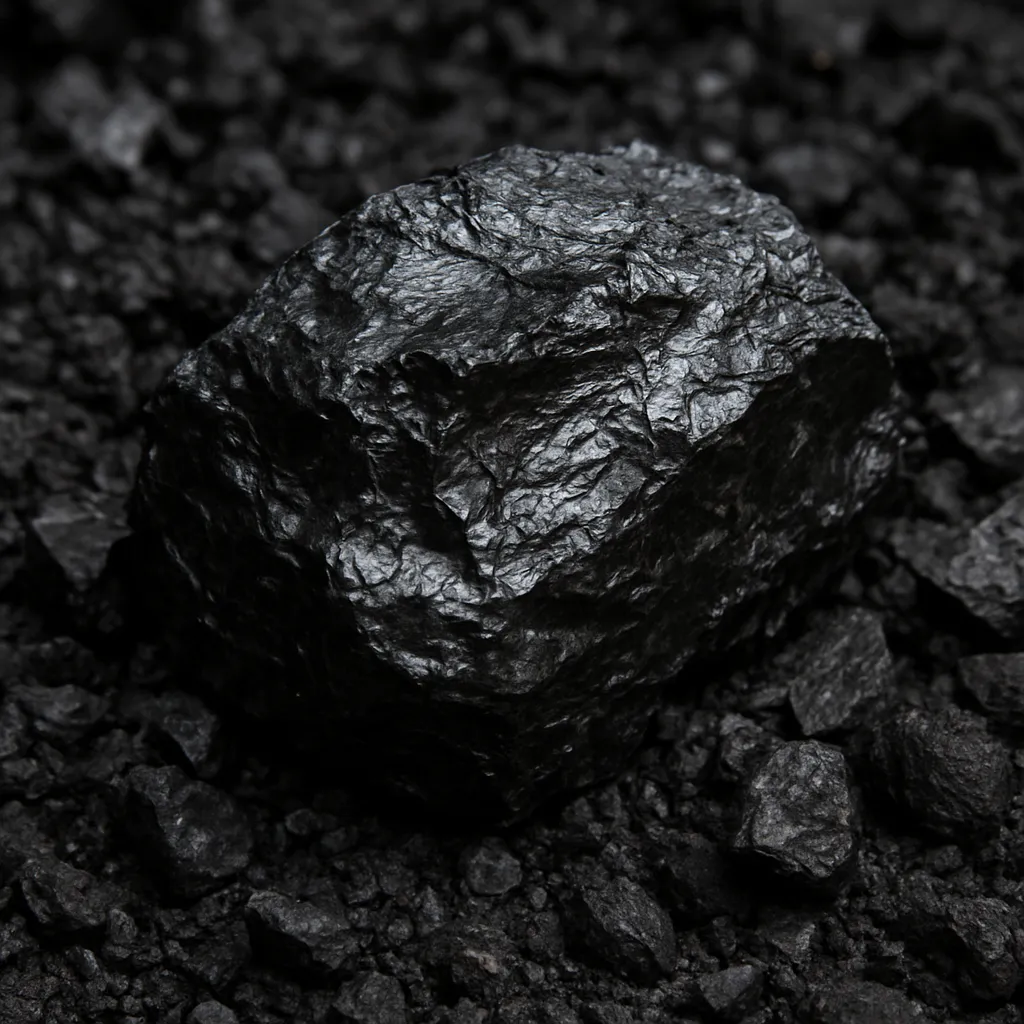
Coal tar-rich coal
This article examines coal varieties that yield high volumes of coal tar — a historically and industrially important byproduct of coal processing. It covers geological characteristics, major producing regions, extraction…

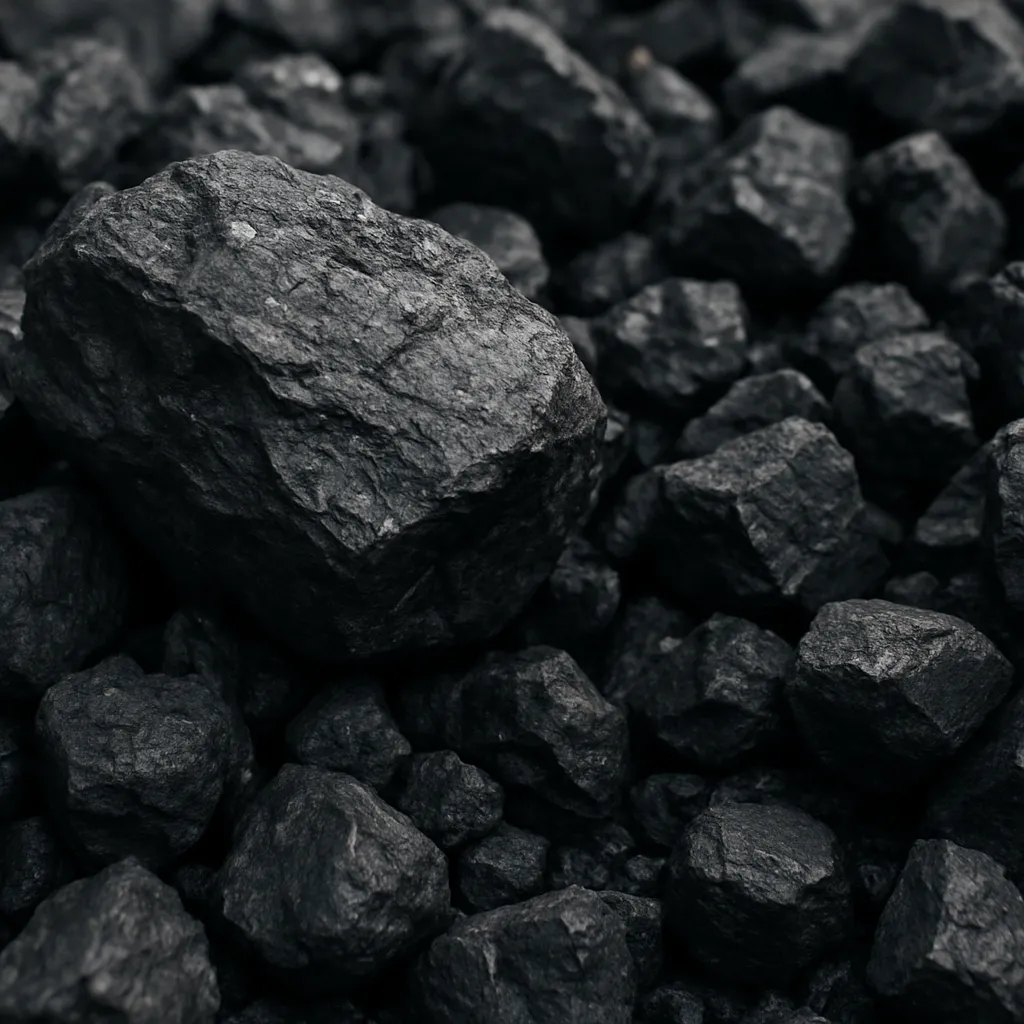
Low-caking coal
Low-caking coal is a specific category of coal defined by its limited tendency to soften, swell and fuse when heated in the absence of air. Unlike coking or strongly caking…

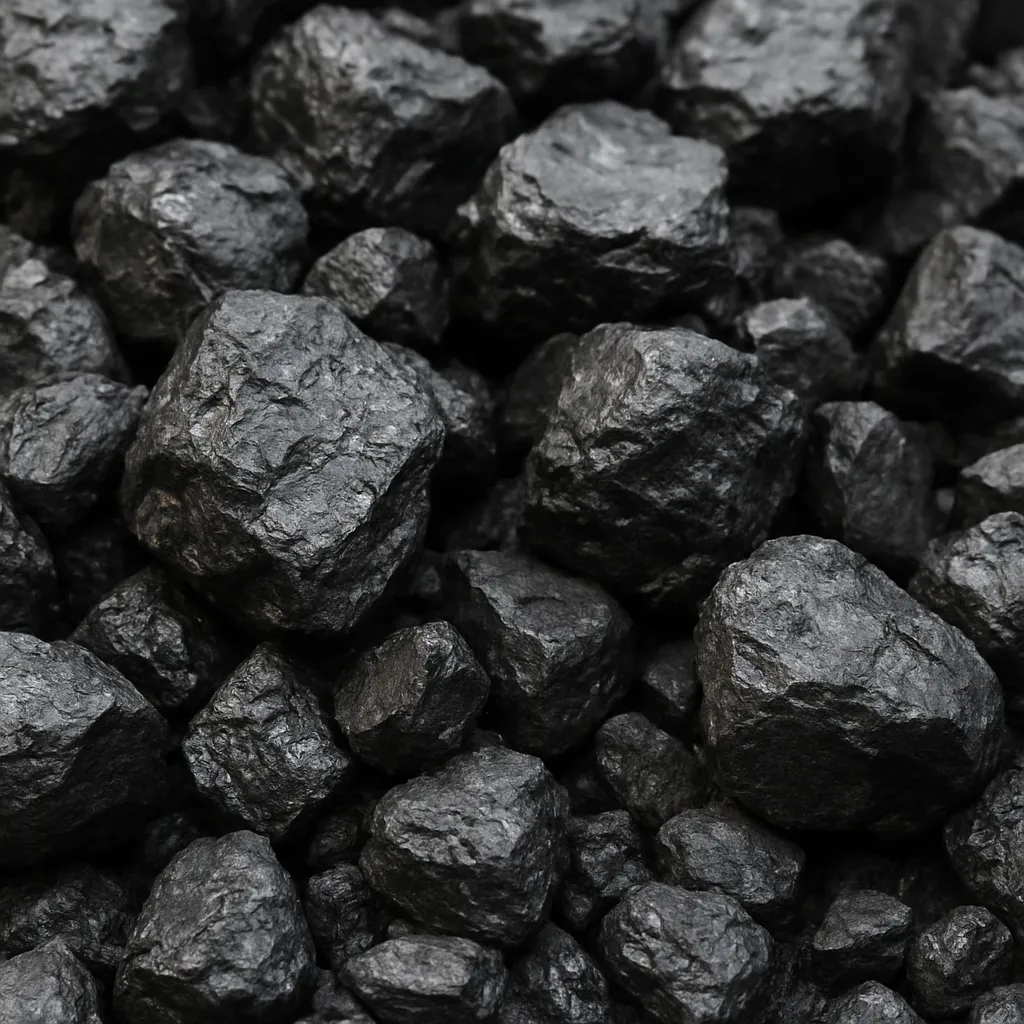
Gasification-grade bituminous coal
Gasification-grade bituminous coal is a specific class of coal valued for its suitability in conversion processes that produce synthesis gas (syngas) — a mixture primarily of carbon monoxide and hydrogen…
