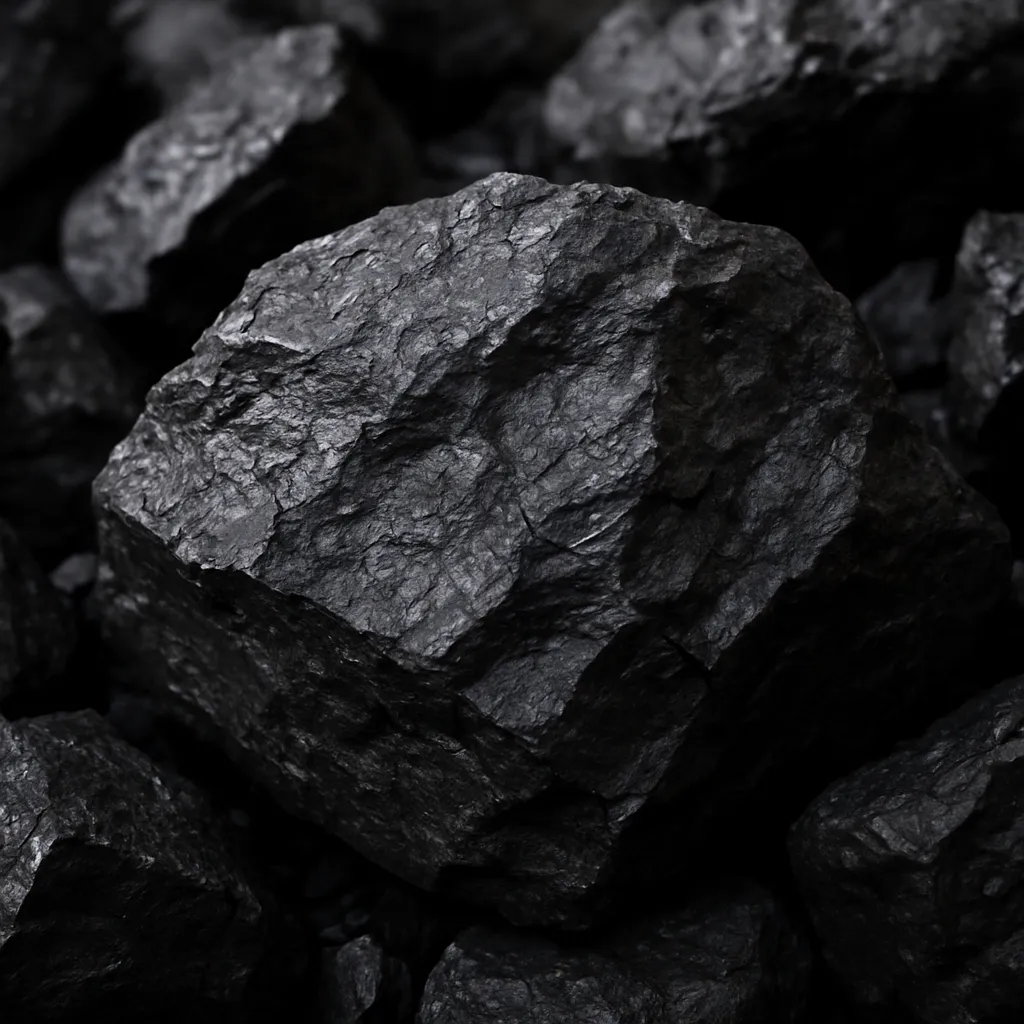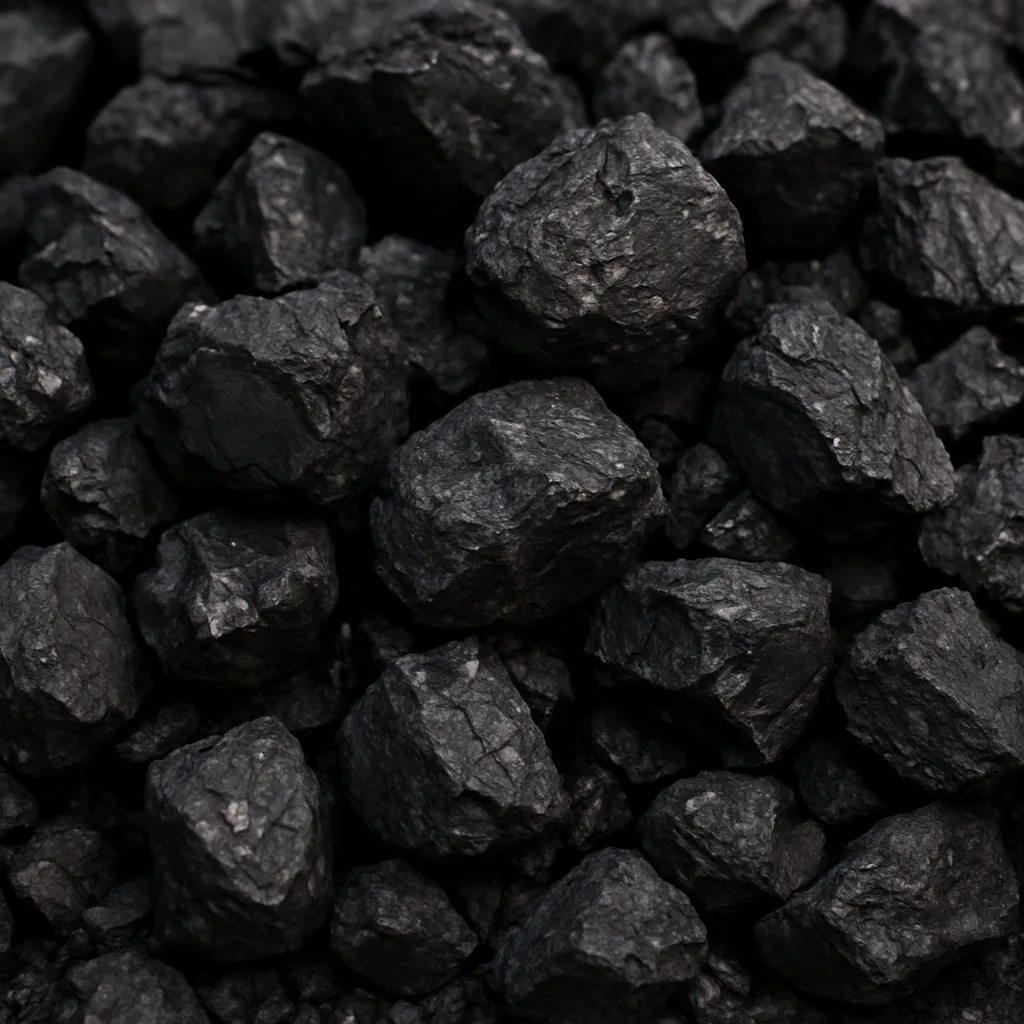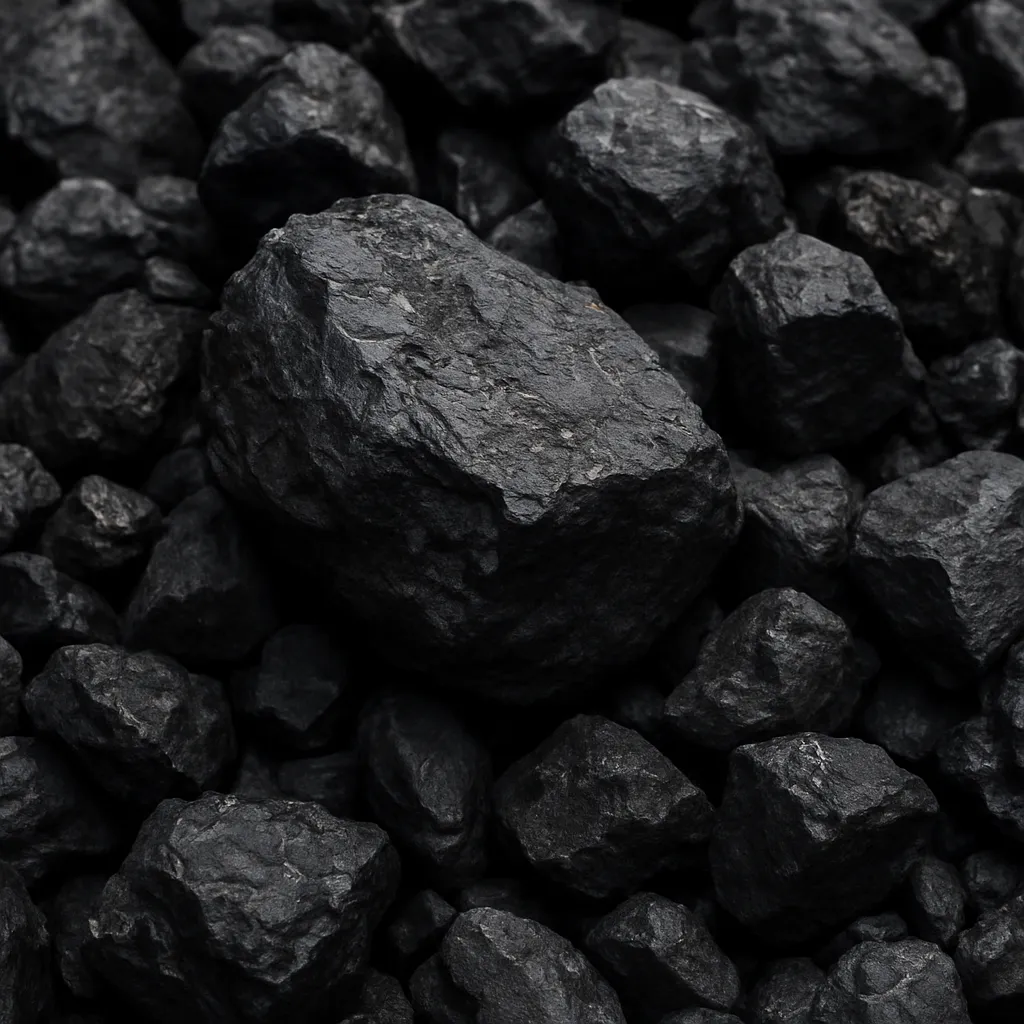
This article examines CFB-grade coal—a category of solid fuel optimized for use in circulating fluidized bed combustion systems—and explores where it occurs, how and where it is mined, its economic and industrial role, relevant statistics, environmental and technological considerations, and other notable facts. The goal is to provide a practical, industry-oriented overview useful for energy professionals, policy-makers, students and anyone interested in modern coal technology. Key terms such as combustion, efficiency, emissions, limestone, boilers, China, electricity and biomass are highlighted where most relevant.
What is CFB-grade coal and why it matters
The term CFB-grade coal does not denote a strict international coal classification but is widely used to describe coals that are particularly suitable for use in circulating fluidized bed (CFB) combustion units. CFB technology is inherently fuel-flexible and tolerates a wide range of coal properties: low calorific value, high moisture, elevated ash, and high sulfur content—characteristics that would reduce the suitability of such fuels for conventional pulverized-coal boilers. A CFB-grade feedstock is therefore typically one of the following:
- low-rank coals (lignite, sub-bituminous),
- high-ash bituminous coal that can be economically combusted without extensive beneficiation,
- mixtures of coal and biomass or waste fuels suitable for co-firing.
CFB boilers operate at lower combustion temperatures (typically 800–900 °C) than pulverized-coal systems and rely on a fluidized bed of inert material (sand, ash or dolomite) and recirculation of solids to maintain good mixing and heat transfer. This environment results in improved combustion of low-quality fuels, in-situ capture of sulfur when limestone is added, and reduced formation of nitrogen oxides. CFB-grade coal is therefore an enabler for converting abundant low-grade fuel resources into reliable energy while mitigating some pollutant emissions at the plant level.
Geology, occurrence and typical sources of CFB-grade coal
Most CFB-grade coals come from deposits characterized by relatively young geological age and high moisture or ash content. Typical deposits include:
- Lignite basins (Europe, Germany, Poland, Czech Republic, Greece, Turkey),
- Tertiary sub-bituminous deposits (United States Powder River Basin, parts of China and Indonesia),
- High-ash bituminous seams in Russia, South Africa, China and India that are uneconomic for some other uses but acceptable for CFB.
Prominent countries and regions that supply coal used in CFB plants include:
- China — large reserves of low-rank coals (inner Mongolia, Shanxi, Ningxia) and many domestic CFB projects make China one of the largest consumers and producers of CFB-grade coals.
- India — significant lignite deposits (e.g., Neyveli in Tamil Nadu), sub-bituminous deposits, and an expanding fleet of fluidized-bed plants for power and industry.
- Indonesia — abundant sub-bituminous coal, exported widely and often used in fluidized-bed and pulverized units depending on specification.
- United States — the Powder River Basin (Wyoming, Montana) produces large quantities of sub-bituminous coal, with characteristics often suited for CFB combustion after handling/drying.
- Russia and Kazakhstan — numerous high-ash and high-sulfur coals that may be used economically in CFB systems, especially in combined heat and power (CHP) contexts.
- Germany, Poland and other European lignite producers — local lignite is commonly used in fluidized-bed district heating and small- to mid-size power plants.
- South Africa and Australia — though often associated with higher-rank export coals, both have deposits and operational flexibility to supply CFB installations, especially for high-ash domestic uses.
Mining methods vary by deposit: open-pit (surface) mines dominate for large, shallow lignite and some sub-bituminous deposits (e.g., PRB, German lignite fields), while underground and room-and-pillar mining are used for deeper, higher-rank seams. Because CFB plants can accept less processed coal, the need for intensive washing and beneficiation is often reduced, lowering processing costs and enabling use of locally mined fuels that would otherwise be marginal.
Technical features of CFB-grade coal use
Fuel preparation and handling
CFB installations usually tolerate greater variation in feed sizing and composition. Typical preparation steps for CFB-grade coal include coarse crushing, screening and sometimes mild drying. High-moisture lignites may require partial drying to improve feed handling and calorific utilization, either through mechanical dewatering, low-temperature drying or integration with plant heat recovery systems. Washing and beneficiation can be carried out when economically justified (to remove excessive non-combustibles), but complete de-ashing is generally not necessary thanks to the CFB’s tolerance for higher ash content.
In-plant processing and emissions control
A distinguishing technical advantage of CFB combustion is the ability to inject limestone directly into the bed. The calcium-based sorbent reacts with sulfur dioxide during combustion to form calcium sulfate, providing effective SO2 control without a separate flue-gas desulfurization unit in many cases. Additionally, low combustion temperatures suppress thermal NOx formation; staged combustion and recirculation further reduce NOx. Particulate matter is handled with cyclones, baghouses or electrostatic precipitators designed for higher ash loads. CFB boilers therefore allow plants burning high-sulfur, high-ash coal to meet emission limits more readily than older boiler types.
Co-firing and fuel flexibility
CFB systems are inherently amenable to co-firing a range of fuels — biomass (wood chips, agricultural residues), petroleum coke, industrial waste, and alternative fuels. This flexibility reduces dependence on a single fuel supply, enables renewable energy blending to lower lifecycle greenhouse gas intensity, and can improve local fuel utilization. Many modern CFB plants operate on blends (e.g., 70% coal + 30% biomass) with modest modifications to feed and combustion controls.
Economic and industrial significance
CFB-grade coal plays an important role in several economic contexts:
- Resource monetization: Regions with abundant low-grade coal can generate value without expensive beneficiation or export logistics by deploying CFB technology for local power, heat, or industrial steam.
- Energy security: Local CFB plants reduce import dependence and provide dispatchable electricity and heat, which is particularly valuable for industrial clusters and remote regions.
- Job creation and regional development: Mining and CFB plant construction/operation generate employment across extraction, transport, plant operation, and maintenance.
- Cost competitiveness: For many low-rank coals, delivered cost to a nearby CFB plant can be lower than higher-grade coals that require transport and processing — providing favorable levelized cost of electricity (LCOE) in certain markets.
CFB technology has been widely adopted in countries balancing fuel security and environmental regulation. For instance, China has built multiple large-scale CFB units in the 300–600 MW range or larger, often located near lignite or sub-bituminous basins to minimize transport costs. In Europe, smaller fluidized-bed CHP units supply district heating and industrial steam with local lignite. In developing countries, CFBs are attractive for converting abundant low-grade resources into reliable baseload or seasonal heat generation.
Statistical context: production, usage and trends
Global coal production in recent years has hovered around roughly 7.5–8.0 billion tonnes annually (aggregate of hard coal and lignite), with the largest producing countries including China (over 3.5 billion tonnes), India (several hundred million tonnes to 1 billion depending on year), the United States (several hundred million tonnes, with Powder River Basin as a dominant sub-bituminous source), Australia, Indonesia, and Russia. A substantial share of this output is composed of lower-rank coals (lignite and sub-bituminous), which are natural candidates for CFB-grade designation because of their physical and chemical properties.
Estimating the exact global market share of CFB-specific coal is complicated because fuels are not always categorized by end-use in public statistics. However, trends show:
- Growing deployment of CFB units in China and parts of Asia over the 2000s–2020s, focused on harnessing domestic low-grade coal beds and meeting tighter emission standards.
- Steady use of lignite in European district heating and power plants, many employing fluidized-bed technology at small to mid scales.
- Increased interest in co-firing biomass with coal in CFB units as a near-term decarbonization pathway and to meet renewable energy obligations.
Specific plant-level statistics (examples, indicative):
- Many modern CFB power plants run in the 150–600 MW class; supercritical or ultrasupercritical CFB designs have expanded unit sizes to 600 MW and above in recent years.
- CFB technology installations numbered in the hundreds globally by the early 2020s, distributed across Asia, Europe, and the Americas, with China accounting for a large share of recent additions.
Because CFB plants are often built to utilize local, otherwise underused coal, they can substantially increase the economic extraction of regional resources without major upgrades to the national coal export sector. For example, an inland lignite basin that lacks rail links for export can still supply a nearby CFB CHP plant economically, creating domestic value instead of leaving the resource stranded.
Environmental aspects and regulatory drivers
CFB combustion provides several environmental advantages relative to conventional pulverized-coal systems, especially when burning high-sulfur or high-ash fuels:
- SO2 control via in-bed sorbent addition reduces the need for large post-combustion flue gas desulfurization systems in many cases, lowering capital and operating costs for emission control.
- Lower combustion temperatures produce less thermal NOx, and staged combustion enhances NOx reduction.
- Excellent fuel flexibility allows for biomass co-firing, which can lower lifecycle CO2 emissions depending on feedstock sourcing.
However, environmental considerations still pose challenges:
- CFB plants still emit CO2 in proportion to coal carbon content; without carbon capture and storage (CCS), coal-fired generation remains a major source of greenhouse gas emissions.
- Ash management is critical: high ash volumes create disposal and potential groundwater contamination issues if not managed properly; beneficial uses of fly ash (e.g., cement and construction) can mitigate disposal burdens.
- Trace elements (mercury, arsenic, selenium) may be concentrated in ash and require monitoring and abatement strategies; sorbent selection and flue gas cleanup design help control these emissions.
Regulatory drivers pushing CFB adoption have included stringent SO2/NOx limits, local air quality needs, and policies encouraging use of domestic resources. Conversely, climate policies that place a price on carbon or mandate rapid decarbonization can reduce the long-term attractiveness of new coal-based capacity unless paired with CCS or high shares of biomass co-firing.
Industry applications and value chains
CFB-grade coal is used across a variety of industrial applications:
- Utility-scale power generation — baseload and flexible operation in grids with significant variable renewables.
- Combined heat and power (CHP) plants — serving industrial sites, district heating, and municipal heating needs, particularly where local lignite is available.
- Industry process heat — boilers supplying steam for cement, pulp & paper, chemicals and metallurgical processes.
- Co-generation in mining and heavy industries where on-site fuel availability reduces logistical complexity.
Value chains supporting CFB-grade coal include mining operations, transport networks (conveyor belts, trucks, inland waterways, and rail), fuel preparation and storage, boiler and plant manufacturers, emissions control suppliers (baghouses, sorbent handling), and ash management/reuse industries (construction materials, road base).
Economic risks, market dynamics and future outlook
The economics of CFB-grade coal depend on several interacting factors:
- Fuel availability and delivered cost — local, low-cost sources enhance CFB competitiveness.
- Regulatory environment — emissions standards, carbon pricing, and renewable mandates influence investment decisions.
- Technological progress — improvements in CFB design (higher efficiency, larger unit sizes, better sorbent utilization) lower LCOE and extend competitiveness.
- Alternatives — the falling costs of renewables and energy storage, electrification trends, and the emergence of low-carbon fuels affect long-term demand.
Opportunities for CFB-grade coal include retrofitting or repowering existing plants, biomass co-firing, and hybrid systems integrating waste heat recovery or small-scale CCS. Risks include potential stranded assets if stringent climate policies accelerate coal phase-outs, or if renewable and storage technologies reach cost parity for dispatchable services.
Technological innovations and integration with decarbonization pathways
Key innovation areas that affect CFB-grade coal usage:
- Advanced sorbents and in-bed additives that improve sulfur capture efficiency and reduce sorbent consumption, lowering operating cost and waste volumes.
- Higher-temperature and pressure CFB designs (supercritical CFB) that push thermal efficiency higher, reducing CO2 emissions per MWh.
- Integration with carbon capture technologies — CFBs can be combined with post-combustion capture or oxy-firing concepts, though cost and complexity rise.
- Increased biomass co-firing rates and use of torrefied biomass to improve fuel handling and energy density, enabling deeper emission reductions.
CFB technology’s adaptability makes it a useful transitional tool: plants can be configured to accept increasing shares of biomass, wastes, or other low-carbon fuels, thereby extending the productive life of domestic fuel resources while reducing carbon intensity incrementally.
Case studies and notable implementations
Several national and regional examples illustrate diverse uses of CFB-grade coal:
- China: Large-scale CFB power and CHP units located near lignite and sub-bituminous basins. These projects are often part of regional development plans to utilize local fuel and reduce long-distance coal transport.
- Germany: Lignite-fired CFB and bubbling fluidized bed (BFB) CHP plants supplying district heating and local grids, coupled with stringent emissions control and ash management practices.
- India: Utility and industrial CFB plants built to use domestic lignite, supporting regional power and industrial steam demands.
- United States: Sub-bituminous Powder River Basin coal feeding both pulverized and fluidized-bed units; independent power producers and utilities evaluate CFB for plants serving isolated systems or for fuels with high water/ash content.
Operational considerations for plant developers and operators
Key considerations when planning CFB-based projects with CFB-grade coal:
- Fuel testing: comprehensive characterization (proximate and ultimate analysis, ash fusion, moisture, grindability) is essential to determine handling and combustion performance.
- Logistics: proximity to fuel sources, transport infrastructure and fuel storage strategies affect overall costs and reliability.
- Emissions compliance: ash handling, sorbent supply, and flue gas cleaning must be planned to meet present and anticipated future standards.
- Plant flexibility: design choices that enable higher biomass co-firing percentages or future CCS retrofitability improve long-term value.
Other interesting facts and trade-offs
– CFB vessels often have higher circulating solids rates and more complex materials handling than pulverized coal plants; this influences maintenance regimes and experience requirements.
– Ash produced by CFB combustion tends to be coarser and may be more readily usable in cement and construction materials, providing beneficial reuse options that reduce disposal costs.
– The capacity factor and dispatch profile of CFB plants can be shaped by industrial heat demand; in CHP applications, plants operate at high utilization to meet both thermal and electrical loads, improving overall fuel-use economics.
– Small-scale CFB boilers are finding a niche in industrial and district heating markets, where the ability to burn local low-grade fuel reliably is a distinct advantage over centralized high-grade coal or imported fuels.
Conclusions and strategic implications
CFB-grade coal and its associated technology represent an important niche in the broader energy landscape: a practical solution for converting low-value, locally abundant coal into useful electricity and heat with improved emission control compared to older combustion systems. CFBs provide a bridge between traditional coal use and lower-carbon futures by enabling biomass co-firing, enhancing fuel security, and reducing certain pollutants through in-bed sorbent use. However, their long-term role depends heavily on national and global climate policy, the economic trajectory of renewables and storage, and technological progress in CCS and alternative fuels.
For regions with abundant low-grade coal resources and pressing local energy needs, CFB-grade coal delivered to well-designed CFB plants can be a cost-effective, cleaner-than-traditional option. Yet buyers and policymakers should weigh the benefits of immediate emissions reductions against the need for deeper decarbonization; investments should aim for flexibility to adapt to higher shares of low-carbon fuels and potential carbon capture retrofits. Understanding the technical, environmental, and economic trade-offs is essential to make informed decisions about deploying or expanding CFB-grade coal utilization in the energy mix.