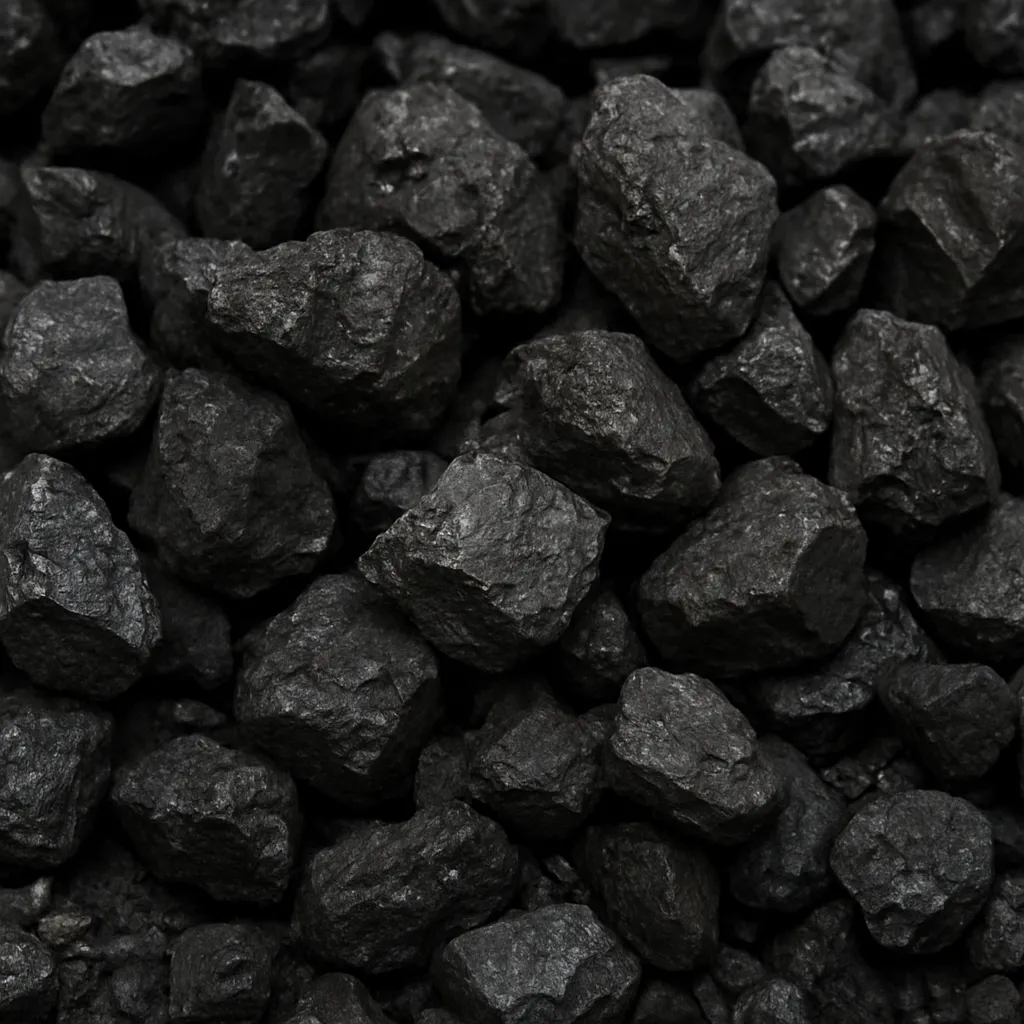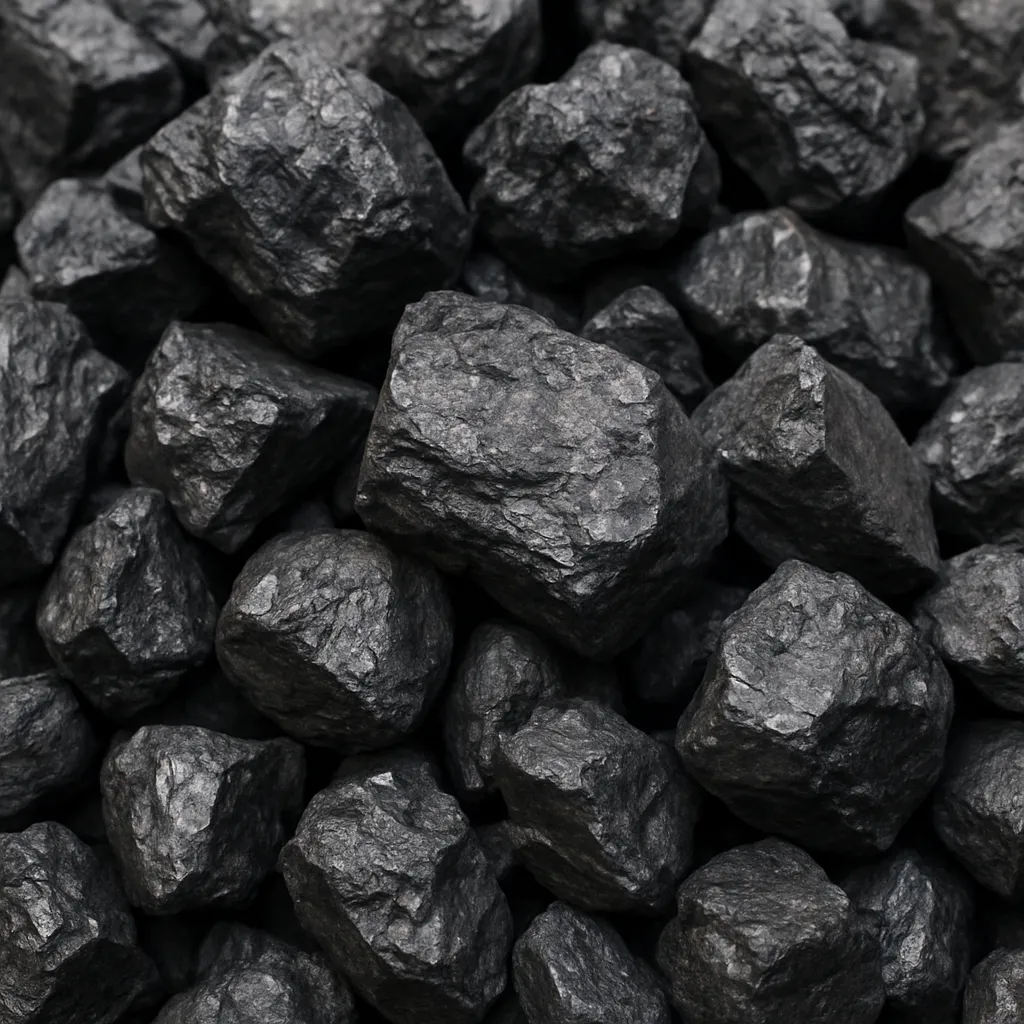
The use of coal as a feedstock for industrial chemical production — particularly for synthesizing ammonia and, subsequently, urea — is a major but often overlooked component of the global fertilizer and energy landscape. Coal-to-urea pathways convert solid carbonaceous resources into synthesis gas (syngas), then into hydrogen and ammonia, and finally into urea, a staple nitrogen fertilizer. This article reviews where this coal is found and mined, explains the chemical and industrial processes involved, examines economic and statistical dimensions, and discusses environmental, technological, and policy considerations shaping the future of coal-based urea production.
Geology, occurrence and mining of coal used for chemical feedstock
Coal is among the planet’s most abundant fossil fuels and occurs in sedimentary basins formed over hundreds of millions of years. It appears in multiple ranks — from low-energy lignite (brown coal) to higher-grade bituminous and anthracite — with varying calorific values, ash contents and impurities. For chemical feedstock applications such as gasification, the preferred qualities include adequate carbon content, manageable ash and sulfur levels, and predictable behavior under high temperatures. In practice, coal of many ranks is used depending on local availability and the flexibility of the gasification technology.
Major global coal occurrences and mining regions include:
- China: the world’s largest coal producer and consumer. Coal basins in Shanxi, Shaanxi, Inner Mongolia, and Xinjiang supply the bulk of Chinese coal. China’s domestic coal is frequently used not only for power but also for coal-to-chemicals complexes, including coal-to-ammonia and coal-to-urea projects.
- Australia: vast high-quality deposits (especially in Queensland and New South Wales) are a major source of thermal and metallurgical coal for export markets.
- United States: large basins in the Powder River Basin (Wyoming, Montana), Appalachian region, and Illinois Basin supply thermal and coking coal for domestic industries and exports.
- India: the Damodar Valley, Jharia, and eastern coalfields produce large volumes of coal used for power generation and, increasingly, as feedstock for fertilizer industries.
- Russia: major reserves in Siberia and the Kuznetsk Basin (Kuzbass) support domestic industries and exports.
- Indonesia and South Africa: important exporters of thermal coal; Indonesian coal supports many Asian chemical and fertilizer projects.
Reserves and production are concentrated: as of the early 2020s, world coal production is on the order of several billion tonnes annually, with China alone producing roughly 3.5–4.0 billion tonnes per year, India several hundred million tonnes, and Australia, the United States, Indonesia, and Russia each producing hundreds of millions of tonnes annually. Proven coal reserves are substantial — measured in the hundreds of billions of tonnes — ensuring long-term availability for nations that rely on coal-derived chemicals, although the exact distribution of reserves and production shifts with market demand and policy actions.
Chemical processes: from coal to urea
Converting coal to urea is a multi-step, energy-intensive chemical chain. The major stages are:
- Coal gasification: Coal is reacted with oxygen and steam at high temperatures (typically 1,200–1,600 °C in entrained-flow or >800 °C in fixed-bed/fluidized-bed gasifiers) to produce syngas — a mixture of carbon monoxide (CO), hydrogen (H2), carbon dioxide (CO2), methane and other minor gases. Gasification tolerates a range of coal qualities but performance and yields vary with coal rank and ash composition.
- Gas cleanup and conditioning: Tar, particulates, sulfur compounds (H2S), chlorine, and other impurities are removed to protect downstream catalysts and process units. Sulfur is typically converted to elemental sulfur or sulfuric acid for sale or safe disposal.
- Water-gas shift: CO in syngas reacts with steam to convert CO to CO2 while producing additional H2: CO + H2O → CO2 + H2. This step increases hydrogen yield for ammonia synthesis and generates CO2, which can be separated and used in urea synthesis or captured.
- CO2 separation and hydrogen purification: Technologies such as amine scrubbing, physical solvents, pressure swing adsorption and membrane separation isolate CO2 and purify H2 to the specification needed for ammonia synthesis.
- Haber–Bosch ammonia synthesis: Pure H2 is combined with nitrogen (from air separation units) at high pressure and moderate-high temperature over iron-based catalysts to form ammonia (NH3). This is the central step producing the nitrogen source for urea.
- Urea synthesis: Ammonia reacts with captured CO2 to form ammonium carbamate, which is then dehydrated to produce urea (NH2CONH2): 2 NH3 + CO2 → NH2COONH4 → NH2CONH2 + H2O. The CO2 produced earlier in the shift stage is therefore valuable feedstock for urea formation.
Entire coal-to-urea complexes are integrated for thermal efficiency and material recovery: waste heat can be recovered for steam generation, byproducts (e.g., sulfur, phenolics) can be sold, and captured CO2 may be sequestered or fed directly into urea synthesis loops.
Economic and industrial significance
Urea is the most widely used nitrogen fertilizer globally because of its high nitrogen content, ease of transport, and versatility. The global urea market — production and consumption — ranges in the order of hundreds of millions of tonnes per year. As of the early 2020s, global urea production was commonly reported in the range of ~170–200 million tonnes annually, with demand driven by agriculture, industrial uses and chemical intermediates. The majority of global nitrogen fertilizer production is based on natural gas-derived hydrogen (steam methane reforming) rather than coal, but coal-to-chemicals remains strategically important in regions with abundant coal and limited gas supplies.
Key economic drivers for coal-based urea production:
- Feedstock price and availability: Coal is often cheaper and more geopolitically secure for coal-rich countries than imported natural gas, making coal-to-urea economically attractive when gas prices are high or supply is constrained. Large-scale coal gasification plants lock in domestic coal demand and reduce dependence on fertilizer imports.
- Capital intensity: Coal-to-chemicals plants require high capital expenditure (often billions of dollars for a large integrated complex) and long lead times. Returns depend on long-term feedstock cost advantages and plant utilization rates.
- Scale economies: Larger units achieve better thermal integration and cost efficiencies, which explains the development of mega-complexes in China and elsewhere.
- Market and trade impacts: Coal-to-urea projects can alter regional fertilizer trade flows. Countries pursuing domestic coal-to-urea capacity may reduce imports and, if capacity exceeds domestic needs, become exporters.
Examples of economic dynamics:
- China invested heavily in coal-to-chemicals during periods of high natural gas prices or to secure fertilizer supplies; many large coal-based ammonia/urea units were commissioned in the 2000s–2010s.
- India has intermittently explored coal-gasification routes to reduce its dependence on urea imports and to utilize domestic coal resources; cost-competitiveness depends on coal quality, logistics, subsidies, and policy.
- Investment decisions are increasingly sensitive to carbon pricing, emissions regulations, and financing constraints that penalize high CO2-intensity technologies, making natural gas or green H2-based routes relatively more attractive under strict climate policies.
Statistics and market figures (approximate and contextual)
Reliable numerical context helps illustrate the scale and impact of coal-to-urea activity, though precise numbers change with market cycles:
- Global urea production (early 2020s): approximately 170–200 million tonnes per year.
- Share of coal-based ammonia/urea: while natural gas remains the dominant feedstock globally, coal accounts for a significant portion of ammonia/urea production in countries with limited natural gas and abundant coal (notably China and parts of India). Estimates suggest that coal-based processes account for a meaningful minority of global nitrogen fertilizer output; in China, coal-to-chemicals contributed materially to domestic ammonia capacity during its expansion phase.
- Coal production (global, early 2020s): several billion tonnes annually; China ~3.5–4.0 billion tonnes, India ~700–900 million tonnes, Indonesia and Australia each several hundred million tonnes, United States ~400–700 million tonnes depending on year, Russia several hundred million tonnes.
- CO2 intensity: coal-based ammonia/urea routes are substantially more carbon-intensive than conventional natural gas-based routes. Published life-cycle and plant-level studies show coal-to-ammonia CO2 emissions can be two to four times higher than gas-based ammonia in the absence of carbon capture. Exact values depend on process design, coal quality and capture rates, but coal routes can emit multiple tonnes of CO2 per tonne of ammonia or urea produced.
- Capital cost: large coal-to-chemicals integrated plants typically involve multi-hundred-million- to multi-billion-dollar investment profiles; this makes financing, long-term policy stability and offtake arrangements critical for project viability.
Environmental impacts and regulatory considerations
Coal-to-urea production poses significant environmental challenges:
- Greenhouse gas emissions: Coal gasification and subsequent hydrogen production produce substantial CO2. Without effective carbon capture, coal-based ammonia/urea is among the highest-carbon fertilizer production routes. This has major implications for climate targets and agricultural emissions accounting.
- Air pollutants: Coal contains sulfur, nitrogen, chlorine and trace metals; if not properly controlled, gasification and downstream processes can produce SOx, NOx, particulates, mercury and other pollutants. Modern plants deploy extensive cleanup and emissions controls, but these increase costs.
- Water use: Gasification, cooling and process needs require significant water, posing stress in arid regions. Wastewater treatment is critical to prevent contamination from phenolics and other organics.
- Solid wastes: Ash and slag from gasifiers must be managed, recovered or disposed of safely.
- Regulatory pressure and carbon pricing: Regions with stringent climate policies, carbon pricing, or restrictions on coal use make coal-to-chemicals less attractive economically. Conversely, countries prioritizing energy and fertilizer security may support coal-based routes with subsidies or policy backing despite emissions concerns.
Mitigation options include deploying carbon capture and storage (CCS) to create “blue” ammonia/urea, improving process efficiency, integrating with biomass or renewable hydrogen, and utilizing waste heat and byproduct valorization to improve overall carbon intensity. However, effective CCS at full scale remains capital-intensive and dependent on CO2 transport and storage infrastructure.
Technological developments and alternatives
Recent technological trends shape the future competitiveness of coal-derived urea:
- Advanced gasifiers: Improved entrained-flow and fluidized-bed gasifiers deliver higher efficiency, better tar and ash handling, and greater feedstock flexibility.
- Process integration and digital optimization: Combined heat and power integration, advanced process control and predictive maintenance reduce operational costs and improve availability.
- Carbon capture integration: Technologies for CO2 separation (amine solvents, membranes, cryogenic processes) are being tested and implemented to reduce the carbon footprint of coal-to-ammonia plants. When paired with geological storage, this can significantly lower lifecycle emissions.
- Shift toward green hydrogen: Electrolytic hydrogen from renewable electricity (green H2) enables low-carbon ammonia and urea, challenging coal-based routes when renewable electricity is abundant and inexpensive.
- Modular and small-scale systems: Innovations toward smaller, modular ammonia/urea units can change project economics in distributed agricultural contexts, but scaling these for coal feedstocks is less common due to plant complexity.
In sum, ongoing developments are reducing specific energy consumption and emissions intensity per tonne of urea, but the relative competitiveness depends heavily on local energy prices, available resources, and carbon regulation.
Case studies and regional perspectives
China is the most illustrative case of coal-based urea/chemical development. State-owned and private enterprises built multiple integrated coal-to-chemicals complexes in coal-rich provinces (e.g., Shaanxi, Inner Mongolia, Ningxia, Shanxi), producing ammonia, urea and other derivatives from domestic coal. These projects were driven by the desire for resource security and to capitalize on abundant coal reserves. However, environmental scrutiny and evolving policy have prompted closures or upgrades of older, more polluting plants, and have influenced the pace of new project approvals.
India has evaluated coal-to-urea as a strategic option to reduce dependency on imports and to utilize domestic coal, especially in eastern and central coalfields. Several pilot and proposed projects have been discussed; the economic viability depends on coal logistics, water availability, and the structure of fertilizer subsidies and pricing controls.
Australia, Indonesia and Russia are primarily coal suppliers rather than developers of domestic coal-to-urea complexes at scale for domestic consumption; their role in the global fertilizer chain is more as providers of feedstock (coal) or as exporters of finished fertilizers in the case of nitrogen producers that use gas or other feedstocks.
Opportunities and challenges ahead
The future of coal-based urea production is shaped by a complex interplay of economics, technology and policy:
- Opportunities: For coal-rich countries seeking fertilizer self-sufficiency, coal-to-urea remains an option, particularly when paired with CCS to lower emissions. Byproduct valorization and integration into broader coal-chemical value chains can improve project economics.
- Challenges: Rising carbon constraints, potential carbon pricing, public opposition to new coal projects, and increasingly competitive green hydrogen and natural gas solutions undercut the long-term attractiveness of coal-to-urea in many markets. Financing large coal-based projects is becoming more difficult as lenders face climate-related mandates and reputational risk.
- Transition pathways: The industry may evolve toward hybrid models — combining coal feedstock with renewable hydrogen or biomass co-feed to reduce carbon intensity — or toward full replacement by low-carbon hydrogen pathways for ammonia and urea synthesis.
Concluding perspective
Coal-based urea production has played and continues to play a strategic role in regions where coal is abundant and natural gas is scarce or expensive. The technology chain — from coal gasification through hydrogen and ammonia synthesis to urea manufacture — is technically mature and can produce large quantities of fertilizer to support agriculture and industrial markets. However, its long-term role is uncertain in the context of global decarbonization efforts. Economic viability will increasingly depend on the ability to lower greenhouse gas emissions through carbon capture or by integrating low-carbon hydrogen, and on policy choices that balance energy security, agricultural needs, and climate commitments.
Key terms emphasized in this article: coal, urea, ammonia, gasification, hydrogen, Haber–Bosch, China, emissions, fertilizers, CCS.