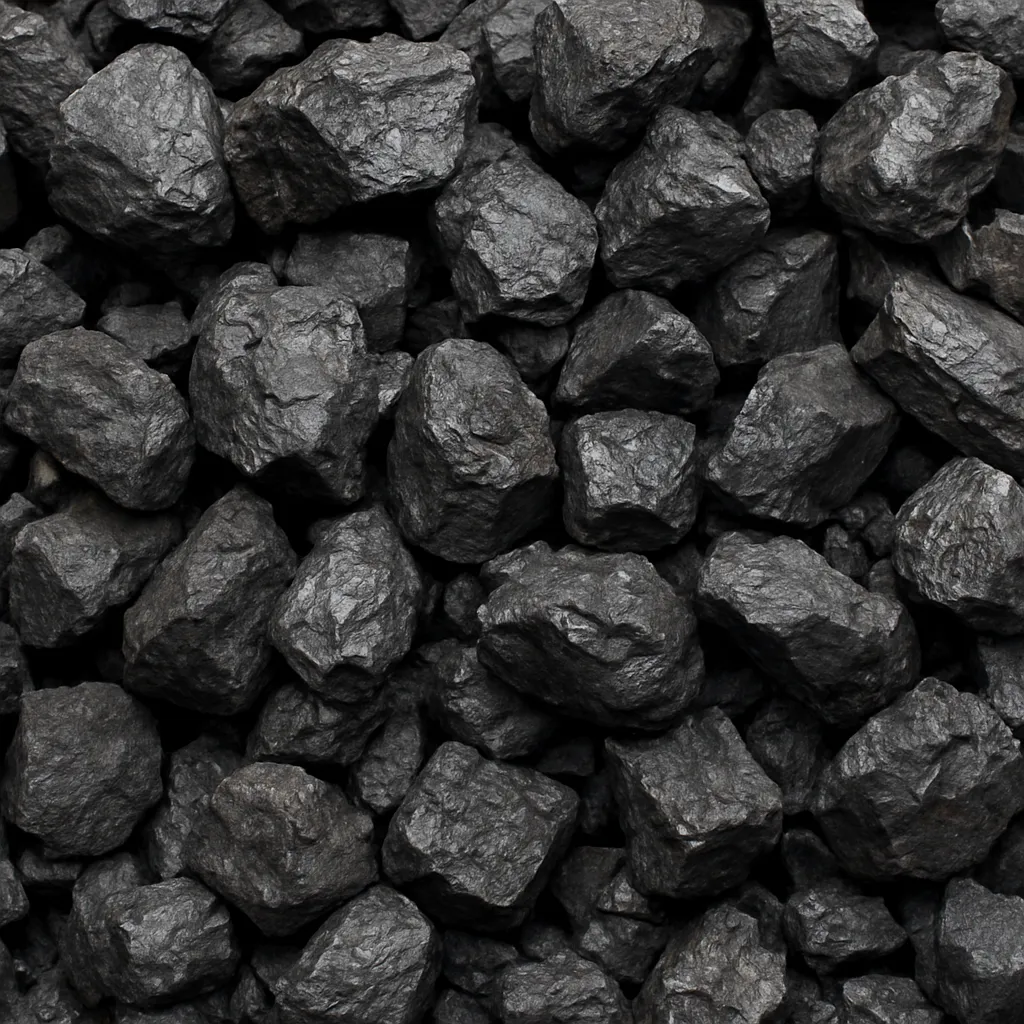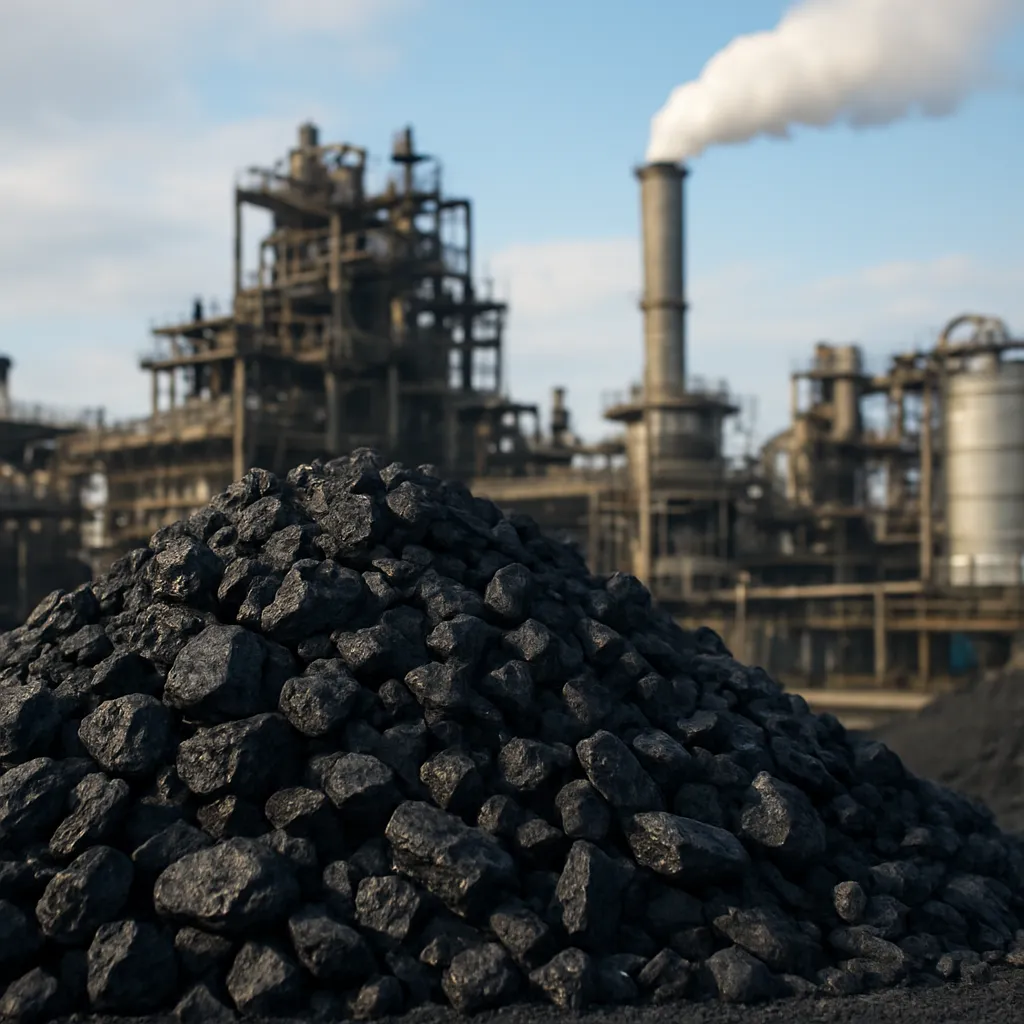
This article explores the role of coal as a feedstock for industrial ammonia synthesis: where such coal is found, how it is mined and processed for chemical use, the technologies that convert coal into hydrogen and ultimately ammonia, and the economic, environmental and strategic implications of coal-to-ammonia pathways. The discussion combines technical description, regional and market context, and forward-looking considerations that shape the future of coal-derived ammonia in a world transitioning toward lower-carbon solutions.
Geology, distribution and mining of coal used for ammonia synthesis
Coal suitable for chemical conversion ranges across ranks from sub-bituminous and bituminous to lignite and anthracite. For ammonia feedstock via gasification, the most desirable characteristics are consistent calorific value, moderate-to-low ash and sulfur content, and predictable moisture. However, modern gasification technologies can accommodate a broad spectrum of coals, including higher-ash and higher-moisture grades, at the cost of added pre-treatment and cleaning.
Global deposits of coal are widespread. Major producing regions that also host coal-to-chemical or coal-to-ammonia facilities include:
- China — extensive low- and medium-rank coal basins in Shanxi, Inner Mongolia, Shaanxi and Ningxia. China is the largest regional user of coal for chemical synthesis due to abundant domestic coal and constrained natural gas supplies in some provinces.
- India — coalfields in Jharkhand, Odisha, Chhattisgarh and West Bengal supply both power and industrial feedstocks; India has periodically considered or developed coal gasification routes for fertilizer feedstock.
- Australia — large export-oriented coal basins (Bowen, Hunter) supply thermal and metallurgical coal; domestic coal-to-chemicals activity is limited, but Australia is a major supplier of coal to the region.
- Russia (Kuznetsk Basin, Pechora), the United States (Powder River Basin, Appalachian coalfields), South Africa (Highveld and Waterberg basins), and Indonesia (Sumatra and Kalimantan) — significant coal resources that have potential or actual industrial conversion uses.
Strategically, many coal-to-ammonia plants are sited close to coal mines to reduce transport costs and ensure reliable feedstock. In China, integrated mine-to-plant complexes are common: large corporate groups own both mining operations and downstream chemical plants, enabling vertical integration and logistical efficiency.
Technologies and process: from coal to ammonia
Converting coal into ammonia involves several chemical and processing steps. The dominant pathway is coal gasification followed by syngas conditioning, hydrogen separation, nitrogen supply, and conventional Haber–Bosch synthesis. Main stages include:
- Coal gasification — partial oxidation of coal using oxygen (or air) and steam to produce synthesis gas (syngas), primarily H2, CO and CO2. Commercial gasifiers include entrained-flow (high-temperature), fluidized-bed and fixed-bed types. Technologies such as Shell (entrained-flow), Lurgi (fixed bed), and Texaco/GE (entrained-flow) have been applied to coal-to-chemicals projects.
- Water-Gas Shift (WGS) — conversion of CO with steam to produce additional H2 and CO2. This step boosts hydrogen yield for ammonia synthesis.
- Gas cleaning and CO2 removal — acid gases, particulates and tars are removed; CO2 separation is often required before hydrogen purification and can be a major point for carbon capture integration.
- Hydrogen purification — pressure swing adsorption (PSA), membrane separation or cryogenic separation produce high-purity hydrogen suitable for Haber–Bosch synthesis.
- Haber–Bosch ammonia synthesis — hydrogen is reacted with atmospheric nitrogen (from air separation) over iron or promoted catalysts at high pressure and temperature to form NH3.
Energy integration is critical: syngas cooling, waste-heat recovery and steam integration affect plant efficiency and economics. Coal-to-ammonia plants are capital-intensive and complex, often resembling coal-to-liquids or coal-to-chemicals facilities in their scope and environmental footprint.
Economic and industrial significance
The choice of feedstock for ammonia (coal, natural gas, or electricity via hydrogen from electrolysis) depends primarily on local resource availability, energy prices, capital costs, and policy. Key economic factors include:
- Feedstock price and stability — where natural gas is expensive or scarce, coal can be an economically attractive alternative despite higher process complexity.
- Capital expenditure (CAPEX) — coal-to-ammonia facilities typically require higher upfront investment than steam methane reforming (SMR) based ammonia plants because of gasification, gas cleaning and additional downstream equipment.
- Operating costs (OPEX) — depend on coal quality, oxygen and water consumption, catalyst life, and the cost of CO2 management if emissions are priced or regulated.
- Scale economies — large-scale integrated projects reduce unit costs; many coal-to-ammonia projects are gigawatt-scale industrial complexes.
Global context and statistics (approximate): total global ammonia production in the early 2020s was on the order of 150–180 million tonnes per year. Around 80%–90% of produced ammonia is used in fertilizer manufacture (urea, ammonium nitrate, ammonium sulfate and other products), making ammonia a cornerstone of modern agriculture and global food production. The share of ammonia produced from coal is concentrated regionally: China accounts for the majority of coal-derived ammonia capacity worldwide due to domestic coal abundance and historical policy choices favoring coal-to-chemicals investment.
From an economic-security perspective, coal-to-ammonia projects have been attractive to countries seeking energy security and domestic fertilizer production despite limited natural gas. Coal feedstock insulates producers from global gas price volatility but exposes them to coal price swings, local regulatory changes and increasing carbon-related costs.
Environmental and policy considerations
A major drawback of coal-based ammonia is its higher carbon footprint relative to natural gas-based routes. Typical lifecycle CO2 emission ranges (dependent on plant efficiency, coal quality and boundary definitions) can be summarized approximately as:
- Natural gas (SMR) route: ~1.5–2.0 tonnes CO2 per tonne NH3 (without carbon capture).
- Coal gasification route: typically higher, often in the range of ~2.5–4.0 tonnes CO2 per tonne NH3 (without carbon capture), with variation based on coal rank and process emissions.
Integration of carbon capture and storage (CCS) can substantially reduce CO2 emissions from coal-derived ammonia, enabling “blue ammonia” when CO2 from fossil-based hydrogen production is captured and stored. CCS, however, increases CAPEX and OPEX and requires permanent carbon storage options and regulatory frameworks. Emerging market interest in low-carbon ammonia as a fuel or hydrogen carrier (for shipping, power, or industrial feedstock) has driven investment in CCS on ammonia plants in some jurisdictions.
Other environmental impacts include:
- Local air pollutants — particulates, SOx and NOx if gasification off-gases and flue gases are not adequately treated.
- Water use — gasification and associated cooling and scrubbing steps consume water; water scarcity can challenge siting decisions.
- Solid wastes and Ash — coal ash and slag require disposal or beneficial reuse strategies.
Policy trends — carbon pricing, stricter emissions regulations, and incentives for low-carbon hydrogen/ammonia are shifting the economics away from unabated coal routes in many markets. Conversely, subsidies, trade considerations and strategies for domestic fertilizer security continue to support coal-based projects in areas where alternatives are limited.
Applications, market dynamics and strategic roles
Ammonia is primarily an industrial chemical and fertilizer precursor, but its role is expanding as a potential energy vector:
- Fertilizer production remains the largest end-use sector. Reliable local ammonia supply is critical for national food security and farming competitiveness.
- Energy carrier — ammonia contains hydrogen in a dense, transportable form and is being trialed for power generation, shipping fuel, and long-term hydrogen storage. Low-carbon ammonia (green or blue) commands a premium in emerging energy markets.
- Chemical feedstock — ammonia is used in the manufacture of nitric acid, explosives, plastics precursors and many intermediates.
Market dynamics: prices for ammonia follow feedstock (coal, natural gas) and energy price trends. When natural gas prices spike, coal-based ammonia becomes relatively more attractive if coal prices remain low. Geopolitics, supply chain resilience and trade flows (e.g., exports of ammonia or ammonia-derived fertilizers) also influence investment decisions.
Future prospects and innovation pathways
Several complementary developments will determine the future role of coal-derived ammonia:
- Decarbonization — increased deployment of CCS on coal-to-ammonia plants can create a transitional “blue ammonia” product, but deployment depends on sequestration capacity, regulatory certainty and economics. Approaches that co-fire or co-gasify biomass with coal can reduce net emissions and potentially produce “bio-blended” ammonia with lower net CO2 intensity.
- Electrification and green hydrogen — falling renewable electricity costs and scale-up of electrolysis offer a pathway to green ammonia (hydrogen produced by electrolysis), which could displace coal-derived ammonia over time where grid renewables or low-carbon electricity are accessible.
- Process intensification and flexibility — modular gasifiers, improved catalysts, and hybrid hydrogen sourcing (mixing electrolysis H2 with coal-derived H2) can improve economics and reduce emissions.
- Ammonia as a traded low-carbon energy carrier — countries with abundant coal but stringent emission targets may invest in CCS-equipped coal-to-ammonia to produce blue ammonia for export to countries seeking low-carbon fuels.
Case studies and regional examples
China offers the most instructive examples of coal-to-ammonia industrialization. Large-scale integrated projects in northern and western provinces were built to take advantage of local coal resources and to supply domestic fertilizer needs. These facilities often combine coal gasification with downstream chemical integration (urea, methanol, synthetic fuels), emphasizing economies of scale and vertical integration.
In other regions, coal-to-chemicals has been pursued for strategic reasons:
- India has explored coal gasification for fertilizers and chemicals as a path to reduce dependence on imported natural gas, though high capital costs and environmental scrutiny shape investment timelines.
- South Africa’s historical Sasol complexes demonstrate large-scale coal-to-synfuels and chemicals operations, providing a template for integrated coal-to-ammonia systems; however, global pressure to decarbonize has prompted re-evaluation and diversification.
Risks, trade-offs and decision factors for new projects
Investors and policymakers considering coal-to-ammonia projects must weigh multiple trade-offs:
- Short- to medium-term energy security and fertilizer availability versus long-term climate commitments and potential stranded asset risk.
- Lower variable feedstock costs (in coal-rich regions) against higher CAPEX, operational complexity and future carbon costs.
- Local employment and economic development benefits versus environmental and public health impacts that can affect social license to operate.
Mitigating measures include high-efficiency process design, incorporation of CCS from the project outset, co-location with sequestration sites or industrial CO2 users, water recycling systems, and community engagement to manage artisanal and environmental concerns.
Conclusions and outlook
Coal can serve as a viable feedstock for industrial ammonia production where coal resources are abundant and alternatives are limited. The route from coal to ammonia is technically mature and has been deployed at large scale in certain regions, notably China. However, higher intrinsic CO2 emissions relative to natural gas routes and the rising priority of decarbonization create strong incentives to couple coal-based plants with carbon capture or to transition toward green or hybrid hydrogen sources over time. The economic attractiveness of coal-derived ammonia depends on local resource economics, policy frameworks (including carbon pricing and incentives for low-carbon products), and evolving market demand for low-carbon ammonia as both fertilizer and an energy carrier.
As the global ammonia sector evolves, coal-based ammonia will likely remain regionally important in the near term but will face increasing pressure from lower-carbon alternatives. Innovations in gasification efficiency, CCS, biomass co-feed, and hybrid hydrogen systems can extend the practical life of coal-to-ammonia facilities while reducing their climate impact, but those measures will need to be balanced against long-term sustainability goals and the economics of rapidly maturing green ammonia technologies.
Key terms highlighted
coal, ammonia, gasification, Haber-Bosch, syngas, carbon capture, CO2 emissions, fertilizer, China, energy security