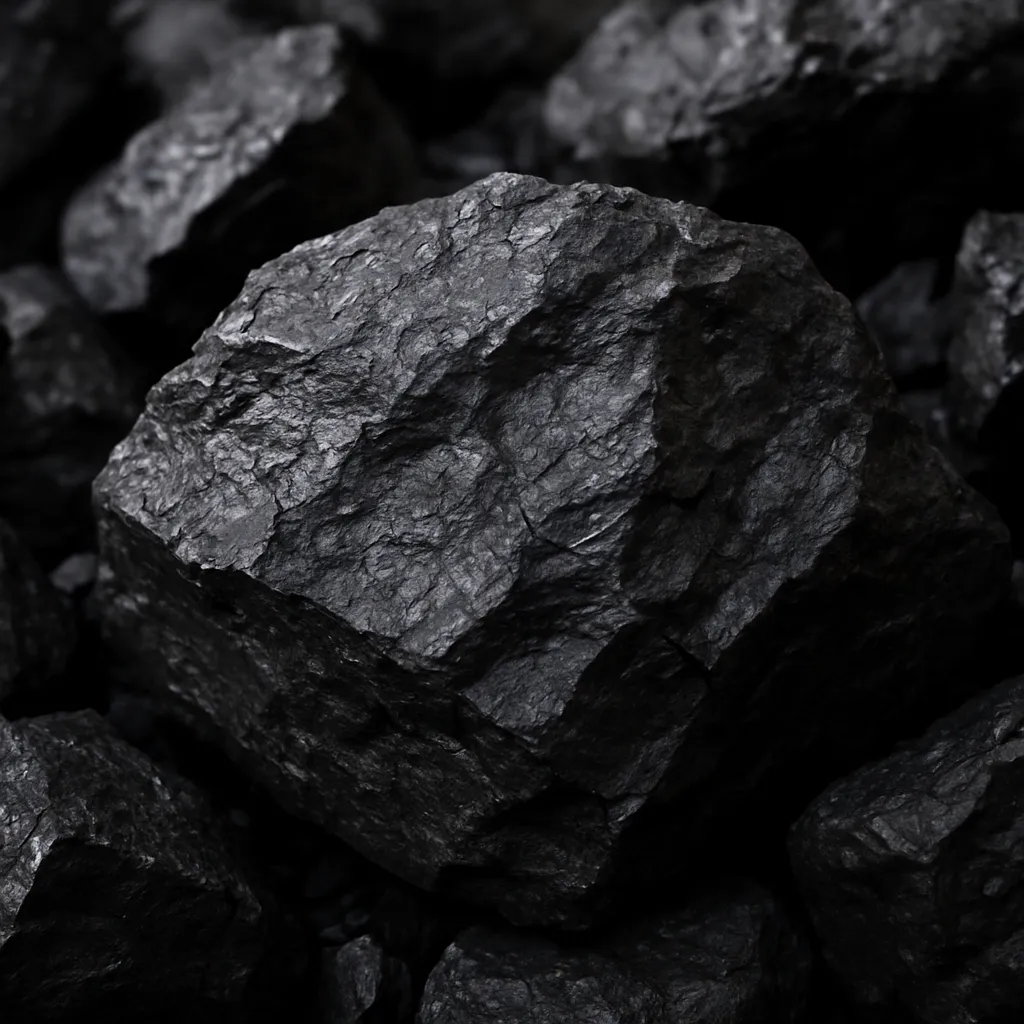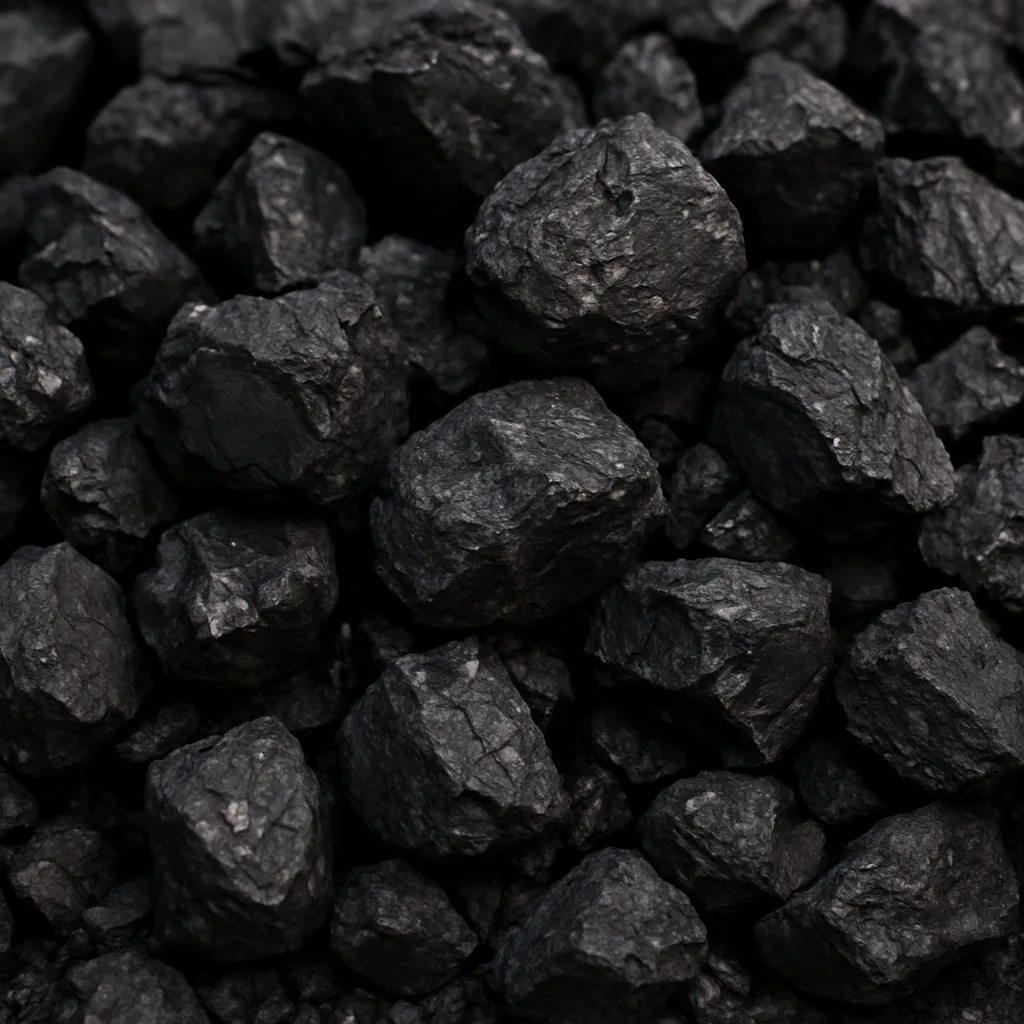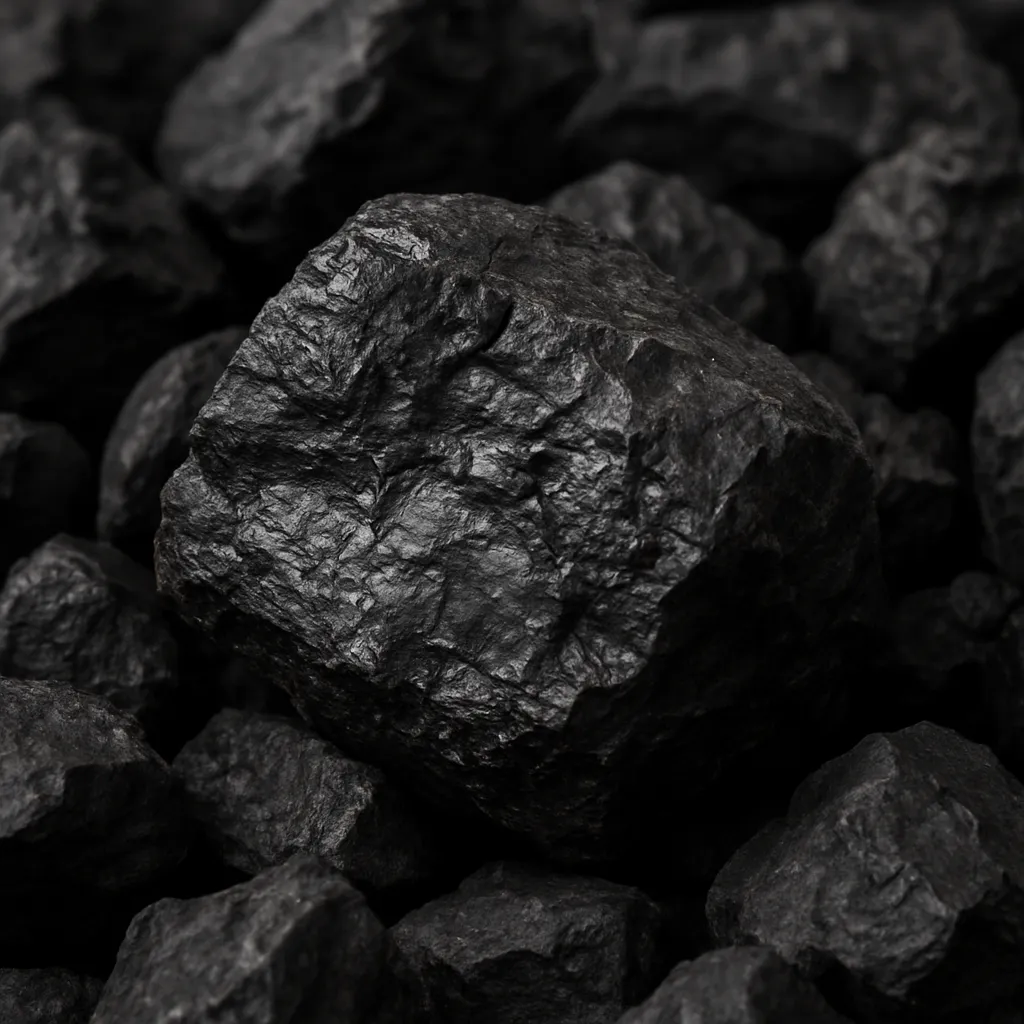
This article explores the complex relationship between coal and the production of silicon metal: where the necessary coal resources are found, how they are mined and processed, the economics and statistics shaping the market, the industrial role of coal as a reductant and energy source, and other technical, environmental and geopolitical factors that make this niche both vital and contested. The following sections present an overview of occurrence and mining, production processes, market data and trends, environmental considerations, and notable regional dynamics.
Occurrence of coal used for silicon metal production and mining regions
Coal used in silicon metal production is not a single standardized commodity; rather, it is a family of carbonaceous materials and derived products including metallurgical coal (coking coal), coal-derived coke, and petroleum coke blended or substituted in different proportions depending on local availability and quality requirements. The key geologic and mining regions for these feedstocks therefore overlap with major coal- and coke-producing areas worldwide.
Primary mining regions for metallurgical coal and coking coal include:
- Australia: Queensland and New South Wales are globally important sources of high-quality metallurgical coal exported across Asia and beyond.
- Russia: major deposits in Siberia and the Far East supply both domestic steel and metallurgical markets and international export customers.
- United States: Appalachian, Illinois Basin, and Powder River Basin coals contribute to domestic metallurgical coke production and exports.
- Colombia: a significant exporter of metallurgical coal to global markets, particularly for Asian smelters.
- China: abundant domestic coal basins in Shanxi, Inner Mongolia, Shaanxi and Heilongjiang provide coal to China’s silicon metal producers—frequently after on-site processing to coke or other carbon forms.
- Brazil and India: both have local coal and coke production supporting regional silicon and ferrosilicon plants.
Within countries that produce silicon metal, operations tend to cluster near areas with either cheap electricity (hydropower in parts of Norway, Brazil, China’s southwest) or access to suitable carbon feedstock. For example, many Chinese silicon metal smelters are located in western provinces (Yunnan, Sichuan, Xinjiang, Inner Mongolia) that combine access to hydropower and regional coal or coke supplies.
How coal is used in silicon metal production: technical and process aspects
The principal industrial method for producing metallurgical-grade silicon metal is the carbothermic reduction of high-purity silica (quartz) in submerged arc furnaces. The simplified chemical reaction is:
SiO2 + 2 C → Si + 2 CO
In practice, the reduction is accomplished in large electric furnaces at very high temperatures (well above 1500–2000°C). Coal-derived materials play two complementary roles:
- Reductant: Carbon from coal, coke or petroleum coke participates directly in the chemical reduction of silica to elemental silicon.
- Structural and thermal function: Coke provides bed permeability and mechanical strength inside the furnace and influences heat balance, electrical conductivity and gas flow. Coal and coke also affect furnace efficiency and electricity consumption.
Quality parameters for coal-based reductants vary, but industry preferences often include: high fixed carbon content, low moisture, low ash (to minimize contamination and slagging), and low sulfur and low chlorine levels (to avoid silicon contamination and environmental emissions). Typical specifications for carbon materials used in silicon metal and ferrosilicon production might target ash contents under 10–12% and sulfur values under 0.5% for higher-grade applications, though actual values depend on blending and post-processing.
In many furnaces a blend of coke (produced by carbonizing coking coal), petroleum coke and raw or calcined coal is used. Petroleum coke offers very high fixed carbon but can contain elevated sulfur and vanadium, requiring blending or desulfurization when low impurity silicon is desired. Charcoal and biochar are used in niche or small-scale furnaces where very low impurity carbon is needed and when biomass resources are abundant.
Economic and statistical overview
The global silicon metal industry is energy- and carbon-intensive. While exact figures shift annually with demand cycles, industry reports and trade data for the early- to mid-2020s indicate the following broad patterns:
- Global production of metallurgical-grade silicon metal is commonly estimated in the range of roughly 5–8 million tonnes per year. Production figures vary by year due to demand in aluminium alloying, silicones and evolving polysilicon supply chains.
- China is by far the largest producer, accounting for an estimated 60–80% of global output in recent years. This dominant position reflects China’s low-cost electricity in many regions, extensive industrial base, and ready access to coal feedstocks and alternative carbon sources.
- Other significant producers include Norway, Brazil, Russia and the United States, but each represents a much smaller share than China. Norway and Brazil are notable for their energy advantages (hydropower) and integrated smelters.
- Global trade flows are sizable: China exports a substantial portion of its silicon metal to the European Union, India, Japan, and Southeast Asia, while countries with limited domestic output import silicon for alloying and chemical processing.
- The price of silicon metal is sensitive to electricity costs, availability and price of carbon reductants (coal, coke, petroleum coke), trade policies, and downstream demand from the aluminium and chemical sectors. Periods of tight supply or rising energy costs can cause sharp price movements.
From an input perspective, the cost of carbon feedstock is a non-trivial share of total production expense. For facilities that rely on coal and coke purchased on the market, fluctuations in global metallurgical coal prices—driven by shipping costs, regional supply disruptions, or mine closures—translate into higher silicon production costs. When petroleum coke is used, oil price dynamics and downstream refinery economics play a role.
Employment and regional development impacts are also significant in mining areas. Coal mining communities supporting metallurgical industries can benefit from jobs, infrastructure and tax revenue, but are simultaneously exposed to commodity volatility and phasedown risks from environmental policies.
Industrial importance and downstream uses of silicon metal
Silicon metal is a foundational industrial material with several key end-uses that sustain demand for coal-derived reductants:
- Aluminium alloys: Silicon is a common alloying element in aluminium—improving castability, strength and weldability. The aluminium industry consumes a steady share of silicon metal production.
- Silicones and chemical industry: High-purity silicon is a precursor to silanes and organosilicon compounds used in sealants, adhesives, lubricants, and specialty chemicals. Upgrading metallurgical silicon to chemical-grade or electronic-grade silicon involves further purification.
- Polysilicon and photovoltaics: While the solar industry uses electronic- or polysilicon (ultra-high-purity), metallurgical silicon can be an intermediate feedstock in multi-step purification routes. Growth in solar capacity has increased interest in feedstock supply chains, indirectly affecting demand dynamics for metallurgical silicon.
- Ferrosilicon and foundry uses: Silicon is a component in ferrosilicon alloys used in steelmaking and foundry applications; silicon metal itself is also used directly in some metallurgical contexts.
Because silicon metal is used across multiple sectors, trends—such as expansion of solar manufacturing, increased demand for advanced aluminium in automotive lightweighting, or a slowdown in chemical demand—can each affect overall market balance and thus the coal inputs required.
Environmental, regulatory and technological considerations
Coal’s role in silicon metal production brings several environmental and regulatory challenges:
- Greenhouse gas emissions: The carbothermic process produces CO and CO2 as byproducts—meaning significant direct carbon dioxide emissions per tonne of silicon produced. In addition, electricity consumption often contributes to indirect emissions depending on the power mix. These emissions are an increasing focus of regulators and customers seeking lower-carbon supply chains.
- Air quality and pollutants: Fugitive dust, particulate matter, fluorides and sulfur compounds may be emitted from furnaces and upstream coal processing. Strict pollution controls and gas scrubbing systems are often required to meet national standards.
- Impurities and product quality: Coal-derived reductants can introduce impurities (sulfur, chlorine, phosphorus, heavy metals) into silicon metal. Process controls, blending strategies and the selection of low-impurity carbon feedstocks are essential for producing high-purity silicon for chemical and electronic use.
- Regulatory tightening and energy policy: Regions that pursue decarbonization can raise electricity prices, restrict coal use, or impose carbon pricing that affects the competitiveness of coal-based silicon production. Conversely, regions with abundant renewable electricity (e.g., hydropower in Norway and parts of Brazil) maintain a cost advantage for low-carbon silicon metal production.
Technological innovations addressing these challenges include:
- Improvements in furnace design that lower specific electrical energy consumption and increase carbon utilization efficiency.
- Greater use of low-impurity carbon sources—such as calcined petroleum coke or biomass-derived carbon—either alone or blended with coal/coke to reduce sulfur and chlorine inputs.
- Research into electrochemical and hydrogen-assisted reduction pathways that could reduce direct CO2 emissions, though commercial-scale alternatives remain limited compared with conventional carbothermic methods.
- Advanced gas capture and treatment systems to control fluorides and particulates and to recover some carbon monoxide emissions for energy reuse when feasible.
Regional case studies and supply-chain dynamics
China
China’s dominance of silicon metal production is linked to several structural factors: abundant domestic coal resources, large-scale electric furnace capacity, and extensive downstream manufacturing for aluminium, silicones and chemicals. Many Chinese plants operate in regions with hydropower, reducing electricity costs, or near coalfields to lower feedstock transport costs. Environmental inspections and energy policies in China have periodically curtailed production in certain regions, demonstrating how national policy directly affects global supply and thus the coal used for reduction.
Norway and Brazil
Smelters in Norway and Brazil benefit from cheap, reliable hydropower and often position themselves as producers of lower-carbon silicon metal. Coal inputs in these regions are managed through imports of coke or petroleum coke where needed, but the electricity advantage helps offset coal-related costs and reduces overall CO2 intensity per tonne of silicon produced.
Australia and coal exports
While Australia is not a major silicon metal producer on par with China, it is a critical supplier of high-grade metallurgical coal to global markets. Australian coking coal and metallurgical coal exports feed steel and specialty metallurgical production in Asia and occasionally support silicon and ferrosilicon industries where coke is required.
Future trends and market drivers
Several intersecting trends will shape the demand for coal in silicon metal production over the coming decade:
- Decarbonization pressure: Buyer and regulatory pressure to reduce lifecycle emissions may incentivize producers to shift to lower-carbon electricity sources, adopt cleaner carbon reductants, or develop alternative reduction technologies. Facilities that can demonstrate lower CO2 per tonne of silicon are likely to gain market advantage.
- Energy and feedstock prices: Volatility in coal, coke and petroleum coke prices will continue to influence production economics. Regions with stable, low-cost electricity and access to low-impurity carbon will remain competitive.
- Downstream demand growth: Expansion in aluminum alloying for transport and construction, as well as continued use of silicones in industrial and consumer products, will sustain baseline demand for silicon metal. Polysilicon and photovoltaic industry growth may indirectly affect demand and pricing dynamics.
- Supply concentration and trade policy: Heavy reliance on a single producing country creates vulnerability to trade restrictions, export policy changes, or domestic environmental regulation—factors that can rapidly alter global supplies and coal sourcing patterns.
Interesting technical and historical notes
- Historically, charcoal and wood-based reductants were used to produce early forms of silicon and ferrosilicon. The shift to coal and coke paralleled industrialization and the development of large electric furnaces.
- Although the core chemistry is simple, achieving high-purity silicon requires meticulous control of feedstock composition, furnace atmosphere, and cooling regimes. Trace elements introduced from coal can influence downstream chemical processing.
- The same basic carbothermic reaction is used in ferroalloy production (ferrosilicon, ferromanganese), meaning that competition for high-grade carbon feedstocks can occur between different metallurgical sectors.
- Carbon utilization efficiency—the fraction of carbon that actually reduces silica versus that lost as CO/CO2—is an important metric. Technological improvements focus on maximizing this efficiency to reduce coal consumption and emissions.
Concluding perspective
Coal and coal-derived carbon materials remain central to the bulk production of metallurgical-grade silicon metal because of their chemical role as reductants and their physical properties inside submerged arc furnaces. The industry is characterized by geographic concentration (notably China), sensitivity to energy and commodity prices, and mounting environmental pressures that incentivize efficiency and substitution. Over the next decade, the interplay between technological innovation, regional energy advantages, and climate policy will determine how rapidly coal’s role in silicon production evolves. For now, coal is not merely a fuel in this sector—it is an industrial reagent whose availability, quality and price materially influence silicon metal supply, cost, and environmental footprint.