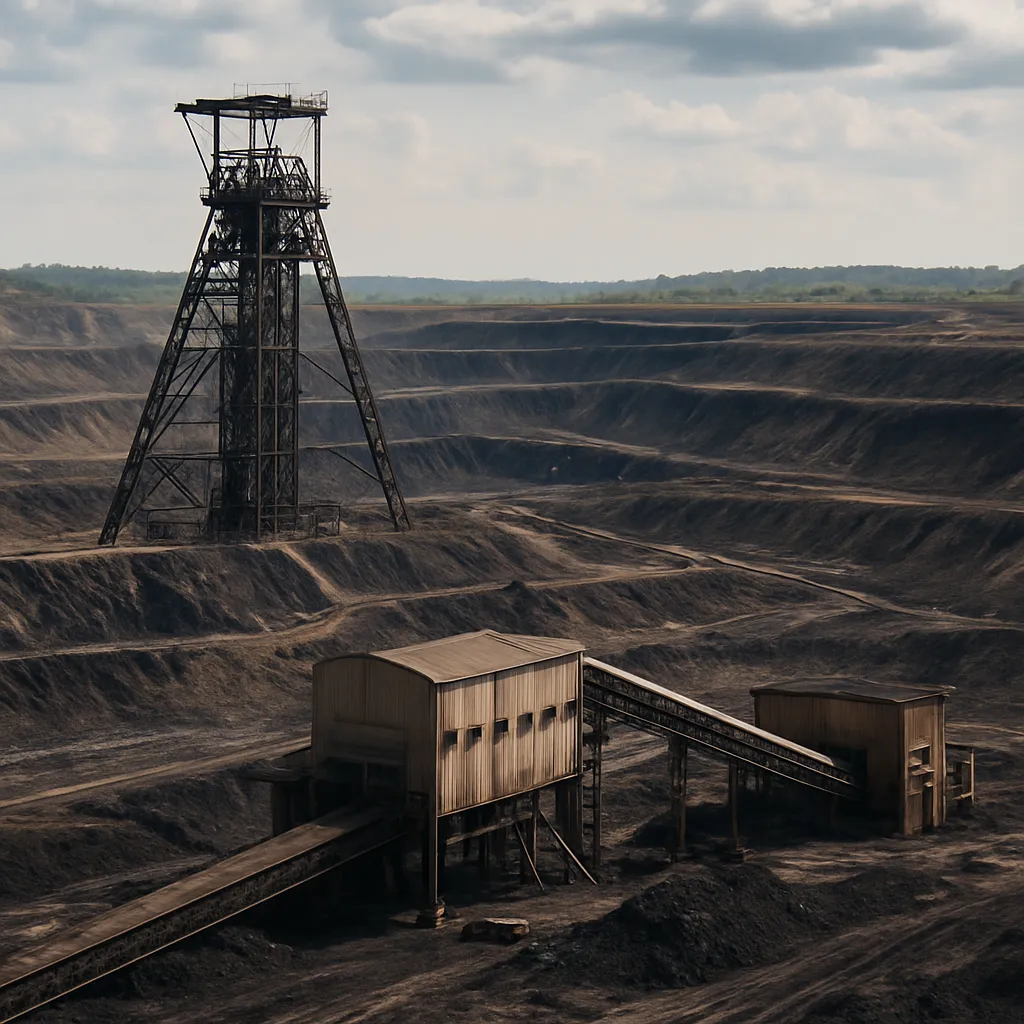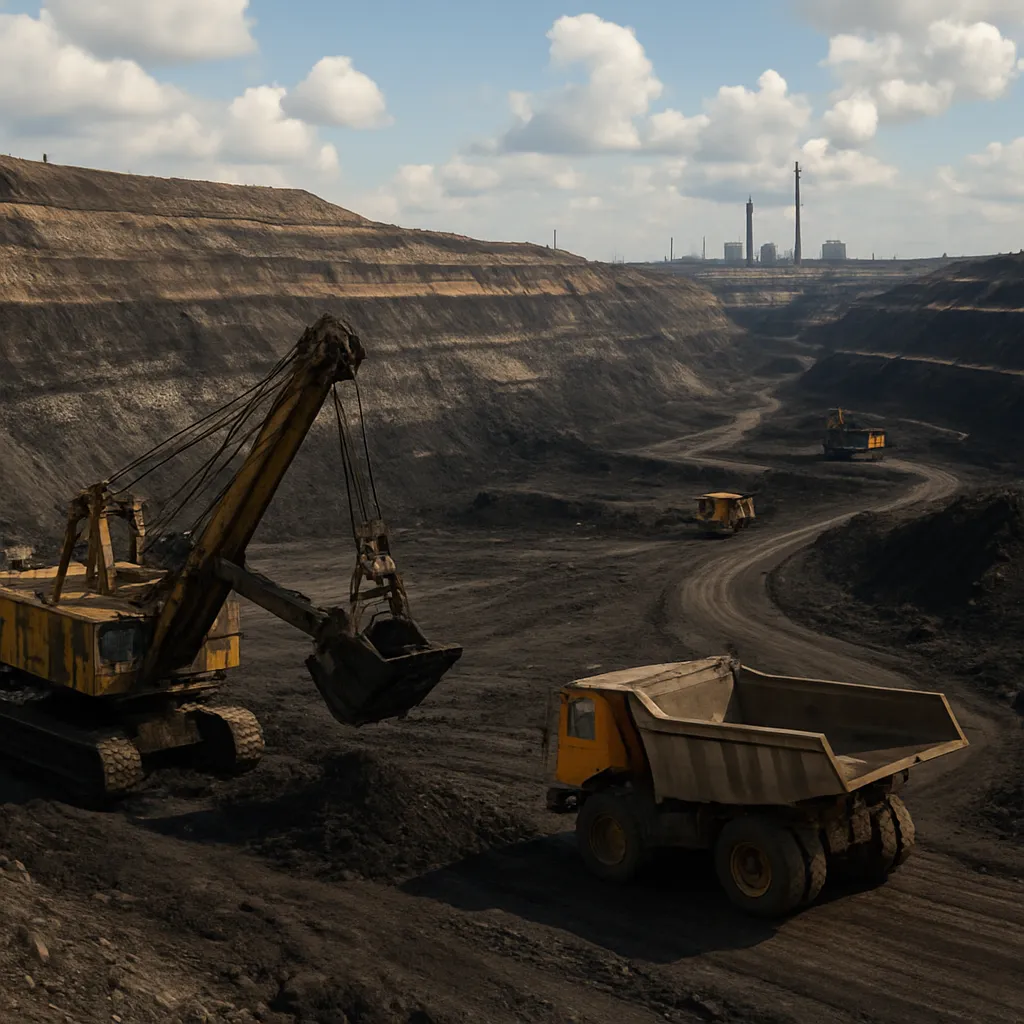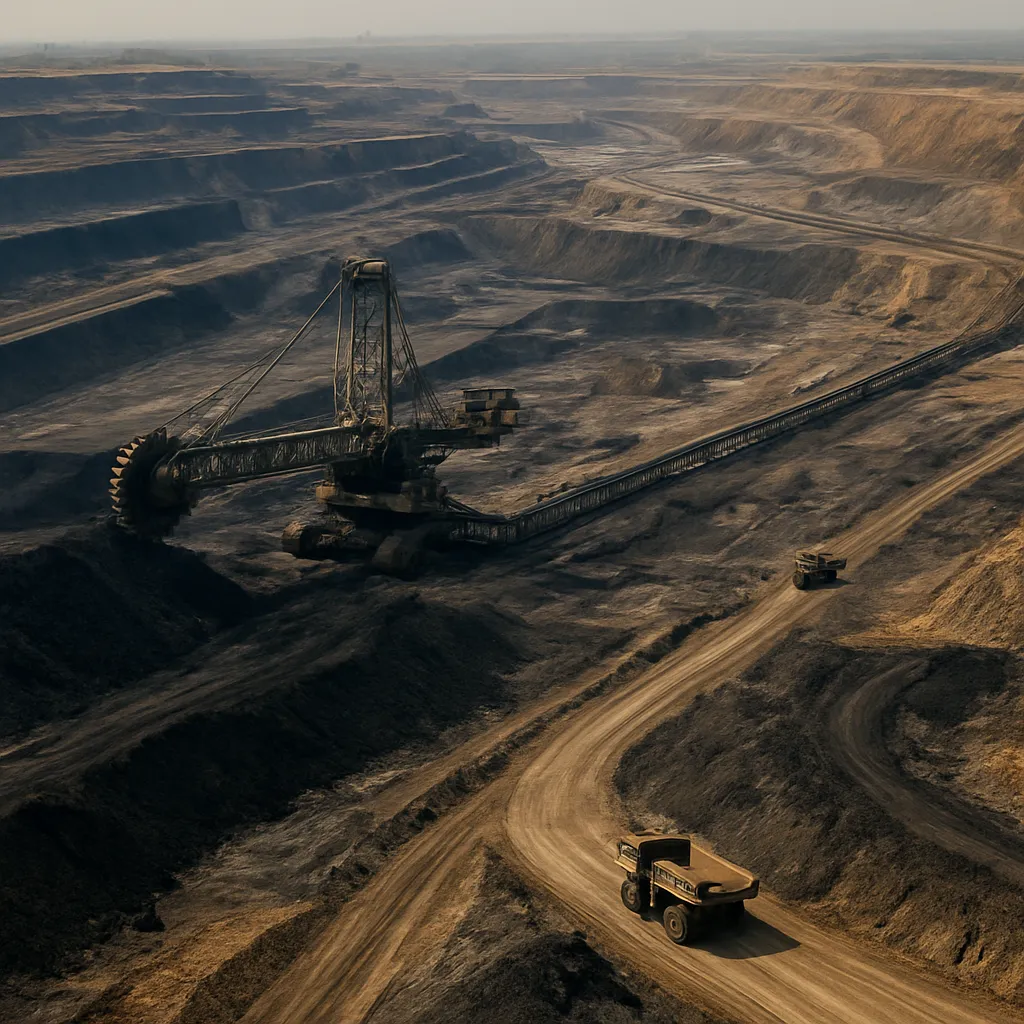
The Gevra Expansion Project is one of India’s most prominent coal mining undertakings, located in the Korba coalfield of Chhattisgarh. Operated under the aegis of one of the country’s major coal-producing entities, the project centers on large-scale opencast extraction of mostly thermal coal used primarily for power generation and heavy industry. This article outlines the mine’s location and geology, production and operational features, economic significance, environmental and social implications, and prospects and challenges for the future. It also offers statistical context where available and highlights technical and policy aspects that make Gevra a strategic asset in India’s energy landscape.
Location, geological setting and coal characteristics
Gevra mine is situated in the Korba district of central India, in the state of Chhattisgarh. Korba is one of India’s most important coal-bearing regions and hosts several major mines and thermal power plants. Gevra lies within the extensive Gondwana coal-bearing sediments that dominate central and eastern India.
The coal extracted at Gevra is predominantly non-coking (thermal) coal suitable for electricity generation and certain industrial uses. Indian Gondwana coals typically have higher ash content and varying moisture levels compared with many international coals. At Gevra, the coal quality is consistent with thermal grades used by regional power stations: calorific value ranges and ash content tend to be moderate to high by global standards, which affects combustion efficiency and emission characteristics in power plants.
The mine exploits thick, laterally extensive seams typical of open-cast operations in the region, allowing mechanized large-scale extraction. The geology favors opencast methods because of shallow depth and continuous seam geometry, enabling relatively high productivity per unit of workforce and equipment.
Operational capacity, production and the Expansion Project
Gevra began as one of the significant opencast operations developed to meet rising domestic demand for coal-fired power. Over time, expansion initiatives have increased its annual dispatch and extraction capacities. The term “Gevra Expansion Project” refers to a series of sanctioned capacity augmentations and modernization measures designed to lift annual production, optimize overburden handling, and improve transport logistics.
Production profile and capacity
- Gevra has been ranked among the largest single opencast mines in India in terms of physical output and scale of operations. Its annual output has historically placed it among the leading contributors to regional coal supplies.
- Expansion projects have typically focused on increasing annual rated capacity, improving mining equipment fleets (shovels, dumpers, drills), and enhancing coal handling and loading infrastructure.
- Production figures for such large mines vary year-to-year depending on policy, market demand, and operational issues; in the past decade Gevra has recorded tens of millions of tonnes of coal production annually.
Note: specific annual production numbers fluctuate; estimates often place Gevra’s peak outputs in the multiple tens of million tonnes per year range, making it a cornerstone mine for its operator and for regional power supply chains.
Infrastructure and logistics
Large opencast mines like Gevra rely on integrated infrastructure: internal haul roads, overburden management systems (dumping and reclamation), conveyance and stockyards, and direct or rail-linked transport to power stations and end-users. The Expansion Project typically includes upgrades to coal handling, rail loading facilities, and power-supply integration to ensure steady dispatch and reduce bottlenecks.
Economic and industrial significance
Gevra’s importance stretches beyond sheer tonnage. The mine is crucial to regional power plants, local industry, and to the national energy mix. Several aspects underline its economic role:
- Power security: Coal from Gevra feeds thermal power stations nearby, ensuring base-load electricity generation for the region and contributing to state and national grids.
- Regional employment: Large mining operations generate direct jobs (miners, engineers, fleet operators) and indirect employment across logistics, maintenance, services, and supply chains.
- Fiscal contributions: Royalties, taxes, and levies from major mines are important revenue streams for state and central governments. Revenues also fund local development initiatives in mining districts.
- Industrial input: Besides power, coal can serve cement, steel, and other industries—particularly where washed or blended thermal coal meets their feedstock requirements.
Because India remains heavily dependent on coal for electricity, high-capacity mines such as Gevra are strategically important to meeting short- and medium-term energy needs. They also underpin industrial competitiveness by providing relatively secure domestic fuel supplies, reducing immediate reliance on imports.
Employment, social impacts and community relations
Major mining complexes typically formulate extensive community engagement and social responsibility programs. Gevra’s operations affect local communities through employment and infrastructural development, but also through displacement, land-use change, and environmental impacts.
- Employment: The mine provides jobs both directly and indirectly; training programs and skill-development initiatives are often part of corporate social responsibility (CSR) efforts.
- Resettlement and rehabilitation: Large expansions occasionally require land acquisition and resettlement. Operators typically undertake rehabilitation programs, though challenges persist in achieving timely and equitable outcomes.
- Community programs: Investments in healthcare, education, roads, and water supply are common features of mining company engagement in mining districts.
Maintaining good community relations is essential for operational continuity; projects like Gevra emphasize local hiring, supplier development and targeted social projects to support long-term coexistence with adjacent communities.
Environmental considerations and mitigation
Opencast coal mining is resource-intensive and has significant environmental footprints. Key concerns for the Gevra Expansion Project include land disturbance, dust and particulate emissions, water usage and quality, biodiversity loss, and greenhouse gas emissions from subsequent coal combustion.
Typical environmental impacts
- Land alteration: Removal of overburden and creation of external dumps transform landforms and require progressive reclamation plans.
- Air quality: Dust from blasting, excavation, and haulage affects local air quality and worker safety. Fugitive emissions from coal stockpiles and handling are also notable.
- Water resources: Excavation affects groundwater regimes and surface drainage; water is used for dust suppression and coal washing, placing demand on local supplies.
- Greenhouse gases: While mining itself emits CO2 and methane, the dominant climate impact derives from combustion of the coal in power stations and industrial boilers.
Mitigation and best practices
Operators typically implement a suite of mitigation measures as part of expansion projects and statutory environmental clearances:
- Progressive reclamation of mined-out areas, including backfilling and revegetation.
- Dust control systems: water sprinklers, covered conveyors, and green belts to reduce particulate dispersion.
- Water management: treatment of mine effluents, controlled use of washery water, and groundwater monitoring.
- Emission controls at end-use plants: improving plant efficiency, use of blended coals, and pollution-control equipment to reduce SOx, NOx and particulates.
- Monitoring programs and environmental impact assessments to comply with regulatory frameworks and international best practices.
Statistical context and broader significance
Gevra must be understood in the context of India’s broader coal sector. India is one of the world’s largest coal producers and consumers; coal supplies a substantial portion of the country’s electricity. In that matrix, a high-capacity opencast mine like Gevra is more than a local asset—it is a component of national energy security and industrial policy.
- National role: Mines of Gevra’s scale help reduce the need for coal imports by providing domestic supply to large thermal power plants.
- Contribution to operator output: For the operating company, Gevra represents a significant portion of its production portfolio and is central to meeting contractual deliveries to power utilities.
- Supply chain integration: The close proximity of large power stations to coal mines in Korba reduces transport costs and transmission losses, enhancing overall system efficiency.
While exact production and reserve numbers vary with reporting years and technical assessments, the mine’s output historically ranks in the higher echelons among single-site productions in India. Expansion efforts are intended to sustain and potentially increase that throughput to meet growing demand.
Technical innovations, efficiency and modernization
As part of expansion, many large mines adopt technological upgrades to boost efficiency and safety. Gevra’s project elements typically include:
- Mechanization: Deployment of large electric shovels, draglines, and high-capacity dumpers to raise productivity per shift.
- Mine planning tools: Modern mine planning software and geological modeling for optimized extraction sequencing and reserve management.
- Coal handling systems: Improved crushing, screening and washing where feasible to enhance coal quality and reduce ash content reaching end-users.
- Safety systems: Improved slope stabilization, real-time monitoring, and training programs to reduce accidents and occupational hazards.
Modernization reduces unit extraction costs, lowers safety risks, and helps align mine operations with stricter environmental and social norms.
Challenges, policy dynamics and future outlook
Gevra’s future, like that of many large coal projects, is shaped by technical, economic, regulatory, and market forces.
- Market demand: Continued dependence of India’s grid on coal in the near to medium term supports demand for large thermal mines. However, growth in renewable energy and policy shifts can affect long-run demand trajectories.
- Environmental regulations: Stricter emissions and mine rehabilitation norms increase compliance costs but also drive technological upgrades and operational improvements.
- Infrastructure constraints: Rail and road logistics and coal linkage policies affect how efficiently production is evacuated to power plants and other customers.
- Social license: Community acceptance and successful rehabilitation initiatives are necessary to avoid delays and conflicts during expansion phases.
Balancing these factors, operators often pursue incremental expansions coupled with efficiency upgrades, improved environmental management and community development. In the medium term, Gevra will likely remain a key thermal coal source even as India pursues ambitious renewable energy targets; in the longer term, the mine’s role will be influenced by national energy transition pathways, carbon policies, and advances in low-emissions technologies such as carbon capture and storage (if deployed at scale).
Interesting facts and broader implications
- Scale: Gevra exemplifies how modern opencast mines can achieve very high single-site outputs, enabling economies of scale.
- Integrated cluster: Korba is an example of a coal-power-industrial cluster where mines, washeries, and power plants are co-located, reducing transport inefficiencies.
- Technological evolution: Over the lifespan of the mine, incremental mechanization and digital tools have transformed productivity and safety outcomes compared to earlier eras of mining.
- Socio-economic engine: Beyond fuel supply, mines like Gevra catalyze regional development through jobs, infrastructure, and public investments.
Gevra’s expansion project is therefore not merely a local mining upgrade; it is a strategic endeavor with tangible consequences for power security, regional development, and the national conversation about energy and environment. Its operation demonstrates the trade-offs inherent in continuing reliance on coal while also illustrating how scale, planning and technology can influence the sustainability of large extractive operations.