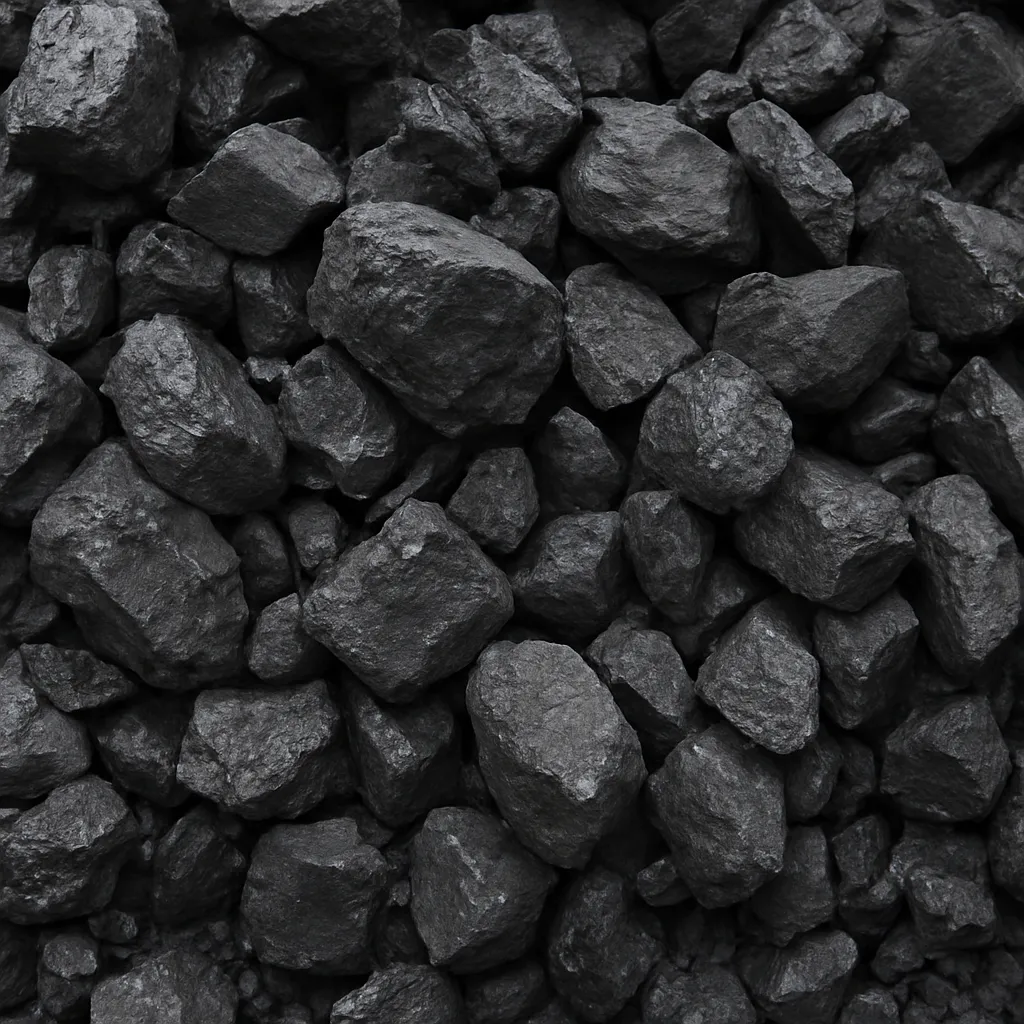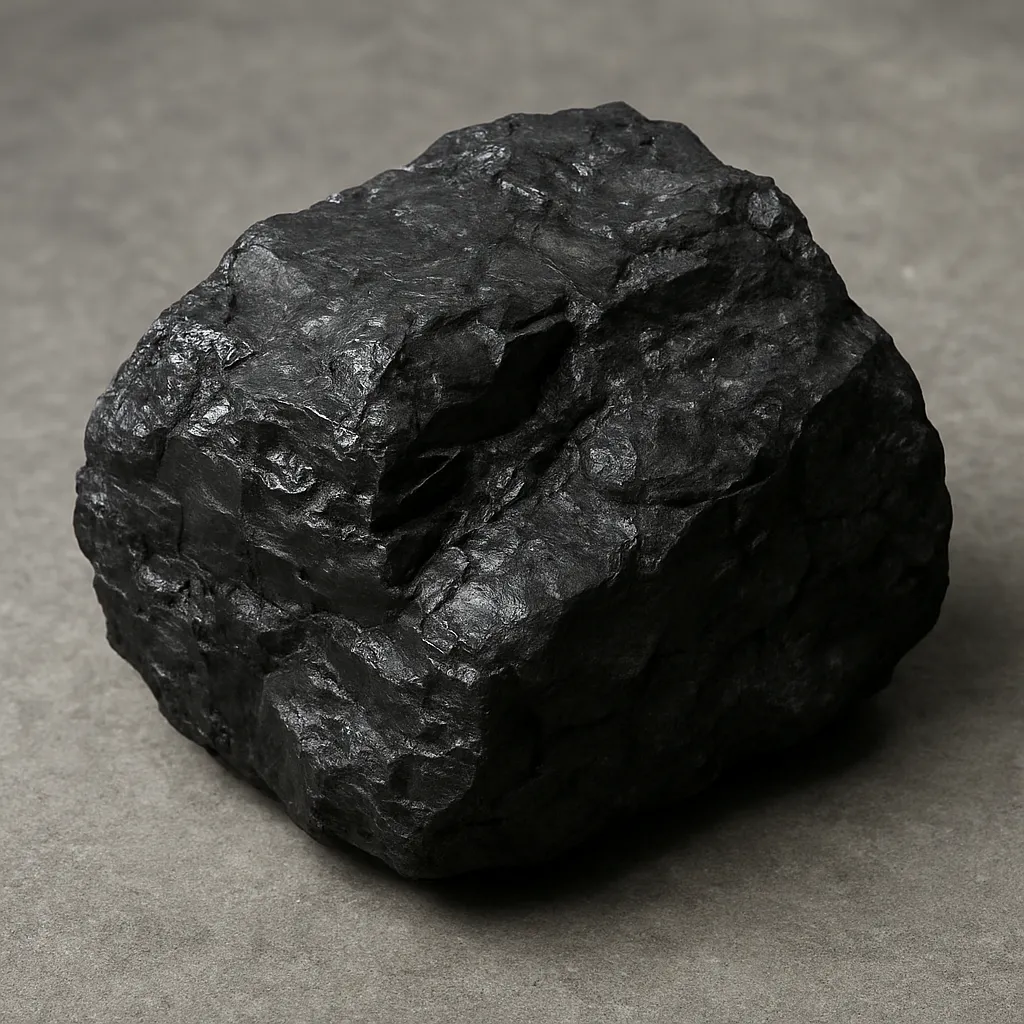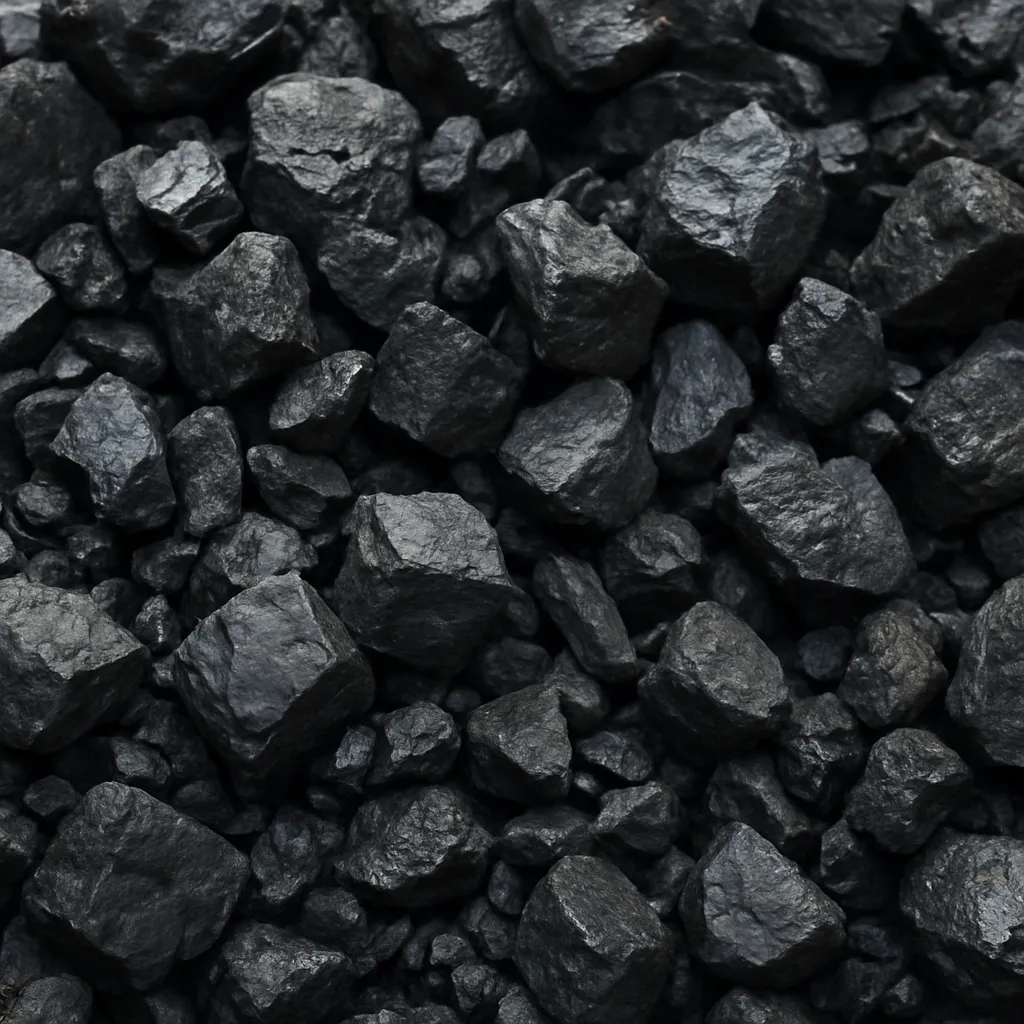
This article explores the phenomenon commonly referred to as secondary coal, examining what the term means in different contexts, where such coal occurs, how it is recovered or mined, and its economic, industrial and environmental significance. The aim is to give a comprehensive, evidence-informed view of secondary coal — including its roles in modern industry, the costs and benefits of its use, and trends shaping its future — while highlighting practical examples and notable innovations.
Definition and types of secondary coal
The phrase secondary coal is used in two related but distinct ways in geology and industry. First, in a geological sense it can describe coal that has been altered or re-deposited by post-formational processes (for example, fragmented seams, reworked carbonaceous material in younger deposits, or coaly layers formed from remobilized organic matter). Second — and more commonly in an industrial context — the term denotes coal that is recovered from mine waste streams, spoil heaps, processing plant rejects, or other by-products of coal production and preparation. This article focuses primarily on the industrial interpretation, since it is the most relevant for mining, economics, and industrial applications.
Industrial secondary coal originates from several sources:
- Mine spoil and colliery tips — material dumped during historical or contemporary mining operations that still contains recoverable coal.
- Coal preparation plant rejects — fines, middlings and under-size material discarded after washing or screening.
- Coal gangue — rock and low-grade carbonaceous material produced during coal extraction.
- Seam dilution and roadway cleanings — coal mixed with rock that can be separated and upgraded.
Key properties that distinguish secondary coal from primary run-of-mine coal include generally lower average calorific value, higher ash and moisture contents, and greater variability in composition. Because of these characteristics, secondary coal requires treatment, blending or specific applications to be economically and environmentally viable.
Occurrence and recovery methods
Secondary coal is geographically widespread wherever significant coal mining has occurred. It can be found in industrialized coalfields across Europe, North America, China, India, Australia and parts of Southeast Asia, Africa and Latin America. Specific occurrence settings include abandoned or active spoil heaps, tailings ponds, reclaimed surface mine benches, and coal-washing plant sludge lagoons.
Where it is commonly recovered
- Europe: Reclamation projects in the United Kingdom, Germany, Poland and the Czech Republic have recovered coal from old tips and integrated it into local energy or industrial uses.
- China: Large volumes of coal gangue are generated by intense coal production; centralized recovery and processing have been promoted as part of waste-utilization policies.
- United States: Recovery focuses on preparation plant fines and refuse from both surface and underground operations; in some regions, mine reclamation projects include commercial recovery.
- India: Several states pursue utilization of washery rejects and mine tailings to supplement local fuel supplies, often for nearby thermal plants or brick kilns.
- Australia and Indonesia: While primary export-grade coal dominates, reclamation of wastes is undertaken in some long-established mines to reduce environmental liabilities and improve on-site fuel supply.
Recovery and processing techniques
Recovering usable fuel from secondary sources requires physical and sometimes chemical processing. Common methods include:
- Screening and size classification to separate usable fractions from coarse waste.
- Washing and float-sink separation to remove high-density mineral matter and upgrade the carbonaceous fraction.
- Fine-coal dewatering and filtration using centrifuges, presses or thermal drying to improve handling and calorific value.
- Briquetting and agglomeration of coal fines with binders, producing a higher-density fuel suitable for combustion or metallurgical use.
- Thermal or chemical conversion (gasification, pyrolysis) for low-grade material that is unsuitable for direct combustion.
These processes can be installed on-site at mines or centralized in regional processing facilities, depending on scale, transport logistics and economic incentives.
Economic and statistical overview
To understand the role of secondary coal, it helps to place it within the broader coal economy. Global primary coal production in recent years has remained in the multi-billion-tonne range annually. Major producers — notably China, India, the United States, Australia and Indonesia — account for the bulk of output. In many producing regions, the generation of secondary coal (waste material and recoverable spoil) represents a potentially valuable but underutilized resource.
Precise global statistics for secondary coal are difficult to compile because reporting systems focus on primary production and because reuse rates vary widely by jurisdiction. However, several general patterns are observable:
- In long-established coalfields, historical spoil heaps and tailings can contain substantial cumulative volumes of recoverable carbon that were not extracted by older technologies.
- At modern large-scale operations, preparation plant rejects and washery fines often amount to a low single-digit percentage of raw coal throughput but can still represent millions of tonnes per facility over time.
- Policy decisions, energy prices and environmental regulations strongly influence the economic viability of recovering secondary coal.
Representative figures and trends (approximate and subject to variation by source and year):
- Global primary coal production: on the order of 7–8 billion tonnes per year in recent pre- and post-pandemic years (aggregate figure; year-to-year fluctuations occur).
- China as the largest producer: roughly half of global production, with national output on the order of several billion tonnes annually.
- Secondary-coal contribution: in most countries the direct contribution of reclaimed or secondary coal to national coal supplies is small relative to primary production, but locally it can be significant for specific users or communities.
Because secondary coal often has lower calorific value and higher mineral content, it is typically valued less per tonne than higher-grade primary coal; but in regions where fuel supply is tight or transport distances are short, secondary coal can be competitively priced.
Industrial uses and significance
Secondary coal finds applications in a range of industrial processes where quality requirements are lower or where on-site use reduces logistics costs. Typical uses include:
- Thermal power generation: blended with primary coal in plants that accept higher ash and moisture content, or used in dedicated boilers modified for low-grade fuels.
- Industrial heat and kilns: cement and brick manufacturing often accept lower-grade coal or beneficiated coal-gangue blends.
- Briquetted fuels: fines and slurry can be bound into briquettes suitable for industrial and domestic combustion where emission controls exist.
- Gasification and chemical feedstocks: low-quality carbonaceous material can be converted into syngas for power, chemicals or liquid fuels in gasification plants.
- Metallurgical blending: in limited cases, upgraded rejects can be blended into coking blends if quality can be assured through treatment.
The industrial significance of secondary coal is therefore multifaceted. It can:
- Provide a low-cost fuel supplement to offset purchases of higher-priced coal.
- Reduce waste volumes and environmental liability associated with spoil heaps and tailings.
- Create local employment and industrial activity through reclamation and processing operations.
- Support circular economy objectives by turning waste into a resource.
Environmental, regulatory and market considerations
Using secondary coal presents environmental trade-offs. On the positive side, recovery reduces the area and volume of unstable or erosion-prone spoil heaps, decreases spontaneous combustion risks, and diverts waste from long-term liability. On the negative side, secondary coal often carries higher concentrations of ash, sulfur, mercury and other trace elements which can increase emissions, particulate discharges and the potential for hazardous leachate if not properly managed.
Important regulatory and market factors include:
- Emissions controls: stricter air standards can limit the attractiveness of lower-grade fuels unless emissions are mitigated by cleaning, blending or abatement technologies.
- Waste disposal rules: tighter restrictions on mine waste and tailings encourage reclamation and reuse, creating incentives for secondary-coal recovery.
- Carbon pricing and climate policy: as jurisdictions apply carbon costs, the comparative economics of burning lower-efficiency secondary coal vs. higher-efficiency options change; conversion technologies with carbon capture may alter the picture.
- Local demand and transport: short transport distances and proximity to industrial users increase the feasibility of secondary coal projects.
Technological innovations and value-adding processes
A number of technologies improve the quality and utility of secondary coal and expand its market:
- Advanced beneficiation: improved flotation, dense-medium separation and froth technologies can upgrade fine coal to a commercially acceptable product.
- Drying and dewatering: thermal drying and novel mechanical dewatering reduce moisture and improve calorific value and handling.
- Briquetting and pelletization: these processes convert fines into uniform, transportable fuel products with predictably lower dust emissions.
- Co-processing with biomass: blending coal fines with biomass or waste-derived binders can lower net carbon intensity and create composite fuels.
- Thermochemical conversion: gasification and pyrolysis offer pathways to convert low-grade material into higher-value gaseous or liquid products, particularly when integrated with carbon capture.
Case studies and regional practices
Several illustrative examples demonstrate how secondary coal is exploited and incorporated into local economies:
- China: Large-scale generation of coal gangue historically created major environmental problems. Government programs and incentives have driven increased utilization of gangue for brick production, road construction and as feedstock for power generation or gasification. This has reduced the footprint of waste piles in many regions and created industrial supply chains dedicated to waste utilization.
- United Kingdom and Germany: Post-mining landscapes have been the subject of reclamation programs that both stabilize spoil and recover usable coal for local industry. Some restoration projects have combined ecological rehabilitation with commercial recovery operations.
- India: Washery rejects and fines have been used locally in brick kilns and small industrial boilers, although environmental controls and variability of quality remain a challenge.
- United States: In some Appalachian regions and the Powder River Basin, reprocessing of fines and recovery from refuse banks occurs where economics and proximity to users make it attractive.
Opportunities, challenges and future outlook
Opportunities:
- Economic valorization of waste: Recovering secondary coal turns a liability into a revenue stream, especially where transportation costs are low and local demand is strong.
- Employment and community benefits: Reclamation projects can provide jobs, rehabilitate landscapes and reduce long-term maintenance costs for mining companies and governments.
- Technology-driven value addition: Mature beneficiation and conversion technologies increase the range of possible end-uses and improve environmental performance.
Challenges:
- Quality variability: Inconsistent calorific value, high ash and contaminants complicate blending and combustion, and increase costs for pollution control.
- Regulatory hurdles: Stricter air and water regulations can reduce the attractiveness of using low-grade fuels unless mitigation measures are adopted.
- Market competition: Low natural-gas prices, renewable energy deployment and international coal market dynamics influence demand for low-grade coal products.
Outlook:
The future role of secondary coal will be shaped by a combination of local energy economics, environmental regulations and the availability of upgrading technologies. In regions where coal remains a substantial part of the energy mix and where legacy waste piles exist, secondary coal is likely to remain an important transitional resource — especially as nations pursue circular-economy goals and mine-site rehabilitation. In parallel, advanced conversion and emissions-control technologies could open new high-value pathways (e.g., integrated gasification combined cycle with carbon capture or chemical feedstocks), increasing the potential role of secondary coal in a lower-carbon industrial landscape.
Practical recommendations for policymakers and industry
For policymakers:
- Encourage pilot projects that demonstrate safe and economically viable recovery pathways for waste coal, paired with strict environmental safeguards.
- Design incentives or regulatory frameworks that make reclamation attractive while ensuring emissions and water impacts are controlled.
- Support research into beneficiation, briquetting and conversion technologies tailored to local secondary-coal characteristics.
For industry:
- Conduct thorough characterization of spoil and reject materials to determine the most suitable upgrade and end-use routes.
- Consider partnerships with local industries (cement, brick, power) to secure demand and reduce transport costs.
- Invest in modular processing units (washing, dewatering, briquetting) that can be scaled and deployed near sources of secondary coal.
Secondary coal represents a complex intersection of resource recovery, industrial need and environmental responsibility. While it cannot substitute for high-quality primary coals in all applications, it provides meaningful opportunities in specific markets and geographies. With appropriate technology, regulation and market design, secondary coal can contribute to reduced waste, local economic activity, and more resilient fuel supply chains — provided its environmental impacts are effectively managed.