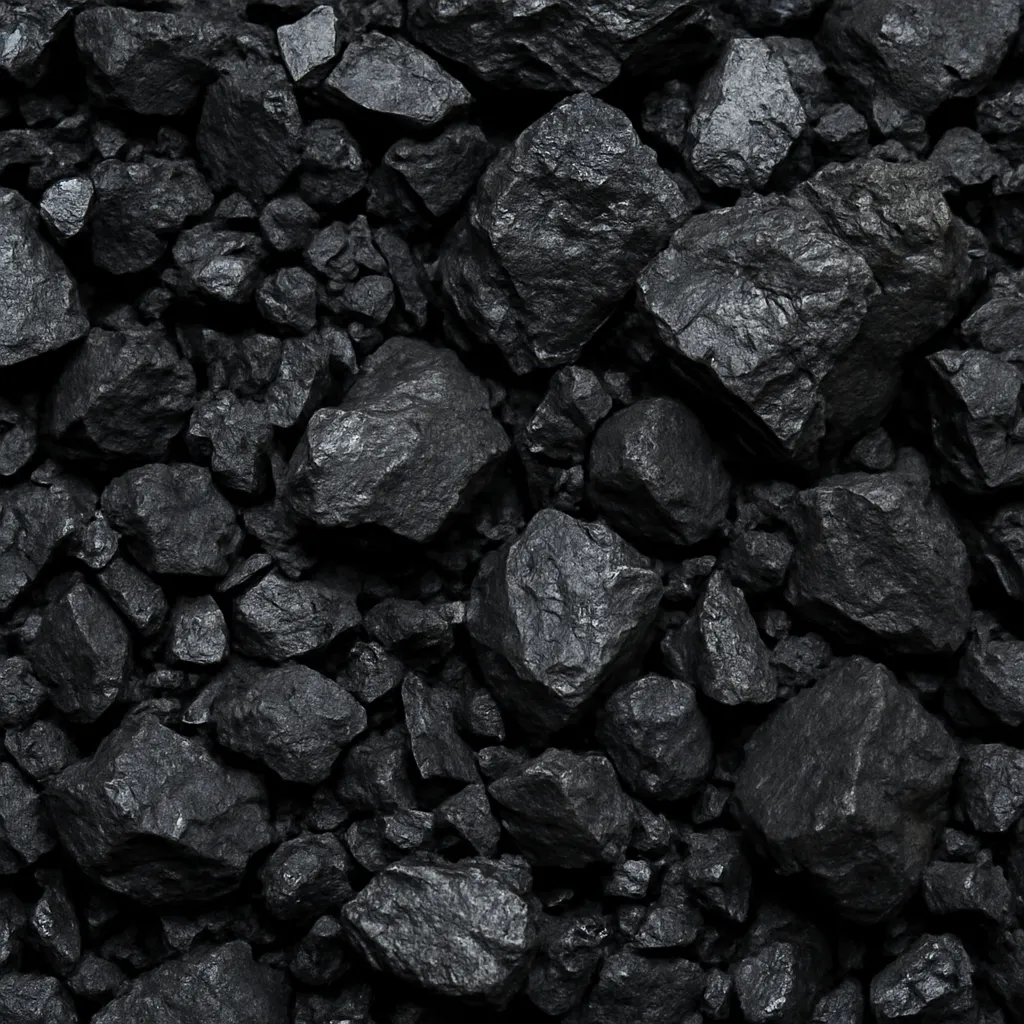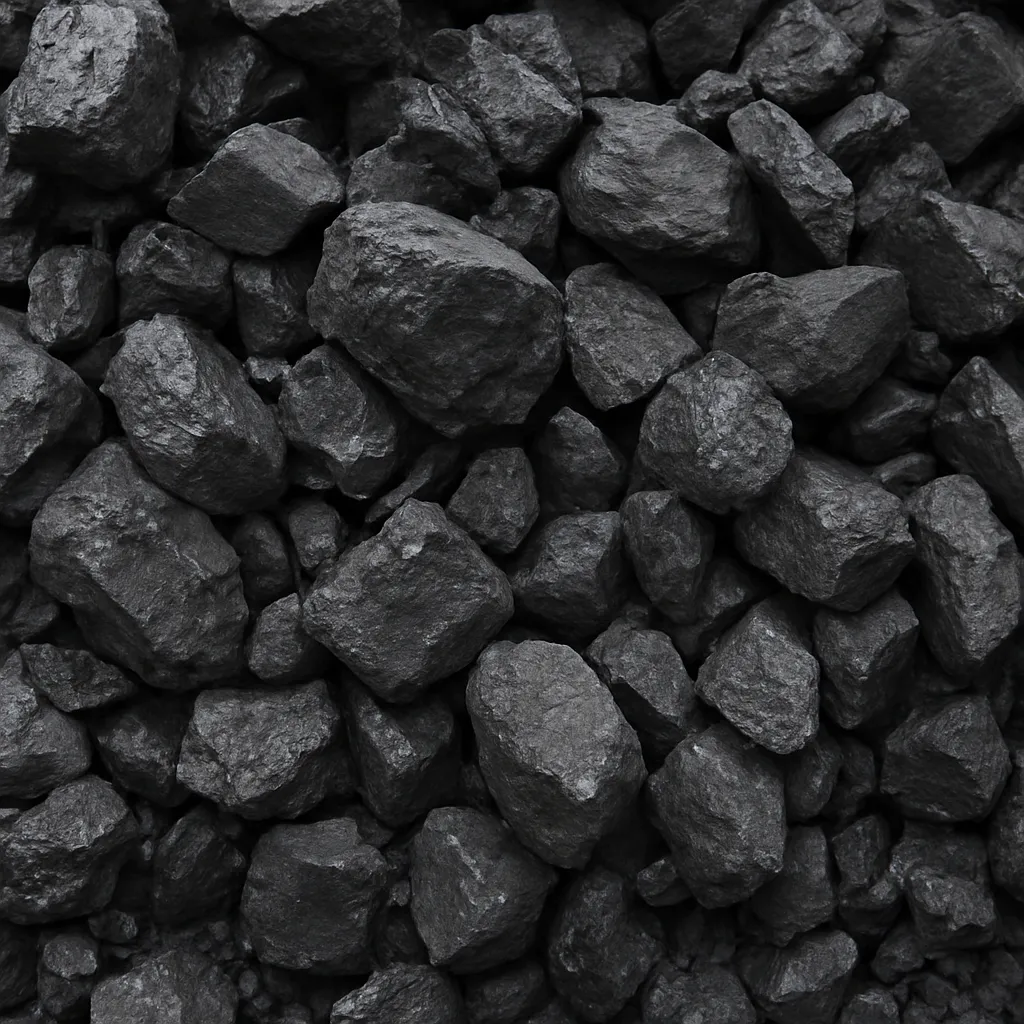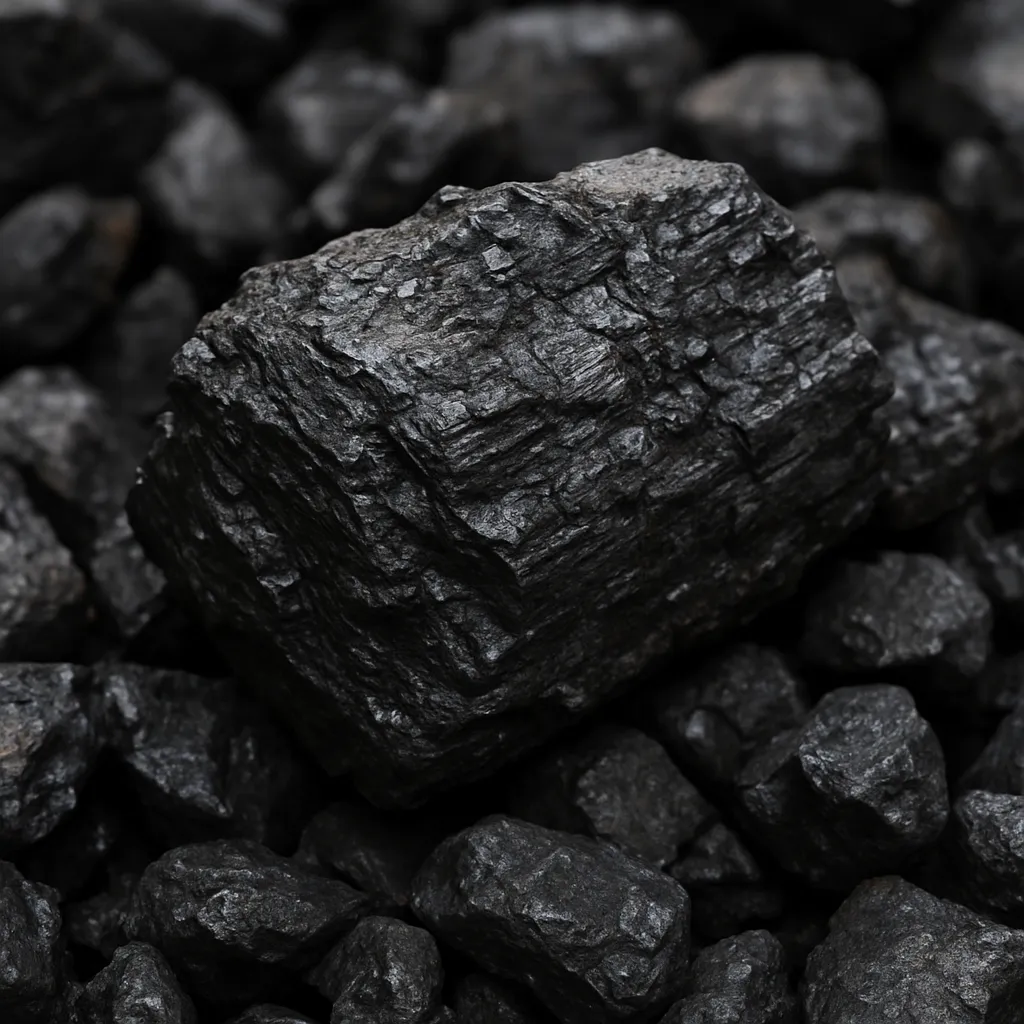
This article examines the geological, economic and industrial aspects of reworked coal — an intriguing category of coal that has been transported, eroded, oxidized or otherwise altered after initial formation. Reworked coal differs from in-situ seam coal in origin, texture, and often in quality, with implications for how it is mined, processed and used. Below you will find a detailed overview of formation processes, global occurrence, mining and market relevance, environmental and technical challenges, and future perspectives. The discussion draws on general industry and geological knowledge, and includes statistical context where widely recognized figures exist.
Definition, formation and types
Reworked coal refers to coal material that has been removed from its original depositional position and subsequently transported, re-deposited or altered by physical, chemical or biological processes. Unlike an intact, in-situ coal seam that accumulated and was buried in place over millions of years, reworked coal may have experienced one or more cycles of erosion, transport (by rivers, waves, wind, glacial action), exposure to the atmosphere, partial oxidation, and redeposition in younger sediments.
Key processes and features include:
- Physical transport and sorting in fluvial, deltaic or coastal systems, producing fragments, fines and concentrated lenses.
- Surface exposure and oxidation, which can reduce calorific value and increase spontaneous combustion risk.
- Burial and partial coalification following redeposition; often this results in lower rank coal (e.g., lignite to sub-bituminous) or particulate carbon-rich horizons.
- Concentration of inert macerals (inertinite) in some cases, yielding coal with different petrographic composition than the original seam.
Common terms encountered in the literature and mining practice are transported coal, drift coal, redeposited coal and allochthonous coal. Reworked coal can range from coarse wood and coal fragments to fine coal-rich lenses and black shale-like deposits. Because of the varied histories, reworked deposits are heterogeneous — sometimes economically valuable, sometimes marginal.
Where reworked coal occurs and how it is mined
Reworked coal is a global phenomenon and occurs wherever original peat and coal-bearing strata were subject to erosion, transport and redeposition. Typical geological settings are:
- Fluvial and deltaic basins where river systems erode older coal-bearing rocks and deposit coal fragments downstream.
- Coastal and estuarine environments where tidal and wave action sort and concentrate coal material.
- Glaciated terrains where ice and meltwater move and deposit coal detritus.
- Alluvial and colluvial deposits on basin margins, often overlying younger sedimentary units.
Large coal provinces contain pockets of reworked coal as well as intact seams; these reworked occurrences are often associated with basin margins, ancient valleys, and unconformities. Examples can be found across Europe, North America, Asia, Australia and Africa — essentially in any region with a long history of coal formation and subsequent tectonic or climatic activity.
Mining of reworked coal depends on its form and location. If the material is concentrated in near-surface lenses, it may be extracted by opencast or surface mining with relatively low overburden removal. When reworked coal occurs as disseminated fragments within sedimentary sequences, mining may be less economic and extraction may require bulk excavation and substantial beneficiation to upgrade fuel quality. In some coastal or riverine accumulations, hand-collection and small-scale extraction have historically been practiced where larger seams were absent.
Economic and industrial significance
Although reworked coal is often lower rank and quality than primary seam coal, it can still be a meaningful source of energy and raw material, particularly in local or regional contexts. Industrial uses depend on grade (calorific value, ash, moisture, sulphur), but typical end-uses include power generation, briquetting for domestic heating, and sometimes as feedstock for low-grade industrial processes.
Key economic considerations:
- Accessibility: Near-surface reworked lenses can be cheap to extract and thus attractive for local supply, especially where transport costs to alternative fuels are high.
- Processing costs: Lower-quality reworked coal often requires drying, washing or briquetting to meet market specifications, which affects its competitiveness.
- Market segmentation: Reworked coal rarely competes directly with high-quality coking coal for steelmaking, but it may compete in thermal coal markets for electricity and heat.
- Strategic value: In regions with constrained energy security, even low-grade reworked coal can be strategically important for grid stability or as emergency fuel.
On a broader scale, coal (including many coal types but not limited to reworked coal) historically underpinned industrialization. Even today, coal remains a cornerstone fuel in electricity generation and certain industrial processes. In the early 2020s coal provided roughly one quarter of world primary energy and about one third of global electricity generation, though those shares vary by region and have been trending downward in some regions because of climate policy and the expansion of renewables.
Statistical context and global production
Global figures for coal provide necessary context for understanding the niche that reworked coal occupies. In recent years total global coal production has been on the order of several billion tonnes per year. Production is geographically concentrated: large producers include China (the world’s largest producer and consumer), India, the United States, Australia, Indonesia and Russia. Major exporters of thermal coal include Australia, Indonesia, Russia and Colombia, while metallurgical (coking) coal exports come largely from Australia, the United States and Canada.
Proven recoverable coal reserves worldwide exceed the scale of annual production by many decades. Reserve estimates in the public domain commonly report more than one trillion tonnes of demonstrated coal reserves, which implies a long theoretical production horizon at present consumption rates. However, the economic recoverability of reserves depends on market demand, regulatory environment and technological feasibility, so these figures are indicative rather than prescriptive.
It is difficult to isolate global statistics specifically for reworked coal because it is typically aggregated within national coal production statistics or described as part of specific deposit inventories. Nevertheless, reworked coal commonly contributes primarily to local and regional supplies rather than dominating international markets. In many coalfields a significant share of small-scale, marginal or historically exploited coal resources has been of reworked or transported character.
Environmental and technical challenges
Reworked coal poses several environmental and technical issues that are distinct or amplified compared with intact seam coal:
- Higher oxidation and self-heating risk. Because reworked coal is often fragmented and has greater surface area, it oxidizes more readily, which can increase the risk of spontaneous combustion during storage or in spoil heaps.
- Variable quality and contaminants. Reworking processes can concentrate mineral matter, clays and sulphur-bearing materials. These increase ash and pollutant emissions during combustion and complicate beneficiation.
- Acid mine drainage and leachates. Exposed reworked coal and associated gangue can produce acidic runoff and mobilize metals if sulfide minerals are present.
- Uneven seam geometry. Redeposited coal occurs in irregular lenses and pockets, making mechanized mining more difficult and less predictable.
Mitigation strategies include controlled storage and ventilation to prevent self-heating, washing/beneficiation to remove mineral contaminants, and careful mine planning with environmental controls to manage runoff and dust. Reclamation techniques used for other types of mining — progressive rehabilitation, regrading, topsoil replacement and revegetation — apply equally to sites with reworked coal.
Technical utilization, markets and added-value pathways
Although many reworked coal deposits are low-grade, several technical and market pathways can add value or improve usability:
- Washing and physical separation. Gravity separation and fine coal processing can reduce ash and sulphur content, improving calorific value.
- Briquetting and pelletizing. Compaction techniques convert fines and low-rank material into standardized fuels for domestic or industrial boilers.
- Co-firing and blending. Mixing reworked coal with higher-quality coals or biomass can allow its use in power plants while meeting emissions limits.
- Gasification and chemical conversion. In some cases, low-rank coal can be a feedstock for gasification to produce synthesis gas, chemicals or hydrogen when coupled with emissions control.
Each pathway has trade-offs in capital cost, energy balance and environmental footprint. For example, gasification or CCUS (carbon capture, utilization and storage) can mitigate emissions from coal-derived energy but require significant investment.
Scientific and cultural interest
Reworked coal is valuable to geoscientists and paleoecologists. Because it often contains fragmented plant remains and mixed-age material, it serves as a record of erosion episodes, palaeohydrology and landscape evolution. Analysis of macerals, palynology (pollen and spores) and radiometric dating of associated sediments can reconstruct past climates and environments. In some regions, reworked coal deposits are archaeologically and culturally important because historic communities exploited easily accessible surface coal for domestic use and early industry.
Future trends and policy context
The future of reworked coal is tied to broader trends in the energy transition and regional economic conditions. Important factors include:
- Climate policy and decarbonization. As countries implement stricter emissions standards and shift toward low-carbon power systems, the long-term demand for any coal type is challenged. However, transitional energy needs and the pace of change mean coal (including lower-grade supplies) will still play a role for several decades in many regions.
- Technological change. Advances in coal beneficiation, emissions control, carbon capture and hydrogen production could prolong the economic life of some coal resources, including unconventional and reworked deposits.
- Local energy security. In remote or developing regions, accessible reworked coal can remain an important energy source for households and small industries where alternatives are expensive or unavailable.
- Reclamation value. Increased focus on mine rehabilitation and land-use planning can change the economics of recovering reworked coal, especially where extraction is coupled with restoration funding or community development.
Practical advice for stakeholders
For policymakers, mining companies and local communities considering reworked coal resources, practical steps include:
- Comprehensive resource assessment: mapping, sampling and laboratory testing to determine calorific value, ash, moisture, sulphur and trace elements.
- Economic appraisal: include transport and processing costs in project feasibility studies and assess markets for low-rank coal products.
- Environmental baseline and management plans: predict and mitigate acid drainage, dust, spontaneous combustion and biodiversity impacts.
- Explore value-added uses: contact local utilities and industries about possible blending, briquetting or small-scale gasification opportunities.
- Community engagement and reclamation commitments: ensure social license and long-term land restoration funding are addressed before extraction.
Conclusion
Reworked coal is a diverse and globally widespread category of coal that reflects the dynamic interactions between geological processes and human use. While often lower in rank and variable in quality, reworked coal can be economically significant at local and regional scales and presents particular technical and environmental challenges. The resource remains relevant in contexts of energy security and transitional economics, even as the global energy system moves toward decarbonization. Understanding the geological history, potential markets and mitigation strategies is essential for responsibly managing reworked coal resources in the years ahead.