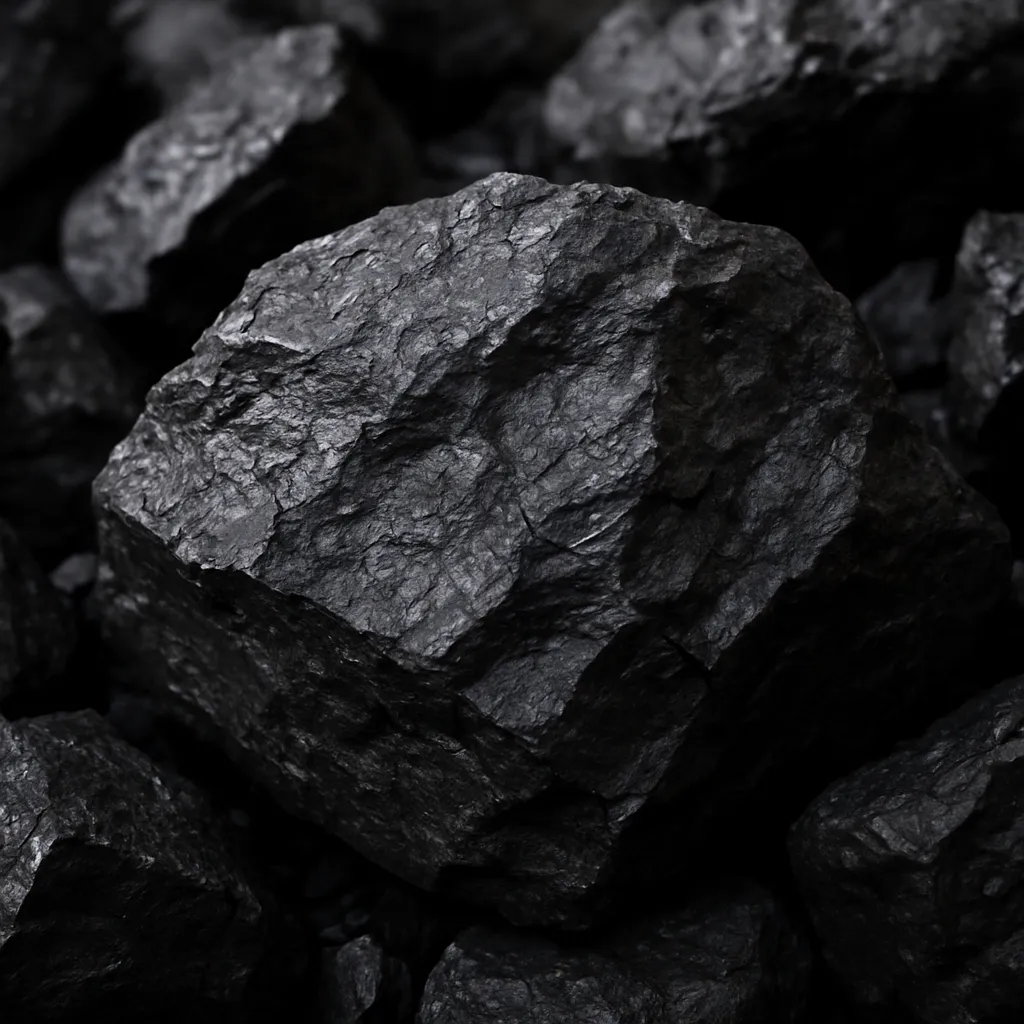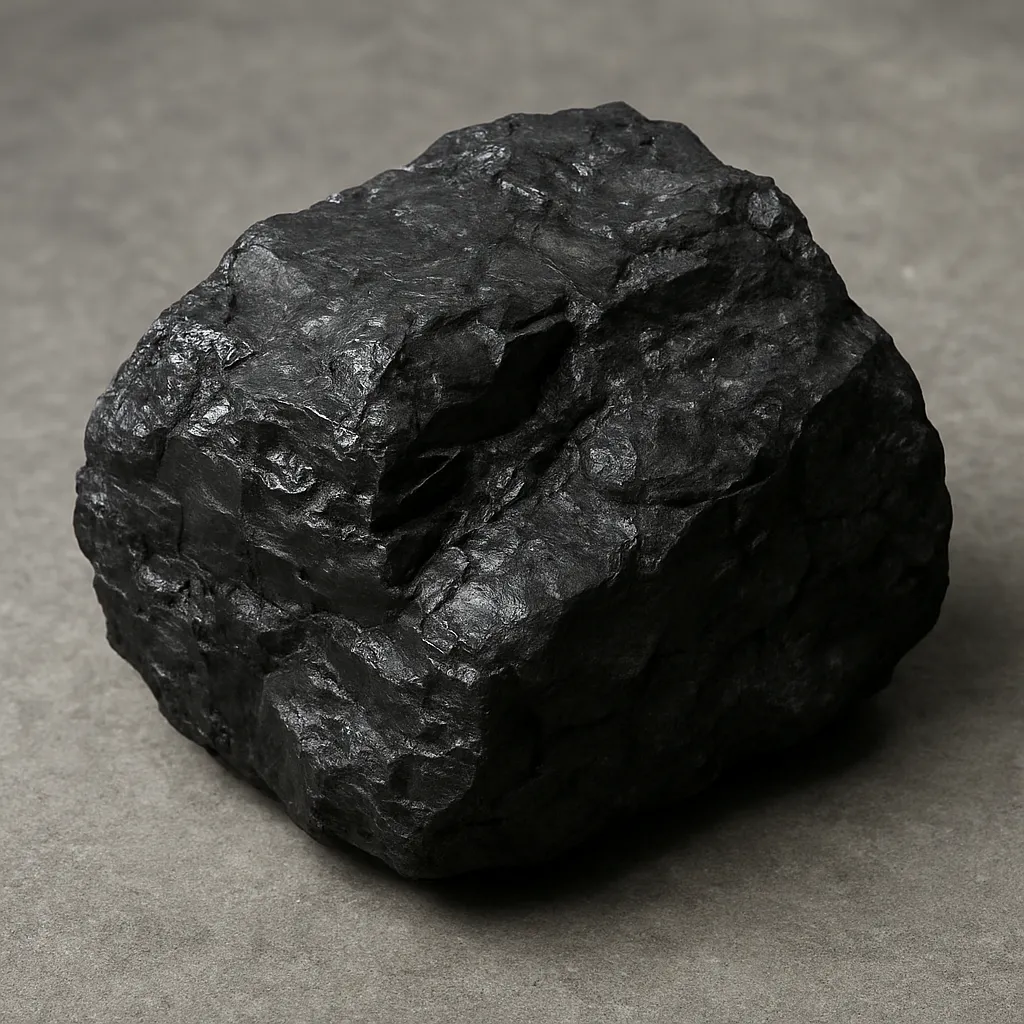
This article explores the characteristics, occurrence, mining, economic significance and industrial applications of ultra-low-nitrogen coal. It describes where such coals are typically found, why they matter for air quality and power generation, how they compare to ordinary coals in combustion and emissions behavior, and what economic and policy drivers shape demand. The aim is to provide a comprehensive, evidence-oriented overview useful for energy professionals, environmental analysts and interested readers.
Occurrence and geological characteristics
Coal’s chemical composition varies widely depending on botanical precursors, peatification, burial history and thermal maturation. Nitrogen in coal occurs primarily as organic-N, bound in heterocyclic structures (pyrrolic, pyridinic and other nitrogenous functional groups), and to a much lesser extent as inorganic forms. Nitrogen content in coals worldwide typically ranges from about 0.3% to over 2.0% by weight for most rank categories; coals characterized as ultra-low-nitrogen are generally defined by very low total nitrogen values — often below 0.5% and sometimes below 0.3% on a moisture- and ash-free basis.
Geologically, ultra-low-nitrogen coals are not confined to a single seam or basin but tend to occur where the original vegetation and depositional environment favored low nitrogen content and where subsequent diagenesis did not concentrate nitrogen-bearing compounds. Factors that favor lower nitrogen include:
- Vegetation types with lower protein content (less nitrogenous biomass) in the peat-forming mire.
- Dilution by inert mineral matter or high-ash inputs that reduce the relative nitrogen concentration per unit mass of coal.
- Particular microbial or geochemical pathways during early coalification that limited nitrogen incorporation.
Typical ranks that can exhibit low nitrogen are sub-bituminous and certain low-volatile bituminous coals. In some basins, seams with anomalously low nitrogen are exploited specifically because of this chemical advantage, while in other cases blending of multiple coals is used to achieve a target nitrogen level for combustion facilities.
Where ultra-low-nitrogen coal is mined and produced
There is no single global category labeled “ultra-low-nitrogen coal” in the way that sulfur contents or ash standards are regulated, but several well-known producing regions supply coals with relatively low nitrogen. Examples include:
- Powder River Basin (United States): The PRB in Wyoming and Montana produces large volumes of sub-bituminous coal with typically low sulfur and modest nitrogen contents. Many PRB coals have nitrogen in the lower part of the global coal range (often around 0.4–0.8% N), making them attractive for utilities focused on reducing fuel NOx.
- Indonesian and some Southeast Asian basins: Certain Indonesian low-rank coals used for power generation and export can have relatively low nitrogen vs. high-rank bituminous coals, though there is variability by mine and seam.
- Colombian steam coals: Some Colombian coals exported for power generation exhibit favourable impurity profiles and can have lower nitrogen than many coals from other origins.
- Selected Australian and Russian seams: Within large producing countries there are individual seams or pits that produce lower-nitrogen material; these are mined selectively or sold into niche markets.
Production of specifically marketed low- or ultra-low-nitrogen coal represents a specialized segment of the market rather than a majority of world production. Major coal-producing countries (China, India, Indonesia, Australia, the United States, Russia, South Africa) collectively produce billions of tonnes annually, while the subset traded and marketed for ultra-low-nitrogen content is a small but strategically important fraction.
Industrial significance: NOx control and combustion performance
The primary industrial reason for interest in ultra-low-nitrogen coal is its effect on nitrogen oxide (NOx) emissions during combustion. Fuel-bound nitrogen (fuel-N) is a major source of NOx, commonly referred to as fuel NOx. When coal is combusted, a portion of the fuel nitrogen is converted to NOx; the exact conversion fraction depends on combustion temperature, local stoichiometry and combustion technology, but typical conversion rates fall roughly within a wide range (approximately 20–70% under different conditions).
Key industrial implications:
- Lower fuel nitrogen generally yields proportionally lower NOx formation from fuel-N, which can help plants meet stringent emission limits without or with reduced intensity of post-combustion controls.
- Ultra-low-nitrogen coals reduce reliance on capital-intensive controls such as selective catalytic reduction (SCR), or allow these systems to be sized or operated at lower cost.
- In processes where nitrogen content negatively affects product quality (e.g., some chemical processes or specialty industrial furnaces), low-N coal can be preferable.
However, low nitrogen in coal is not a complete solution to NOx control. Thermal NOx, formed from atmospheric nitrogen at high temperatures, and NOx created by reburn chemistry or other in-situ processes remain relevant. Thus, ultra-low-nitrogen coal is most valuable as part of an integrated emissions-control strategy that can include advanced burner designs (low-NOx burners), staged combustion, overfire air and selective catalytic/non-catalytic reduction measures.
Combustion chemistry and technical considerations
Understanding why ultra-low-nitrogen coal matters requires some attention to combustion chemistry and plant operations:
- Forms of nitrogen in coal: Organic N in coal is chemically bonded and releases as various nitrogenous intermediates during devolatilization and char combustion. The form and release timing affect how readily the released nitrogen oxidizes to NOx.
- Combustion conditions: Higher temperatures and excess oxygen favor conversion of fuel-N to NOx, while reducing zones (fuel-rich) and controlled staging can promote pathways that reduce NOx formation or convert NOx to N2 via reburning.
- Fuel handling and blending: Utilities often blend coals to meet a suite of specifications (heat content, moisture, ash, sulfur, and nitrogen). Blends may be engineered so that average nitrogen content stays under permit limits while preserving plant heat-rate and slagging properties.
Operational trade-offs include potential changes in flame stability, slagging/fouling behavior and boiler efficiency when switching between coals of different rank, moisture and volatile content. Ultra-low-nitrogen coal is not universally interchangeable; fuel testing and combustion tuning are necessary to realize emission benefits without compromising plant performance.
Economic and market aspects
Demand for ultra-low-nitrogen coal is driven by regulatory limits, corporate environmental commitments, costs of pollution control technologies and proximity to end-users who value lower NOx. Economic considerations include:
- Price premium: Sellers of low-nitrogen coal can command a premium compared with generic steam coals, though the premium varies widely by region, availability and market tightness. Premiums might range from a few percent up to double-digit percent in constrained markets where compliance margins are tight.
- Cost savings: Buyers can save on capital and operating expenditure if lower fuel-N reduces the need for SCR or reduces reagent consumption for SNCR; savings will depend on plant size, existing control technology and local regulatory costs (e.g., NOx permits, emissions trading).
- Logistics and blending costs: Transport, stockpiling and blending to achieve a target nitrogen level add operational complexity. Freight costs and the need for multiple fuel contracts can offset some of the price advantage of low-N coal.
- Market niche: Power plants operating near urban centers or with tight emission allocations (e.g., emission trading systems) are most likely to pay a premium for ultra-low-nitrogen coal. Industrial users with process sensitivity to nitrogen may also create demand.
From a macroeconomic perspective, the majority of global coal trade and consumption continues to be governed by broader energy demand, fuel costs and policy decisions on decarbonization. Ultra-low-nitrogen coal occupies a specialized role within these larger dynamics; its market share is limited but strategically significant for compliance and local air-quality management.
Statistics, supply scale and trade
Precise global statistics on “ultra-low-nitrogen” coal are not typically reported as a separate category by major agencies; coal is usually classified by rank (lignite, sub-bituminous, bituminous, anthracite), calorific value, sulfur and ash content. Nevertheless, some indicative figures and observations are relevant:
- Global coal production has historically been on the order of several billion tonnes per year (commonly cited ranges around 7–8 billion tonnes annually in recent years), with the largest producers being China, India, Indonesia, Australia and the United States.
- Within this total, traded steam coal volumes are a subset and are often the portion where quality attributes like nitrogen content are specified in contracts. International seaborne thermal coal trade typically ranges between 1–1.5 billion tonnes per year (varies by year).
- The fraction of traded coal that is explicitly marketed for low nitrogen content is a small share of the seaborne market, concentrated in specific contracts for utilities and industrial users where NOx compliance is a priority.
- Typical nitrogen contents for many common coals: low-rank sub-bituminous coals often show 0.4–0.9% N; higher-rank bituminous coals more commonly range from ~1.0–1.8% N; ultra-low-nitrogen examples may be <0.5% N. These are approximate ranges and vary by assay method, moisture basis and seam characteristics.
Because of limited public reporting specifically on nitrogen tiers, buyers and analysts often rely on laboratory proximate and ultimate analyses provided in coal specifications to judge suitability for low-N applications. Contract language may include a maximum allowable nitrogen content or require on-shipment sampling and testing.
Environmental and public-health implications
Reducing NOx matters for both environmental and public-health outcomes. NOx contributes to:
- Ground-level ozone formation, which harms respiratory health and reduces crop yields.
- Fine particulate nitrate (secondary PM2.5) formation, which is associated with cardiopulmonary disease and premature mortality.
- Acid deposition (acid rain) in sensitive ecosystems.
Using ultra-low-nitrogen coal can directly reduce fuel-N-derived NOx emissions at the source, lowering the burden on end-of-pipe controls and helping operators meet ambient air-quality targets. However, because coal combustion also emits CO2, SO2, particulate matter and trace elements, nitrogen reduction is only one facet of broader environmental concerns associated with coal use.
Policy, regulation and the future role of ultra-low-nitrogen coal
Regulatory regimes strongly influence demand for low-N coal. Examples of policy drivers include:
- Strict NOx emission limits for large point sources in many jurisdictions, sometimes enforced through permits, emissions standards or market-based mechanisms (emissions trading).
- Air quality improvement programs in urban and industrial regions where coal-fired plants are significant local NOx sources.
- Plant-level decisions: utilities choosing to avoid or defer capital-intensive SCR installations may prefer low-N fuels as a compliance strategy or as part of phased modernization.
Looking forward, several trends will shape the role of ultra-low-nitrogen coal:
- Decarbonization and fuel switching: Long-term policies aimed at reducing CO2 emissions will reduce coal-fired capacity in many regions, potentially contracting demand for specialized coals even as near-term needs for NOx control persist.
- Retrofitting and hybrid controls: Existing fleets may combine low-N fuels with combustion modifications and targeted SCR/SNCR installations, maintaining a role for low-N coal in transitional strategies.
- Supply chain optimization: Coal suppliers and traders may increasingly blend and market fuels tailored to customers’ emission permits, using ultra-low-nitrogen coal as a blending component rather than a standalone product.
Interesting and lesser-known facts
– The relationship between coal nitrogen and NOx formation is not strictly linear because combustion dynamics, furnace design and operational control strongly influence conversion rates. Therefore, empirical boiler tests are essential to quantify real-world NOx reductions from fuel switching.
– In some cases, coals with low nitrogen but high volatile matter can produce different flame shapes and residence times, affecting thermal NOx. Operators must balance nitrogen advantages against potential operational challenges.
– Blending strategies often target multiple objectives simultaneously: achieving acceptable nitrogen levels, maintaining calorific value, controlling ash fusion temperatures and meeting sulfur or mercury specifications.
Conclusions
Ultra-low-nitrogen coal is a niche yet important subset of thermal coal supply that helps utilities and industrial users manage NOx emissions and comply with stringent air-quality regulations. While it does not address the wider environmental challenges associated with coal (notably CO2 emissions), it provides cost-effective opportunities to limit a harmful class of pollutants at source and to postpone or reduce investment in post-combustion controls. Availability is limited relative to total coal production, and the economics of using such coal depend on transport, blending, plant adaptability and comparative costs of end-of-pipe control technologies. For power plants and industrial facilities facing tight NOx limits, targeted procurement of low- or ultra-low-nitrogen coal — coupled with combustion optimization — remains an important tool in the emissions-control toolkit.