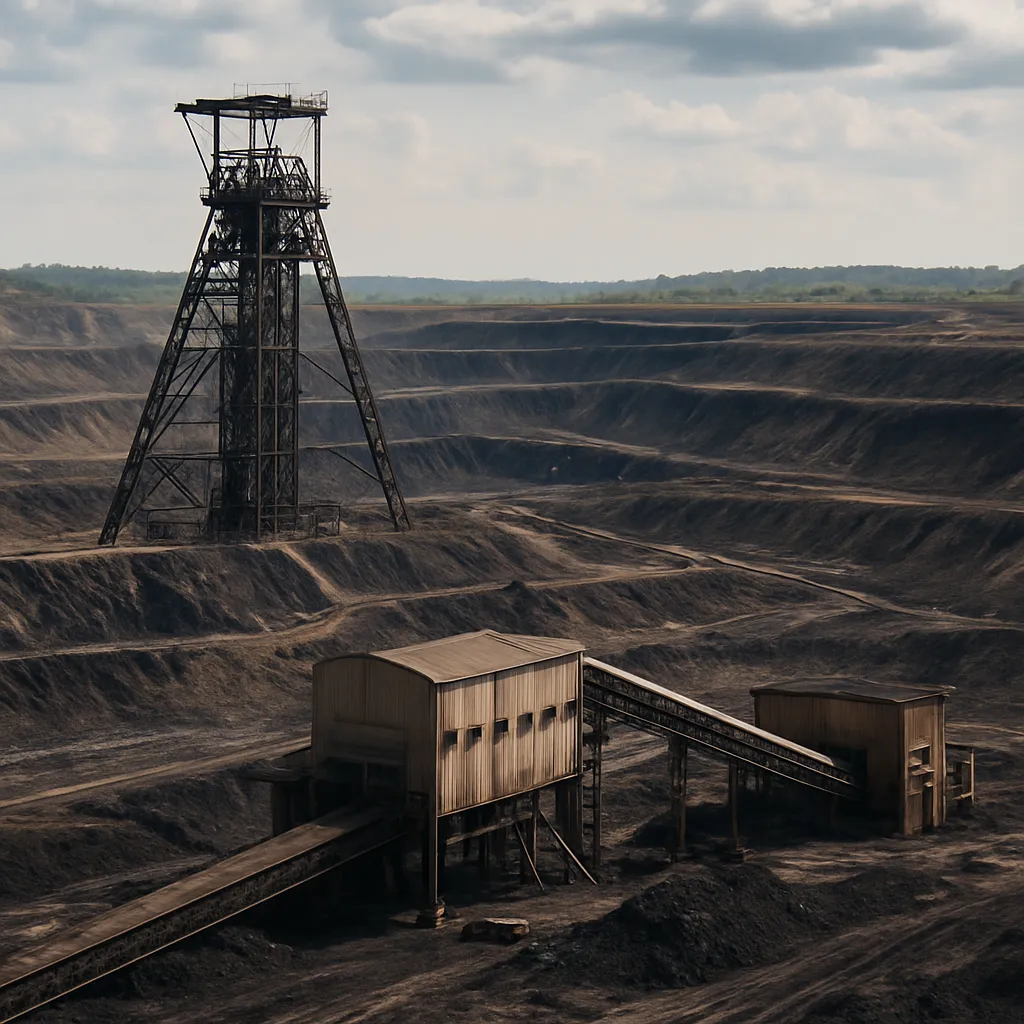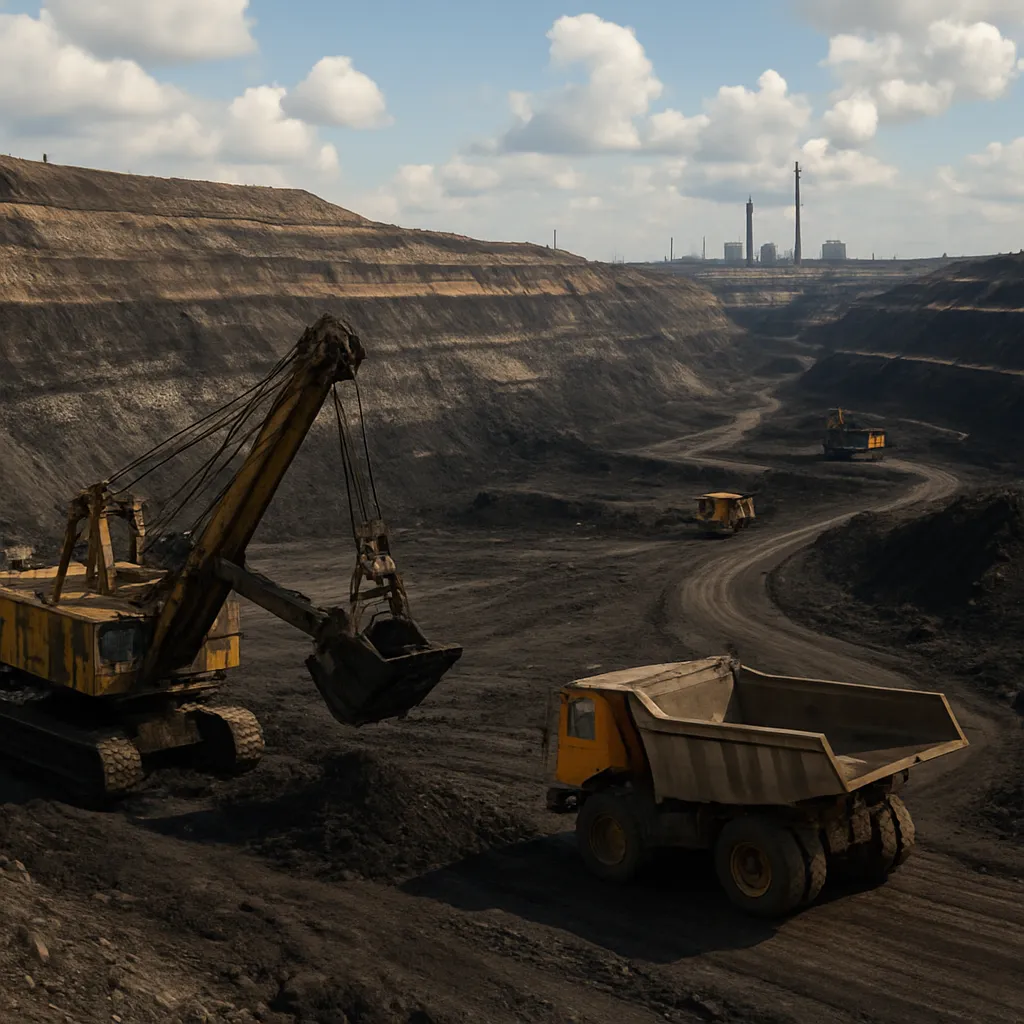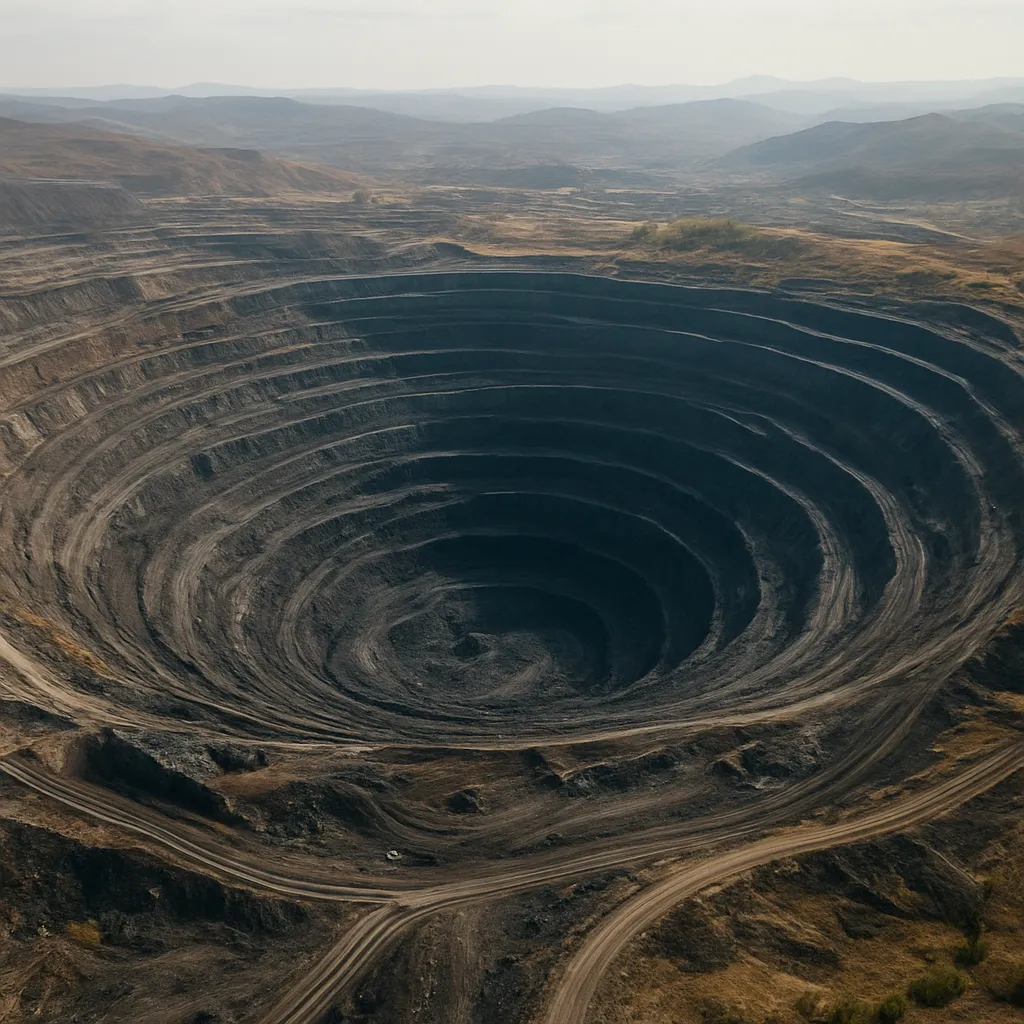
The Fushun West Open Pit is one of the notable coal mining sites in northeastern China, located within the broader mining district of Fushun in Liaoning Province. This article provides a comprehensive overview of the mine’s location, geology, mining methods, **economic** and industrial roles, environmental and social impacts, and current trends and prospects. It aims to synthesize geological facts, operational characteristics and contextual information useful for researchers, students, industry professionals and interested readers.
Location, Geological Setting and Resource Characteristics
The Fushun West Open Pit sits in the Fushun mining area, within the Liaoning Basin in northeastern China. Fushun is historically one of the most important mining centers in China, with a long record of extracting both **coal** and oil shale. Geologically, the basin contains Permian and Tertiary sedimentary sequences which host multiple coal seams, varying in thickness and quality.
Regional and Local Context
- The mine is located in the administrative area of Fushun, part of Liaoning Province, an industrialized region that connects to larger transport corridors serving northeastern China.
- Proximity to major industrial centers and rail networks makes the site strategically important for supplying nearby coking and power plants.
- Fushun’s mining district historically included both underground workings and large **open-pit** operations; the West Open Pit is part of that legacy and modern production portfolio.
Coal Type and Quality
Coal from the Fushun mining district and the West Open Pit is typically in the spectrum from sub-bituminous to bituminous ranks, with significant seams suitable for thermal use and some portions of the deposit appropriate for **coking coal** production or blending. Coal quality varies across seams and depth but generally exhibits moderate to low ash content in selectively mined areas and varying sulfur content depending on the seam and local stratigraphy.
- Common product uses: steam coal for power generation and industrial heat, and coking/blend feedstock for steelmaking.
- Associated resources in the region include **oil shale**, which historically contributed to Fushun’s energy and chemical industries.
Mining Methods, Infrastructure and Operations
Fushun West Open Pit is developed as a large-scale surface mine utilizing modern open-pit mining techniques. Surface mining allows extraction of near-surface seams with higher recovery rates than many underground methods, but requires substantial earth-moving and waste management.
Extractive Techniques
- Primary methods: pit stripping, bench mining, drilling and blasting where needed, and loading by electric shovels or hydraulic excavators.
- Material handling: haul trucks, conveyor belts and crushing facilities used to move and process run-of-mine coal.
- Coal washing and beneficiation plants are often installed either on-site or nearby to improve product quality (reduce ash and sulfur) for specialized markets such as coking use.
Support Infrastructure
The success of an open-pit like Fushun West relies on logistics and processing infrastructure:
- Rail sidings and dedicated rail links provide transport to steel mills, power stations and ports.
- On-site workshops, power substations, and worker housing form part of the operational footprint.
- Environmental controls such as dust suppression, water treatment plants and waste dumps are integral to contemporary operations.
Economic and Industrial Significance
The Fushun West Open Pit contributes to regional and national economic activities by supplying coal to energy and metallurgical sectors and by providing employment and fiscal revenue. In the context of China’s vast coal industry, an operation like Fushun West plays a role in feedstock security for heavy industry and regional development.
Supply Role and Markets
- Primary customers include local power plants and industrial users (cement, chemicals) as well as steel producers that may blend coal for coking processes.
- Given Fushun’s proximity to northeastern industrial clusters, transportation costs are relatively lower for nearby end-users, making the mine economically competitive for regional supply.
Employment and Economic Multipliers
Large open-pit operations typically provide direct employment in the thousands and create additional indirect jobs in logistics, processing, equipment maintenance and local services. Mining drives secondary economic activity: construction, retail and municipal revenues through taxes and fees. While specific employment numbers for Fushun West vary over time with mechanization and corporate restructuring, the mining sector remains an important local employer and economic pillar.
Production and Reserve Indicators
Precise, up-to-date production figures for specific pits change year to year. Historically, major open-pit coal operations in China have annual output ranging from under one million tonnes to several million tonnes depending on mine scale and pit life. Reserves in larger open-pit basins like Fushun’s are often reported in the tens to hundreds of millions of tonnes, allowing multi-decade mine lives under sustained extraction. For planning and policy the most relevant metrics typically include:
- Annual production (million tonnes/year) — a measure of current output capacity.
- Proved and probable reserves (million tonnes) — estimate of economically extractable coal under present conditions.
- Strip ratio (waste:coal) — a determinant of mining cost and long-term viability.
Environmental and Social Aspects
Large open-pit operations like Fushun West carry substantial environmental footprints and social responsibilities. Environmental management is a major component of modern mine planning and corporate operations.
Primary Environmental Concerns
- Land disturbance: Removal of large volumes of overburden, creation of spoil dumps and alteration of landscape morphology.
- Water management: Potential impacts on groundwater and surface water quality from runoff, acid mine drainage in some geological settings, and water demand for processing and dust control.
- Air pollution: Dust emissions from blasting, hauling and loading; particulate control measures are commonly required.
- Subsidence and stability: Less of a concern for open-pit than underground mines, but slope stability and safe pit walls are essential.
Mitigation and Rehabilitation
Progressive rehabilitation, controlled waste dumps, water treatment systems and dust suppression are typical mitigation measures. In some closed or partially rehabilitated pits elsewhere in China, former open pits have been converted to lakes, recreational areas, or industrial parks after proper remediation. Rehabilitation aims to restore ecological function, stabilize slopes and provide new land uses.
Social Considerations
Mining operations influence local communities through employment, changes to land use patterns and by creating demands for services. Responsible social management includes health and safety for workers, community engagement, compensation for land acquisition, and programs for economic diversification to reduce dependence on a single industry.
Regulatory, Safety and Technological Trends
China’s coal sector has been subject to evolving regulatory frameworks addressing safety, environmental performance and consolidation. Mines such as Fushun West operate within national and provincial regulatory regimes which set emission limits, mine safety standards, reclamation obligations and production approvals.
Safety and Automation
Safety remains a top priority: surface operations apply slope and geotechnical controls, heavy equipment maintenance regimes and operational procedures to minimize accidents. Technological advances — including remote monitoring, fleet telematics, automated dispatching and increasing use of electric equipment — are gradually shaping the modern open-pit environment and improving both productivity and safety.
Environmental Regulation and Compliance
Stricter environmental standards have prompted investments in water treatment, dust control and waste management. Mines are increasingly required to produce environmental impact assessments, implement monitoring programs, and set aside funds for progressive rehabilitation and eventual closure.
Statistics, Trends and Regional Context
Within the broader Chinese context, coal remains the dominant fuel for power generation and a vital feedstock for the metallurgical sector, though national policy emphasizes both coal stabilization and carbon intensity reduction. Open-pit areas in Liaoning contribute meaningfully to regional coal supply and energy security.
Representative Metrics
- Annual coal production in China: in the order of billions of tonnes (national scale), of which regional basins contribute varying shares.
- Open-pit mine outputs: vary widely — many larger pits produce several million tonnes per year at peak operations; smaller pits produce less.
- Mine life: large deposit-based open pits can have lifespans measured in decades depending on reserves and extraction rates.
For a specific mine like Fushun West, official company reports or provincial mining bureau publications provide the most accurate and current figures (annual production, reserve estimates, workforce size and economic contributions). In the absence of a single recent public source, analysts typically combine historical company disclosures, satellite imagery and regional statistics to estimate operational scale and trends.
Future Prospects and Strategic Importance
The future of the Fushun West Open Pit will be shaped by market demand for coal (thermal and metallurgical), policies on energy transition, technological investments and local reclamation choices. Important factors include:
- Market demand: Steel production cycles and power generation needs determine demand for coking and thermal coal.
- Policy environment: China’s dual goals of ensuring energy security while reducing carbon intensity create tension but also opportunities for cleaner coal technologies and methane utilization.
- Technological adoption: Efficiency gains from mechanization, processing and digital operations can lower costs and environmental footprint.
- Rehabilitation planning: Long-term mine closure and land reuse strategies will determine legacy outcomes for local communities.
Opportunities
Potential opportunities include diversification of site functions (industrial parks, renewable energy sites on reclaimed land), improved coal beneficiation to meet stricter environmental standards, and deployment of emissions controls and methane capture systems that convert a greenhouse gas liability into an energy resource.
Challenges
Challenges include managing environmental liabilities, transitioning workers to alternative livelihoods as mechanization or eventual closure reduces labor needs, and aligning with broader national decarbonization objectives while maintaining regional economic stability.
Concluding Remarks
The Fushun West Open Pit is emblematic of China’s long-standing reliance on coal as a foundation of industrial development. As an open-pit operation in the Fushun district of **Liaoning**, it contributes to local **economy**, regional energy security and industrial supply chains — notably for the **steel industry** and power generation. At the same time, the site exemplifies environmental and social challenges associated with surface mining, necessitating robust mitigation, reclamation and community engagement strategies. Looking forward, the balance between continued production, technological modernization and responsible closure and rehabilitation will determine the mine’s legacy for the region.