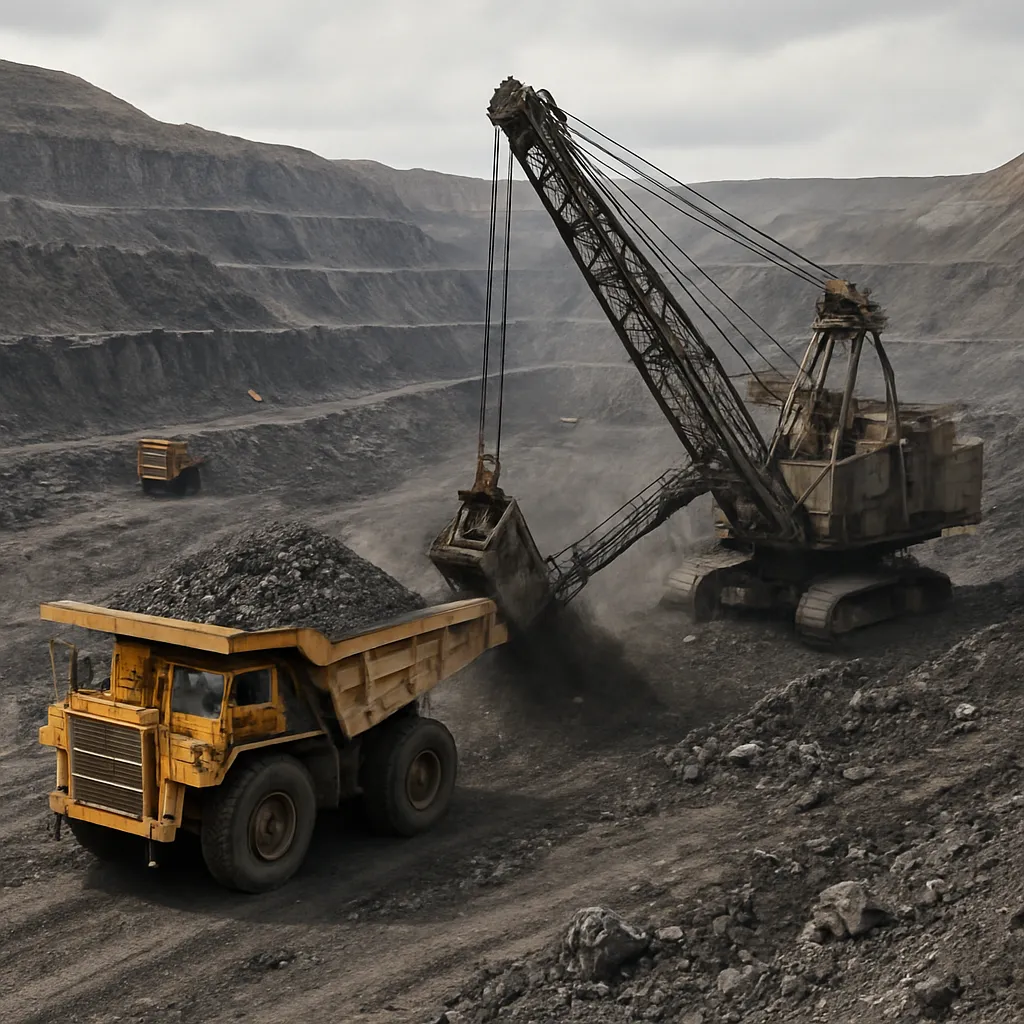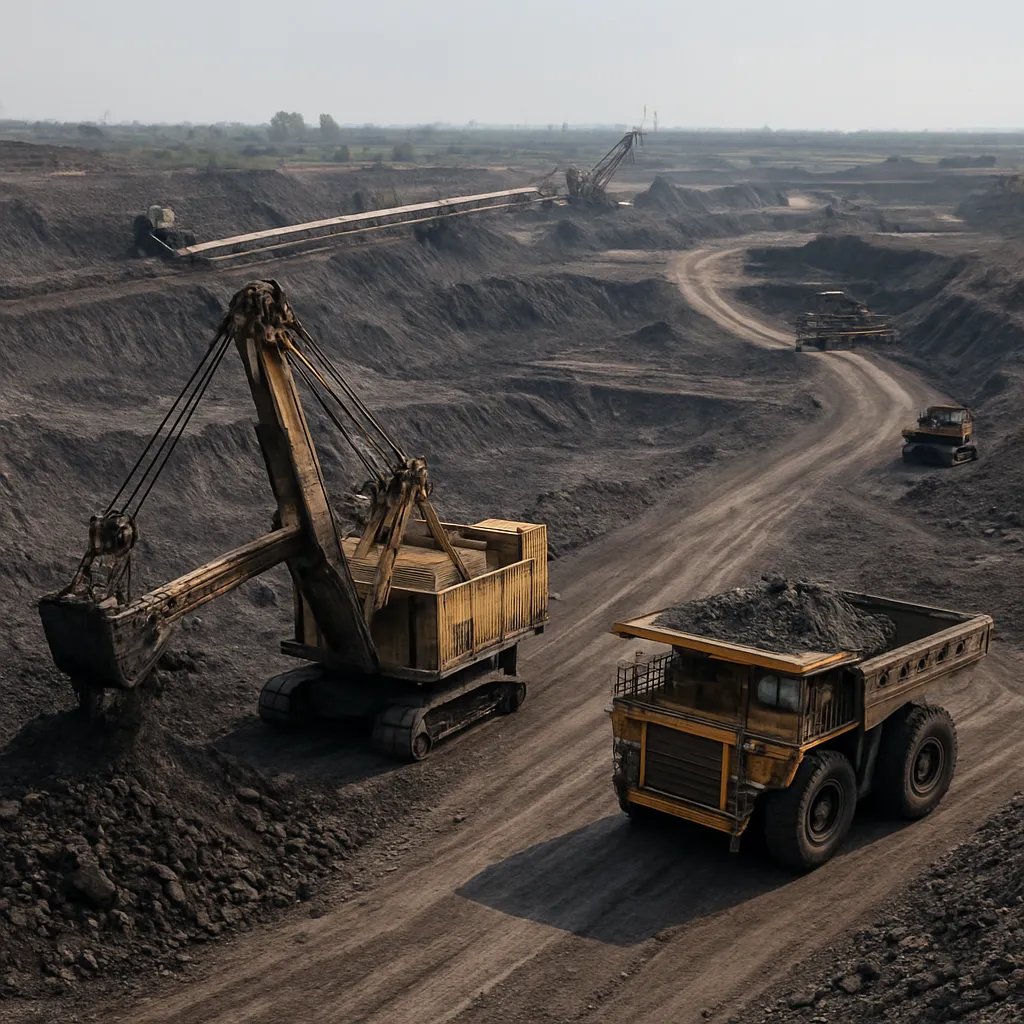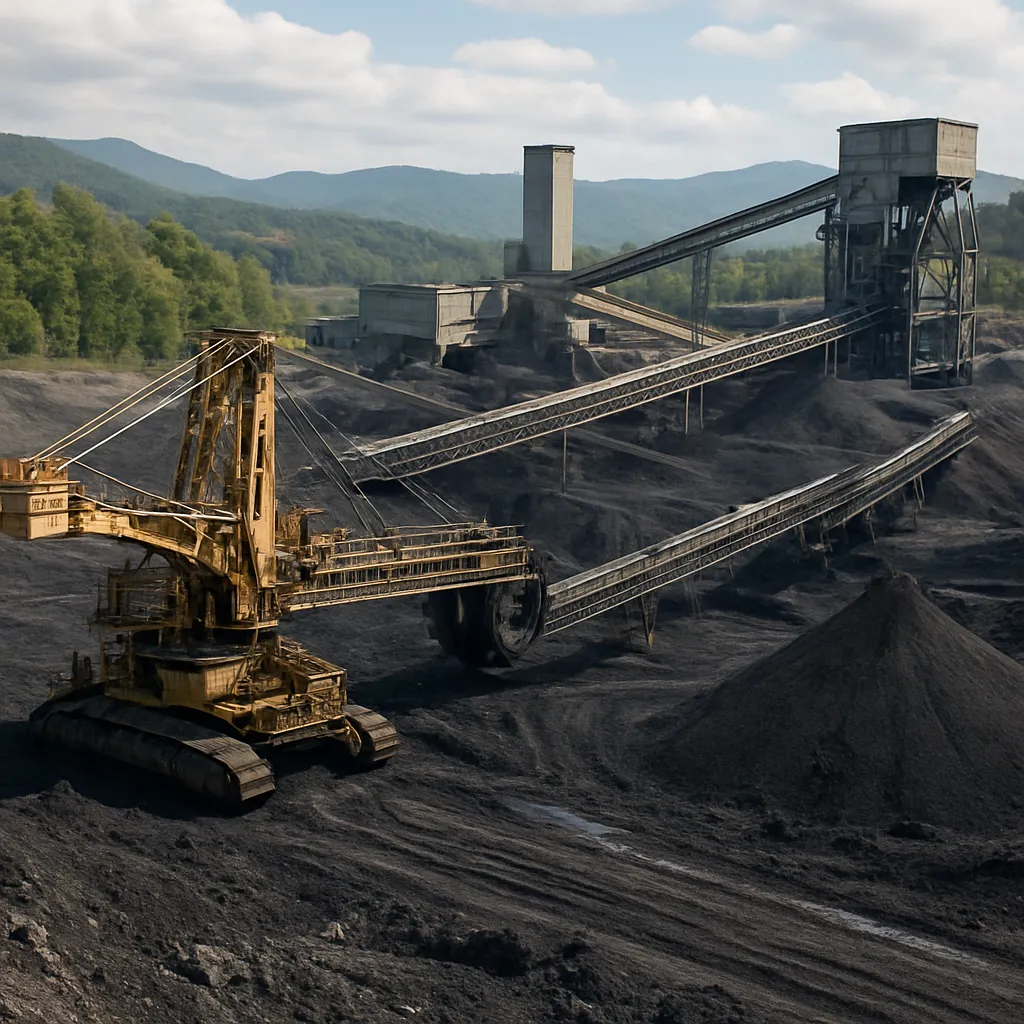
The Velenje Coal Mine is one of the most important and long-standing industrial sites in Slovenia. Located in the northern part of the country, it has been a central supplier of lignite to Slovenia’s thermal power generation and an important employer and economic driver in the Šaleška Valley. This article describes the mine’s geology, mining methods, production and economic role, environmental and social impacts, and prospects in the context of energy transition. It also provides available statistical and operational details, with contextual notes where figures vary by year.
Location and geological setting
The Velenje Coal Mine (Premogovnik Velenje) is located in the Šaleška Basin near the town of Velenje in northern Slovenia. The basin is part of a Tertiary sedimentary graben where extensive lignite deposits accumulated during the Miocene and Pliocene epochs. The deposit is a classic example of an inland brown coal (lignite) basin, with laterally extensive seams that have been exploited for more than a century.
Coal type and quality
The mined product is primarily lignite, a low-rank coal characterized by higher moisture and ash content and lower calorific value compared with bituminous coal. Characteristics commonly cited for Velenje lignite include:
- Calorific value: typically in the lower range for lignites; approximate gross calorific value is often reported around 8–11 MJ/kg (approximately 1,900–2,600 kcal/kg), though values can vary with seam and moisture content.
- Ash content: moderately high compared with harder coals, requiring ash management and disposal by the operator.
- Sulfur content: generally low to moderate, which historically helped reduce sulfur dioxide emissions compared with some other coal types, though CO2 intensity remains high due to low energy density.
- Seam geometry: seams are laterally extensive and can be several meters thick in places, allowing mechanized underground extraction.
Estimates of geological resources and economically recoverable reserves vary depending on technical and economic assumptions. Available public assessments typically indicate that the Velenje deposit contains hundreds of millions of tonnes of lignite in place, with proven and probable reserves being a sizeable fraction of that total. Exact reserve figures depend on cut-off dates and classification methodologies.
Mining methods, infrastructure and operation
The Velenje mine is notable as one of Europe’s few large-scale underground lignite operations. Rather than open-pit extraction, operations rely on deep underground workings that use mechanized equipment and longwall or continuous extraction systems adapted for soft coal. Underground mining has allowed the preservation of surface land and settlement areas around Velenje while providing continuous coal supply to nearby power plants.
Workings and equipment
- Shafts and declines: the mine has several access shafts and ramps for personnel, equipment and product transport. Conveyor belts carry coal from underground faces to the surface and onward to preparation or directly to consumers.
- Mechanization: longwall systems, shearers, powered supports, and continuous conveyors are used to maintain high face advance rates and to improve safety and productivity.
- Ventilation and gas control: methane monitoring and ventilation are critical. The mine has active methane drainage and ventilation systems, gas monitoring infrastructure and procedures to mitigate explosion and greenhouse gas risks.
- Coal handling: coal is crushed, screened and sometimes blended to achieve consistent feed quality for electricity generation, with ash handling and disposal facilities on site.
Ownership and organization
The mine is operated by a company historically known as Premogovnik Velenje. Over decades the enterprise has been closely integrated with Slovenia’s public energy sector and the adjacent Šoštanj Thermal Power Plant (TEŠ), the main local consumer of the mine’s coal. The corporate and ownership arrangements have evolved over time, reflecting national energy policy, restructuring, and investments in power plant modernization.
Production, economic significance and statistics
Velenje Coal Mine has for decades been a major domestic source of fossil fuel in Slovenia. Its economic significance arises from coal sales to the electricity sector, employment in the Šaleška region, and local supply chain links.
Production volumes
Annual production has varied over time with electricity demand, plant operating programs, market conditions and regulatory pressures. Typical production levels in the 2000s and early 2010s were in the range of a few million tonnes per year. To summarize available trends:
- Historic peak production years saw annual output often reported around 3–5 million tonnes of lignite.
- More recent years (late 2010s–early 2020s) showed variability and, in some years, modest declines as the power sector adjusted operations, though the mine remained the principal domestic coal supplier.
- Year-to-year figures are influenced by TEŠ generation patterns, maintenance outages, and national energy policy; thus precise annual totals must be referenced from the operator’s or national energy statistics for a given year.
Employment and regional economy
The mine has been a major employer in the Šaleška Valley. Employment historically numbered in the thousands, with direct jobs in mining and additional indirect employment in services and supply industries. The mine’s presence shaped local infrastructure, housing, and social services and contributed materially to the regional economy. Over the last decade, workforce levels have been affected by mechanization, restructuring and energy transition policy, but PV remains one of the region’s largest employers.
Contribution to electricity generation
Most lignite from Velenje has been used to fuel the nearby Šoštanj Thermal Power Plant (TEŠ). TEŠ units historically relied on local coal for baseload and flexible generation; the commissioning of newer, higher-efficiency units in the 2010s altered fuel demand dynamics. At times the mine supplied the majority of coal consumed by TEŠ, and domestic lignite ensured a measure of energy independence for Slovenia’s power system.
Environmental impacts, mitigation and regulation
Coal mining and combustion have obvious environmental consequences, and Velenje is no exception. The local and national regulatory framework, EU directives and corporate environmental programs have shaped mitigation measures.
Local environmental impacts
- Land subsidence: underground extraction can cause surface subsidence. Velenje’s underground approach sought to limit extensive open-cast impacts, but careful planning and monitoring address ground movement risks.
- Ash and waste: combustion of lignite produces significant ash requiring storage or disposal. Ash management facilities and plans for safe handling and reclamation are part of the operational responsibilities.
- Air emissions: while Velenje lignite’s low sulfur content helps reduce SO2 emissions relative to some coals, burning lignite still produces particulate matter, NOx and large volumes of CO2. Emission control technologies at power plants (e.g., flue gas desulfurization, filters) mitigate some pollutants.
- Water and biodiversity: mining operations require water management and have local impacts on groundwater and surface ecosystems that are monitored and mitigated.
Climate policy and EU regulation
As an EU member state, Slovenia must comply with emissions trading, renewable targets and other decarbonization policies. These frameworks increase the economic and regulatory pressure on coal-fired generation. The role of Velenje coal in national energy supply is therefore subject to long-term uncertainty driven by EU climate policy and national commitments to reduce greenhouse gas emissions.
Safety, health and technological modernization
Underground coal mining carries inherent safety and health risks. The Velenje operation has implemented modern mining safety practices, automation, ventilation systems, continuous monitoring of gas and ground conditions, and personnel training to reduce accidents and occupational disease risks.
- Safety systems: automated monitoring, methane sensors, robust ventilation and emergency response plans are deployed across the mine.
- Health surveillance: programs for respiratory and occupational health screening help manage long-term health risks for miners.
- Technological upgrades: investments in mechanization and digital monitoring have aimed to increase productivity while improving safety by reducing manual exposure in hazardous zones.
Socio-economic importance and community impacts
Beyond direct employment, the mine has supported regional services, education and municipal revenues. The company’s social role extends to community investment, cultural sponsorship and local infrastructure. However, the social contract with mining communities creates challenges for transition planning: any reduction in mining activity affects livelihoods, municipal budgets and local businesses dependent on mine-related spending.
Just transition and diversification
Slovenia, like other European countries that depend on coal regions, has engaged in planning for a just transition to support workers and communities as coal use declines. Measures under discussion or development include vocational retraining, economic diversification incentives, investment attraction, redevelopment of former mining land, and environmental rehabilitation. Successful diversification depends on coherent policy, funding and local participation.
Recent developments and future outlook
The future of the Velenje Coal Mine is shaped by several interlocking drivers: national energy policy, EU decarbonization schedules, the economic competitiveness of coal versus alternatives, and local social considerations. Key trends and potential scenarios include the following.
Scenarios and strategic options
- Continued operation at reduced scale: if domestic generation needs and contracts persist, the mine could continue supplying lignite with improved efficiency and emissions controls for a transitional period.
- Phased closure: alignment with EU climate objectives may require a gradual reduction in production with parallel investment in regional economic transition programs.
- Fuel switching and CO2 mitigation: introduction of carbon capture and storage/utilization (CCS/CCU) technologies at consuming power plants is technically possible but capital intensive, and economic feasibility remains challenging.
- Reuse of infrastructure: mine galleries and shafts can be repurposed (e.g., for underground storage, research, geothermal projects or other industrial uses) subject to technical assessment.
Policy context
The Slovenian government and national energy stakeholders must balance energy security, affordability and environmental commitments. Investments in renewable energy, grid flexibility, and cross-border electricity markets reduce dependence on coal. At the same time, local commitments to workers and municipalities require well-funded transition programs.
Interesting facts and historical notes
- Velenje’s mining tradition dates back well over a century and has shaped the identity and physical landscape of the Šaleška Valley.
- The mine’s status as an underground lignite operation is relatively rare in Europe, where many large lignite deposits are exploited by open-pit methods.
- Modernization of the nearby Šoštanj power plant (TEŠ) in the 2010s included the commissioning of more efficient generation units, influencing coal demand and the mine’s operational plans.
- The interplay between local economic dependence and national decarbonization commitments makes Velenje a case study in European energy transition dynamics.
Key figures (indicative)
The following figures are indicative and should be verified against the operator’s and national statistics for a given year:
- Typical annual production (historical range): approximately 3–5 million tonnes of lignite in peak years; more recent years may show lower or variable output depending on plant operation and policy.
- Calorific value of coal: broadly around 8–11 MJ/kg (variable by seam and moisture).
- Employment: historically in the thousands for direct mine employees, with additional indirect employment in related sectors.
- Reserve scale: geological resources are commonly described as being in the hundreds of millions of tonnes in place; proven recoverable reserves are a subset of this total.
Conclusion
The Velenje Coal Mine is a longstanding pillar of Slovenia’s industrial and energy landscape. Its lignite production has supported domestic power generation and regional employment for many decades. At the same time, environmental constraints and climate policy are reshaping its long-term role. The mine’s future will depend on a combination of technical options, economic viability, and public policy choices that balance energy security, carbon reduction commitments and the socio-economic needs of the Šaleška region. As Europe advances a low-carbon transition, the Velenje site will remain a focal point for discussions about mining heritage, community resilience and pathways to sustainable regional development.