The following article provides a detailed overview of the Kwamhlanga Coal Mine in South Africa, combining geological, operational, economic and social perspectives. Where mine-specific public data are limited, the discussion places Kwamhlanga in the wider context of South African and regional coal mining, drawing on known industry patterns, provincial statistics and the role coal plays in national energy and export markets. The text highlights geological characteristics, typical mining methods, economic impacts, environmental considerations and likely future trajectories for operations in the region.
Location, Geological Setting and Resource Characteristics
The Kwamhlanga Coal Mine is located in South Africa, within the country’s principal coal-bearing region. While precise public records for small- to medium-sized operations are sometimes sparse, the geological setting is consistent with the major coalfields of the nation, particularly those in and near the province of Mpumalanga, which is the heart of South Africa’s coal industry. The coal-bearing strata in this region are part of the Karoo Supergroup (specifically the Ecca Group), which hosts most of the economically extractable coal seams in the country.
Coal in the Kwamhlanga area is typically associated with Permian-age deposits. These seams vary in thickness, depth and lateral continuity—factors that determine the mining method (surface vs. underground), recoverable reserves and quality of the product. In South Africa, coal types range from higher-grade **metallurgical** coal used in steelmaking to lower-rank **thermal** coal burned for electricity generation. Kwamhlanga is representative of many regional operations that predominantly produce thermal coal suitable for domestic power stations and, where quality permits, for export markets.
Key geological and resource features relevant to Kwamhlanga and adjacent collieries:
- Coal seams of variable thickness, often occurring in multi-seam sequences.
- Coal rank typically between sub-bituminous and bituminous, with higher ash content than many international benchmark coals.
- Presence of sedimentary interbeds (shale, sandstone) that influence roof support and mining methodology.
- Coal quality parameters commonly considered: calorific value (kcal/kg), ash content (%), moisture content (%), and sulfur levels (%).
Mining Methods, Operations and Product Types
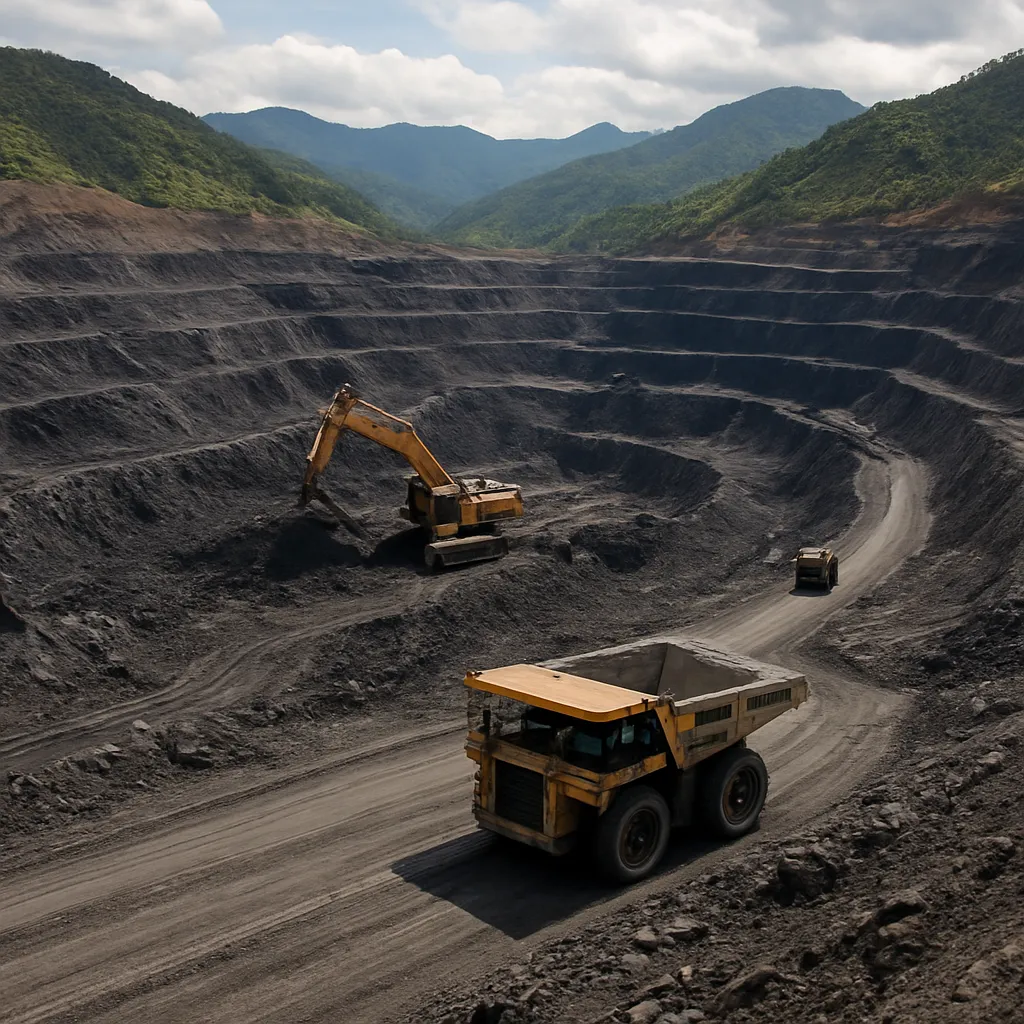
Operations at Kwamhlanga are characteristic of many South African coal mines: a mixture of surface (open-cast) and, where seams are deeper, underground mining. The choice of method depends on seam depth, thickness, overburden volumes and economic factors. Open-cast mining is often favored where the overburden to coal ratio is economical, offering high recovery and lower unit costs. Underground methods—room-and-pillar or bord-and-pillar systems—are used for deeper seams but have higher operating complexity and cost.
Typical operational features include:
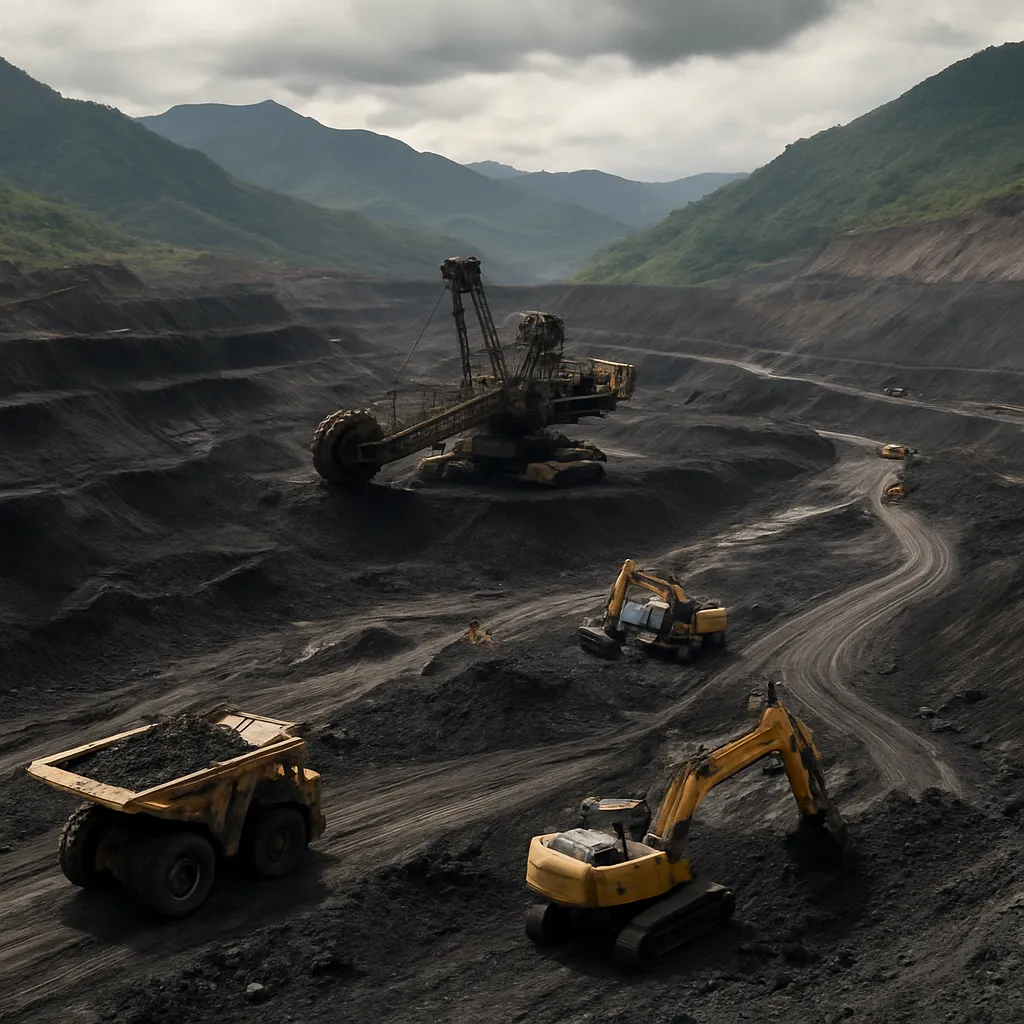
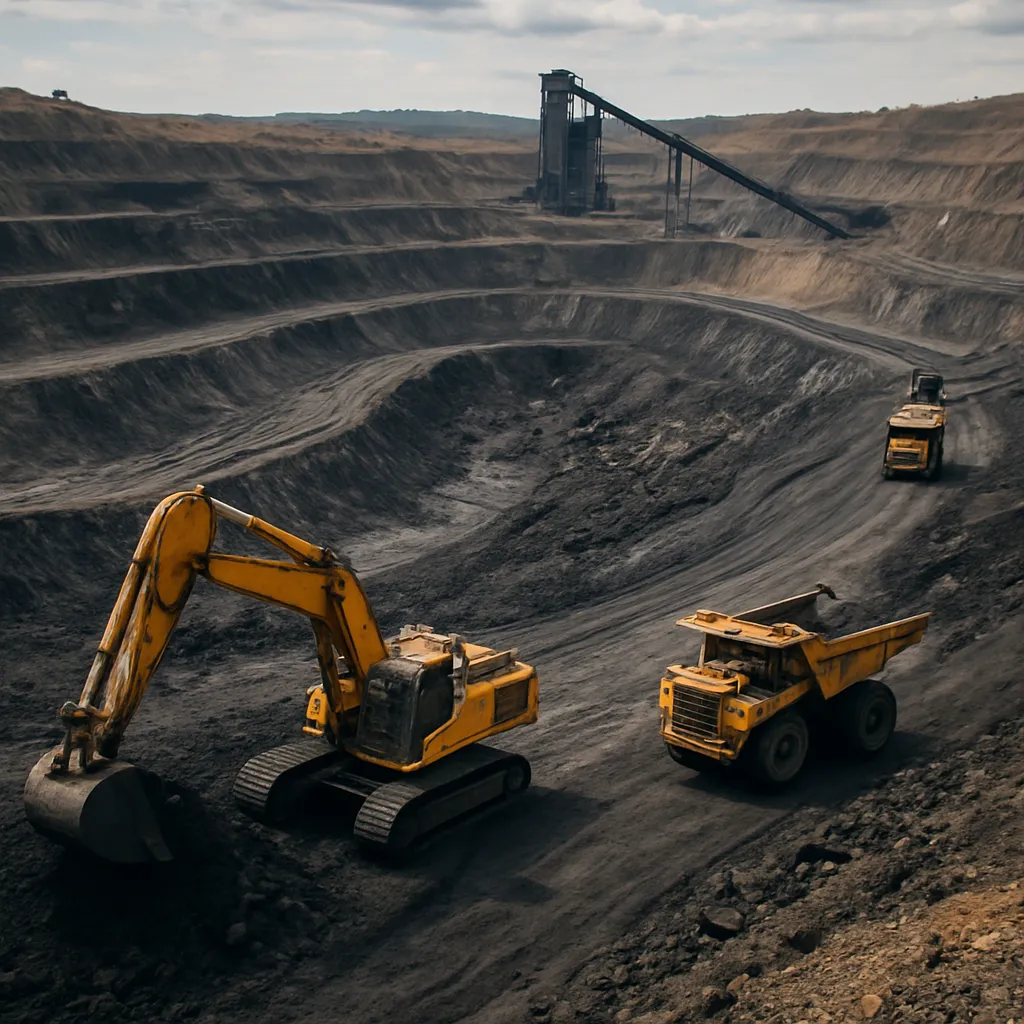
- Use of heavy earthmoving equipment (draglines, excavators, haul trucks) in open-cast sections.
- Conveyor systems, screening and crushing plants for washing and sizing coal prior to dispatch.
- Water management systems to handle runoff and dewatering in underground workings.
- On-site or nearby coal beneficiation (washing) where feasible to reduce ash and improve calorific value for export or specific domestic customers.
Product types from Kwamhlanga are most commonly classified as thermal coal, intended primarily for electricity generation (notably by the state utility Eskom) and for inland industrial use (cement, petrochemical feedstock, heating). If the operation includes higher quality seams or beneficiation facilities, a portion of production may meet the specifications for metallurgical coal or premium export thermal coal, though the majority of coal from inland Mpumalanga operations is consumed domestically or routed to export terminals after blending and washing.
Economic Role and Employment
Coal mining in and around Kwamhlanga contributes to both local livelihoods and the national economy. The sector provides direct employment, indirect jobs in services and supply chains, and significant fiscal contributions through wages, taxes and royalties. While precise employment figures for the Kwamhlanga operation depend on the mine’s scale and ownership structure, examples from similar-sized collieries suggest workforce composition often includes:
- Skilled operators (plant operators, engineers, geologists).
- Semi-skilled and unskilled labor (equipment operators, maintenance teams, haulage drivers).
- Contracted service providers (security, catering, transport, rehabilitation contractors).
On a provincial and national scale, the coal sector is a major employer and income source. Mpumalanga province accounts for roughly 70–80% of South Africa’s coal production, and coal remains a backbone of the country’s energy matrix. The industry supports significant indirect employment in logistics, rail, port operations (such as the Richards Bay Coal Terminal), and industrial users.
Economically, the Kwamhlanga mine can be seen to contribute in several ways:
- Cash flows to operators and shareholders through coal sales (domestic and/or export).
- Revenue to national and provincial governments via royalties, taxes and employment levies.
- Local economic stimulation through procurement of goods and services from nearby communities.
Statistics, Production and Market Pathways (Contextual Estimates)
Mine-specific public statistics for Kwamhlanga are not always available in open-source databases, particularly if the mine is privately owned or small-scale. However, contextual industry figures help illustrate the scale and pathways for coal produced there.
- South Africa’s total coal production has historically been in the range of roughly 200–260 million tonnes per year in the late 2010s and early 2020s, though exact annual figures fluctuate with demand, operational disruptions and exports.
- Domestic demand, primarily from Eskom’s coal-fired power stations, consumes a substantial portion of national output—often over 50% of annual production—while the remainder is exported or used by industry.
- The Richards Bay Coal Terminal (RBCT), the country’s major export facility, has nominal throughput capacity in the tens of millions of tonnes per annum and is a primary avenue for export coal arriving from Mpumalanga via rail.
For Kwamhlanga specifically, plausible production and quality parameters (presented as contextual estimates) might include:
- Annual production: anywhere from a few hundred thousand to several million tonnes, depending on the mine size and lifespan.
- Coal calorific value: typical thermal coal in the region ranges from about 4,500 to 6,500 kcal/kg on an as-received basis, with ashes that can exceed 15–20% before washing.
- Major customers: domestic power stations and regional industrial users; recordable export proportions vary by washability and contractual access to rail and port.
Given constraints on publicly available mine-level data, operators and analysts frequently focus on regional metrics (province-level production, exports routed through RBCT, and national electricity demand) to gauge a single mine’s potential footprint.
Logistics, Rail and Export Considerations
Coal from Kwamhlanga is typically transported by road to rail load-out facilities or directly by truck to local consumers. For export and distant domestic markets, the rail network plays a vital role. South Africa’s coal logistics chain commonly involves:
- Transport by rail to coastal terminals, most notably Richards Bay Coal Terminal (RBCT), for export mainly to Asia and Europe.
- Domestic rail delivery to inland power stations and industrial hubs.
- Use of coal blending and washing facilities to meet customer specifications and reduce penalties associated with high ash or sulfur content.
Constraints in rail capacity, port throughput and road maintenance can materially affect the profitability and competitiveness of mines like Kwamhlanga, especially where margins are tight and coal quality requires additional beneficiation to fetch export prices.
Environmental, Social and Regulatory Context
Coal mining, including at Kwamhlanga, operates under a complex mix of environmental regulation, community expectations and corporate responsibility standards. Key environmental challenges and regulatory focus areas include:
- Water management: minimization of acid mine drainage risk, control of runoff, and sustainable water usage in water-scarce regions.
- Air quality: dust suppression and management of particulate emissions from mining, crushing and transport activities.
- Land rehabilitation: progressive rehabilitation of mined-out areas to reduce erosion, restore vegetation and enable post-mining land uses.
- Waste handling: disposal and management of overburden, spoil, and washed coal tailings.
Social considerations are equally important. Mines are expected to engage with local communities, provide employment and skills development, support local procurement, and implement community development programs that can include education, healthcare, housing and infrastructure projects. South African environmental legislation and mining regulations also require social and labor plans as part of licensing and regulatory compliance.
Significance in Industry and Strategic Importance
Although Kwamhlanga may not be among the largest flagship mines in South Africa, its significance derives from the cumulative role of smaller and medium-sized collieries in sustaining domestic coal supply chains. The mine’s importance can be summarized as follows:
- Supporting national energy security by supplying coal to power stations and industrial users.
- Maintaining regional employment and local economies, especially in coal-dependent districts.
- Feeding export markets when coal quality and logistics align, thus contributing to foreign exchange earnings.
- Contributing to the supply chain ecosystem—rail, port, transport and beneficiation sectors—that underpins the larger coal industry.
Given South Africa’s energy transition dynamics, mines such as Kwamhlanga also play a transitional role: providing employment and energy while communities and companies adapt to longer-term decarbonization policies and shifting global market demand.
Risks, Challenges and Future Outlook
Kwamhlanga faces both the standard industry risks and some specific challenges common to South African coal operations. These include:
- Commodity price volatility: thermal coal prices are cyclical and influenced by global demand, exchange rates, and the competitiveness of alternative fuels.
- Regulatory and policy uncertainty: changes in environmental regulation, carbon pricing, or energy policy can affect demand and operating costs.
- Infrastructure constraints: limitations in rail capacity or port throughput can restrict volumes available for export and increase logistics costs.
- Operational risks: safety, geological uncertainties, and water management challenges that can affect production continuity.
Looking ahead, several trends will shape the outlook for Kwamhlanga and similar mines:
- Continued domestic demand for coal in the short- to medium-term, driven by existing coal-fired power infrastructure.
- Potential need to improve coal **washability** and quality to remain competitive in export markets—requiring investment in beneficiation.
- Growing emphasis on environmental performance, reclamation, and community benefits to secure social license to operate.
- Longer-term demand uncertainty tied to global decarbonization and potential repurposing of mining assets or transition-support programs.
Interesting Technical and Historical Notes
Coalfields around Mpumalanga, including operations like Kwamhlanga, reflect a long mining history that has shaped local settlement patterns, transport corridors and industrial development in South Africa. A few points of interest:
- Many seams that are economically mined today were first discovered in the 19th and early 20th centuries, with successive waves of development driven by power station construction and industrialization.
- Innovations in mining and processing—such as more advanced wash plants, dust suppression technology and continuous monitoring—have improved environmental performance and worker safety over recent decades.
- Research into coal combustion efficiency, ash utilization (e.g., cement and construction applications), and mine water treatment has practical implications for mines seeking to reduce waste and create value from by-products.
Conclusions and Practical Considerations for Stakeholders
Kwamhlanga Coal Mine exemplifies many of the attributes and challenges of South African coal operations: a resource embedded in a geologically favorable region, a product primarily destined for thermal use, and a set of economic links that bind it to local communities and national infrastructure. Stakeholders considering investment, partnership or community engagement with Kwamhlanga should weigh the following:
- Detailed, mine-level data: secure access to geological reports, reserve statements, and historical production to inform investment decisions.
- Logistics assessment: evaluate rail access, load-out capabilities, and proximity to beneficiation and port facilities to understand cost competitiveness.
- Regulatory and social due diligence: review environmental compliance, community relations, and labor practices to assess operating risks and reputational exposure.
- Transition planning: consider pathways for workforce reskilling, asset repurposing and participation in energy transition programs as longer-term demand shifts.
Overall, while specific published statistics for Kwamhlanga Coal Mine may be limited in public sources, the mine’s profile is consistent with the strategic and operational realities of coal production in South Africa’s main coal province. Its continued viability will depend on efficient operations, effective environmental and community management, and adaptability to evolving market and policy conditions.