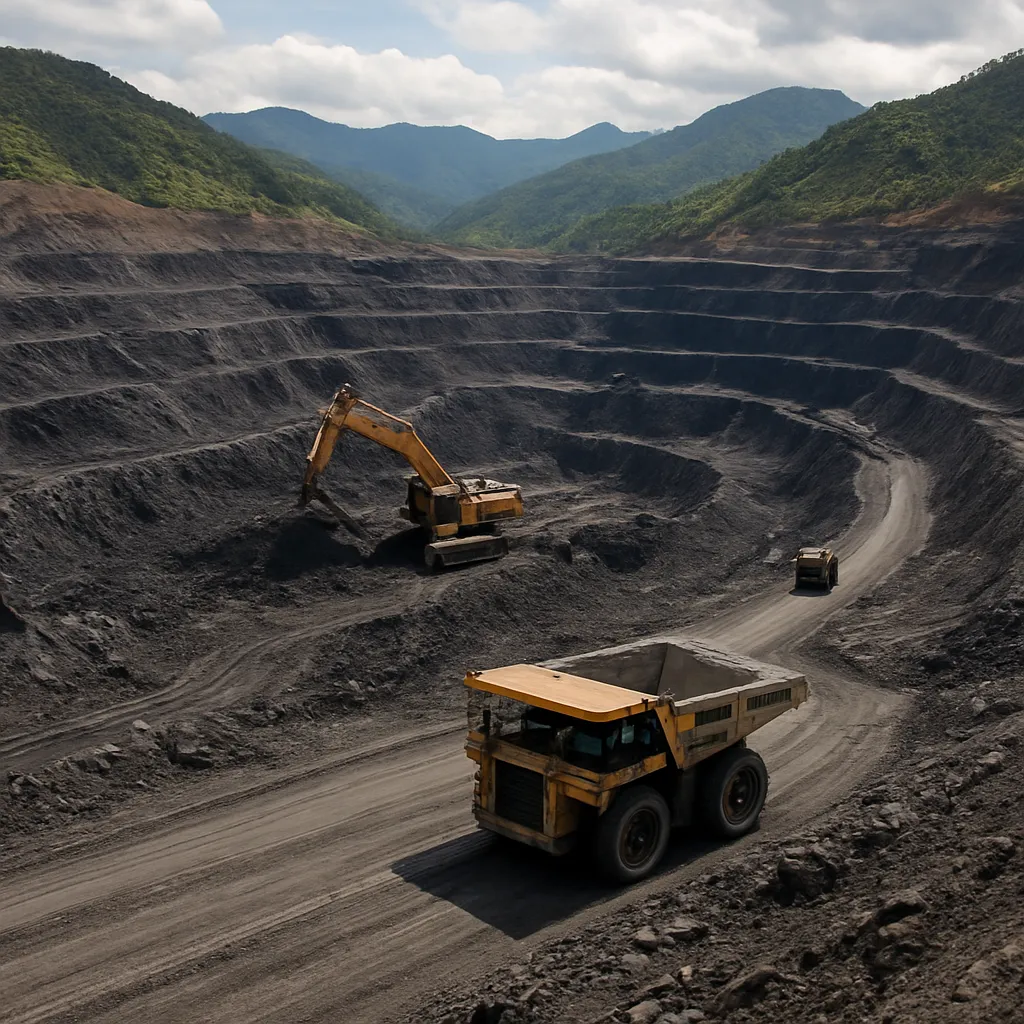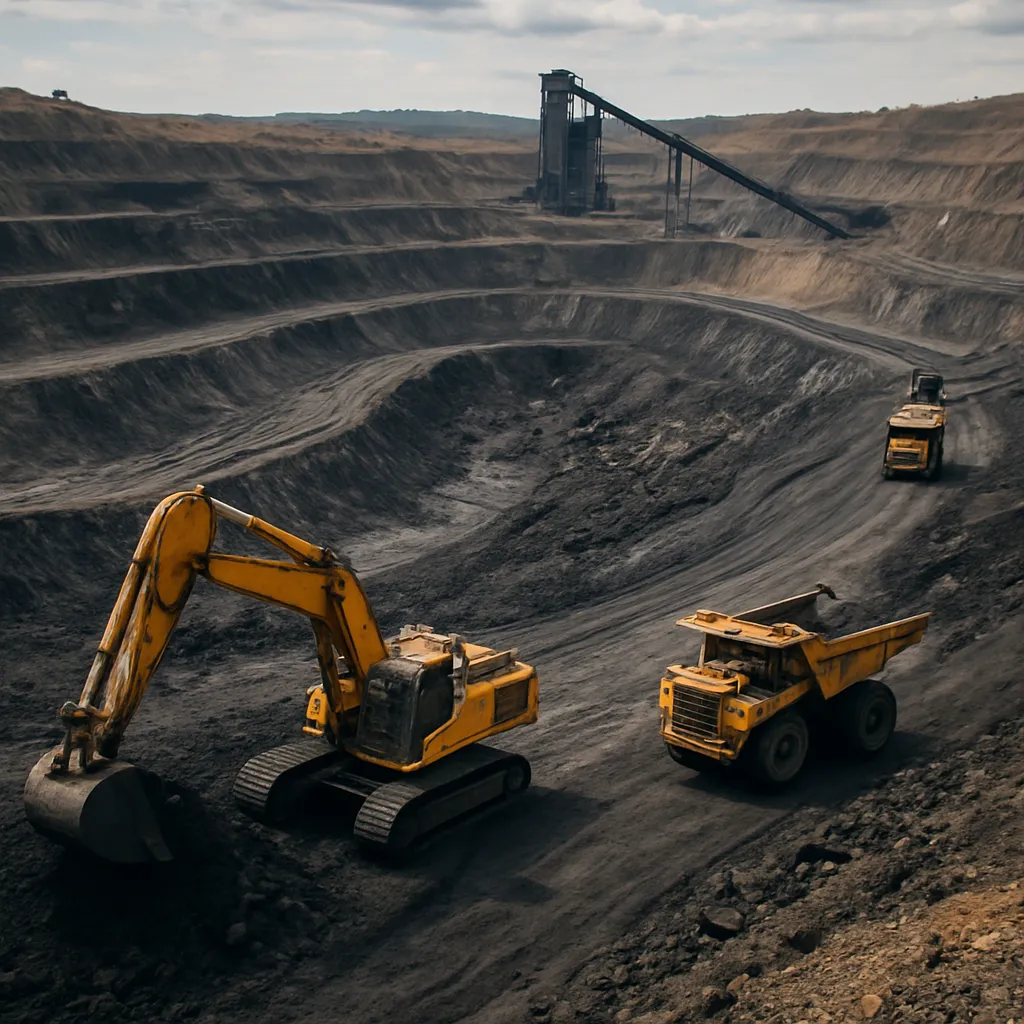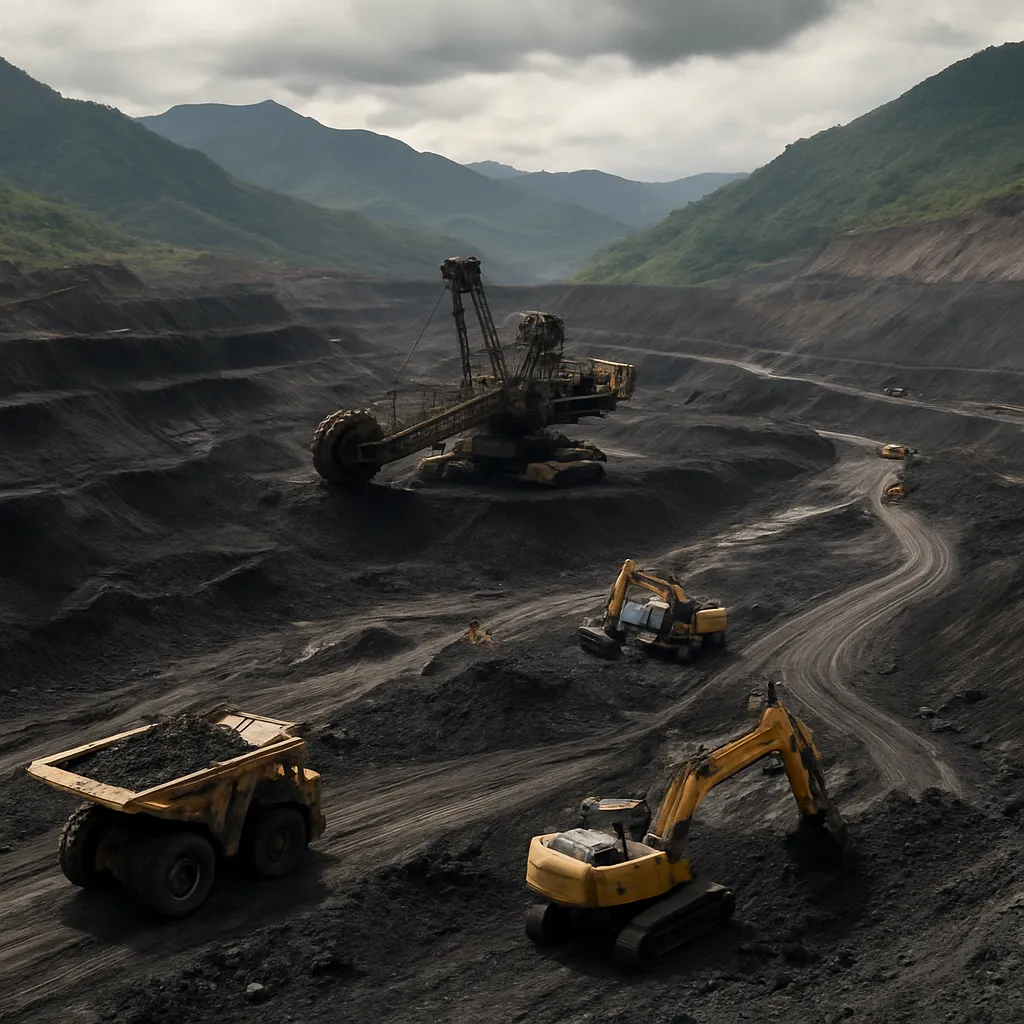
The following article examines the La Esperanza mining sites within the context of Colombia’s coal industry. Because the name La Esperanza is used for multiple small- and medium-sized mining operations across Colombian coal-producing regions, this text synthesizes verified patterns, geological features, economic roles, environmental issues and industry context that characterize mines bearing that name. The aim is to give a comprehensive profile of what La Esperanza-style coal operations typically look like in Colombia, what they extract, how they operate, and what their broader significance is for regional and national economies.
Location and geological setting
Mines named La Esperanza are found in several parts of Colombia’s coal-producing belt. Colombian coal resources are concentrated primarily in a few basins: the Cesar Basin and the La Guajira coalfields in the far north, and additional deposits in the Middle Magdalena Valley and, to a much lesser extent, in the Andean foothills. Because the name La Esperanza is not unique, particular operations with that name may be located in the northern departments of La Guajira and Cesar, or occasionally in other coal-bearing municipalities.
Geologically, the basins that host La Esperanza-style mines show the following characteristics:
- Coal-bearing sequences from the Paleocene to the Eocene in many basins, with seams interbedded in siliciclastic rocks (sandstones, shales, siltstones).
- Coal rank that ranges from sub-bituminous to bituminous (mostly medium-volatile bituminous in many Colombian mines), reflecting burial depth and thermal history.
- Multiple seam horizons, with seam thicknesses that vary from thin lenses (<1 m) to thicker benches (>3–5 m) in more productive zones.
What is extracted and coal quality
The principal commodity at La Esperanza sites is coal, typically mined for thermal use (steam/utility coal) and, in some locales, for limited metallurgical (coking) purposes if specific quality parameters are met. Typical coal-quality attributes for Colombian thermal coal—and therefore indicative for many La Esperanza operations—include:
- Calorific value (gross calorific value) commonly in the range of roughly 5,000 to 7,000 kcal/kg for thermal coals; higher-grade bituminous coal used for certain industrial clients can exceed this range.
- Moisture content variable, often moderate for near-surface and open-pit-mined coal.
- Low to moderate sulfur content; Colombian export thermal coals are often prized for relatively low sulfur (commonly below 1%), which is attractive for international markets seeking low SOx emissions.
- Ash content that can vary widely (commonly in a range roughly 8–20%), depending on the seam and washing/beneficiation processes used.
When economic washing and beneficiation are applied, ash and sulfur levels can be reduced and calorific values improved, enhancing export value. Many smaller operations focus on washing only when they have access to centralized plants or contracts with nearby processing facilities.
Mining methods, infrastructure and logistics
La Esperanza operations typically adopt mining methods suited to seam geometry and deposit depth:
- Open-pit mining is common in areas where seams are near surface and lateral continuity is favorable. Open-pit methods allow mechanized large-scale extraction and are the dominant method in major northern basins.
- Underground mining occurs where seams are deeper, or where topography and overburden conditions favor underground extraction. Smaller La Esperanza operations may use room-and-pillar or longwall (less commonly) depending on investment and seam characteristics.
Key infrastructure components that shape the economics and operational viability of La Esperanza mines include:
- Local haul roads and feeder roads to municipal highways — crucial for linking mines to main transport corridors.
- Rail connections where available; Colombia’s coastal export terminals are connected by rail corridors from major mines, but many smaller mines rely on truck transport to ports or to aggregation points.
- Export ports on the Caribbean coast (for example, near Santa Marta, Barranquilla or other terminals) are used by larger producers, while smaller miners may sell to domestic power plants or to intermediaries that consolidate shipments.
- Water and power supply infrastructure, processing plants (coal washing), and workshops for maintenance of heavy equipment and fleet vehicles.
Given Colombia’s role as a global coal exporter, mines that can access rail and port infrastructure enjoy a competitive advantage. La Esperanza sites that are farther from export lines tend to focus on the domestic market or on small-scale exports through intermediaries.
Economic profile and statistics (national and typical site scale)
Precise public production statistics for each small mine called La Esperanza vary and are not always centrally reported; many operations are privately owned and may be reported only in aggregate. However, within the national context:
- Colombia is one of the largest coal exporters in Latin America and a significant global supplier of thermal coal. In recent years Colombia’s annual coal exports have generally been in the range of several tens of millions of tonnes per year (commonly cited ranges across cycles: roughly 60–90 million tonnes annually), influenced by global demand, prices and the operational status of large mines.
- The coal sector contributes to export earnings, government revenues via royalties and taxes, and regional employment. Coal accounts for a material share of Colombia’s total exports by value in years of high coal prices.
- At the scale of a smaller La Esperanza mine, annual production may range from a few hundred thousand tonnes to 1–2 million tonnes for medium-sized operations. Large regional mines (notably Cerrejón and others) produce many millions of tonnes annually; La Esperanza-type operations are typically much smaller than these giants.
Employment and local economic effects:
- The broader Colombian coal industry directly employs tens of thousands of workers; indirect employment (services, transport, suppliers) multiplies that number at the regional level.
- Local municipalities collect royalties and taxes according to national rules; these funds can be important for financing local services, though the distribution and use of revenues are frequently debated in public policy and community contexts.
Markets and buyers: Colombia’s coal has historically been exported to Europe and North America and, increasingly, to Asia (notably India, South Korea and other Asian buyers) depending on price and logistics. Mines like La Esperanza that can meet specific quality and logistical requirements may access export markets; many supply the domestic power, cement and industrial sectors.
Regulatory, fiscal and institutional context
Colombia’s mining sector is regulated by several national institutions and legal frameworks that affect how La Esperanza-style operations are licensed and operated. Key points include:
- Mining concessions and titles are administered and supervised by national agencies; holders must obtain environmental permits, mine closure plans and social management plans before large-scale operation.
- Environmental licensing (including water use permits and environmental impact assessments) is required for most coal projects; coordination with the national environmental authority and regional offices is standard.
- Fiscal frameworks include royalties, income taxes and other levies. Royalties are typically shared between national and subnational governments. In practice, the royalty regime aims to compensate localities for resource extraction but implementation and impact vary.
- Regulatory attention to safety, occupational health and worker rights is an ongoing policy focus, especially in underground operations where risks are greater.
Social and environmental impacts
Coal mining operations named La Esperanza, like many extractive projects, bring a mix of economic opportunities and environmental and social challenges.
Positive impacts:
- Direct employment and income generation for local families, contractors and service providers.
- Local infrastructure improvements that can accompany mining development (roads, electricity, community projects funded by company social investment or royalties).
- Opportunities for skills development and supply chain growth in regional economies.
Challenges and risks:
- Environmental impacts including landscape alteration (especially from open-pit mining), water resource stress, potential contamination of surface and groundwater if tailings or runoff are mismanaged, and dust/air quality issues affecting nearby populations.
- Social tensions arising from land access, displacement or changes in traditional livelihoods (agriculture, fishing), and perceived inequality in the distribution of mining benefits.
- Health and safety hazards for workers, particularly in unsafe underground operations or where controls are lax.
- Illegal or informal mining activity near established operations can complicate governance and increase environmental damage.
Mitigation strategies typically promoted and implemented by responsible operators and regulators include mine planning that incorporates progressive reclamation, dust control, water management and treatment systems, community consultation and benefit-sharing programs, and investments in health and safety training. Recent industry trends emphasize reclamation, biodiversity offsetting and measurement of greenhouse gas emissions, including methane management in coal operations.
Role in industry, value chain and strategic relevance
La Esperanza operations participate in multiple segments of the coal value chain:
- Extraction and onsite processing (screening, crushing, and sometimes washing/beneficiation).
- Transportation and logistics to domestic consumers (power plants, cement, industry) or to export terminals for international markets.
- Commercial arrangements with traders, bulk shipping companies and end-users that determine revenue streams, price risk and market access.
Strategically, mines like La Esperanza contribute to:
- Regional economic diversification in producing departments through wages and local procurement.
- National energy security when coal is used by domestic power plants or industrial users.
- Foreign-exchange earnings when coal is exported, supporting balance-of-payments and fiscal revenues.
However, longer-term industry dynamics—global decarbonization commitments, market shifts toward lower-carbon fuels, and potential carbon pricing—create uncertainty for coal’s future. Some mines and regions are beginning to plan for economic transition scenarios that include retraining, alternative industries, and reclamation-led land reuse.
Operational challenges and risk management
Typical operational challenges for La Esperanza-style mines and the ways they manage risk include:
- Geological uncertainty: Detailed exploration and seam mapping are needed to limit surprises; many smaller operations invest in staged exploration to de-risk expansions.
- Price volatility: Coal prices can be volatile; companies use a mix of long-term contracts and spot sales to manage revenue risk.
- Logistics bottlenecks: Limited access to rail or port capacity can constrain expansion; some mines invest in local processing or sell into domestic markets to avoid transport bottlenecks.
- Regulatory and permitting delays: Companies engage early with regulators and communities to streamline permitting and reduce social conflict.
- Environmental liabilities: Progressive reclamation and bonding (financial guarantees for closure) are increasingly required to ensure funds for post-mining restoration.
Interesting facts, historical notes and local context
Many coal operations named La Esperanza share cultural and historical threads typical of Colombian mining communities:
- The name La Esperanza (meaning “The Hope”) reflects local aspirations tied to employment and infrastructure that mines can bring.
- In some municipalities, coal mining accelerated rural-to-urban migration as workers moved toward mining towns seeking wages and services.
- Local artisanal mining sometimes predates formal large-scale operations; formalization efforts attempt to integrate small-scale miners into regulated supply chains while improving environmental and safety practices.
- Some La Esperanza sites have been drivers of corporate social responsibility programs that fund local schools, clinics and small business development, though community perceptions of company commitments vary.
Future prospects and transition pathways
The outlook for La Esperanza-scale coal operations is shaped by three broad forces: global market demand for thermal coal, national energy policy, and environmental regulation. Key trends and possible pathways include:
- Short- to medium-term demand for thermal coal may remain due to energy needs in coal-importing countries and in Colombia, but competitiveness will depend on logistics, quality and cost structure.
- Pressure to reduce greenhouse gas emissions encourages efficiency improvements, methane capture programs, and consideration of alternative uses for mine sites (for example, industrial parks, renewable energy installations or reforestation projects after closure).
- Regional planning increasingly focuses on just transition mechanisms to support workers and communities dependent on coal as markets evolve.
How La Esperanza fits into Colombia’s coal story
Collectively, smaller mines such as those named La Esperanza complement the larger operations by supplying domestic demand, contributing to regional employment and occasionally providing feedstock for exports when logistics permit. Their flexible scale means they can adapt more quickly than very large operations, but they also face greater exposure to price shocks and infrastructure constraints. Because of their local footprint, these mines play a critical role in municipal revenues and in the daily lives of many families in producing areas.
Data limitations and where to find more precise figures
Data on production volumes, exact employment and site-level environmental performance for individual La Esperanza operations may not be publicly available in a centralized format. For updated and specific statistics it is best to consult:
- Colombian mining authorities and agencies (for example, national mining registries and annual reports).
- Ministry of Mines and Energy publications and national statistical offices for aggregated production and trade balances.
- Company reports and environmental impact assessments submitted by concession holders, which may contain mine-level production, reserves, employment numbers and social-environmental commitments.
Concluding observations
Mines called La Esperanza in Colombia exemplify the mixed nature of coal mining in a resource-rich middle-income country: they deliver economic opportunities and fiscal benefits, face operational and market risks, and pose significant environmental and social challenges. Their long-term role will depend on how well operators, communities and governments manage environmental liabilities, invest royalties and transition strategies, and respond to evolving global energy markets. For policymakers and local stakeholders, the central challenge is to maximize benefits—jobs, infrastructure, revenues—while minimizing and managing the environmental and social costs of extraction.