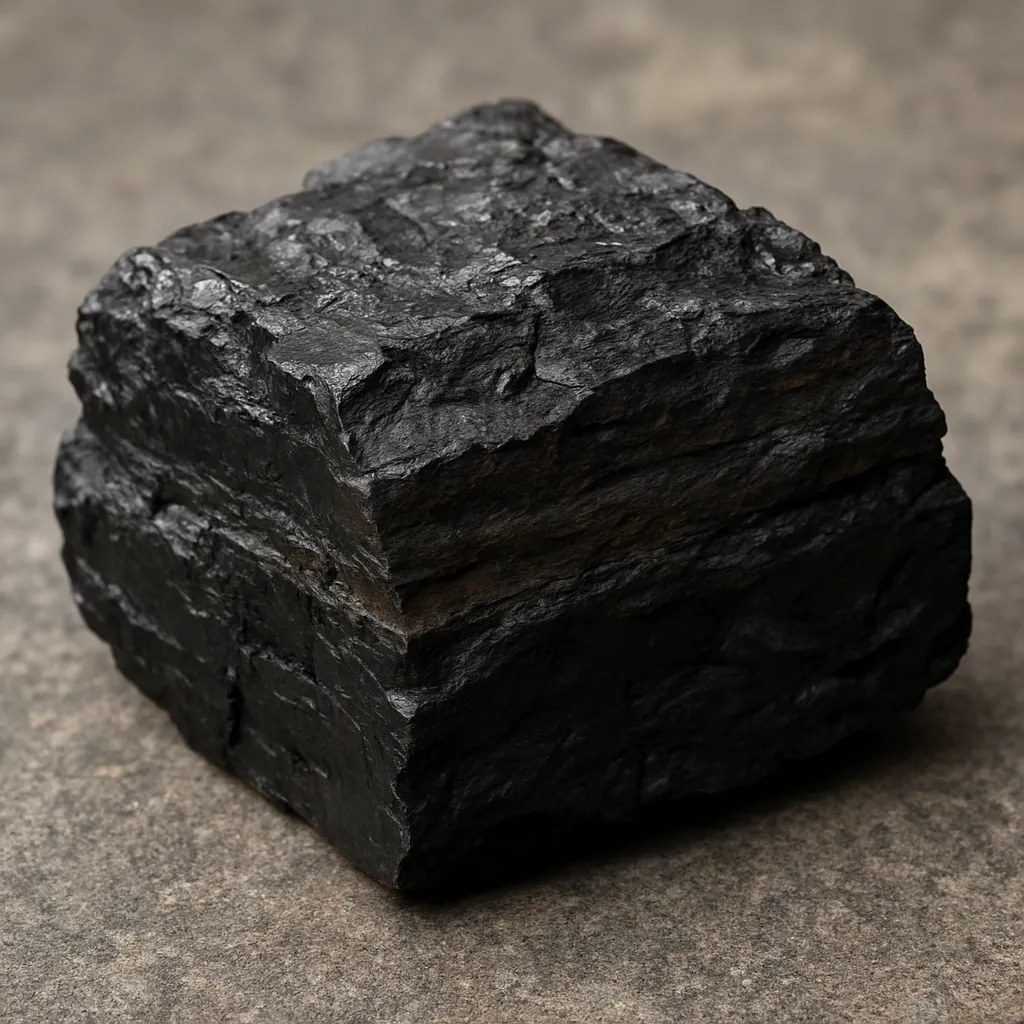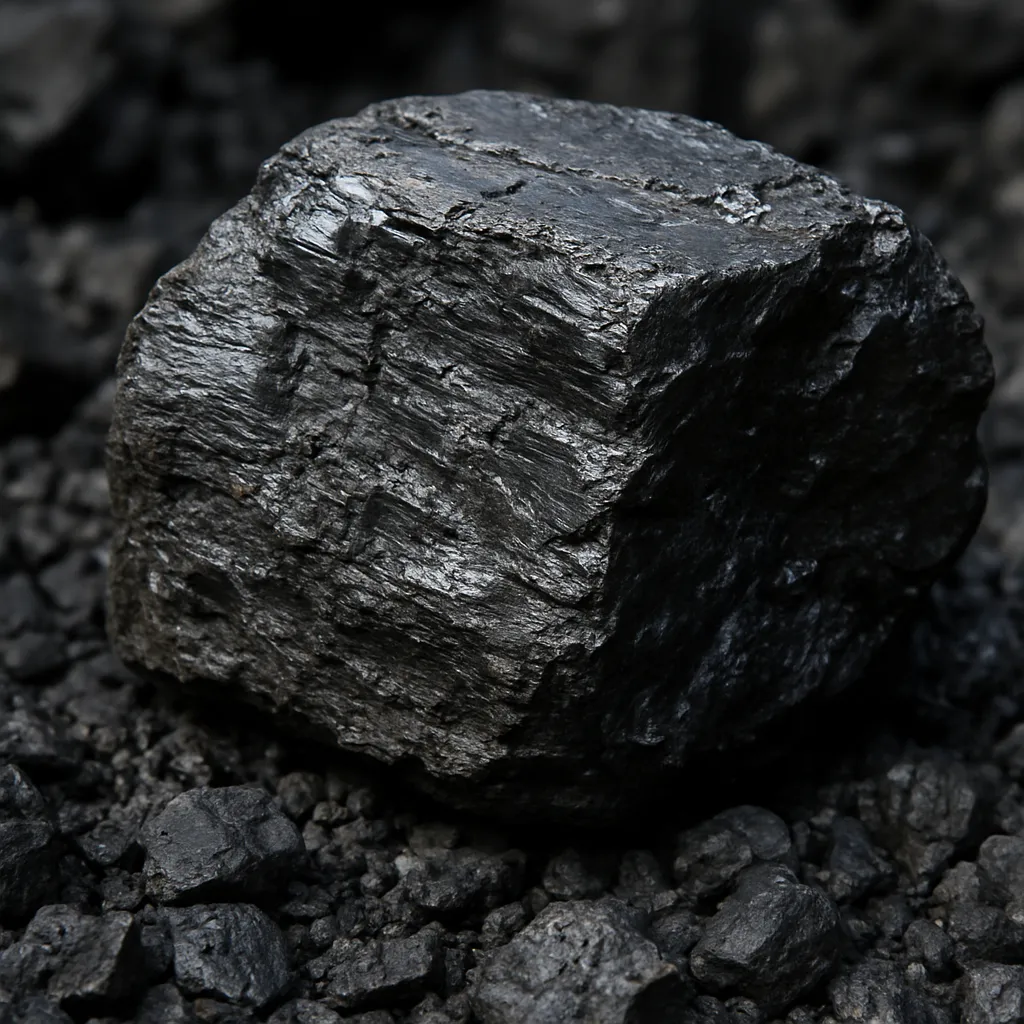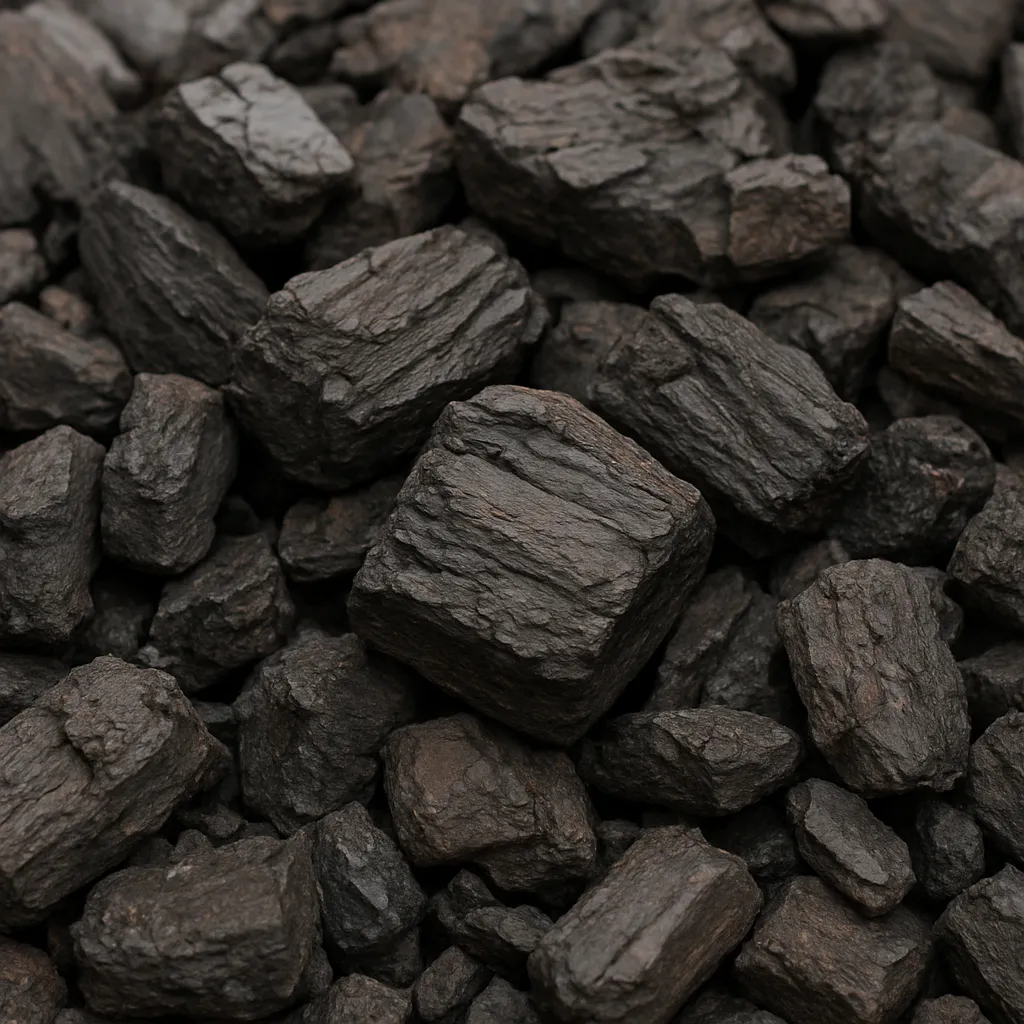
This article examines dried lignite as a fuel: what it is, where it forms and occurs, how it is mined and processed, its economic and industrial role, and the environmental and social questions it raises. Lignite — commonly known as brown coal — is a low-rank coal with high natural moisture and relatively low energy density. Drying lignite to produce a stabilized, higher-quality product is an increasingly important step for improving its calorific value, lowering emissions per unit of energy, and making transport more feasible. Below, multiple aspects are discussed in detail, along with available statistical context and technological options.
Occurrence, geology and major producing regions
Lignite is a naturally occurring sedimentary organic rock formed in young geological basins where plant material accumulated in waterlogged, anoxic environments and was only partially coalified. Compared with higher-rank coals (sub-bituminous, bituminous, anthracite), lignite is characterized by a low degree of carbonization and a relatively high content of inherent moisture and volatile compounds.
Typical geological settings
- Shallow basins, river plains and lacustrine (lake) deposits where thick peat layers were preserved and then buried under sediments.
- Young basins of Tertiary age (Neogene and Paleogene) are common hosts, hence many lignite seams are relatively close to the surface.
- Layering can be extensive but discontinuous; seams are often exploited via open-pit mining because of their shallow depth.
Major lignite producing countries and coalfields
Key producing regions are distributed across Europe, Asia, North America and Australia. Notable examples include:
- Europe: Germany (Rhenish and Lusatian basins), Poland (Bełchatów and Adamów basins), Czech Republic, Greece and Turkey.
- Asia: large deposits in China, India, and Turkey. China produces both bituminous coal and large quantities of low-rank coals including lignite.
- North America: western North Dakota and Texas in the United States host major lignite resources used for mine-mouth power plants.
- Australia: the state of Victoria contains very large brown coal deposits (Latrobe Valley) with extremely high moisture content; these are used primarily for local power generation.
- Russia, Serbia, Bosnia and Hungary also host commercially important lignite deposits.
Because lignite has a low energy density and is cheap per tonne but expensive to transport long distances relative to its energy content, most deposits are exploited for mine-mouth power stations and local industries rather than long-distance export markets.
Physical and chemical properties; advantages of drying
Raw lignite typically carries moisture in the range of 30–60% by weight (sometimes higher in very young deposits). The gross calorific value (higher heating value) of as-mined lignite commonly lies between about 8 and 15 MJ/kg on an as-received basis. On a dry, ash-free basis the energy content is substantially higher; removing moisture therefore offers large performance gains.
Key properties
- Moisture: high; the main limiting factor for energy density and combustion efficiency.
- Volatile matter: relatively high, making lignite easier to ignite but producing more volatiles in combustion.
- Ash content and composition: variable; some lignites have low sulfur but elevated alkali or mineral contents that can affect boiler operation.
- Calorific value: low on an as-mined basis; substantially improved by drying and dewatering.
Drying technologies and outcomes
The term dried lignite covers a range of products and processes. Common approaches include:
- Thermal drying in rotary dryers, fluidized bed dryers or belt dryers using waste heat or dedicated fuel streams.
- Mechanical dewatering (e.g., screw presses, filter presses, mechanical thermal expression) to reduce free moisture before thermal drying.
- Transport-oriented upgrading such as pelletizing or briquetting dried lignite to create a denser, easier-to-handle fuel.
- Advanced processes such as low-temperature torrefaction or chemical stabilization for integration in co-firing or gasification systems.
Typical benefits from drying:
- Increased calorific value per unit mass — dried lignite can reach roughly 12–24 MJ/kg depending on final moisture level and original coal quality.
- Reduced CO2 emissions per megawatt-hour (MWh) generated because less energy is wasted evaporating water during combustion.
- Lower transportation costs per unit energy, making some long-distance transport or rail shipment feasible.
- Improved boiler efficiency and reduced operational problems (less corrosion and fouling associated with wet fuel handling).
Mining methods, logistics and economic characteristics
Given their typical near-surface position, lignite seams are most often mined by open-pit mining, involving large-scale earth-moving equipment and progressive stripping. Underground mining occurs where economic or environmental considerations make surface mining impractical, but it is less common for lignite.
Operational features
- Large volumes: lignite operations move substantial volumes of overburden relative to coal, leading to significant land disturbance.
- Low unit value: the delivered price per tonne is low compared with higher-rank coals, reflecting the abundant local supply and low mining costs.
- Mine-mouth plants: because of transport penalties, power plants and heat plants are usually located very close to the mine, creating integrated mine–power complexes.
Economic indicators and price signals
Prices for lignite are typically expressed on a mine-mouth basis and are, in many jurisdictions, governed by long-term contracts with utilities and state entities. Typical mine-mouth price ranges (indicative, varying by region and time) are:
- $10–$40 per tonne for untreated lignite at the mine, depending on quality and local market conditions.
- Dried and pelletized or briquetted lignite can command higher prices because of added value and lower transport inefficiencies.
Because lignite projects are capital-intensive in terms of mining infrastructure and drying/upgrading plants, economic viability relies on steady long-term demand from power generation and heating. Public policy—carbon pricing, emission limits, and renewable deployment—strongly influences economics in many countries.
Industrial uses and importance
The primary use of lignite is in power generation, both for large central-station plants and for district heating combined heat and power (CHP) systems. Other uses include briquette production for household and industrial heating, gasification for synthesis gas (syngas) and chemical feedstocks, and in some cases low-grade chemical extraction such as humic substances from leonardite (oxidized lignite).
Power generation and CHP
- Because of its abundance near power plants, lignite remains an important fuel for baseload electricity in regions where alternatives are limited or politically sensitive to change.
- CHP plants achieve higher overall fuel efficiency by using waste heat for district heating — an efficient use-case for lignite in colder regions (e.g., parts of Central and Eastern Europe).
Gasification and alternative pathways
Lignite can be gasified to produce syngas for combined-cycle power plants, chemical synthesis, or as a precursor to liquid fuels via Fischer–Tropsch processes. The high moisture of raw lignite makes gasification more challenging and energy-intensive, but drying improves feedstock quality and makes integration with advanced conversion technologies more attractive.
Statistics, production volumes and trends
Precise global statistics vary by source and year, but several robust trends can be noted:
- World coal production (all ranks combined) has fluctuated around 7–8 billion tonnes per year in the late 2010s and early 2020s; lignite/brown coal accounts for a meaningful but minority share of that total, often estimated at roughly 10–15% depending on the year and classification system.
- Major lignite producers in Europe include Germany and Poland. Germany historically mined well over 100 million tonnes annually in the 2010s; policy-driven reductions and phase-out planning have reduced volumes in recent years but it remained one of the largest lignite producers globally.
- Poland operates several important lignite basins supplying large power stations such as Bełchatów, one of Europe’s largest single lignite-fired power plants with annual coal consumption often quoted in the tens of millions of tonnes.
- The United States produces lignite primarily in the upper Midwest; US lignite production is typically measured in tens of millions of tonnes annually and is used largely for nearby power generation.
- Australia’s state of Victoria hosts enormous brown coal resources measured in the multiple billions of tonnes; however, much of that resource is used domestically rather than exported in raw form due to high moisture and low transport efficiency.
Trends to note:
- Policy pressure and climate commitments in many jurisdictions have reduced the share of lignite-fired capacity and prompted accelerated retirement or conversion of plants.
- At the same time, where lignite constitutes a large share of domestic supply and employment (e.g., certain regions in Central Europe), social and economic considerations slow down rapid closures and motivate transition planning and alternative uses such as rehabilitation or redeployment of sites.
Environmental, social and regulatory considerations
Lignite is among the most carbon-intensive fossil fuels per unit of electricity generated, largely because of its low calorific value and high moisture which together raise the CO2 emissions per MWh. Environmental issues associated with lignite include:
- High carbon dioxide emissions from combustion compared to higher-grade coals and natural gas, contributing to climate change.
- Local air pollution: particulate matter, NOx and SOx emissions can be significant without robust emission controls.
- Large-scale land disturbance from open-pit mining, with permanent topography and hydrological changes unless managed and rehabilitated carefully.
- Water use and potential contamination: dewatering and runoff management are important operational concerns.
- Social impacts: large mines and power plants create employment but also generate displacement and require long-term planning for transition as plants close.
Mitigation and policy tools
Mitigation measures include emission control technologies (scrubbers, particulate filters), co-firing with biomass to reduce net CO2 intensity, plant efficiency improvements including drying and fuel upgrading, and implementation of carbon capture, utilization and storage (CCUS) where economically feasible. Policy instruments such as carbon pricing, emissions trading schemes and renewable energy targets directly affect lignite economics and investment decisions.
Case studies and illustrative examples
A few well-known examples help illustrate how lignite functions in practice:
- Bełchatów (Poland): One of the largest lignite-fired power plants in Europe; it illustrates mine–power integration where the adjacent open-pit mine supplies the plant and shapes local economies.
- Rhenish lignite fields (Germany): Historically supplied large volumes to German power stations and industry; the region exemplifies the social complexity of mine closures and the need for transition planning.
- Latrobe Valley (Australia): Hosts very high-moisture brown coal used widely for local generation and highlights the logistical challenges of exporting high-moisture fuels.
Future outlook and innovations
Several pathways are shaping the immediate future for lignite and dried lignite:
- Upgrading and drying technologies will continue to be relevant where lignite resources are abundant and local energy security is a priority; improved drying lowers lifecycle emissions per unit energy and expands potential markets.
- Decarbonization policies will push many regions toward early retirement of lignite capacity; however, transitional strategies — including conversion to gas, deployment of CCUS, and repurposing of assets — can preserve jobs and regional stability.
- Integration with renewable energy and flexible operation: as variable renewables proliferate, dry-lignite-fired plants may be repurposed for peaking and balancing roles rather than baseload, which alters operational economics and emissions profiles.
- Research into advanced gasification, chemical production, and soil amendment products from lignite (e.g., humic acids) may open niche markets that extract more value than combustion alone.
Conclusions — key takeaways
Lignite remains a strategically important but environmentally challenging fuel. Its widespread occurrence in surface-near basins makes it cheap to mine and central to local economies where deposits exist. The process of drying and upgrading lignite can substantially increase its calorific value, reduce emissions per unit of energy and make it more versatile for transport and advanced conversion technologies such as gasification. At the same time, lignite faces significant headwinds from climate policy, market competition from lower-carbon fuels and the increasing competitiveness of renewables. The net result is that lignite — and particularly dried lignite as an improved product — will likely persist in certain regional niches for years to come, but its role will be heavily shaped by technology choices, regulatory frameworks and social transition strategies.