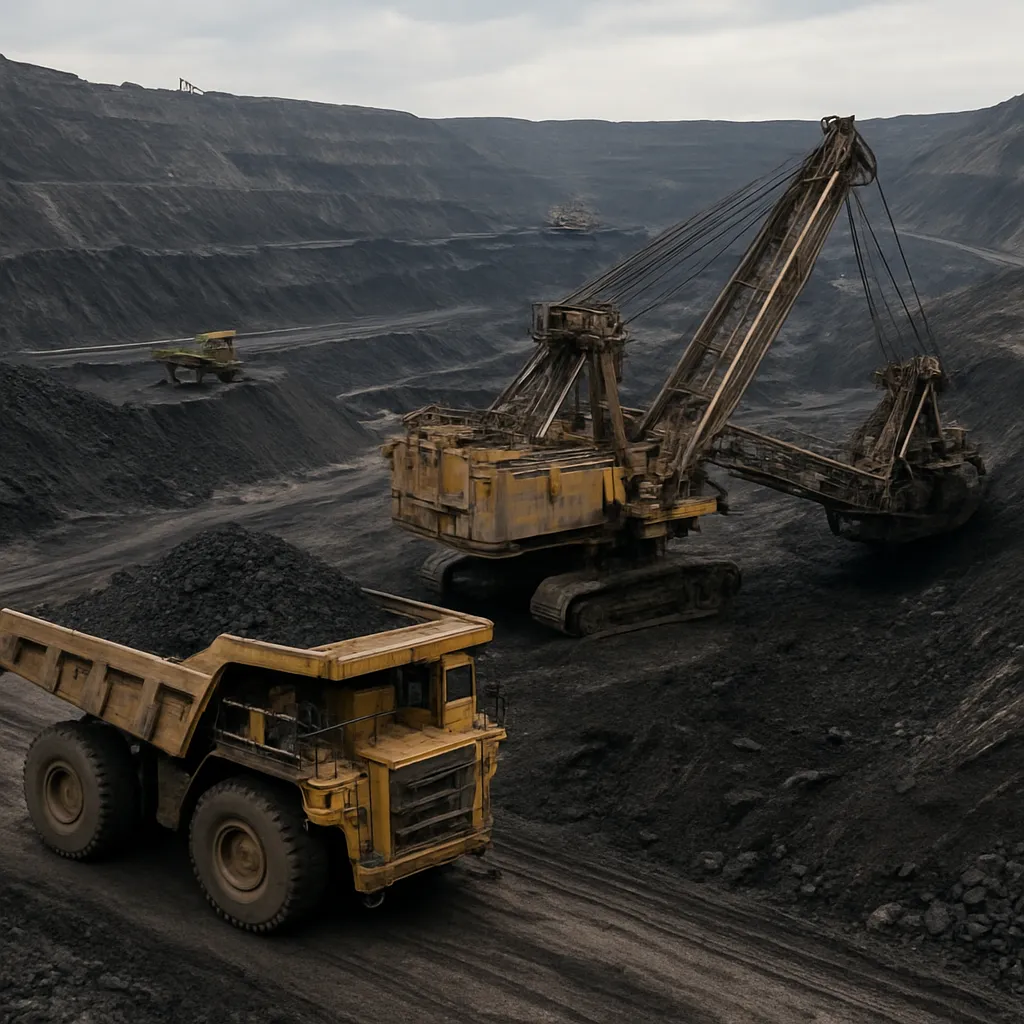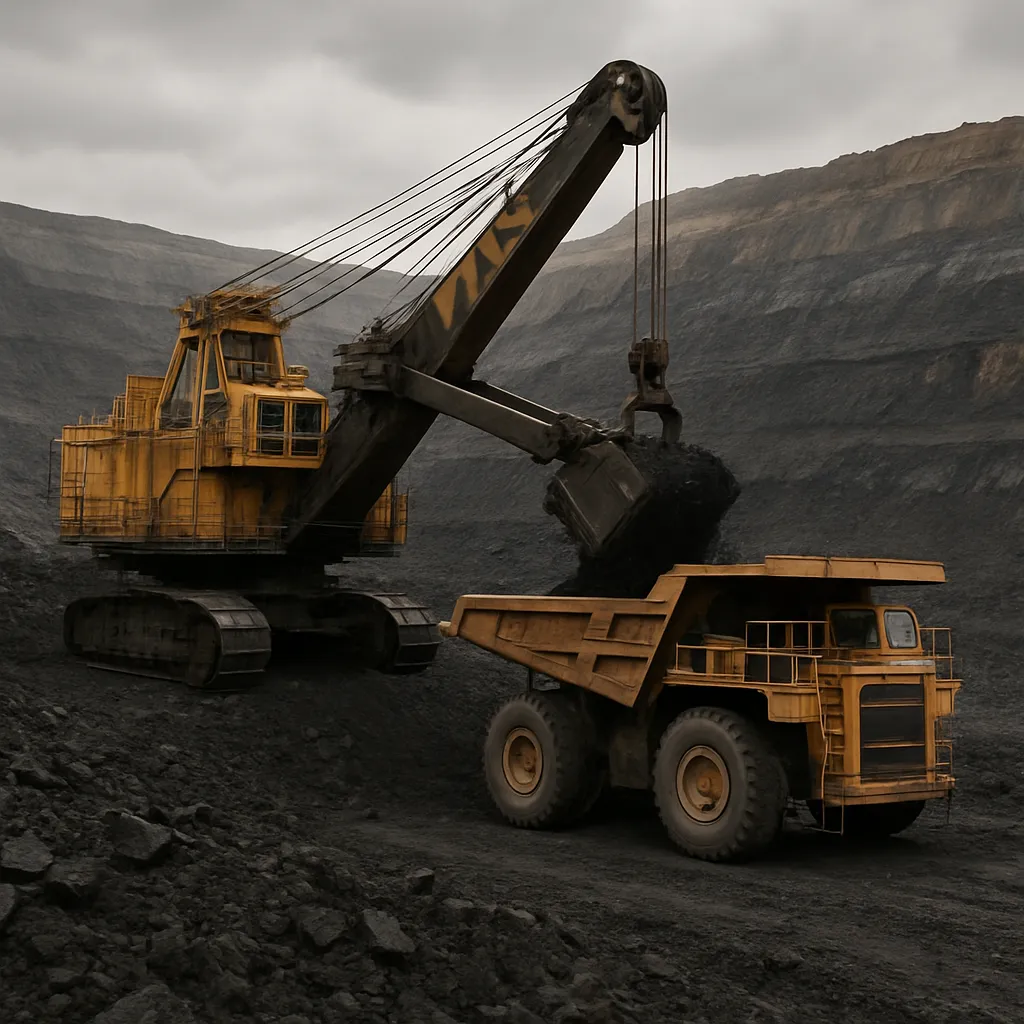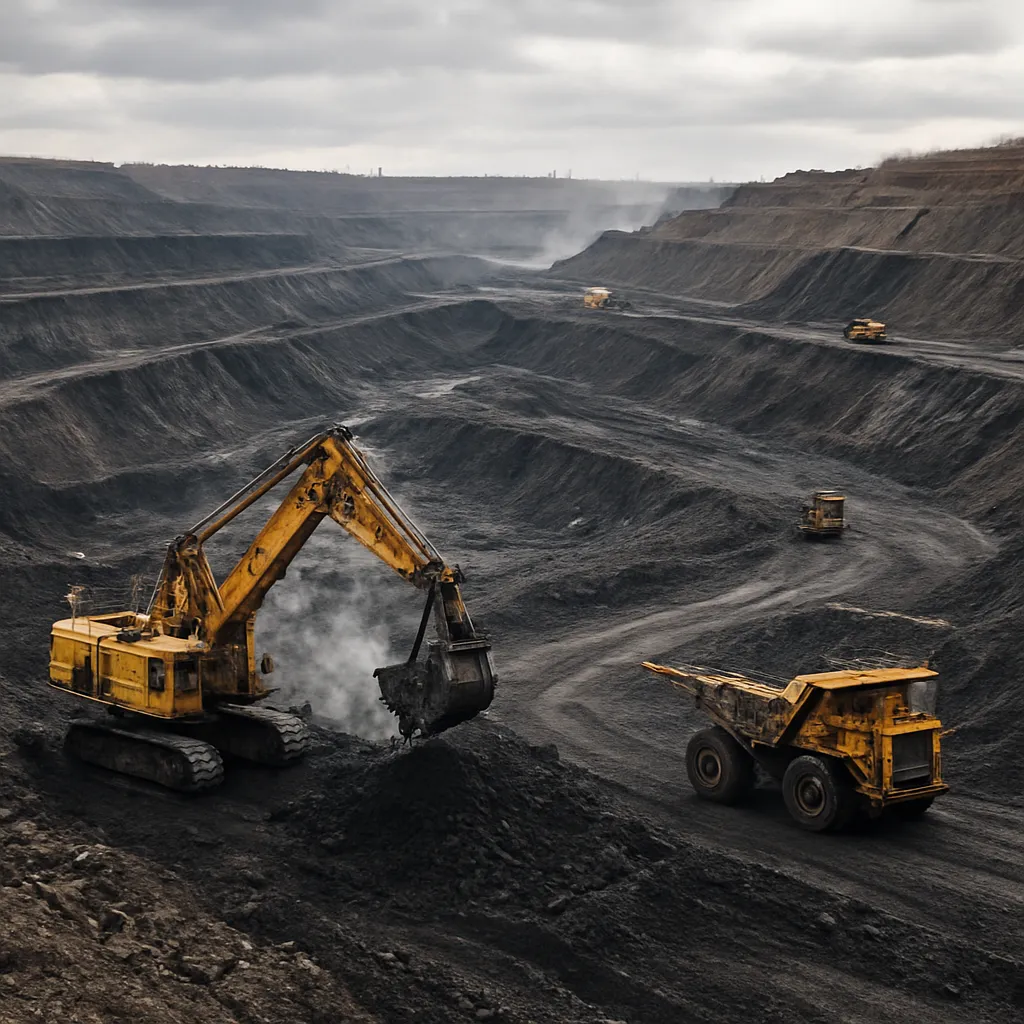
The following article provides a thorough overview of the Uvalnaya Mine in Russia, describing its location, geological setting, the types of **coal** extracted, operational characteristics, economic and statistical context, and its broader importance for industry and the regional economy. Where direct, mine-level statistics are not publicly available, the text uses regional and industry benchmarks to give perspective. The article also covers environmental, social and future-oriented aspects related to mining operations and the place of Uvalnaya in the Russian coal sector.
Location and geological setting
The Uvalnaya Mine is situated in the Russian coal belt commonly referred to in industry literature as part of the broader Kuzbass-Kuznetsk Basin system or adjacent coal-bearing regions. While the exact coordinates and administrative attachment can vary in reports, the mine is associated with the larger network of coal extraction sites that form the backbone of Russia’s inland **energy** and metallurgical fuel supply. The basin around Uvalnaya develops on Paleozoic and Mesozoic sedimentary sequences where organic-rich layers have been preserved and subsequently coalified.
The geology of the area is characterized by multiple seam horizons. Typical seam thicknesses in the region range from less than one metre to several metres, with some thicker benches allowing industrial-scale extraction. The stratigraphy generally includes interbedded siltstone, shale and sandstone layers, and in many places is favorable for both surface (open-pit) and underground mining methods depending on overburden thickness and seam depth.
Uvalnaya lies within a region where tectonic history and long-term burial created coal ranks from lignite and sub-bituminous in shallower basins to higher-ranking coals at depth. Local structural features such as gentle anticlines and synclines influence seam continuity and mining design.
Mining operations and coal types
Operations at Uvalnaya have historically combined mechanized underground extraction with selective surface operations where conditions allow. The mining method, ventilation, and haulage systems are engineered to local seam geometry and geotechnical conditions. Mine infrastructure typically includes:
- shaft and drift access points for underground workings;
- surface conveyor systems and haul roads for coal transport;
- coal preparation plants (washery) to improve product quality;
- ancillary facilities such as workshops, administrative buildings and environmental control systems.
Coal quality at Uvalnaya generally falls into two industrial categories: **thermal coal** for power generation and domestic heating, and **coking (metallurgical) coal** for steelmaking. The precise classification depends on local seam rank and ash/volatile content. In the broader Kuzbass and surrounding coal provinces, a significant fraction of production is medium- to high-volatile bituminous coal suitable for coking after processing. Some seams produce lower-rank coal appropriate for power plants and district heating.
Typical coal properties discussed in technical documents include calorific value (kcal/kg or MJ/kg), ash content (%), fixed carbon, volatile matter and sulfur content. Modern operations at mines like Uvalnaya emphasize coal washing to reduce ash and sulfur before sale—improving calorific value and meeting customer specifications for power utilities and metallurgical consumers.
Economic and statistical overview
Comprehensive, mine-level statistical disclosure for many Russian operations is uneven; Uvalnaya’s publicly available production figures are limited in international datasets. However, to place the mine in context:
- Russia as a whole produced roughly 400–450 million tonnes of coal annually in recent pre-war years, making it one of the world’s top producers. The majority of this output comes from the major basins including Kuzbass, the Pechora Basin, and the Far East.
- The Kuzbass region (Kemerovo Oblast) typically accounts for a substantial share of national production—often cited around 50% or more of Russia’s total hard coal output depending on year and methodology.
- Individual medium-sized mines in this region commonly produce in the range of 1–5 million tonnes per year; larger, fully mechanized operations may exceed this. Small or specialized mines may produce several hundred thousand tonnes annually.
Given these benchmarks, Uvalnaya’s output should be assessed relative to company reports and regional statistics. The mine contributes to local employment, supply chains for coal handling and transport, and income to municipal budgets through wages and taxes. Revenues fluctuate with global and domestic coal prices, exchange rates, and demand from power generation and metallurgical sectors.
Typical cost and revenue considerations for mines like Uvalnaya include:
- operational expenditures: labor, energy, equipment maintenance;
- capital expenditures: infrastructure, conveyors, modernisation projects;
- logistics costs: rail access to ports or domestic consumers, which are critical given Russia’s vast distances;
- value-added through coal processing: washing reduces ash and increases product prices, especially for coking coal.
On the macro level, coal remains an important export commodity for Russia and a key element of domestic energy security. Earnings from coal exports support regional development while also making mines like Uvalnaya a part of broader national energy and industrial strategies.
Importance for industry and regional economy
Mines in the Uvalnaya area hold strategic relevance because they provide feedstock for two major industrial sectors:
- Steel production: coking coal (or coal that can be upgraded to cokeability through processing) is essential for blast-furnace operations. Reliable supplies from inland basins reduce dependence on imports.
- Power generation: thermal coal powers regional power plants and district heating networks during cold months, stabilizing local energy supply.
Beyond direct fuel supply, the mine supports a network of secondary services—maintenance contractors, transport companies (notably railway logistics), local suppliers, and social infrastructure such as housing and healthcare for mine workers. Employment multipliers in coal regions are significant: for each direct mining job, several additional local jobs are supported in services and logistics.
Tax and royalty flows from mines contribute to municipal and regional budgets, funding schools, roads, and civic services. In many coal districts, the mine operator is a major employer and a focal point of community life, sponsoring cultural events and public works.
Environmental, health and social aspects
The environmental footprint of coal mining includes land disturbance, dust and particulate emissions, water use and contamination risks, and generation of waste rock and tailings from washing operations. Mines similar to Uvalnaya implement mitigation and reclamation programs such as progressive backfilling, shaping and revegetation of disturbed areas, dust suppression systems, and closed-loop water treatment in washery facilities.
Occupational health and safety are primary concerns in underground operations: methane drainage, ground control, ventilation, and emergency response systems are essential. Modernization efforts across Russian mines have included mechanization and improved safety monitoring to reduce accident rates and improve working conditions.
Socially, communities near Uvalnaya depend on stable mine operations for livelihoods. However, reliance on a single industry creates vulnerability to commodity price swings and long-term energy transition policies. Diversification of local economies and investment in retraining programs are common policy responses in mature mining regions.
History, ownership and regulatory context
The Uvalnaya Mine—like many Russian coal operations—has evolved through phases of state planning, post-Soviet privatization and recent waves of consolidation and modernization. Ownership structures vary: some mines are operated by large vertically integrated coal companies or holding groups that manage multiple assets, while others are controlled by regional enterprises.
Regulation of coal mining in Russia covers licensing, environmental permitting, labor safety and taxation. Operators must comply with federal and regional legislation governing resource extraction, environmental protection, and workplace safety. In recent decades, regulatory emphasis has shifted toward improving environmental performance and worker safety, while keeping the sector competitive globally.
Statistical snapshot and performance indicators
For stakeholders assessing Uvalnaya or similar mines, key indicators include:
- annual production (tonnes/year);
- recoverable reserves (million tonnes) and remaining mine life based on current production rates;
- coal quality parameters: calorific value, ash, sulfur and moisture;
- washery yield and the split between coking and thermal coal products;
- operating costs per tonne and capital intensity (CAPEX);
- workforce numbers and safety statistics (injury frequency rates);
- logistics throughput: railcars per day, port shipments if relevant.
Publicly available, mine-specific values for these metrics vary; many are reported periodically in corporate documents or regional statistical bulletins. For planning and evaluation it is common to benchmark Uvalnaya against regional averages: mines in the Kuzbass often show unit costs and productivity measures that reflect deep mining conditions, heavy mechanization levels, and proximity to major domestic consumers.
Technological modernization and future prospects
Modern mines in Russia, including sites comparable to Uvalnaya, invest in automation, remote monitoring, and improved processing to remain competitive. Key technology trends include:
- continuous miners and longwall systems for higher productivity;
- real-time monitoring of geotechnical and methane conditions for enhanced safety;
- automated material handling and belt-conveyor optimization to reduce logistics costs;
- advanced washery technologies to increase yield and lower ash levels;
- digitalization of mine planning and asset management.
Longer-term prospects depend on global energy trends and metallurgical demand. As steelmakers increasingly explore lower-carbon production routes and as countries decarbonize their power systems, demand patterns for specific coal qualities may shift. Mines with higher-quality coking coal may retain strategic value for steel production, while thermal coal faces pressure from renewables and gas in some markets. Diversification into coal-byproducts, carbon management measures and reclamation investments are among the responses mines adopt.
Interesting facts and broader context
- Uvalnaya functions within a complex logistics network; rail access is a strategic asset for inland Russian mines, affecting competitiveness.
- The mine region has a history of multi-generational coal mining culture, shaping local identities and settlement patterns.
- Investment cycles in mines like Uvalnaya often follow commodity price booms and policy-driven infrastructure programs aimed at export growth.
- Environmental rehabilitation projects—such as converting mined land to forestry or recreational use—are increasingly integrated into post-mining plans.
- Technological adoption can significantly improve safety metrics and unit production costs: the gap between modern and legacy operations is large.
Conclusions
Uvalnaya Mine represents a typical component of Russia’s extensive coal-mining landscape—an operation embedded in regional geology, industrial supply chains and local economies. While precise, up-to-date mine-level statistics may require consultation of operator reports or regional disclosures, the mine’s role can be understood within the broader framework of Russian coal production: providing essential feedstock for power and steel industries, supporting local employment, and facing both environmental challenges and opportunities for modernization. The future of Uvalnaya will depend on commodity markets, technological investments, regulatory direction and the broader global transition in energy and materials production.