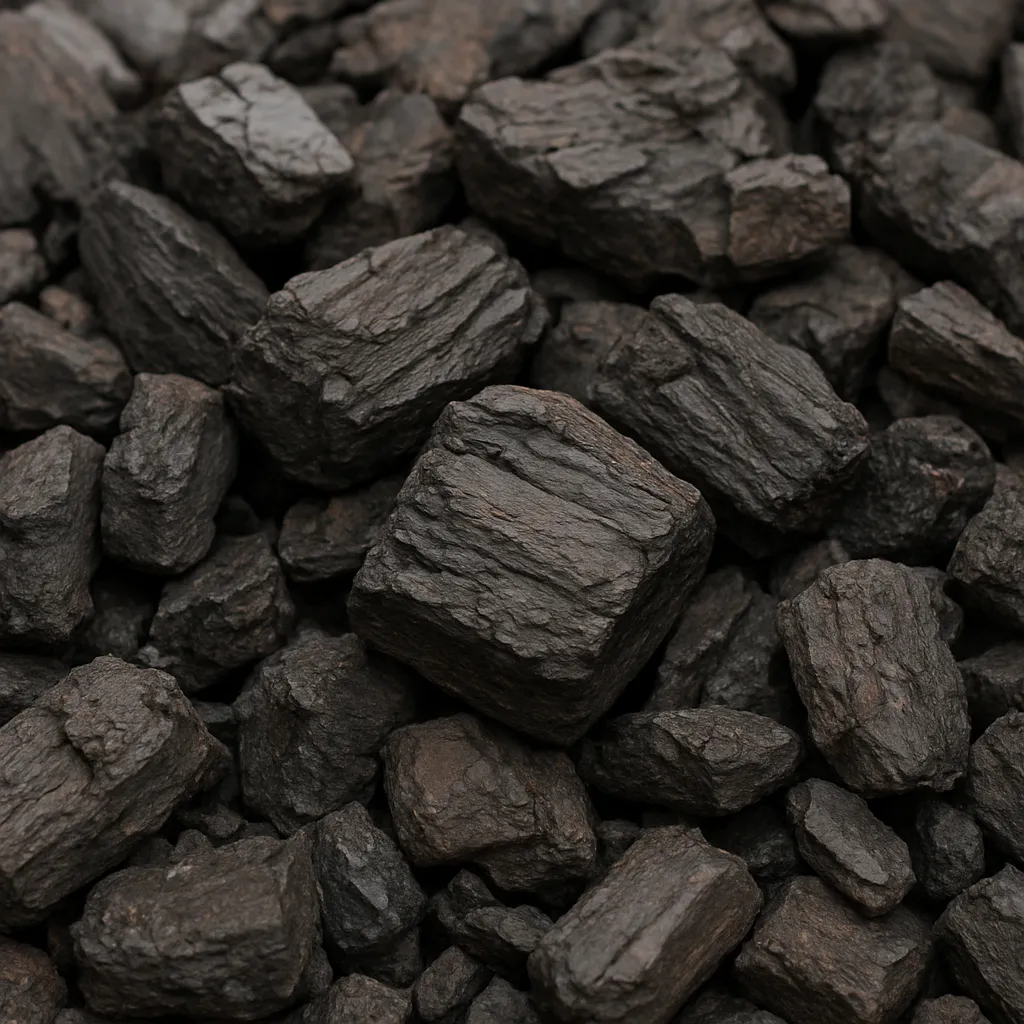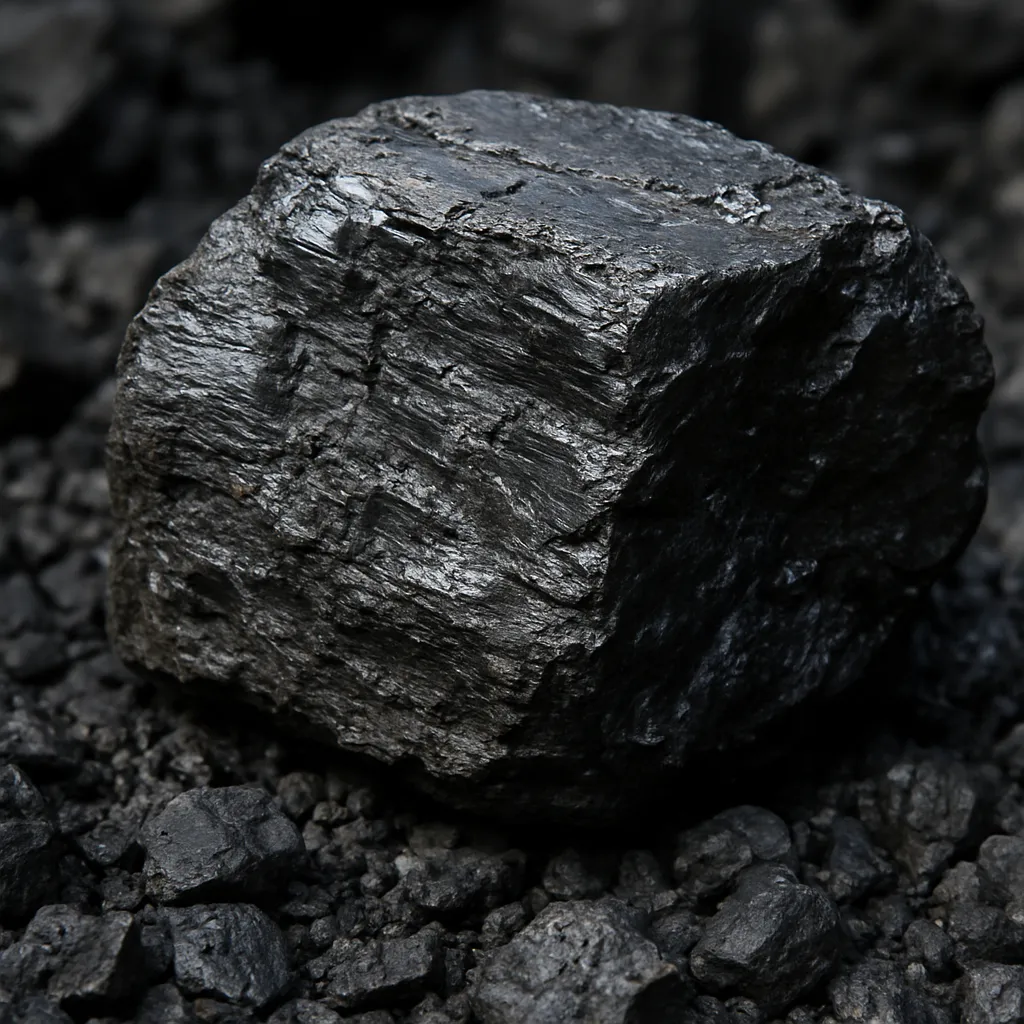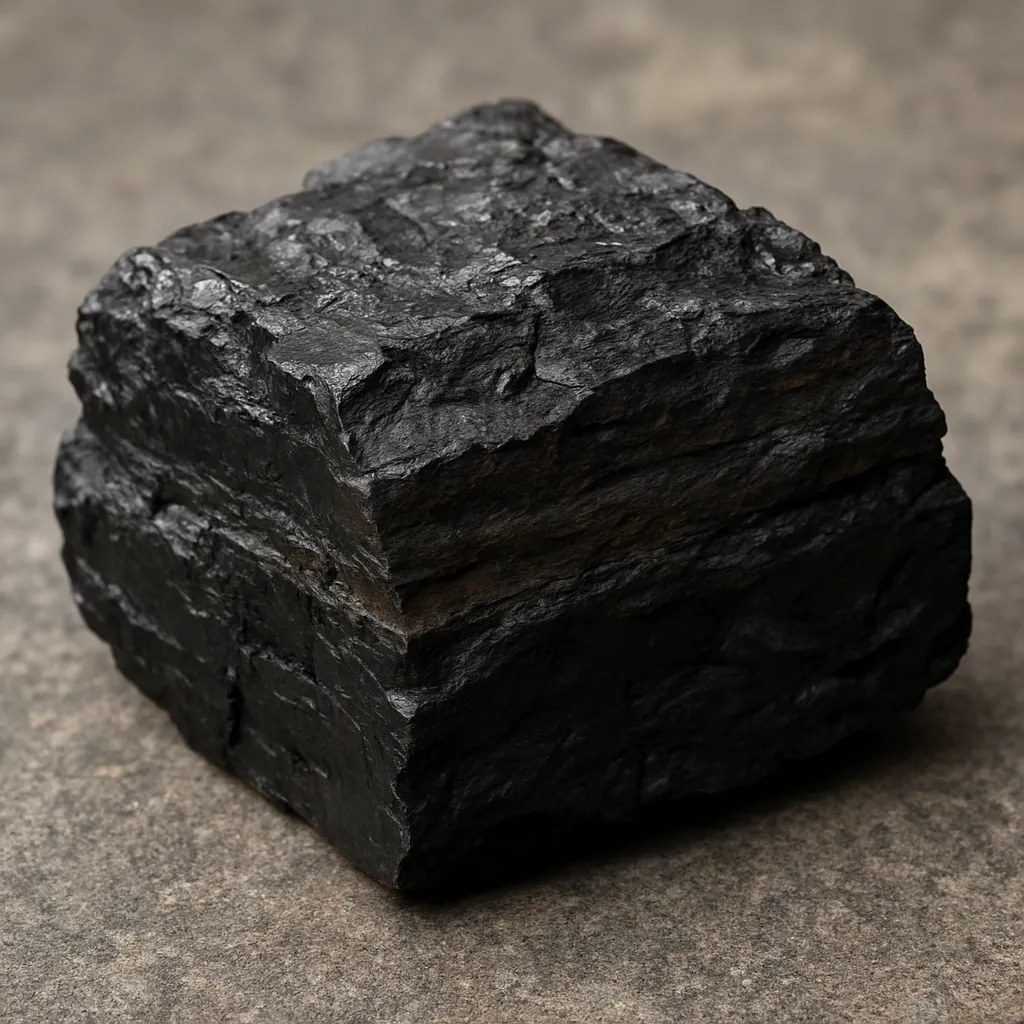
Stabilized lignite is a processed form of brown coal designed to overcome many of the raw material’s handling, transportation and combustion challenges. Through mechanical, thermal or chemical treatments, lignite’s high moisture content and low energy density can be reduced and its physical stability increased, creating a fuel that is easier to store, more efficient to burn and more suitable for broader markets. This article examines where lignite occurs and is mined, the technologies used to stabilize it, its economic and industrial importance, environmental and social effects, and prospects for the future.
Occurrence and major mining regions
Lignite, commonly called brown coal, is the lowest rank of coal formed from compressed peat in relatively recent geological times. It typically occurs in shallow sedimentary basins and large open-pit deposits. Because of its geological formation and physical properties, lignite is often mined locally and consumed near the mine to avoid costly long-distance transport. Major regions and examples include:
- Germany: Europe’s largest lignite producer historically, with several major basins such as the Rhenish (Rheinisches Revier), Lusatian (Lausitz), and Central German basins. German lignite historically supported large lignite-fired power plants and supplied local lignite-based industry.
- Poland: Significant deposits near Bełchatów, Konin and Turoszów (Turów). The Bełchatów mine is one of the largest single open-pit lignite operations in Europe and feeds one of the largest lignite-fired power stations.
- Czech Republic: Lignite basins in North Bohemia and Sokolov provide fuel to regional power generation and industry.
- Greece: Western Macedonia and the Ptolemaida basin have long supplied lignite to domestic power plants.
- Turkey: Several sizable lignite deposits across the country support local power generation and industry.
- Australia: Latrobe Valley (Victoria) contains extensive brown coal resources used primarily in local power plants and for research into drying and upgrading techniques.
- United States: Lignite deposits are present in states such as North Dakota and Texas; U.S. lignite is primarily used in mine-mouth power plants.
- Indonesia, Russia and other regions: Various basins host lower-rank coals and local lignite production.
Because lignite’s high moisture and low calorific content make long-distance transport inefficient, most production is nationally or regionally consumed. Nevertheless, processed or stabilized forms can enable broader markets and even limited export opportunities.
Physical and chemical properties of lignite and why stabilization is needed
Lignite’s raw characteristics distinguish it from higher-rank coals:
- High intrinsic moisture, often in the range of 30–60% by weight (and sometimes higher in very young deposits).
- Low calorific value, typically falling between 8 and 20 MJ/kg (around 2,000–5,000 kcal/kg) depending on moisture and ash content.
- High volatile matter and relatively low fixed carbon compared with bituminous coal.
- Variable ash and sulfur content, often relatively low sulfur but sometimes elevated ash minerals depending on deposit.
- Physically soft and friable, prone to spontaneous heating and degradation when stored in piles.
These properties create several operational challenges:
- Poor energy density makes transportation uneconomic beyond short distances.
- High moisture reduces combustion efficiency and increases emissions per unit energy.
- Raw lignite is susceptible to self-heating and biological degradation during storage.
- Dust, slurry formation, and handling losses complicate logistics.
As a result, a suite of stabilization and upgrading techniques have been developed to produce stabilized lignite products that are safer, more energy-dense and more valuable.
Stabilization and upgrading methods
Stabilization can be achieved by a variety of mechanical, thermal and chemical processes. The common goals are to reduce moisture, increase calorific value, enhance physical integrity and improve combustion characteristics. Key methods include:
Drying and mechanical dewatering
- Low-temperature drying, hot air drying or belt dryer systems remove free moisture and some bound water, improving calorific value and storage stability.
- Mechanical dewatering systems (centrifuges, presses) are used where lignite is mined with high free water content (e.g., when extracted as slurry).
Briquetting and pelletizing
- Briquetting compresses lignite with or without binders into dense blocks that resist crumbling and spontaneous oxidation, improving handling and combustion. Briquettes can be used in domestic and industrial boilers.
- Pelletizing, sometimes after partial drying or torrefaction, produces uniform pellets suitable for co-firing in power plants or export.
Torrefaction and mild pyrolysis
- Torrefaction is thermal treatment at 200–300°C in an inert or low-oxygen atmosphere. It drives off moisture and light volatiles, increases hydrophobicity and produces a coal-like product often called “bio-coal” or torrefied coal.
- Torrefied lignite has higher energy density, better grindability and improved storage characteristics, making transport and co-firing with hard coal more feasible.
Chemical stabilization and binders
- Chemical additives or binders (e.g., organic resins, lignosulfonates) can be applied during briquetting to improve mechanical strength.
- Catalytic or chemical pre-treatments can be used before gasification to reduce problematic constituents.
Drying combined with beneficiation and washing
- Removing high-ash mineral fractions via washing or beneficiation improves calorific value and reduces ash-related problems.
- Combined drying and washing produces a cleaner, higher-quality product suitable for more efficient combustion or conversion.
Gasification and conversion to synfuels or chemicals
- High-temperature gasification converts lignite into syngas (CO + H2), which can in turn be used to produce synthetic natural gas, methanol, Fischer-Tropsch liquids or chemicals. Gasification effectively stabilizes the energy content by converting solid fuel to a transportable gas or liquid energy carrier.
Each method involves trade-offs: drying and torrefaction require energy input; chemical binders add cost and sometimes ash; gasification needs substantial capital investment but can deliver high-value products and reduce some emissions when coupled with emission-control technologies.
Economic and industrial significance
Lignite has played a crucial role in the energy mix of several countries, especially where abundant deposits are located near population or industrial centers. Its economic role comprises several elements:
- Energy supply and baseload generation: Lignite has historically supplied stable baseload electricity at relatively low fuel cost for plants located near mines. For regions with limited alternatives, lignite-based power offered energy security and predictable prices.
- Regional employment and local economies: Mines, power plants and processing facilities provide employment, often being major employers in otherwise rural regions. The presence of lignite industries shapes infrastructure, local tax revenues and regional development.
- Feedstock for industry: Beyond power, upgraded lignite can feed gasification plants, fertilizer production and chemical synthesis in integrated projects.
- Export potential when stabilized: Raw lignite is rarely exported long distances. However, stabilized products — briquettes, pellets, torrefied coal or liquid/gaseous derivatives — can be exported or used to replace higher-grade coals in certain applications.
Statistical context (approximate and indicative, as values vary year-to-year):
- Global lignite (brown coal) production is a significant portion of total coal output but smaller than hard coal production. Estimates place annual lignite production in the hundreds of millions of tonnes globally. Production figures fluctuate by country policies, market demand and plant retirements.
- In Europe historically, lignite accounted for a substantial share of domestic coal consumption in countries like Germany, Poland and the Czech Republic—often supplying tens to hundreds of millions of tonnes annually per country at peak periods.
- Unit economics: raw lignite’s delivered cost to a mine-mouth power plant is typically low due to proximity, but energy cost per unit of heat can be higher than higher-rank coals after accounting for lower calorific value and higher moisture.
Because of the low market value of raw lignite, profitability depends on integrated operations (mine + plant) and competitive advantages such as proximity to demand and low transport costs. Stabilization increases value-per-tonne, widening potential markets and potentially improving margins if processing costs are controlled.
Industrial uses and value chains
Typical uses and value-added pathways for stabilized lignite include:
- Direct combustion in mine-mouth or nearby thermal power plants, often with fluidized-bed boilers that can handle higher moisture and ash.
- Co-firing with hard coal or biomass after torrefaction or pelletizing to improve calorific balance and reduce emissions.
- Briquettes and pellets for industrial and residential heating markets where permitted and economical.
- Gasification to produce syngas for chemicals, synthetic fuels, hydrogen production or synthetic natural gas.
- Specialty products: activated carbon or carbonaceous feedstocks for industry derived from processed lignite fractions.
Environmental, health and social impacts
Lignite extraction and use carry notable environmental and social consequences, which have driven policy debates and closure plans in several countries. Key impacts include:
- Greenhouse gas emissions: Lignite combustion emits more CO2 per unit of energy than higher-rank coals, due primarily to lower calorific value and higher moisture content. Typical operative emission intensities of lignite-fired electricity generation are among the highest in the fossil fuel sector.
- Local air pollutants: sulfur, nitrogen oxides, particulates and mercury can be significant without effective end-of-pipe controls. Modern plants mitigate these emissions but at additional cost.
- Land use and ecosystem disruption: open-pit mining reshapes landscapes, requiring large-scale overburden removal and long-term reclamation. Impacted ecosystems and agricultural land pose restoration challenges.
- Groundwater and hydrology: mining can lower water tables, affect streams and require dewatering, with consequences for local water supplies and ecosystems.
- Social impacts: community displacement, changes in employment structures, public health concerns and the socio-economic transition when mines or plants close.
Stabilization can reduce some environmental risks (e.g., lowering spontaneous combustion and dust), but intrinsic greenhouse intensity remains unless combined with carbon capture or conversion to lower-emission derivatives. Policy trends toward decarbonization and stringent air-quality standards have pushed many governments to plan lignite phase-outs or to accelerate investments in control technologies and just transition policies.
Technological innovation and mitigation
Several technological paths aim to reduce the environmental footprint of lignite or to convert its economic value into less-carbon-intensive products:
- High-efficiency low-emissions (HELE) power plants: supercritical or ultra-supercritical designs can improve efficiency, reducing CO2 per MWh, but are more commonly applied to higher-grade coals.
- Carbon capture, utilization and storage (CCUS): when coupled with lignite-fired plants, CCUS can capture a portion of CO2 emissions. However, the economics are challenging and require policy support, high CO2 prices or incentives.
- Gasification to produce hydrogen or synthetic fuels: when combined with CCUS, lignite-derived hydrogen or synfuels can have lower lifecycle emissions for specific uses.
- Advanced drying, torrefaction and briquetting reduce transport emissions and improve combustion efficiency, enabling partial substitution for higher-grade coals or biomass co-firing.
- Mine reclamation and land-use planning: ecological restoration, redevelopment for agriculture, recreational areas or industrial parks can mitigate long-term landscape impacts.
Market dynamics, policy and future outlook
Several forces shape the near- and medium-term prospects for stabilized lignite:
- Climate and energy policy: Emissions reduction targets and carbon pricing make unabated lignite less competitive. Regions committed to net-zero goals are phasing out lignite plants or converting them to lower-carbon operations.
- Technological cost trends: reductions in the cost of renewables and storage continue to challenge lignite’s role in power systems. Conversely, improvements in drying, torrefaction and gasification could preserve niche roles if economically viable.
- Energy security and diversification: some countries with abundant lignite view it as a domestic fuel that can supply baseload capacity and reduce dependence on imports; stabilization can extend this strategic role by allowing more flexible uses.
- Local socio-economic factors: in mining-dependent regions, political and social considerations slow rapid closures and push for managed transitions that preserve jobs and economic stability.
Possible futures include:
- Managed decline in many developed markets, with accelerated closures, site remediation and worker retraining.
- Continued use in regions where alternatives are costly or infrastructure-limited, often accompanied by incremental upgrades and mitigation measures.
- Conversion to higher-value chemical and fuel products via gasification and integrated facilities, especially where strategic investments and policy frameworks support CCUS.
- Specialized stabilized products (pellets, briquettes) finding niche markets where cost and logistics justify their use.
Interesting case studies and practical considerations
Several real-world examples illustrate how stabilization changes lignite’s utility and economics:
- In Germany and Australia, research into large-scale drying and torrefaction aimed to create exportable brown-coal products, but high processing costs and changing market dynamics limited expansion.
- Poland’s large mine-power complexes historically showed how integrated operations can supply low-cost electricity while creating heavy local dependence on lignite; contemporary policy pressures are driving planned transitions and modernization efforts.
- Mine-mouth power plants in the U.S. demonstrate that proximity between extraction and use reduces logistics costs, but as grids evolve, these installations face competition from lower-emission options.
For stakeholders considering stabilized lignite projects, important practical factors include:
- Energetic payback of stabilization: the energy consumed in drying or torrefaction must not exceed the gains in transport and combustion efficiency.
- Capital and operating costs versus realized market prices for upgraded products.
- Environmental permitting and community acceptance, which can be decisive in project timelines and costs.
- Availability of markets for higher-value outputs such as syngas, hydrogen or liquid fuels if gasification is chosen.
Conclusions and strategic takeaways
Stabilized lignite represents an effort to extract more value and utility from a widely available but intrinsically low-grade fossil fuel. Through drying, briquetting, torrefaction and conversion technologies, lignite can be made safer to store, easier to transport and more flexible in its applications. Economically, stabilization can expand markets and enhance regional development opportunities, but these gains must be balanced against processing costs, energy inputs and increasingly stringent environmental constraints.
Policy trends toward decarbonization, improvements in renewable energy economics and public concerns about local impacts mean that the future of lignite will vary strongly by region. In some areas, stabilized lignite may serve as a transitional resource or feedstock for lower-emission derivatives; in others, rapid phase-out and economic diversification will be the dominant trajectory. For communities and investors, the key strategic questions revolve around the scale and timing of investments in stabilization technologies, the availability of markets for upgraded products, and the policy environment for emissions and land reclamation.
Overall, stabilized lignite is not a single, fixed commodity but a set of technological pathways that can transform a locally abundant resource into a more useful, if still contested, energy and industrial feedstock. Its role in the energy transition will depend on technology costs, climate policy, and the social choices made by affected countries and regions.