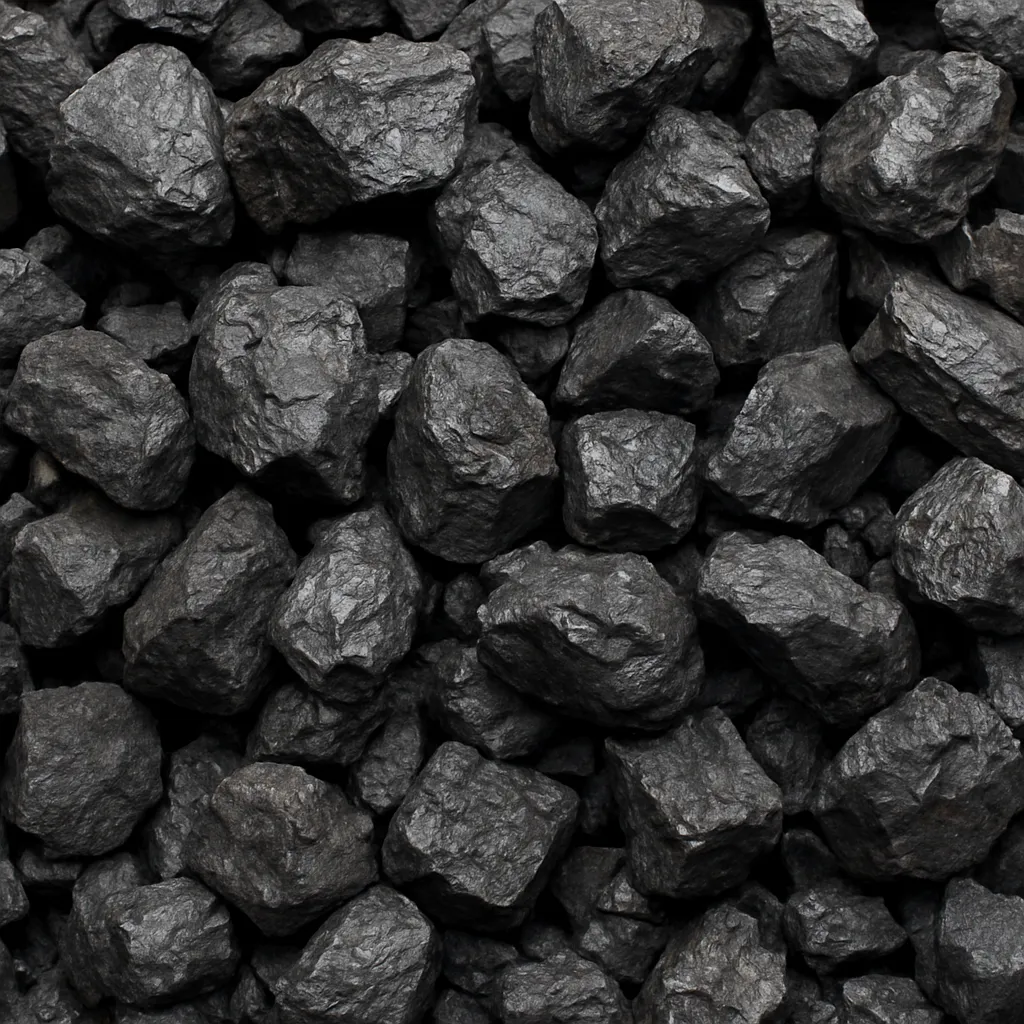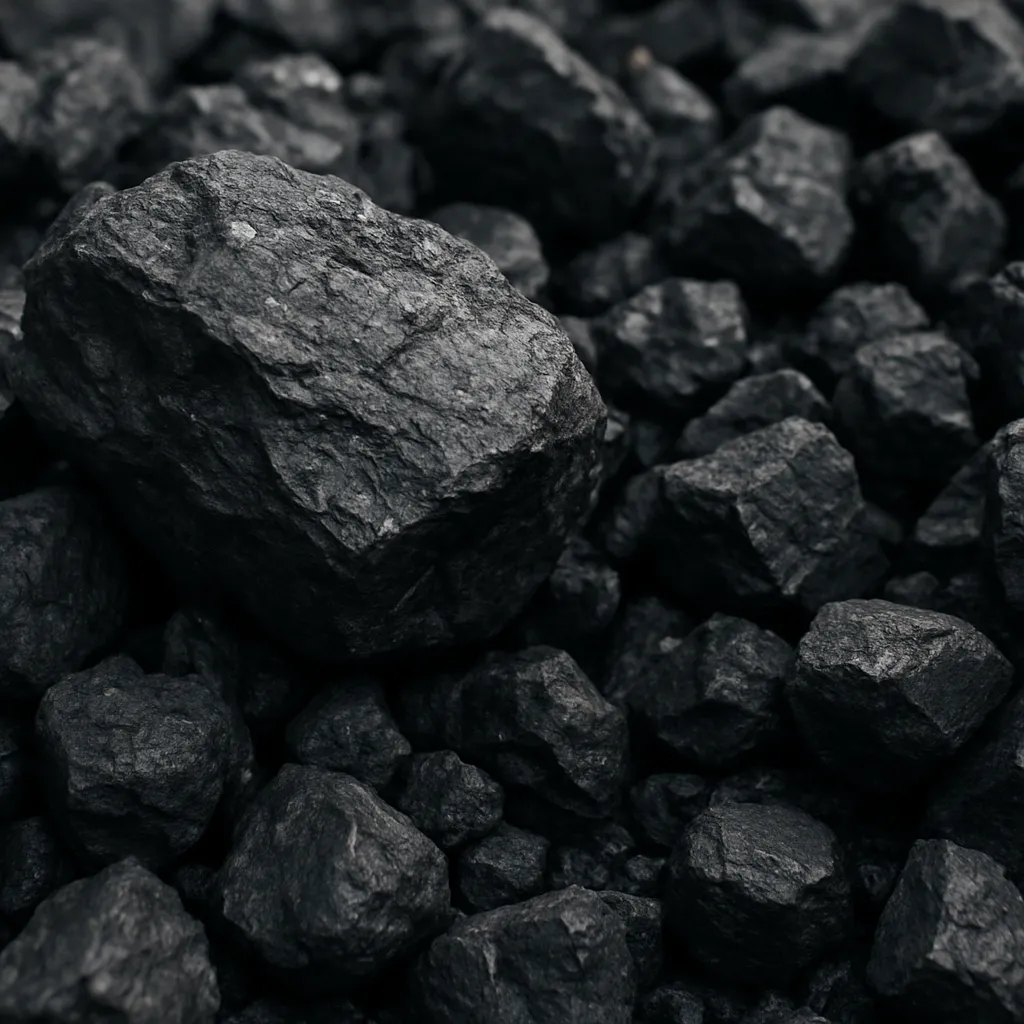
Low-caking coal is a specific category of coal defined by its limited tendency to soften, swell and fuse when heated in the absence of air. Unlike coking or strongly caking coals that are essential for producing metallurgical coke, low-caking varieties have properties that make them better suited to direct combustion, pulverized coal injection (PCI) in blast furnaces, gasification, and other industrial applications where formation of a coherent coke mass is undesirable. This article surveys the geology, global occurrence, mining regions, economic importance, industrial uses, market dynamics, testing parameters and environmental considerations associated with low-caking coal.
Geology and Technical Characteristics
Coal rank and petrographic composition largely determine whether a coal will be caking or non-caking. The tendency to cake is linked to the coal’s plasticity during heating and to the proportions of vitrinite and other macerals. Low-caking coals generally display a minimal or absent plastic range, and when tested they yield low values on standardized indices that measure caking potential.
Key technical metrics used to classify and evaluate low-caking coal include the Free Swelling Index (FSI), Gieseler plastometer readings, volatile matter, moisture content, fixed carbon, and ash yield. Typical traits of low-caking coals are:
- FSI close to zero or very low (commonly FSI 0–2 for clearly non-caking to weakly caking coals).
- Limited or no plastic range on the Gieseler plastometer — the coal does not flow and form a coherent mass.
- Often higher volatile matter and moisture compared with coking coals, especially when the coal is sub-bituminous or low-rank bituminous.
- Calorific value that can range widely depending on rank — many low-caking coals are thermal grades with gross calorific values from approximately 12–28 MJ/kg (roughly 3,000–6,700 kcal/kg).
- Varied ash and sulfur content depending on seam geology; some low-caking coals are prized for low ash and low sulfur.
Because they do not form strong, porous coke, low-caking coals are unsuited for conventional coke-making in coke ovens but are often preferred where a robust coke is not required or where coal is used for fuel, feedstock for gasification, or as injection coal in ironmaking.
Where Low-Caking Coal Occurs and Where It Is Mined
Low-caking coal deposits occur globally and are not restricted to any single coal basin or geological period. Many seams within extensive basins yield coals that are non-caking or only weakly caking. Common types of low-caking coal include sub-bituminous coals, some low-volatile bituminous coals, and certain ranks of lignite that lack the petrographic characteristics that confer caking behavior.
- Indonesia: A dominant exporter of sub-bituminous, low-caking thermal coal. Much of Indonesia’s export coal is used for power and industrial boilers across Asia, but certain low-ash, low-sulfur seams are also used for PCI or industrial processes.
- Australia: Produces large volumes of thermal (non-coking) coal as well as distinct coking grades. Australian thermal coal often supplies power plants in Japan, South Korea and increasingly to China and India. Some Australian deposits yield low-caking coals suitable for PCI blending.
- Russia and Kazakhstan: Vast basins containing a mix of coking and non-coking coals. Russia exports significant volumes of thermal and low-caking coals to European and Asian markets.
- United States: Regions such as the Powder River Basin supply large amounts of low-rank, low-caking sub-bituminous coal for domestic power generation and export. Appalachia contains more coking coals, while other US basins provide non-caking grades.
- South Africa: Produces both coking and thermal coals; certain thermal coal seams are low-caking and are important for domestic power and industry.
- India and China: Both major producers of a range of coal grades. Many domestic thermal coals are non-caking and critical to national power systems and industry.
Mining methods for low-caking coal mirror those for other thermal coal grades: large-scale open-pit (surface) mining dominates in deposits with thick seams and shallow overburden, while underground methods are used where geology or regulations dictate. Logistics — port capacity, rail infrastructure and proximity to end-users — strongly influence which seams are developed and exported.
Industrial Uses and Importance
Low-caking coal plays a diverse role across industries:
- Power generation: The largest single use globally. Low-caking sub-bituminous and bituminous coals are burned in pulverized coal boilers, fluidized bed systems and other thermal plants. Their combustion properties, ash behavior and emissions profile guide plant design and coal selection.
- Steelmaking – Pulverized Coal Injection (PCI): Many blast furnace operations use PCI to reduce coke consumption. Low-caking coals, particularly those that grind well and have favorable volatile and ash properties, are suitable for PCI because they can be injected without producing troublesome coke lumps. The adoption of PCI has grown as steelmakers seek to cut costs and coke requirements.
- Gasification and chemical feedstock: Low-caking coals can be feedstock for integrated gasification processes that produce syngas for power, hydrogen or chemical synthesis. Non-coking characteristics are often desirable for consistent gasifier operation.
- Cement and other industrial fuel applications: Thermal coals are used for kiln heat and process heat; low-caking behavior prevents operational issues in burners and preheaters.
- Domestic and municipal uses: In regions where processed coal briquettes or smokeless fuels are produced, low-caking coal may be blended or treated to produce uniform briquettes.
Because low-caking coals are not suitable for traditional coke-making, they have a different market and price structure compared to coking coals. Where PCI or gasification demand exists, certain low-caking grades can command premiums, especially when low sulfur and low ash accompany the low-caking trait.
Economic and Market Dynamics
The economics of low-caking coal are shaped by several interacting factors:
- Global demand for thermal coal in electricity generation — while some markets in developed economies are reducing coal use for climate reasons, many emerging economies continue to rely on coal for a substantial share of power generation. As a result, demand for high-quality low-caking thermal coal remains significant in Asia and other regions.
- Steel industry trends — investment in steelmaking technologies such as PCI and shift to direct reduced iron (DRI) or electric arc furnaces (EAF) change the nature and volume of coal demand. PCI supports continued demand for certain pulverizable low-caking coals, while DRI relies more on natural gas or hydrogen.
- Logistics and transport costs — low-caking coal exporters who can offer stable supply, competitive freight, and efficient port handling gain market advantages. Market access influences grade premiums; for example, low-ash/low-sulfur, low-caking coals earn better prices in East Asia.
- Regulatory and environmental policies — emissions controls, carbon pricing and coal plant retirements affect demand and prices. Where climate policy is stringent, coal demand and prices decline; in contrast, regions prioritizing energy security may sustain or increase imports of thermal coal.
Pricing: historically, thermal (non-coking) coal tends to trade at a discount relative to high-quality coking coal, which is essential for blast-furnace coke. However, specialized low-caking grades with excellent injection characteristics, low ash and low sulfur can fetch higher prices than generic thermal coal. Spot market volatility, freight rates and currency movements also drive short-term price swings.
Statistics and Global Context
While specific volumes of “low-caking” coal are not always separately tallied in broad statistical databases (since national statistics typically report by rank and end-use rather than caking behavior), several global patterns are clear:
- Coal remains a major global primary energy source, historically accounting for more than a quarter of world primary energy and roughly one-third of electricity generation in many recent years. Its share has gradually declined in some regions due to renewables and gas but remains large in others.
- Exports of thermal coal are dominated by a few countries. Indonesia has been the world’s largest thermal coal exporter in recent years, supplying much of Asia. Australia is a leading exporter overall, including both thermal and metallurgical grades. Other significant suppliers include Russia, South Africa and the United States.
- The steel sector’s use of coal is significant though smaller in volume than power-generation coal. Consumption patterns change with technological choices (blast furnace vs DRI/EAF) and with commodity cycles in iron ore and steel.
To place low-caking coal in perspective: a notable share of traded coal—especially sub-bituminous and certain low-volatile bituminous shipments—will be low-caking by nature. End-use allocations (power plants vs steel furnaces vs industrial consumers) further determine which exported coal shipments are characterized and marketed as low-caking.
Environmental, Regulatory and Technological Considerations
Environmental issues shape the present and future market for low-caking coal. Key concerns include greenhouse gas emissions, particulate matter, sulfur oxides, nitrogen oxides and ash disposal. Some points to consider:
- Emissions and efficiency: lower-rank low-caking coals may contain higher moisture and lower calorific value per tonne, which can translate to higher CO2 emissions per unit mass burned. However, emissions per unit of useful energy depend on plant efficiency and pollution-control technologies.
- Air quality regulations: stringent sulfur and particulate limits incentivize the use of lower-sulfur, low-ash coals or the installation of flue-gas desulfurization and particulate capture systems.
- Decarbonization trends: pressure to reduce coal use for climate reasons drives innovation in carbon capture and storage (CCS), co-firing with biomass, and fuel switching. Low-caking coal used in gasification or for syngas-to-hydrogen pathways can be integrated into lower-carbon industrial processes if paired with CCS.
- Technological responses in steelmaking: PCI reduces coke demand and can lower emissions and costs in blast furnace operations. At the same time, expansion of DRI and EAF routes, often powered by lower-carbon electricity or hydrogen, puts downward pressure on coal demand for steel over the long term.
Lifecycle and End-of-Life Aspects
Mine reclamation, ash management, and mitigation of methane emissions from coal seams are important environmental management tasks for low-caking coal operations. Responsible operators are evaluated on their practices for land restoration, water handling, and community engagement. Where low-caking coal is used in gasification or chemical processes, lifecycle analysis can show different emissions profiles compared to direct combustion.
Testing, Quality Control and Blending Practices
Quality characterization is central to marketing low-caking coal. Common tests and indices include:
- Free Swelling Index (FSI): a primary proxy for caking behavior; low values indicate non-caking.
- Crucible swelling, Gieseler plastometer: more detailed lab tests that examine plasticity and flow during heating.
- Proximate and ultimate analyses: moisture, volatile matter, fixed carbon, ash, sulfur and calorific value.
- Size distribution and grindability: important for PCI and pulverized-coal combustion.
Blending is a common practice to meet client specifications. Low-caking coal may be blended with stronger caking coals to alter coke properties, or blended with other thermal coals to meet calorific or ash constraints for power plants. For PCI, coal suppliers and steelmakers collaborate closely to select blends that optimize furnace performance and minimize costs.
Interesting Applications and Innovations
Some less obvious or emerging uses and developments for low-caking coal include:
- Coal-to-liquids and coal-to-chemicals projects that prefer consistent, non-caking feedstocks for certain reactors.
- Production of coal-water slurries and briquettes where binding and stability are controlled by additives rather than by the coal’s caking properties.
- Use in combined heat and power (CHP) plants in industrial clusters where stable combustion characteristics and predictable ash behavior are important.
- Integration into hybrid systems with biomass co-firing to lower net carbon intensity while preserving plant operational flexibility.
Outlook and Strategic Considerations
The short- to medium-term outlook for low-caking coal depends on a complex interplay of energy demand in Asia and other emerging markets, steel industry evolution, logistics and environmental regulation. Key themes likely to shape the market are:
- Continuing demand for thermal coal in regions with rising electricity needs and limited access to cheap alternatives. This sustains markets for low-caking coal in the near term.
- Structural shifts in steelmaking technology that could reduce traditional coke demand but sustain injection coal demand if PCI remains widely used.
- Growing emphasis on lower-emission pathways — gasification with CCS, hydrogen production from coal with mitigation, and co-firing strategies — that may preserve certain industrial roles for coal while reducing CO2 footprints.
- Price and supply volatility tied to geopolitical factors, transport bottlenecks and changing policies; suppliers with reliable, high-quality low-caking coal and robust logistics will remain competitive.
For policymakers, industry planners and investors, understanding the distinct niche of low-caking coal — as separate from metallurgical coking coal — is important for forecasting demand, negotiating supply contracts, and designing infrastructure. For communities and regulators, the emphasis is on ensuring environmental safeguards, responsible mining and pathways to lower-carbon industrial processes.
Summary
Low-caking coal is a commercially and industrially significant group of coal grades characterized by minimal plasticity and low tendency to form coke. Found across global coal basins, it underpins substantial activity in power generation, industrial heating, PCI in steelmaking and gasification. Market dynamics are shaped by energy demand growth in developing regions, the technical needs of industrial consumers, logistics and evolving environmental policies. While the long-term trajectory of coal faces pressures from decarbonization, low-caking coal will likely retain important roles in niche industrial processes and in regions where coal remains a cost‑effective energy or feedstock option.