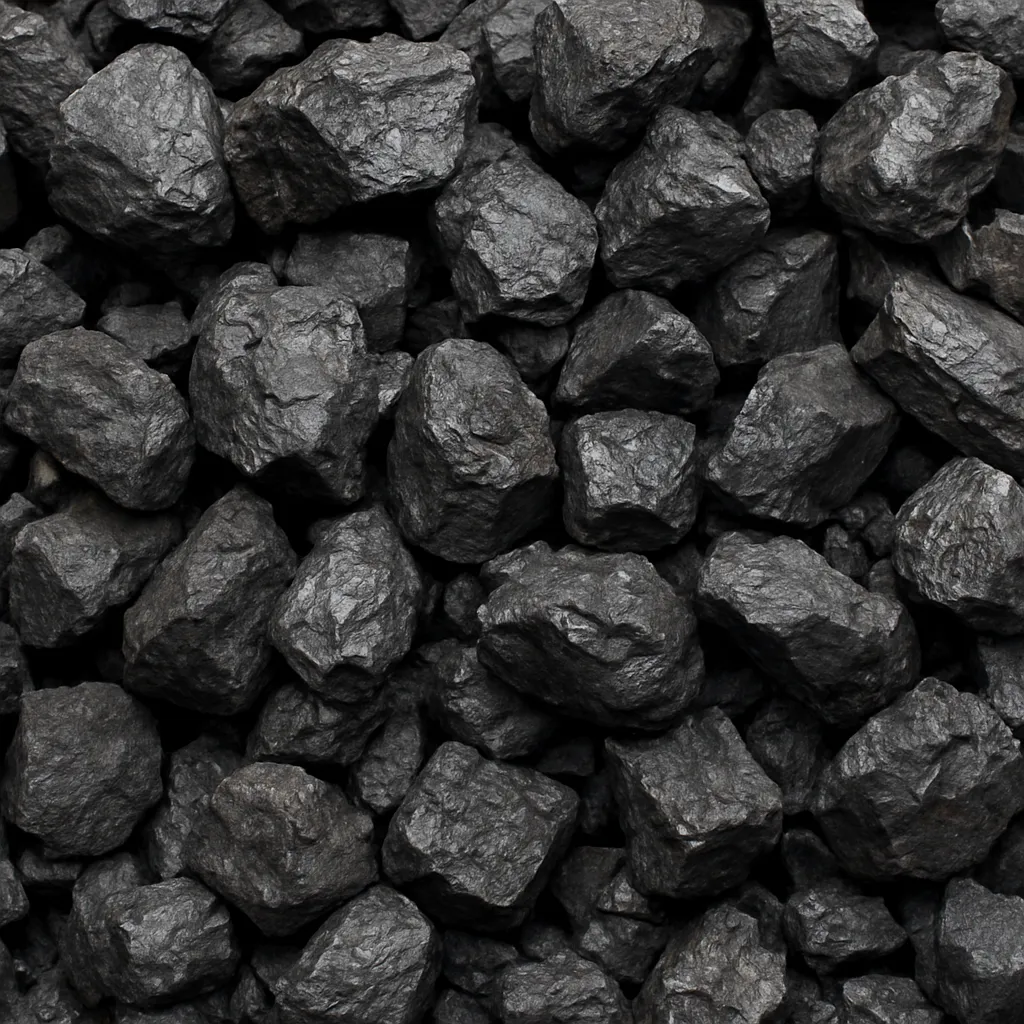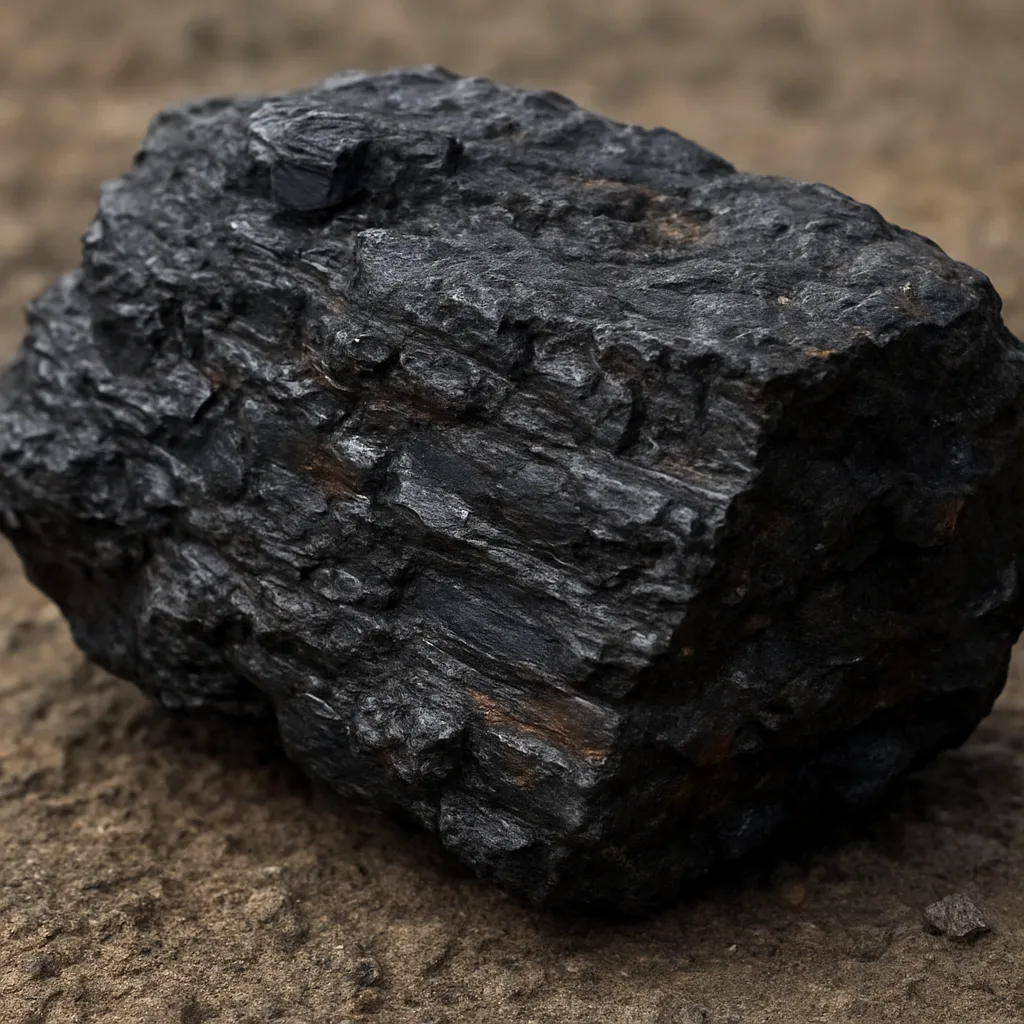
This article examines the nature, distribution, extraction, economic role and industrial importance of geologically immature coal, commonly referred to as lignite or brown coal. Often overlooked in global energy debates dominated by higher-rank coals, this material plays a crucial role in regional energy systems, local economies and particular industrial applications. Below you will find a detailed overview of its geological origin, global occurrence, mining and processing methods, key economic statistics where available, environmental considerations and evolving technological prospects.
Geological nature and formation of geologically immature coal
Geologically immature coal represents the early stages of coalification—the process by which plant material is transformed into coal under conditions of increasing pressure and temperature over geological time. Starting from peat, the progressive stages include lignite (often considered “brown coal”), sub-bituminous coal, bituminous coal and ultimately anthracite as the highest-rank coal. The immature end of this sequence is characterized by relatively low carbon concentration, high moisture and a large proportion of volatile matter.
Key physical and chemical characteristics
- Low fixed carbon content compared with higher-rank coals; higher proportions of volatile compounds and inherent moisture.
- Lower calorific value: energy density per tonne is significantly less than bituminous coal or anthracite.
- Soft, crumbly texture and often a yellow to brown-black color due to higher mineral and organic oxygen content.
- Higher susceptibility to spontaneous combustion under certain storage and handling conditions because of elevated reactivity and moisture gradients.
These characteristics determine the practical uses of geologically immature coal and directly influence mining, transportation and combustion strategies.
Where immature coal occurs and major producing regions
Geologically immature coal is widespread in continental sedimentary basins formed in lowland, deltaic and lacustrine environments where abundant plant material accumulated and was rapidly buried. Deposits are often relatively young in geological terms (Tertiary and Quaternary) and occur in near-surface seams that can be very extensive laterally.
Important global provinces
- Europe: Central Europe—especially the Rhine, Lusatian and Central German regions in Germany—and Poland’s Bełchatów and Konin basins are historically significant producers of lignite. Greece, the Czech Republic, Turkey and parts of the Balkans also host notable deposits.
- North America: The United States has substantial lignite resources in the Gulf Coast region, North Dakota (the Fort Union formation) and Texas; Canada has smaller deposits used mainly for local power generation.
- Russia and the former Soviet Union: Several provinces contain large low-rank coal reserves exploited for local industry and power.
- Australia: While Australia is famous for its high-quality black coals, some basins contain low-rank coals used domestically for power and industrial processes.
- Asia: China and India contain significant quantities of low-rank coals, often used locally in thermal power plants and industrial processes.
- Africa and South America: Selected basins contain low-grade coals, though production tends to be more limited and localized.
Production patterns reflect the economic logic of using cheaper, locally-available fuel for electricity generation and district heating rather than relying on remote imports of higher-grade coals.
Mining methods and processing
Because geologically immature coal seams are typically shallow and laterally extensive, the dominant method of extraction is open-pit (surface) mining. Surface mining enables access to large volumes at lower unit cost compared with deep underground methods and often supports large-scale power plants built adjacent to mines.
Extraction techniques
- Open-cast mining with draglines, bucket-wheel excavators and front-end loaders for very large, continuous seams. This approach characterizes mines in Germany and some Polish operations.
- Smaller open pits with conventional truck-and-shovel operations for more discontinuous deposits.
- In selective cases, shallow underground mining has been used, but the economics usually favor surface methods for low-rank seams.
Processing and handling
- Drying and pre-treatment: Because of high moisture content, many users apply drying or preheating to raise calorific value before combustion or gasification.
- Aggregation: Lignite is typically briquetted, pelletized or compacted for specific industrial uses to improve handling and reduce dust and spontaneous combustion risk.
- Beneficiation: Physical separation to reduce ash and remove impurities can improve efficiency in end use but may be less economically viable than for higher-rank coals.
Transport logistics are a major consideration; moving large volumes of low-energy material long distances is uneconomic in most cases, which is why many lignite operations are co-located with dedicated power plants or industrial complexes.
Economic and statistical overview
Quantifying the global significance of geologically immature coal requires understanding its regional concentration and role in national energy mixes. While global headline figures often emphasize metallurgical and thermal black coals, lignite remains a key source of fuel in particular countries.
Production and consumption patterns (approximate and illustrative)
- Global production of lignite and other low-rank coals historically has represented a substantial but minority share of total coal production. Estimates vary by year and reporting methodology; in many recent years, low-rank coals accounted for roughly 10–20% of global coal output measured by mass. These proportions fluctuate with domestic policy, fuel price cycles and demand for electricity in lignite-rich regions.
- Germany: Historically one of the world’s largest producers of brown coal, with annual production peaking above 170 million tonnes in earlier decades; in recent years production has trended downward due to phase-out policies and plant closures, but the country still relied on lignite for a significant share of its thermal generation until recent transitions.
- Poland: Lignite has been a significant part of the domestic fuel mix, with major open-pit mines supplying large power stations; annual output typically ranged in the tens of millions of tonnes, adjusted as plants modernize or retire.
- United States: Lignite production in the US (reported in short tons) has historically been in the range of tens of millions to around 100 million short tons annually, concentrated in the Fort Union and Gulf Coast basins and used mainly for electricity generation at mine-mouth plants.
Note: The figures above are indicative. National statistical agencies, the International Energy Agency (IEA), the U.S. Energy Information Administration (EIA) and the United Nations publish time-series data that should be consulted for precise year-by-year numbers.
Economic role and employment
Lignite mining supports entire local economies where large mines and nearby power stations provide direct and indirect employment, infrastructure investment and tax revenues. The low price of feedstock compared with imported fuels can offer a measure of energy security and price stability for regional power markets. However, reliance on lignite can also create economic vulnerability in the face of environmental policies, carbon pricing and the long-term shift toward lower-carbon energy sources.
Industrial significance and main uses
Despite lower energy density, geologically immature coal has several industrial applications where its characteristics are acceptable or even advantageous. The principal use remains electricity generation at mine-mouth thermal power plants, where the economics of bulk fuel transport are minimized.
Power generation and district heating
- Many large power plants in Central Europe and some parts of Eastern Europe were designed specifically for lignite, taking advantage of continuous, low-cost domestic fuel supplies and integrated mine-plant logistics.
- Combined heat and power (CHP) plants using lignite supply district heating networks in some regions, providing year-round demand stability that helps justify long-term mining operations.
Industrial and metallurgical uses
- In certain chemical and industrial processes, low-rank coal can be used as a feedstock for gasification to produce synthesis gas (a mixture of CO and H2) or for briquetting into forms suited for specific applications.
- Conversion technologies such as fluidized bed combustion tolerate higher-ash, high-moisture coals better than older plant designs, broadening potential uses.
Environmental impacts and regulatory context
Because lignite has higher intrinsic carbon dioxide emissions per unit of useful energy (owing to lower calorific value and often higher methane/volatile components), its environmental footprint is a subject of intense scrutiny. Emissions of CO2, particulate matter, sulfur and mercury can be significant without modern controls.
Local environmental concerns
- Landscape disruption from open-pit mining is extensive: large-scale earthworks, removal of topsoil, lowering of water tables and significant visual impacts.
- Air quality issues from dust and combustion emissions affect local communities when mitigation measures are inadequate.
- Spontaneous combustion risks at mine heaps and in old workings require careful management.
Reclamation and post-mining land use
Many jurisdictions enforce rehabilitation obligations. Reclamation can include creation of lakes, wetlands and recreational areas, restoration for agriculture or forestry, and long-term monitoring of groundwater. Successful reclamation demands robust planning and financial provisioning by operators and regulators.
Climate policy pressures
International and national commitments to reduce greenhouse gas emissions have led several countries to curtail lignite use, phase out older plants, or impose carbon pricing mechanisms that erode the economic advantage of cheap local lignite. At the same time, transitions are often politically sensitive where large communities depend on mining employment.
Technological developments and mitigation strategies
New technologies can reduce some of the downsides of immature coals, improve efficiency, and open alternative pathways for value-added use.
Cleaner combustion and efficiency gains
- Modern thermal plants designed for low-rank coals—such as circulating fluidized bed (CFB) boilers—achieve better combustion efficiency and lower emissions of sulfur and NOx without extensive flue-gas desulfurization systems.
- Co-firing with biomass or higher-grade coals can reduce net CO2 intensity in some plants while leveraging existing infrastructure.
Gasification and chemical conversion
Gasification converts low-rank coal into synthesis gas, enabling production of chemicals, hydrogen and liquid fuels. While capital-intensive, integrated gasification combined cycle (IGCC) plants or gas-to-liquids pathways can, in principle, yield cleaner combustion and opportunities for carbon capture, utilization and storage (CCUS).
Carbon capture and utilization
Applying carbon capture technologies to lignite-fired plants is technically possible but faces economic hurdles due to the larger volumes of CO2 per MWh produced. Where applied, CCUS can enable continued use of domestic coal resources while aligning with emissions targets, especially if coupled with geological storage or utilization pathways.
Socioeconomic and policy challenges
Transitioning away from geologically immature coal raises complex socioeconomic questions. Regions dominated by lignite mining and lignite-fired power generation often have long industrial traditions and labor forces specialized in mining and associated sectors.
Just transition and community resilience
- Policies supporting retraining, local economic diversification, infrastructure investment and social safety nets are necessary to mitigate unemployment and decline in regional tax bases when mines close.
- Public engagement and transparent planning support smoother shifts away from coal dependency.
Energy security versus climate goals
For some countries, locally abundant lignite supplies represent an important element of energy security and affordability. Balancing these national interests with international climate commitments requires pragmatic, phased approaches—such as efficiency improvements, staged plant retirements and investments in renewables and storage.
Interesting facts and lesser-known aspects
- Lignite deposits often hold well-preserved botanical and sometimes palaeontological remains (wood, leaves, even insect impressions), providing valuable windows into past ecosystems and climates.
- Certain lignite seams have been formed in delta complexes with rapid burial, which is why some deposits are extensive and relatively thin—ideal for surface mining.
- Because of its reactivity, lignite has been used experimentally as a feedstock for activated carbon and other specialty carbon products, although economic scale is challenging.
- In some regions, lignite’s low price historically helped drive industrialization and electrification patterns that shaped regional development over the 20th century.
Future prospects
The future of geologically immature coal is not uniform across the globe. In areas where energy systems are shifting rapidly toward renewables, lignite faces phase-outs and declining investment. Elsewhere, it may remain part of the energy mix for decades, provided emissions controls and efficiency gains can be deployed.
Scenarios and drivers
- Under stringent climate policy and carbon pricing, lignite is likely to be displaced rapidly unless paired at scale with economically viable CCUS.
- In the short to medium term, lignite may continue to provide reliable base-load power in regions with limited alternatives and where grid modernization is slow.
- Technological advances in gasification, hydrogen production and carbon capture could create niche value chains that make low-rank coals part of a lower-emissions industrial strategy, though capital costs and policy support will be decisive.
Conclusion
Geologically immature coal, commonly known as lignite or brown coal, occupies a distinctive niche in the global energy and industrial landscape. It is a major local fuel source in certain countries, supplying electricity, heat and industrial feedstock through mine-mouth operations and specialized technologies. Its low calorific content and high moisture and volatile matter make handling and emissions challenges, but the proximity of deposits to demand centers can sustain economic viability. The future of these resources will be shaped by climate policy, technological innovation—especially around carbon management and gasification—and careful socioeconomic planning to manage transitions in mining regions. For regions such as Germany and Poland, historical dependence is being re-evaluated in light of decarbonization commitments; in others, lignite remains a pragmatic, if contested, energy choice for the foreseeable future.