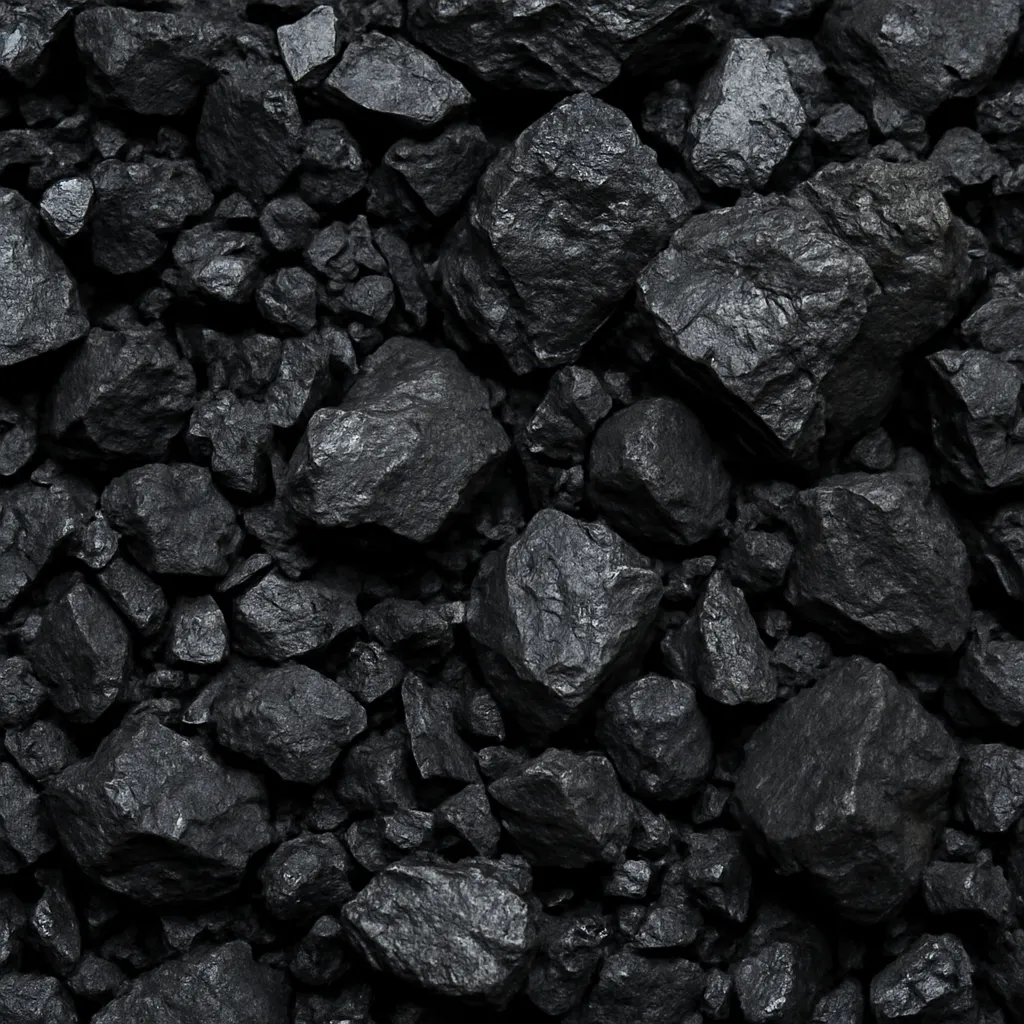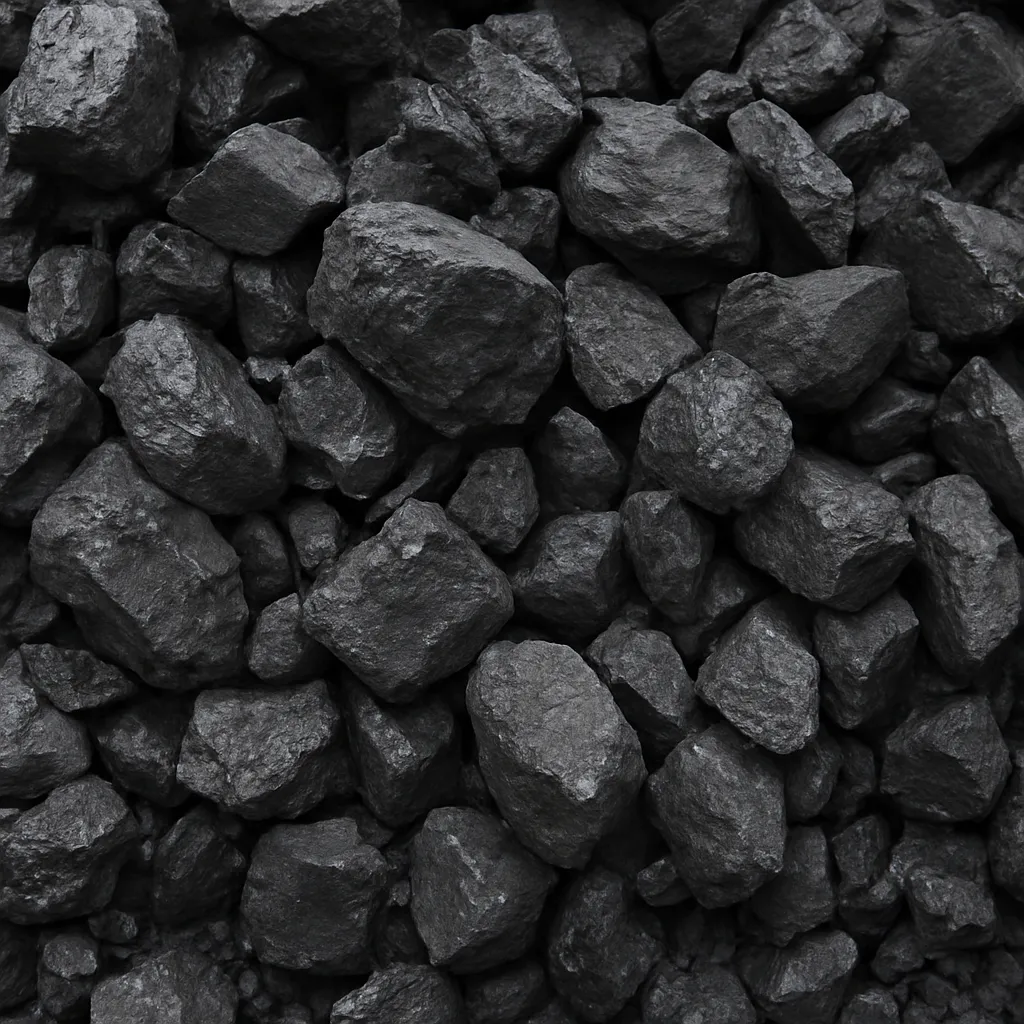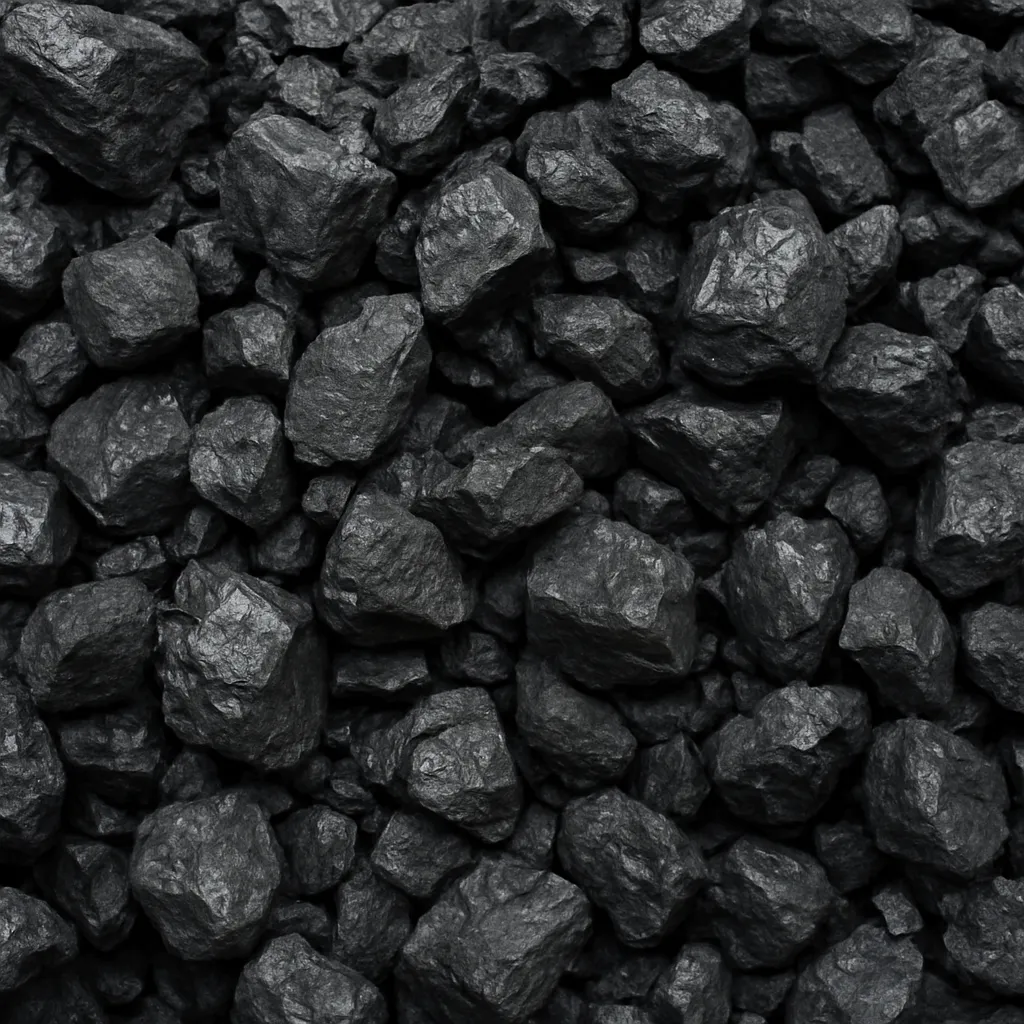
Vitrain coal occupies a special place in coal petrology and the coal industry. Recognized by its bright, glassy appearance and distinctive banding within coal seams, vitrain is a lithotype that influences both the physical behavior and commercial value of coal. This article explores the origin, distribution, mining, economic significance, industrial applications, and technical properties of vitrain — presenting practical data, regional examples, and interesting facts relevant for geologists, engineers, and energy professionals.
Origin, composition and petrology
Vitrain is a bright coal lithotype composed predominantly of the maceral group vitrinite. Macerals are the organic constituents of coal (analogous to minerals in rocks) and vitrinite derives from woody plant tissues such as cell walls and woody debris that underwent peatification and burial. Over geological time, heat and pressure drive coalification, transforming peat into lignite, sub‑bituminous, bituminous coal and ultimately anthracite. Vitrain is typically formed where compacted woody tissues are preserved in relatively homogeneous layers, giving rise to shiny, glass-like bands within a seam.
Key physical and petrographic features of vitrain:
- Bright, glossy fracture surfaces and sharp banding visible at hand-sample scale;
- Brittle, splintery mechanical behavior and a tendency to break into cuboid fragments;
- High content of vitrinite macerals with low proportions of inertinite and liptinite in pure vitrain bands;
- Often lower ash and sulfur content compared with duller lithotypes (e.g., durain), although this varies regionally;
- Distinctive response in petrographic microscopy: low to moderate fluorescence and characteristic textural features.
Vitrinite reflectance (Ro) is measured on vitrinite macerals and is a standard indicator of thermal maturity. Typical Ro ranges correspond to coal rank:
- Ro < 0.6% — lignite to sub‑bituminous;
- 0.6–1.0% — bituminous (low to medium volatile);
- 1.0–2.0% — high volatile bituminous to semianthracite;
- > 2.0% — anthracite and meta‑anthracite.
These values are widely used in petroleum and coal geology to assess thermal history and hydrocarbon potential.
Where vitrain occurs and major mining regions
Vitrain occurs within sedimentary coal seams across many coal basins globally. It is particularly common in Carboniferous and younger coals where periodic changes in peat depositional environment produced banded seams containing alternating bright and dull lithotypes. The thickness of vitrain bands ranges from millimeters to decimeters and, in some exceptional seams, can form continuous layers of several meters.
Significant regions and basins with notable occurrences of vitrain:
- Europe: The British Coalfields (South Wales, Yorkshire), the Ruhr (Germany), the Upper Silesian Coal Basin (Poland), and the Ostrava-Karviná region (Czechia) host banded coals with vitrain-rich layers.
- Russia: The Kuznetsk Basin (Kuzbass) and the Donets Basin show bright vitrain bands within productive bituminous seams.
- United States: Appalachian basins (e.g., Pittsburgh seam), Illinois Basin, and various western basins include vitrain bands, especially in bituminous-rank seams.
- China: Major coal-producing provinces such as Shanxi, Shaanxi and Inner Mongolia contain vitrain-bearing seams used for both thermal and metallurgical purposes.
- Australia: The Sydney and Bowen Basins include occurrences of banded coals with vitrain components used in local steelmaking and export markets.
Commercial coal mines typically do not sell “vitrain” separately except where high-quality bright bands are thick enough to be mined selectively. Instead, coal is often blended at the mine or preparation plant to achieve desired coking or combustion properties — and vitrain-rich bands can be targeted to improve product quality.
Economic and industrial significance
Vitrain affects both the market value of coal and its suitability for industrial applications. Some of the major economic and industrial implications include:
- Coking and steelmaking: Coals with significant vitrinite content often exhibit favorable plasticity and volatile release characteristics during carbonization, making them valuable in coking blends. High-quality cokes require coals with suitable volatile matter, reactivity and low impurity content — vitrain-rich fractions can contribute positively to those properties.
- Energy value: Vitrain bands often have relatively high calorific values (for bituminous ranks typical gross calorific values range from about 24 to 35 MJ/kg), although precise heating values depend on rank and mineral matter. Lower ash and sulfur in vitrain can enhance combustion efficiency.
- Chemical feedstock: Historically, bright coals were preferred for coal gasification and coal‑chemical processes because of their consistent behavior in carbonization and lower ash yield. Vitrain-rich coals can be advantageous in producing coke oven gas, coal tar and other byproducts.
- Coalbed methane and permeability: The maceral composition affects sorption capacity and mechanical properties of coal. Vitrinite-rich coals generally have higher sorption affinity for methane than inertinite-rich coals, influencing coalbed methane (CBM) productivity and reservoir behavior.
- Market premium: Bright, low-ash coal may command a premium in markets requiring cleaner combustion or metallurgical performance. However, demand and pricing are driven by blend requirements and regional competition from other coal types and energy sources.
Statistical and technical data
Pure, global statistics specifically for vitrain are scarce because most national and international coal statistics classify coal by rank and use (thermal vs. metallurgical) rather than by lithotype. Nevertheless, the following technical and statistical observations are informative:
- Proportion in banded coals: In banded bituminous seams, vitrain content can range widely — commonly from about 10% to 40% of the seam mass, but in certain seams vitrain bands can locally represent more than 50–60% of the thickness.
- Vitrinite reflectance (Ro): As noted, Ro is a core metric. Commercially important bituminous coals used for coking often have Ro values between 0.6% and 1.4%.
- Heating value ranges: For vitrain-bearing bituminous coals, gross calorific values typically lie between ~24–35 MJ/kg (on as-received basis), depending on rank and moisture content.
- Ash and sulfur: Vitrain layers are frequently lower in mineral matter compared with adjacent durain bands; ash contents in some pure vitrain samples can be below 10% while sulfur may be relatively low (<1%) — but regional geology frequently produces exceptions.
- Band thickness statistics: Vitrain bands typically vary from 1–100 mm in many seams; exceptionally continuous vitrain layers of several centimeters to decimeters are reported in some European and Russian coals.
Where mine or region-specific data exist, preparation plants treat coal lithotypes as part of a beneficiation strategy to meet product specifications. For example, European coking-coal mines historically separated bright fractions to optimize coke yields and quality; similar sorting occurs in parts of Russia and the US where market grades require controlled volatile and ash contents.
Processing, beneficiation and technological uses
Vitrain influences processing strategies at both mine and plant levels. Because vitrain bands often contain less mineral matter, they respond well to physical cleaning methods such as density separation, jigs and flotation. Key technological considerations:
- Cleaning and blending: Preparation plants may preferentially route bright, low-ash vitrain fractions to metallurgical coal products, while duller, mineral-rich fractions are used for power generation or sold as lower-grade coal.
- Carbon products and activation: High-carbon vitrinite-derived coals can be feedstock for producing activated carbon, electrodes, carbon blacks and other specialty carbon materials after appropriate thermal treatment and chemical activation.
- Gasification and chemical conversion: Vitrain-rich coals with consistent petrographic properties are good candidates for coal gasification and coal-to-liquids processes due to predictable devolatilization and reactivity patterns.
- Petrographic analysis and quality control: Coal petrography laboratories routinely quantify lithotype composition and maceral content to predict coking performance, mechanical strength of coke, and reactivity in combustion or gasification systems.
Environmental considerations and challenges
While vitrain can improve product quality and reduce some impurities, environmental issues around coal use remain:
- Emissions: Combustion and carbonization of vitrain-bearing coals still produce CO2, NOx, particulate matter and potentially sulfur emissions depending on the sample. Lower sulfur in many vitrain layers helps reduce SO2 emissions but does not eliminate climate impacts.
- Mining impacts: Selective mining of bright bands can create thin-seam mining and selective sorting challenges that increase processing energy and may generate more waste rock or fine tailings.
- Reactivity and spontaneous combustion: The volatile content and friability of vitrain may influence oxidation rates of exposed coal and fine coal waste, affecting spontaneous combustion risk at coal storage and in waste dumps.
- Regulatory and market shifts: Global decarbonization policies and competition from natural gas and renewables influence demand for coal overall; however, specific metallurgical uses (steelmaking) and chemical feedstock demands mean that certain vitrain-rich metallurgical coals may remain valued in the medium term.
Role in energy transition and future outlook
The future of vitrain and vitrinite-rich coals links closely to the broader trajectory of coal markets. Key perspectives:
- Metallurgical coal demand: Steel production requires carbon, and while direct reduced iron (DRI) and electric arc furnace (EAF) routes enable substitution away from coking coal, the pace of change is gradual. High-quality vitrain-bearing coals that enhance coke quality may retain niche demand.
- Technological adaptation: Coal gasification, carbon capture and storage (CCS), and coal-to-chemicals technologies could sustain demand for certain coal types if deployed economically and environmentally. Vitrain’s predictable behavior can be advantageous for controlled conversion processes.
- Research and materials applications: Advanced carbon materials derived from vitrinite-rich feedstock (e.g., specialty carbons, activated carbons, electrodes) offer higher-value, lower-volume markets that could grow under decarbonization pressure.
Interesting facts and historical notes
- The name vitrain derives from the Latin word “vitrum” (glass) because of its glossy appearance when fractured — a visual hallmark recognized by early coal miners and petrologists.
- Vitrinite reflectance, measured on vitrinite macerals often from vitrain bands, is a cornerstone metric used not only in coal science but also in basin modeling for oil and gas exploration.
- Historically, bright coals were prized for domestic use and urban gas production because they produced cleaner flames and less clinker compared with dull, shale-rich coals.
- Despite being a lithotype, vitrain plays a macroscopic role: miners and engineers who can recognize and selectively exploit bright bands may improve product value without changing the fundamental geology of the seam.
Practical recommendations for industry and researchers
For mining companies, engineers and researchers working with vitrain-bearing seams:
- Employ detailed coal petrography during exploration and resource evaluation to quantify vitrain distribution and assess its impact on potential product quality.
- Design selective mining and processing workflows that can recover bright bands where economically justified — balancing the benefit of higher-grade products against increased handling and processing costs.
- Integrate vitrinite reflectance data with basin modeling to better understand thermal maturity, CBM potential and suitability for chemical or gasification applications.
- Consider the lifecycle and environmental implications when targeting vitrain-rich coals for metallurgical versus thermal markets; pursue emissions control and cleaner conversion technologies where possible.
Concluding remarks
Vitrain is more than a descriptive term for a shiny band of coal; it is an indicator of organic composition, thermal history and industrial utility. Its presence within coal seams can influence mining strategy, product blending, coking behavior and suitability for advanced chemical processing. While global statistics specifically for vitrain are limited, the lithotype remains an important factor in regional coal markets and in technical evaluations of coal for metallurgical, chemical and energy applications. Understanding vitrain — from its botanical origins to its role in modern industry — helps stakeholders make informed decisions about resource development, processing and future uses in a changing energy landscape.