The journey of coal stretches back millions of years, buried deep beneath layers of sediment and transformed by immense heat and pressure. As one of the most significant fossil fuels in human history, coal has powered industrial revolutions, shaped economies, and sparked debates over its environmental impact. This article will explore the geological origins of coal, the complexities of coal stock and market dynamics, and the intersection of environmental art and photography with this dark, combustible resource.
Understanding the Geological Origins of Coal
Formation and Types
Coal begins as plant matter in ancient swamps. Over geological time scales, this organic material accumulates in thick layers, where it is subjected to heat and pressure. Chemical transformations expel volatile compounds, concentrating carbon content and forming distinct coal ranks:
- Lignite: Often called brown coal, with the lowest carbon content and highest moisture.
- Sub-bituminous: A step above lignite, sub-bituminous coal is used mainly for electricity generation.
- Bituminous: A middle-rank coal with higher calorific value, widely used in power plants and steel production.
- Anthracite: The highest rank, hard and glossy, with a carbon content exceeding 90%.
Coalification Process
The transformation from plant debris to hard carbonaceous rock is known as coalification. Key stages in this process include:
- Peat formation: Partial decay of vegetation under swampy conditions.
- Diagenesis: Compaction and microbial action reduce water content and begin carbon concentration.
- Metamorphism: Increased temperature and pressure drive off gases, producing higher-grade coals.
Coal deposits can be found on every continent except Antarctica. Major reserves lie in the United States, Russia, China, Australia, and India, reflecting both geological history and ancient climatic conditions.
Coal Stock and Market Dynamics
Global Production and Reserves
Annual production of coal exceeds four billion tonnes, with electricity generation accounting for roughly 70% of global consumption. Coal remains central to many national energy policies despite the rise of renewables. Key factors influencing coal stocks include:
- Reserve estimates: Measured in billion tonnes, these figures indicate the fuel’s long-term availability.
- Extraction costs: Varied by geology, mine depth, and labor regulations.
- Transportation logistics: Proximity to railways, ports, and end-use markets can add significant cost.
Market Pricing and Trade
The price of coal is influenced by supply-demand imbalances, import-export tariffs, and currency fluctuations. Key trade patterns feature:
- Thermal coal shipments from Indonesia and Australia to Asia-Pacific power plants.
- Metallurgical coal exports from Canada and the United States to steelmakers in China, Japan, and Europe.
Spot prices for thermal coal are notoriously volatile, often reacting to seasonal demand, hydropower availability, and policy changes like emissions regulations.
Stockpile Management
Industrial consumers maintain coal stockpiles to hedge against supply disruptions. Strategies for managing these reserves involve:
- Just-in-time inventory to minimize storage costs.
- Buffer stocks for regions prone to extreme weather or maritime delays.
- Quality blending to ensure consistent calorific output.
Stockpile health is monitored using moisture meters, calorimeters, and periodic sampling to avoid spontaneous combustion risks associated with oxidation.
Environmental and Artistic Perspectives
Ecological Impacts
Coal’s environmental footprint is expansive. Mining operations reshape landscapes and disrupt ecosystems, while combustion releases significant amounts of carbon dioxide, sulfur oxides, and particulates. Noteworthy concerns include:
- Acid mine drainage affecting waterways and aquatic life.
- Land subsidence causing structural damage in mining regions.
- Air pollution linked to respiratory illnesses in nearby populations.
Artistic Expressions and Photography
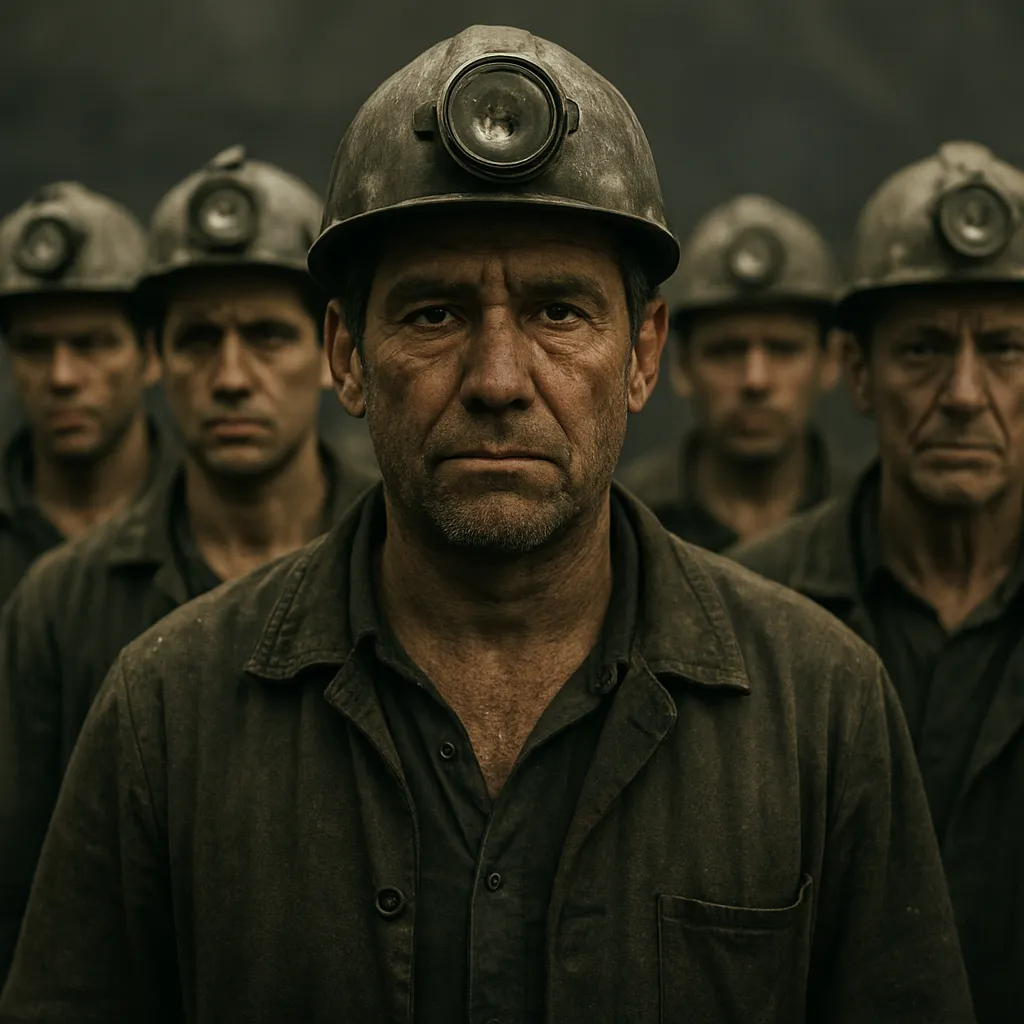
Environmental artists and photographers have taken up coal as a subject to highlight its paradoxical nature—at once a catalyst for industrial growth and a force of ecological degradation. Through powerful imagery, they convey a range of themes:
Portraits of Industry
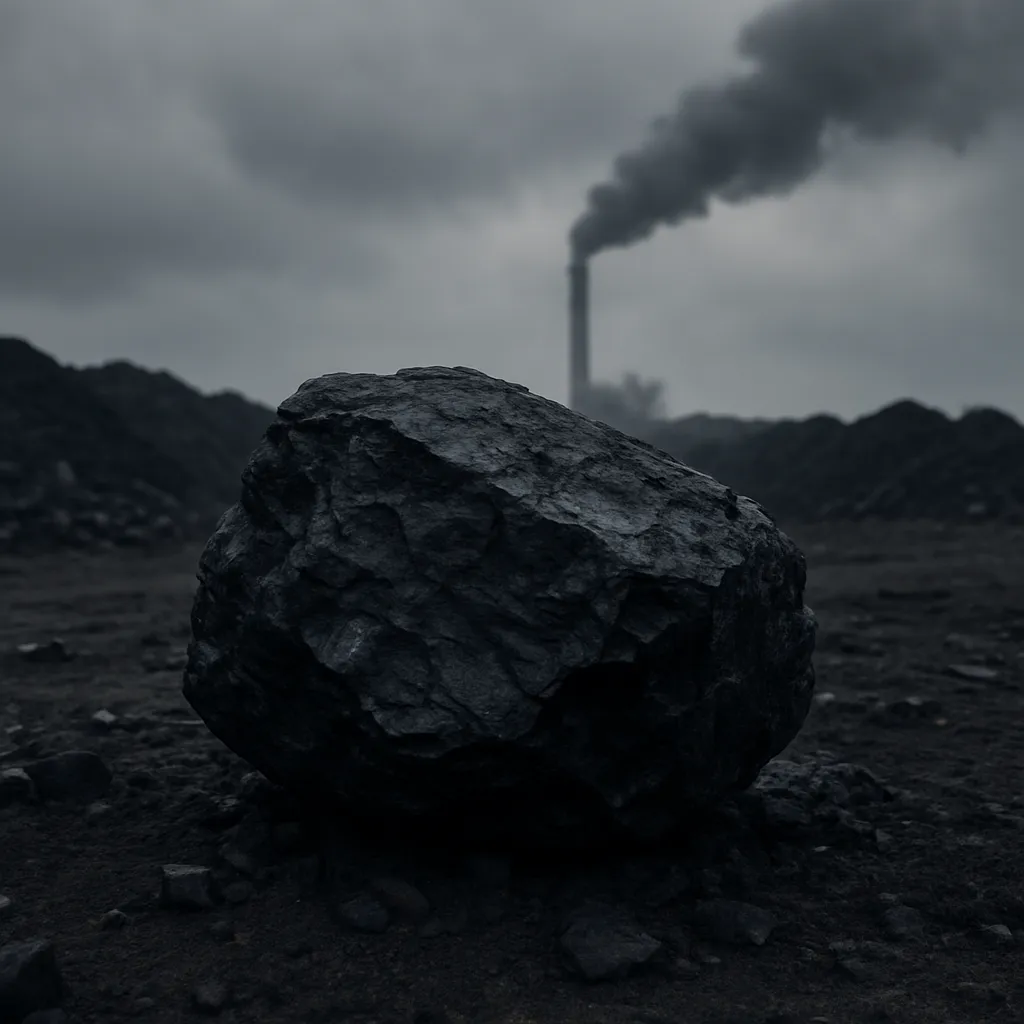
- Black-and-white photographs capturing the towering silhouettes of coal-fired power stations against smoky skies.
- Macro images of coal textures, emphasizing the mineral’s granular complexity and inherent beauty.
Landscape and Memory
- Color panoramas of reclaimed mining sites, where artists use bright pigments to reimagine scarred land.
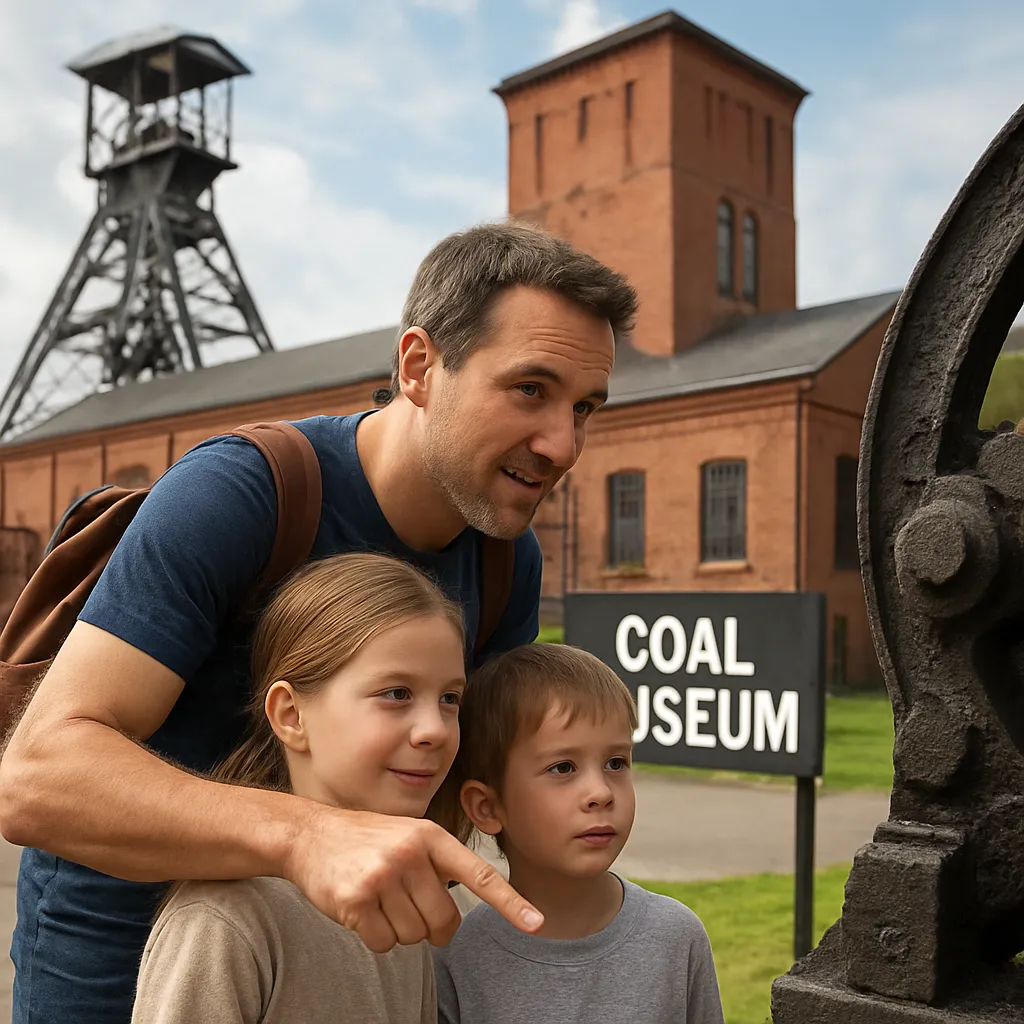
- Documentary series focusing on abandoned coal towns, preserving the cultural heritage of mining communities.
Conceptual Installations
- Sculptures constructed from coal fragments and metal, symbolizing the interplay between natural resources and technology.
- Interactive exhibits allowing viewers to feel the weight of coal, creating visceral awareness of its physical mass and environmental burden.
Innovation and Transition
As the world moves toward cleaner energy, coal-related art often underscores the urgent need for innovation and sustainability. Photographers document pilot projects such as carbon capture and storage (CCS) facilities, while mixed-media artists incorporate used coal ash into environmental installations. These creative approaches serve as a visual call to action, encouraging dialogue about reducing emissions and transitioning to renewable alternatives.
Conclusion
The multifaceted story of coal encompasses deep- time geology, modern market economics, and powerful environmental narratives. From the painstaking process of mining and stockpile logistics to the evocative images produced by photography and art installations, coal remains both a testament to human progress and a challenge to our commitment to planetary health. By examining its past, present, and artistic representations, we gain crucial insights into how societies might pave the way toward a cleaner, more resilient energy future.