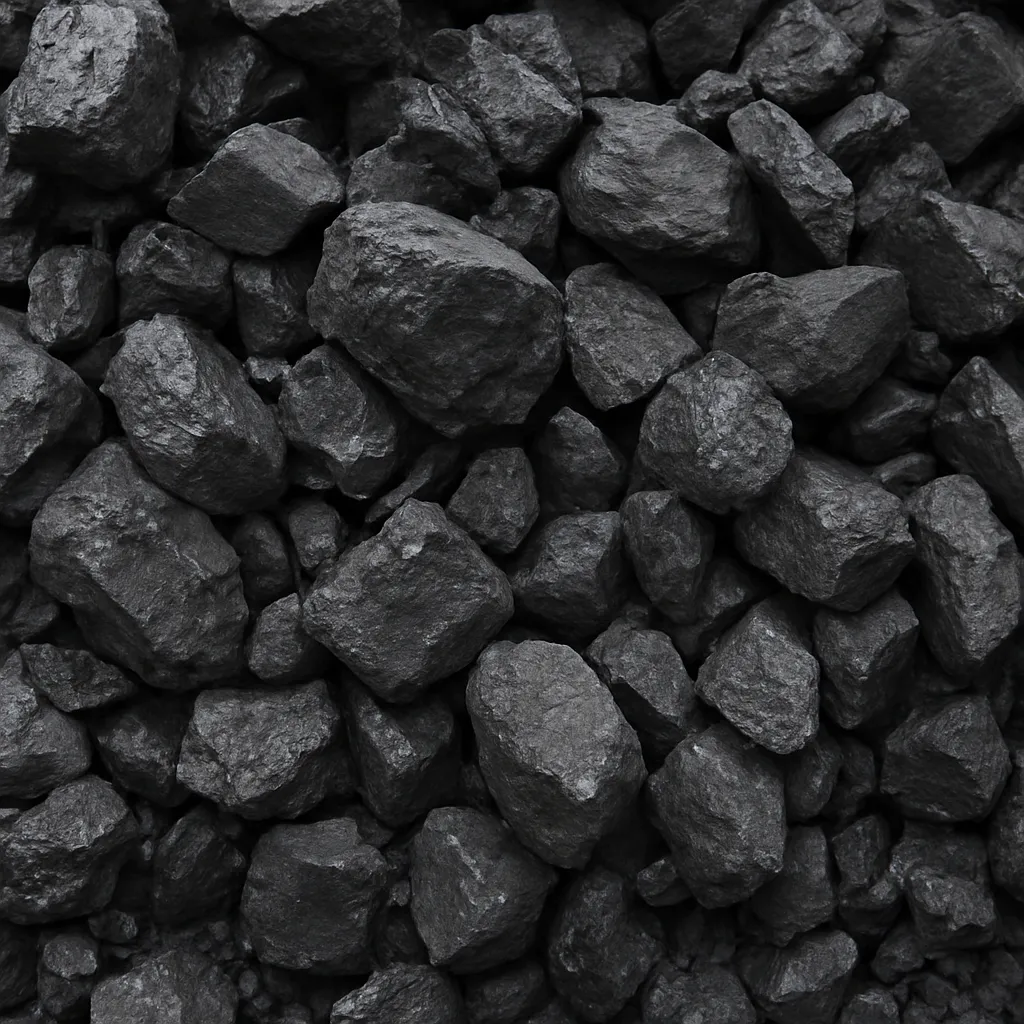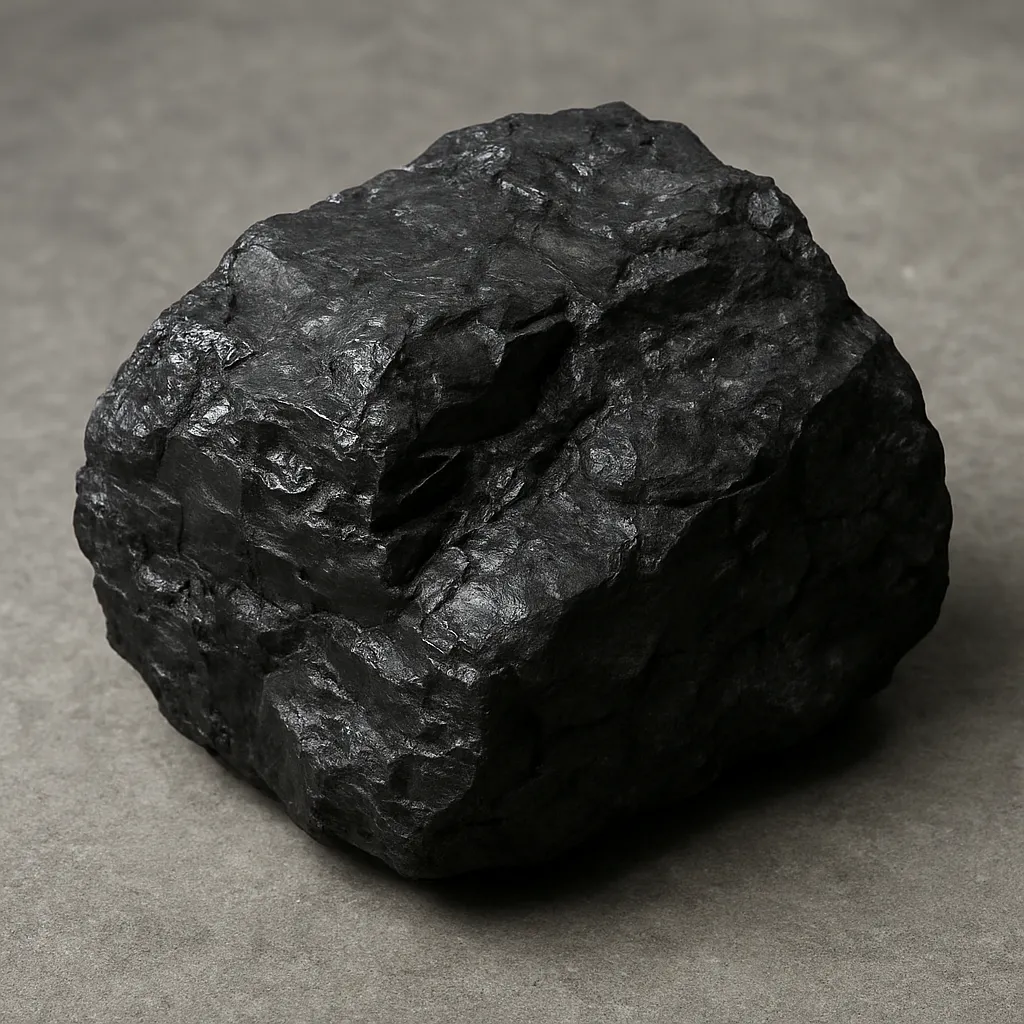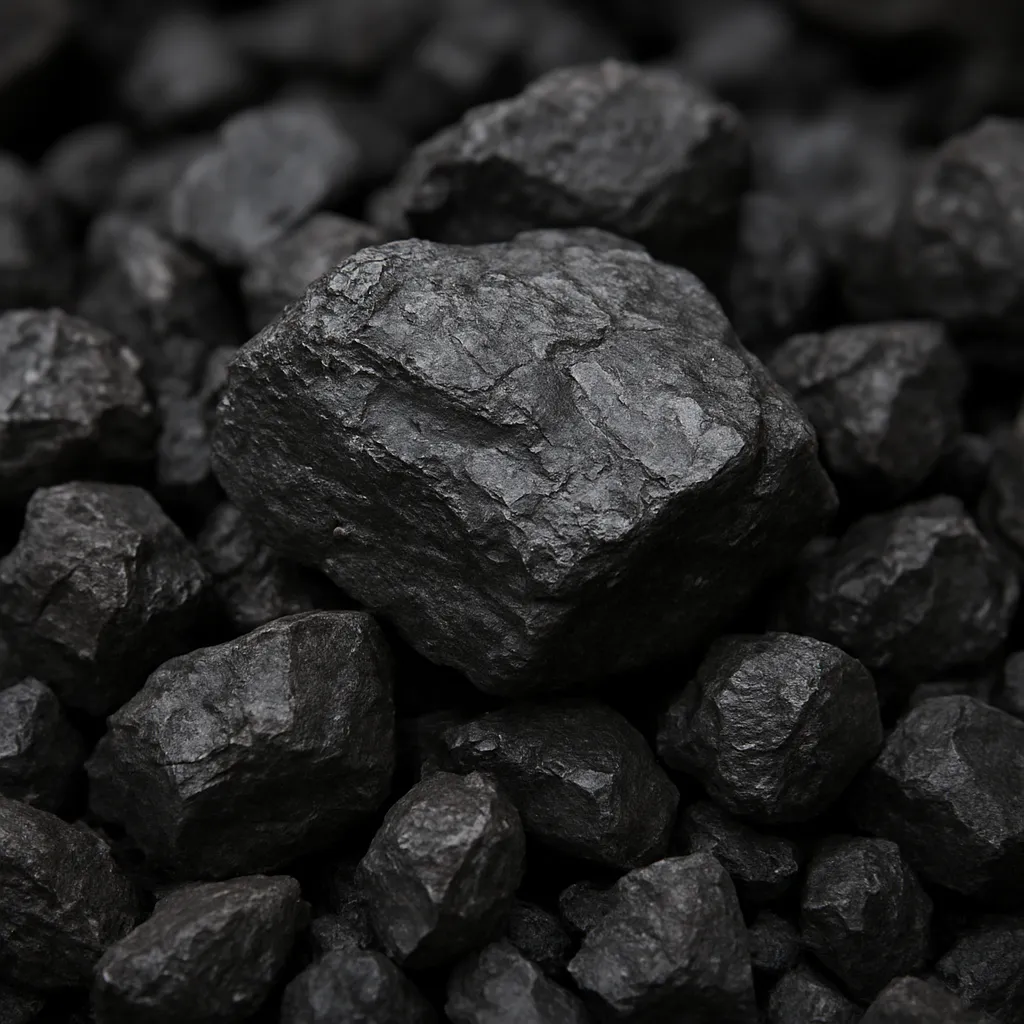
Ultra-low-phosphorus coal represents a niche but strategically important subset of coals whose exceptionally low concentrations of phosphorus make them valuable to high-specification industrial applications. This article examines what ultra-low-phosphorus coal is, where it occurs and is produced, how it is processed and traded, its role in industry—especially in steelmaking and coking—and the economic, environmental and technological issues surrounding its extraction and use. The discussion combines geological reasoning, processing technology, market dynamics and policy-relevant considerations to give a comprehensive view of this specialized commodity.
Definition, properties and why phosphorus matters
Phosphorus in coal occurs mostly in inorganic mineral phases (such as apatite) but can also be associated with organic matter. Typical coals worldwide contain varying amounts of phosphorus — commonly expressed as elemental phosphorus (P) or as phosphorus pentoxide (P2O5) in ash. For most industrial purposes, coals with a phosphorus content below a certain threshold are considered especially desirable. The term ultra-low-phosphorus coal is not governed by a single universal standard, but in practice it is commonly used to describe coals with elemental phosphorus contents at or below roughly 0.03–0.05% (300–500 ppm) on a dry basis, or ash P2O5 values correspondingly low. These values are substantially lower than many coals, which often range from 0.01% up to 0.3% or more depending on origin.
Why does phosphorus matter? Phosphorus is a deleterious element in many metallurgical applications. In steel, elevated phosphorus levels lead to embrittlement (cold-shortness) and degrade toughness and ductility; therefore, the phosphorus content in pig iron and steel must be strictly controlled for grades used in automotive, structural, pipeline and other high-performance applications. Coal and coke used in iron and steelmaking can introduce phosphorus into the metallurgical cycle, so feedstocks with low phosphorus are preferred. In addition, phosphorus-bearing minerals in coal can affect ash behavior, slagging and the potential for recovery of valuable byproducts from coal ash.
Geology and occurrence of ultra-low-phosphorus coals
The phosphorus content of coal is controlled by depositional environment, source-rock chemistry and post-depositional processes. Coals formed in continental peat bogs with limited marine influence and low detrital mineral input are more likely to be low in phosphorus. Conversely, coals that accumulated near marine incursions or received large inputs of mineral-rich sediments—especially those derived from phosphatic source rocks—tend to have higher phosphorus.
Typical geological settings
- Continental freshwater peat basins with low clastic influx: these favor low mineral and low-phosphorus accumulation.
- High-latitude or inland depositional basins that lacked upwelling or marine-derived phosphates during peat formation.
- Basins where detrital input came from igneous or metamorphic terrains low in apatite and other phosphate minerals.
Because these conditions are not unique to a single region, ultra-low-phosphorus coals can be found across multiple coal provinces worldwide, though they are relatively uncommon compared to more typical coals. Rather than being confined to a single country, deposits often occur as pockets or seams within larger basins. Examples of basins and coal types that are known to yield low-phosphorus coals include certain subbituminous and bituminous deposits in North America (including parts of the Powder River Basin and other interior basins), selected Australian basins, discrete seams in parts of Russia and Kazakhstan, and some South American deposits. However, composition can vary within these basins and across seams, so seam-by-seam characterization is essential.
Mining, processing and quality control
Production of coal suitable for metallurgical use requires careful control of several quality parameters; phosphorus is one among sulfur, ash, volatile matter and calorific value. Mining and processing strategies for delivering ultra-low-phosphorus coal include:
- Selective mining: targeting specific seams or parts of seams known to have low phosphorus through detailed geological mapping and sampling.
- Beneficiation: washing and gravity separation, and in some cases flotation, can reduce mineral-bound phosphorus by removing fine mineral matter. However, when phosphorus is intimately associated with organic matter, chemical or thermal treatments may be required and may have limited effectiveness.
- Blending: combining coals from different seams or mines to achieve a target phosphorus specification for coking or other metallurgical applications.
- Analytical quality control: routine proximate and ultimate analyses, plus mineralogical assessments (XRD, SEM-EDS) and sequential chemical extraction, are used to quantify phosphorus forms and predict behavior during processing and use.
Achieving ultra-low levels often incurs additional costs — more selective mining, extra washing/processing, stockpile segregation and logistics for separate handling. These costs underlie a market premium for certified low-phosphorus coal.
Industrial applications and strategic importance
The primary industrial driver for demand in ultra-low-phosphorus coal is the metallurgical sector, especially steelmaking. Specific roles include:
- Metallurgical coke production: coke made from low-phosphorus coals helps ensure final steel P concentrations meet strict specifications. For high-grade steels, target P levels in steel may be below 0.02–0.04% depending on the application, so raw material inputs must be controlled tightly.
- Sinter and pellet feed: coal used in sinter mixes or as a reductant can be a pathway for phosphorus into the blast furnace circuit; low-phosphorus feedstock reduces downstream refining costs.
- Special alloy production: steels and alloys for electrical, automotive and aerospace applications often have tighter impurity tolerances, increasing the value of ultra-low-phosphorus coals.
Beyond metallurgy, low-phosphorus coal can be desirable for specialty carbon products, activated carbon with particular impurity constraints, and certain cement or chemical processes where phosphorus may adversely affect reactions or product quality.
Economic and market considerations
Ultra-low-phosphorus coal occupies a premium segment of the coal market. That premium is driven by a combination of limited supply, specialized processing, and relatively inelastic demand for high-specification metallurgical feedstocks. Key economic factors include:
- Supply concentration and scarcity: truly ultra-low-phosphorus seams are less common than standard coals, so geographically constrained supplies can create local or global price premiums.
- Processing and logistics costs: beneficiation, selective mining and segregated handling raise production costs that feed into pricing.
- Downstream value capture: steelmakers and coke producers may be willing to pay a premium to avoid expensive phosphorus removal downstream or to ensure product quality premiums for high-grade steels.
- Price sensitivity to steel demand: as a metallurgical commodity, demand typically correlates with steel production cycles, infrastructure investment and automotive manufacturing.
To provide context on scale, global coal production in recent years has been on the order of several billion tonnes annually, of which a fraction is classified as metallurgical (coking) coal and an even smaller portion qualifies as ultra-low-phosphorus. Metallurgical coal production globally has commonly been estimated in the hundreds of millions to around a billion tonnes per year, but only a small subset of that volume meets ultra-low phosphorus specifications without further processing. This relative rarity underpins the strategic value of ultra-low-phosphorus seams.
Statistical indicators and quality benchmarks
Quantitative benchmarks are important for buyers and sellers. Typical reference points include:
- Elemental phosphorus (P) content: conventional coals may range from 0.01% to >0.3% P; ultra-low-phosphorus typically defined ≲0.03–0.05% P.
- P2O5 in ash: often reported for ash chemistry; ultra-low-P coals have proportionally low P2O5 values (exact conversion depends on ash yield and mineralogy).
- Other accompanying quality metrics: low phosphorus is most valuable when combined with low sulfur, acceptable ash level, and suitable volatile matter for coking or thermal behavior.
Because analyses and reporting practices differ by lab and jurisdiction, trade specifications for ultra-low-phosphorus coal are normally accompanied by agreed sampling and analytical protocols (e.g., dry basis reporting, defined thermal analyses, and accredited laboratory testing) to reduce disputes.
Environmental considerations and opportunities
From an environmental perspective, phosphorus in coal itself is not the primary driver of greenhouse gas emissions, but it does influence the fate of mineral residues (ash, slags) and the potential for nutrient cycling or pollution. Areas of interest include:
- Coal ash reuse and phosphorus recovery: coal ash containing appreciable P can be a source for nutrient recovery; conversely, ultra-low-phosphorus coal ash has limited utility as a P source but may be preferred where phosphorus contamination must be avoided.
- Slagging and fouling: phosphorus-bearing minerals can influence ash melting behavior, potentially impacting furnace performance. Low-phosphorus feedstocks can reduce operational disruptions.
- Regulatory drivers: tighter environmental controls on emissions and waste management, combined with circular-economy incentives to recover critical elements, can change the attractiveness of coals with different impurity profiles.
Finally, as steelmaking decarbonizes and alternative production routes (e.g., hydrogen-based direct reduced iron, electric arc furnaces with scrap) grow, demand dynamics for metallurgical coal will evolve. However, many regions and product classes will likely continue to rely on coal-derived coke for years to come, preserving demand for high-quality low-impurity coals in the medium term.
Case studies and regional production notes
While specific seam or mine-level data vary and are commercially sensitive, some illustrative patterns are:
- North America: Certain interior basins produce subbituminous or low-ash coals with naturally low phosphorus. Powder River Basin coals, for example, are well known for low sulfur and relatively low mineral matter, and in some seams phosphorus levels are low enough to be attractive for blending into metallurgical mixes after beneficiation.
- Australia: Some Australian coking and thermal coal seams have low phosphorus and are targeted for metallurgical blending. The Australian export coal sector has extensive testing and product segmentation to match coking and steel feedstock specifications.
- Eurasia: Select seams in Russia, Ukraine and Kazakhstan contain low-phosphorus coal, but variability within large basins requires detailed characterization. Logistics and beneficiation capabilities influence whether low-phosphorus seams are developed for metallurgical markets.
- South America and Africa: Isolated deposits with favorable depositional histories can yield low-phosphorus coals, but infrastructure and market access determine commercial exploitation.
Challenges and future outlook
The future of ultra-low-phosphorus coal is shaped by several interlocking technical, economic and policy factors:
- Decarbonization of steelmaking: long-term demand for metallurgical coal will be affected by adoption of electric-arc furnaces relying on scrap, hydrogen-based DRI processes, and carbon capture in blast furnace operations. In transitional decades, high-quality coals remain critical for production continuity and certain high-grade steel applications.
- Supply security and strategic sourcing: steel producers seeking to assure chemical quality of feedstocks may diversify sourcing, sign long-term contracts, or participate in mine development to secure low-phosphorus supplies.
- Technological improvements: improved beneficiation, chemical extraction and possibly biologically assisted treatments may expand the volume of coal that can be upgraded to ultra-low-phosphorus standards. Advances in ash recycling and phosphorus recovery could change the value proposition for different coals.
- Market transparency: expanded reporting of impurity profiles and standardized quality indices will help markets price ultra-low-phosphorus coal more efficiently and allow better matching of supply and demand.
Practical recommendations for industry participants
For producers, processors and buyers interested in ultra-low-phosphorus coal:
- Invest in high-resolution geological and geochemical mapping to identify and quantify low-phosphorus seams within larger basins.
- Implement rigorous sampling and accredited laboratory analyses to ensure specification compliance; include mineralogical studies to understand the form of phosphorus and treatability.
- Consider value-chain integration: steelmakers may benefit from securing dedicated low-phosphorus supplies through long-term contracts or equity participation in upstream operations.
- Monitor technological developments for phosphorus removal and ash treatment that could expand available low-phosphorus feedstocks or create alternative materials streams.
Conclusions
Ultra-low-phosphorus coal, while a relatively small share of global coal volumes, plays an outsized role in applications where impurity control is essential—most notably in steelmaking and coking. Its value derives from geological rarity, processing costs and the downstream benefits of avoiding phosphorus-related degradation in steel products. Supply is inherently constrained by geological and logistical realities, which supports a price premium and strategic interest among metallurgical consumers. Over time, shifting demand driven by decarbonization, evolving beneficiation technologies and new resource recovery pathways will redefine the market landscape. For now, careful characterization, selective mining, and close buyer-seller coordination remain the practical routes to ensuring supply of ultra-low-phosphorus coals where they are still needed.