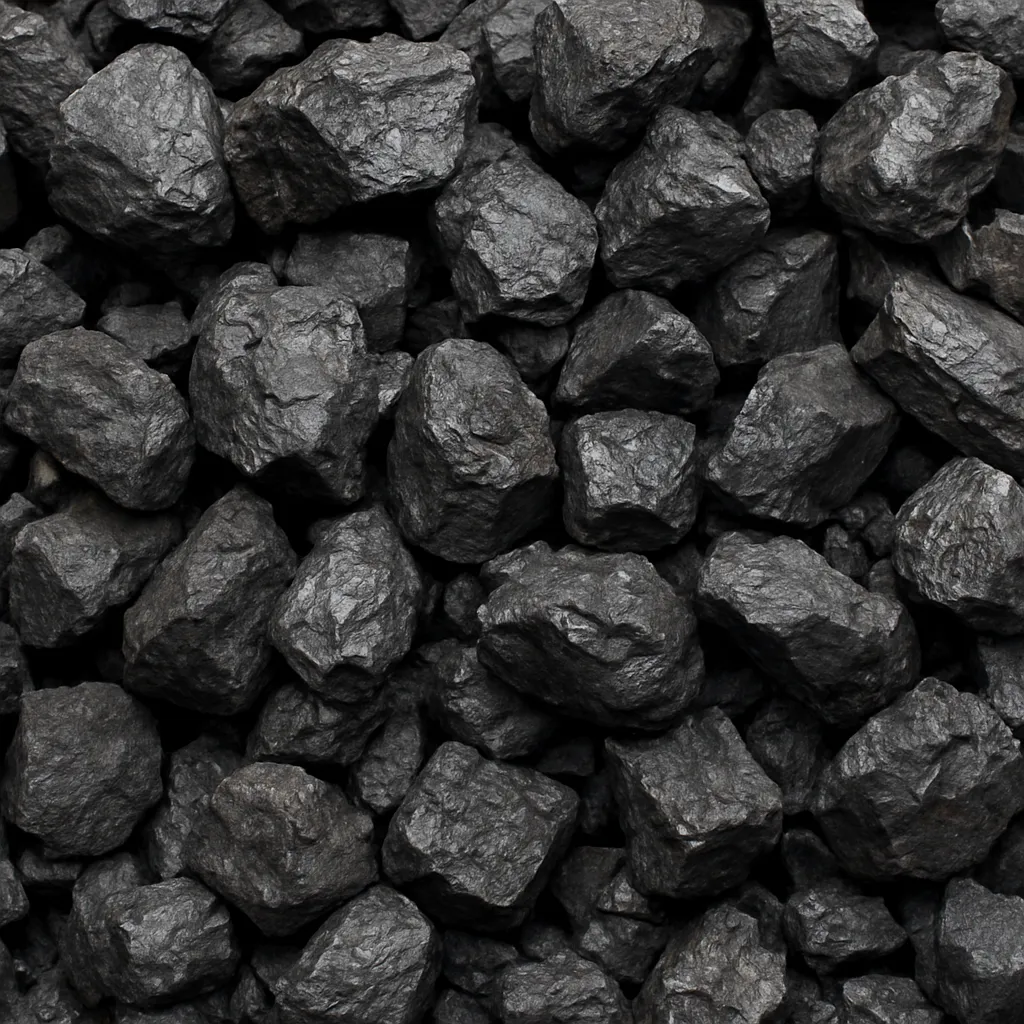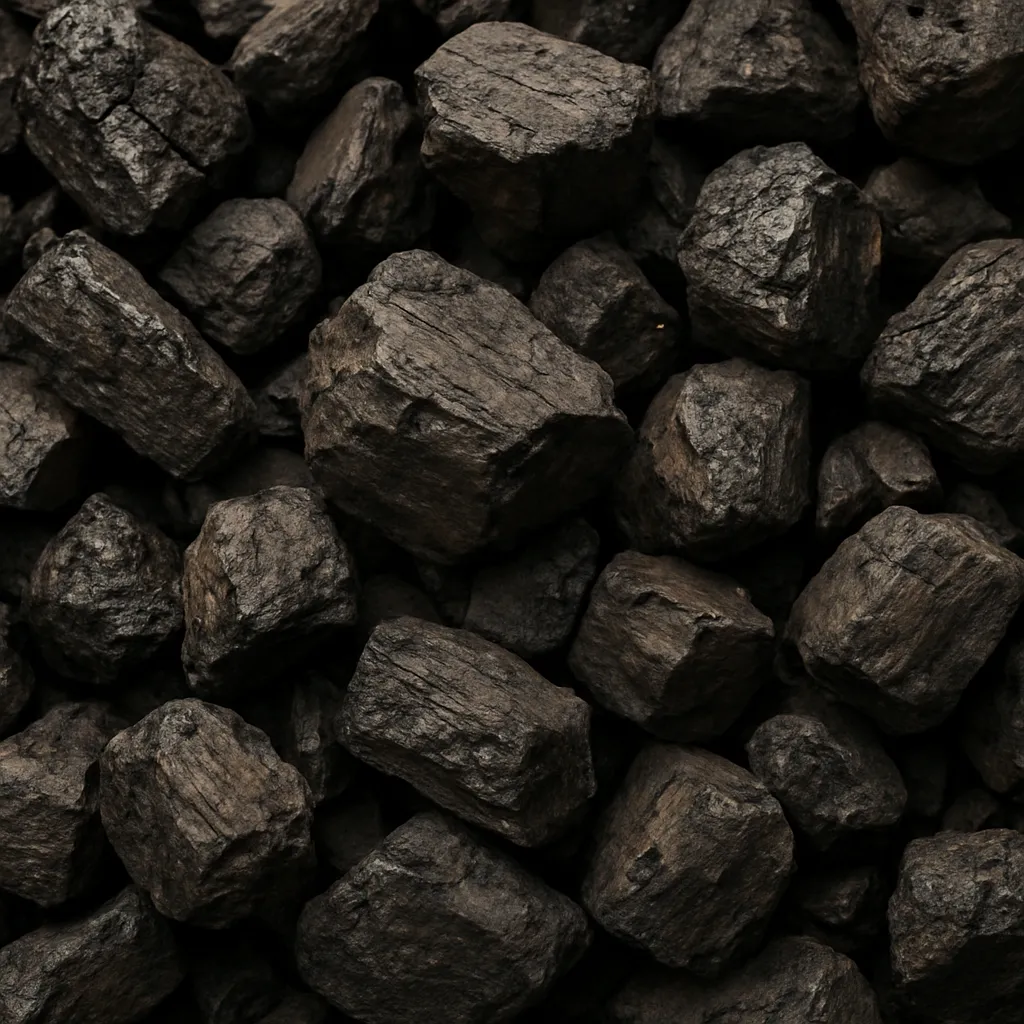
Soft brown coal, commonly known as lignite, is a low-rank type of coal that plays a distinct role in the global energy mix and regional economies. Characterized by high moisture content, relatively low calorific value and often significant ash and volatile matter, lignite is mainly used for electricity generation where it is mined close to large power plants. This article explores the geology, distribution, extraction methods, economic importance, industrial uses, statistical context and environmental challenges surrounding soft brown coal, with examples from major producing regions and notes on technological and policy trends shaping its future.
Geology, properties and classification
Lignite occupies a position between peat and sub-bituminous/higher-rank coals in the coalification sequence. It forms from compressed and altered plant material under relatively low temperature and pressure conditions over geological time. Because the degree of coalification is limited, lignite retains greater amounts of moisture and volatile compounds than higher-rank coals.
Physical and chemical characteristics
- Calorific value: Lignite typically ranges from about 8 to 20 MJ/kg (lower heating value), depending on moisture and ash content. Wet, high-moisture lignites lie at the low end of this range.
- Moisture: Native moisture content is often between 30% and 60% by mass, which reduces net energy density and increases transport costs relative to harder coals.
- Ash content: Ash vary widely; some deposits are relatively clean, while others contain high mineral residues that influence handling and combustion by-products.
- Sulfur and trace elements: Lignite can contain sulfur, mercury and other trace elements; sulfur content depends on depositional environment and can range from very low to moderately high.
- Combustion characteristics: Lignite’s high volatile matter content makes it relatively easy to ignite, but high moisture lowers combustion efficiency unless drying or specialized combustion technologies (for example, fluidized bed combustion) are used.
Classification and forms
Lignite is often classified by moisture and calorific value. In economic and engineering contexts it is called brown coal or soft brown coal to distinguish it from harder, black coals such as bituminous and anthracite. Some lignites undergo drying or briquetting to improve calorific value and reduce transport costs. Advanced processing includes partial drying, pre-drying (e.g., brown coal drying technologies), gasification and even liquefaction in experimental or pilot-scale projects.
Where lignite occurs and where it is mined
Lignite is a relatively young geological resource compared with higher-rank coals and is commonly found in basin-like sedimentary environments where ancient plant-rich swamps accumulated and were later buried. Its geological distribution reflects past climates and depositional environments. Globally, major deposits are concentrated in Europe, Asia, Oceania and parts of North America.
Major producing countries and regions
- Germany: Europe’s largest traditional lignite producer, with extensive mining in the Rhineland, Lusatia and Central Germany basins. Lignite has historically supported large lignite-fired power plants producing baseload electricity. Over the last two decades, Germany’s lignite sector has been the subject of major political and social debate leading to planned phase-outs and mine closures.
- Poland: Lignite deposits in central and southwestern Poland (notably the Bełchatów mine) supply large power stations; lignite is an important component of Poland’s energy mix.
- Czech Republic: Lignite basins in North Bohemia (Most Basin) and Sokolov are important for domestic power production and local industry.
- Greece: Lignite fields in the Ptolemaida and Megalopolis basins have traditionally been central to electricity generation.
- Turkey: Several lignite basins including Soma and Afşin-Elbistan supply power plants and are a focus of domestic energy expansion.
- Russia: Substantial low-rank coals, including lignite and sub-bituminous coals, are mined for power generation, particularly in European Russia and Siberian regions.
- Australia: The state of Victoria contains the Latrobe Valley lignite deposits, historically the basis for large brown-coal-fired power stations (e.g., Loy Yang). Some plants have closed in recent years as policy and economics shift.
- United States: The US has significant low-rank coal deposits; in the northern Great Plains and Gulf region, sub-bituminous and lignitic deposits support local electricity, with mines in North Dakota and Texas producing lignite for adjacent plants.
- Other countries: Romania, Bulgaria, Hungary and Serbia in Europe, and parts of India and Indonesia, also contain economically exploited lignite deposits. In many cases use is regional, with most fuel delivered to nearby power stations.
Mining methods and logistics
Lignite is typically mined in large, open-pit (opencast) mines because of the shallow depth of deposits. Open-pit mining allows high-production rates with large bucket-wheel excavators, conveyor systems and in-pit crushing facilities. Where seams are deeper or land constraints exist, underground mining may be used, though it is less common. Because of high moisture and low energy density, long-distance transport of lignite is uncommon; instead, mines are usually co-located with large power plants to minimize logistics and cost. This “mine-mouth” configuration has shaped utility and industrial planning in lignite-producing regions.
Economic and industrial significance
Lignite has played a prominent economic role in many countries by providing low-cost, locally available fuel for electricity generation and district heating. Its economics are driven by proximity to demand, low capital costs for mine-mouth generation facilities and historical energy policies that favored domestic resources. At the same time, lignite faces growing competition from natural gas, renewables and imported higher-grade coal, especially as carbon pricing and climate policies increase the effective cost of high-emission fuels.
Role in electricity generation and thermal applications
- Baseload generation: Lignite-fired power plants have traditionally provided stable, baseload electricity in regions with large deposits. Plants are often large, with units designed for continuous operation.
- District heating: In many Central and Eastern European towns, lignite supports district heating networks and combined heat-and-power (CHP) plants, enhancing local energy security.
- Industrial uses: Lignite is used directly or indirectly in cement production and other industries requiring thermal energy. It has also been briquetted for household heating in the past.
Economic indicators and employment
Although lignite often contributes a modest share to national GDP, it is regionally important. Mining and power generation create direct employment in mining towns and significant indirect jobs in supply chains. Historically, public and private investment built entire communities around lignite mines and power plants. In the early 21st century, economic trends and environmental regulation have begun to alter that picture, prompting mine closures, restructuring and efforts at economic diversification in lignite-dependent regions.
Statistics and trends (approximate and contextual)
- Global role: Lignite constitutes a meaningful fraction of global coal consumption but is much smaller in volume than the total coal market dominated by bituminous coal. In some countries, lignite can supply a large portion of national electricity—single-digit to low double-digit percentage points in large economies, and a majority share in specific local power systems.
- Regional generation: A few large lignite-fired power stations are among the most productive single units in Europe and the world. For example, the Bełchatów Power Station in Poland is one of the largest lignite-fired power stations in Europe with a net capacity of around 5 GW and annual generation that has been in the tens of terawatt-hours range in different years.
- Production dynamics: Lignite production trends are region-specific. In some Central and Eastern European countries production remained relatively stable in the 2000s and early 2010s, but in Western Europe production and use have been declining due to climate policies and economic factors. Conversely, in some non-European countries lignite production has been growing to meet expanding electricity demand.
Environmental, social and policy issues
Lignite has one of the highest carbon dioxide emissions per unit of electricity among fossil fuels, primarily because of its low energy content and high moisture. This has made it a focal point of environmental policy debates concerning climate change, air quality and land use. At the same time, social dimensions such as employment, local revenues and energy access complicate rapid transitions away from lignite in affected regions.
Greenhouse gas emissions and air pollution
- CO2 intensity: On a per-kilowatt-hour basis, lignite-fired generation often emits more CO2 than hard coal and much more than natural gas or renewables. Adding carbon capture technologies could reduce emissions, but such solutions are capital-intensive and have not been widely deployed at scale for lignite-fired plants.
- Air quality: Lignite combustion can produce sulfur dioxide (SO2), nitrogen oxides (NOx), particulate matter and trace element emissions. Modern flue-gas treatment systems (desulfurization, selective catalytic reduction, electrostatic precipitators or bag filters) mitigate these pollutants but add to operational costs.
Land use, water and reclamation
Open-pit lignite mining reshapes landscapes and frequently requires relocation of communities, changes to hydrology and large-scale land reclamation efforts after mine closure. Reclamation uses may include restoring natural habitats, creating lakes or repurposing land for industrial or recreational use. Groundwater management is particularly critical: dewatering of pits can lower water tables and impact agriculture and ecosystems, while reinstating water regimes after mining ends can be technically and financially demanding.
Social and economic transition
Regions anchored to mining and power generation face complex transition challenges. Job losses, reduced municipal revenues and shifts in local identity require coordinated policy responses—often called just transition programs—including retraining, investment in new industries, infrastructure repurposing and social safety nets. Examples in Germany and other European countries show that long-term planning, funding mechanisms and stakeholder engagement are essential for sustainable transitions.
Technological developments and future prospects
Technological innovation can influence lignite’s trajectory by improving efficiency, reducing emissions and enabling cleaner uses. However, economics and climate policy will strongly shape whether such technologies are widely adopted.
Efficiency improvements and combustion technologies
- Fluidized bed combustion (FBC): Well-suited to low-rank fuels, FBC allows efficient combustion with lower NOx and flexible sulfur control by using sorbents.
- Drying and pre-processing: Technologies that remove moisture from lignite before combustion (such as pre-drying processes) can raise heating value and reduce transport costs and emissions per unit of useful energy.
- Combined heat and power (CHP): CHP configurations improve useful energy recovery and overall fuel efficiency, making lignite use more economically attractive in district-heating contexts.
Carbon capture, utilization and storage (CCUS)
CCUS could mitigate CO2 emissions from lignite plants, but high costs, energy penalties and infrastructure requirements have limited deployment. Pilot projects and research continue, with special interest in capturing CO2 from large, centralized lignite fleets where economies of scale may be achievable. Policy instruments such as carbon pricing, subsidies for CCUS and regulatory frameworks will determine the pace of adoption.
Alternatives and pathways
Countries pursuing decarbonization face choices: replace lignite with renewables plus storage and flexible gas, retrofit existing facilities with CCUS, or repurpose mine sites and associated infrastructure for new economic activities (industrial parks, pumped hydro storage in flooded pits, or geothermal uses). The optimal path depends on national circumstances, resource endowments and socio-political priorities.
Examples and case studies
Bełchatów, Poland
The Bełchatów mine and power plant complex exemplifies a large, integrated lignite operation. Its scale has made it a central component of Poland’s electricity supply and a focal point in debates about energy policy, air quality and emission reduction strategies. Economic dependence on the complex has prompted discussions on diversification and gradual decarbonization strategies for the region.
Germany’s lignite basins
Germany’s Rhineland, Lusatia and Central German lignite fields once supplied a large share of the nation’s electricity. Policy decisions, market developments and public opposition to new mining have driven closures and a planned phased reduction of lignite use. Germany’s example highlights the political and social dimensions of transitioning away from lignite and the importance of designed transition packages for affected workers and communities.
Interesting and lesser-known facts
- Lignite can preserve botanical structures and even biological remnants better than higher-rank coals because of its lower degree of coalification; this has made some lignite deposits valuable for paleobotanical research.
- Briquetting and pelletizing of lignite have historically been important for household and industrial use, improving storage and handling, though these applications have declined where alternatives became cheap and cleaner.
- Some former open-pit lignite mines have been transformed into lakes, recreational areas, or sites for renewable energy projects (for example, solar farms in reclaimed basins), demonstrating adaptive reuse potential.
Conclusions: balancing local needs and global goals
Lignite or soft brown coal remains a significant energy source in specific regions where geology, infrastructure and historical investment tie communities to mine-mouth power generation. Its economic advantages are often local: jobs, predictable fuel cost and energy security. However, its environmental footprint—particularly CO2 emissions—poses a challenge in the context of global climate goals. The future of lignite will depend on a combination of technological developments (efficiency, drying, CCUS), economic incentives or disincentives (carbon pricing, subsidies), and deliberate social policy to manage transitions in mining-dependent regions. Pragmatic pathways often emphasize staged reductions in use, investment in alternative industries, repurposing of infrastructure and strong social protections to ensure transitions are equitable and sustainable.
Lignite, as a low-rank and regionally important fuel, sits at the intersection of geology, engineering, economics and public policy. Understanding its properties, uses and impacts is essential for informed decisions about energy systems, land use and regional development in the decades ahead.