The La Gloria Mine is one of the many coal-producing sites in northern Colombia, situated within the wider Colombian coal belt that stretches across the departments of La Gloria‘s operational region and adjacent basins. This article examines where the mine is located, what is extracted there, the type and quality of the coal, its economic and statistical significance, technical aspects of extraction and logistics, environmental and social considerations, and the broader implications for the Colombian mining sector and global energy markets. Wherever concrete public figures for La Gloria are not available, comparative and contextual data from Colombia’s coal industry are provided to give a realistic picture of the mine’s likely role and impact.
Geological setting and location
La Gloria Mine lies in the northern Andean foothills and plains that host Colombia’s most significant coal basins. The main Colombian coal-bearing regions are the Cesar-Ranchería basins and the Cerrejón complex in La Guajira. While La Gloria is one of the numerous named operations within this northern belt, its geological context is similar to other regional mines: sedimentary coal seams deposited during the Paleogene and Neogene in fluvial and deltaic environments, often interbedded with sandstones, siltstones and occasional shales.
The stratigraphy in the region typically contains multiple mineable seams, with cumulative seam thicknesses that can reach several meters. Such geological settings permit both open-pit and selective underground operations depending on seam depth and overburden. The region’s geology also contributes to favorable mining conditions in terms of seam continuity and predictability, which in turn affect planning and production profiles.
Regional geology and coal basin features
- Most deposits are in Colombia’s northern basins, where extensive fluvial-deltaic sequences created thick coal seams.
- Coals from these basins are typically of Tertiary age and can be laterally extensive, enabling large-scale surface mining operations.
- The stratigraphic relation to aquifers and surface drainage is an important factor for mine design and water management.
Type of coal and quality
Coal from La Gloria and nearby operations is primarily used for power generation and industrial thermal processes. Colombian coal is generally characterized as thermal coal with moderate to high calorific value and relatively low sulphur content compared to many international sources. Typical properties for northern Colombian thermal coal include:
- Calorific value commonly ranging from about 4,500 to 7,000 kcal/kg on an as-received basis, with many high-quality lots around 5,500–6,200 kcal/kg.
- Low sulphur content relative to many other exporting countries, an attribute that makes Colombian coal attractive to certain markets sensitive to sulphur emissions.
- Variable ash content depending on seam and washing/processing, with washed products often targeting ash levels acceptable for export markets (e.g., mid-teens percent by weight).
- Moisture content and grindability are influenced by seam geology and can affect shipping economics and end-use combustion performance.
Although some Colombian deposits have yielded higher-rank coals with better calorific values, the majority of exported Colombian coal is thermal. Metallurgical coal (coking coal) is much less common in Colombia; therefore, most operations, including La Gloria, are oriented toward the thermal power and general industrial fuel markets.
Mining methods, processing and operations
The mining methods used at La Gloria reflect the typical approaches in northern Colombian open-pit and, where applicable, smaller-scale underground operations. Key elements include:
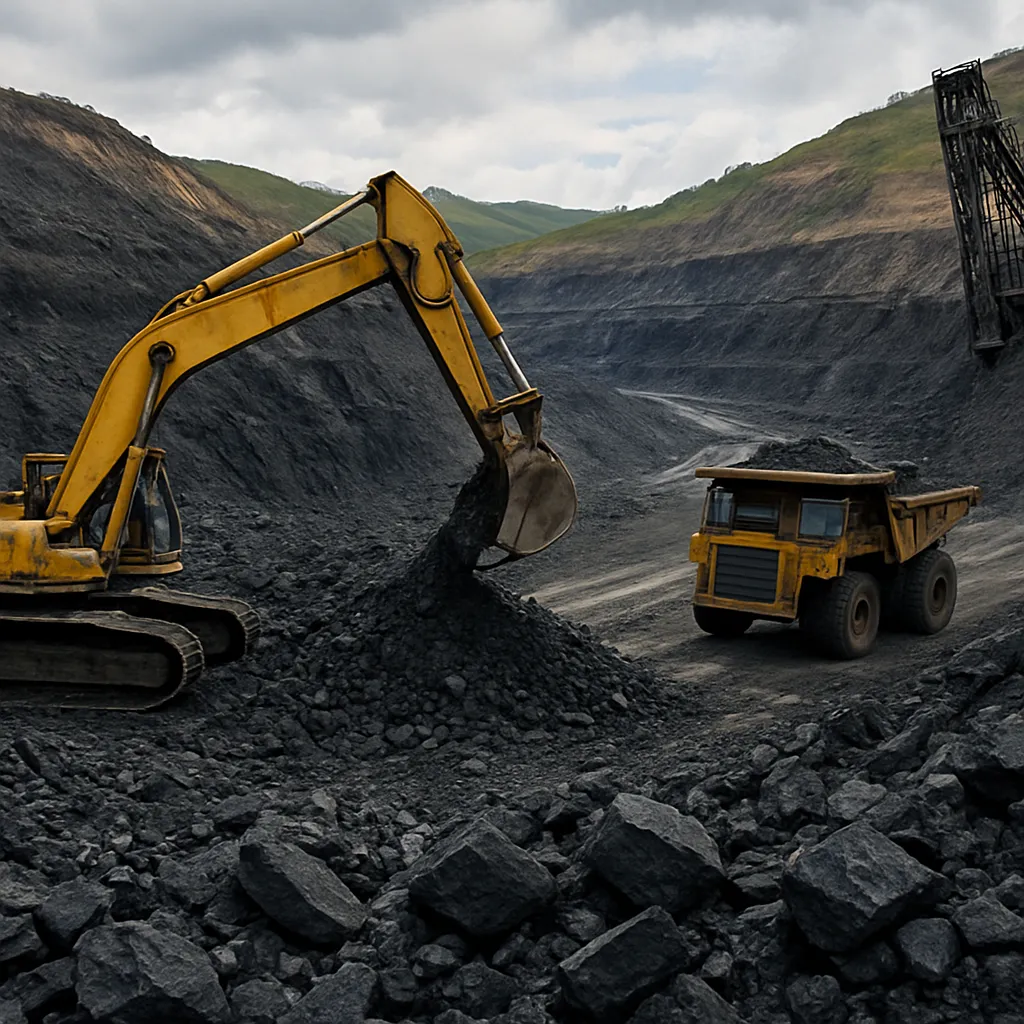
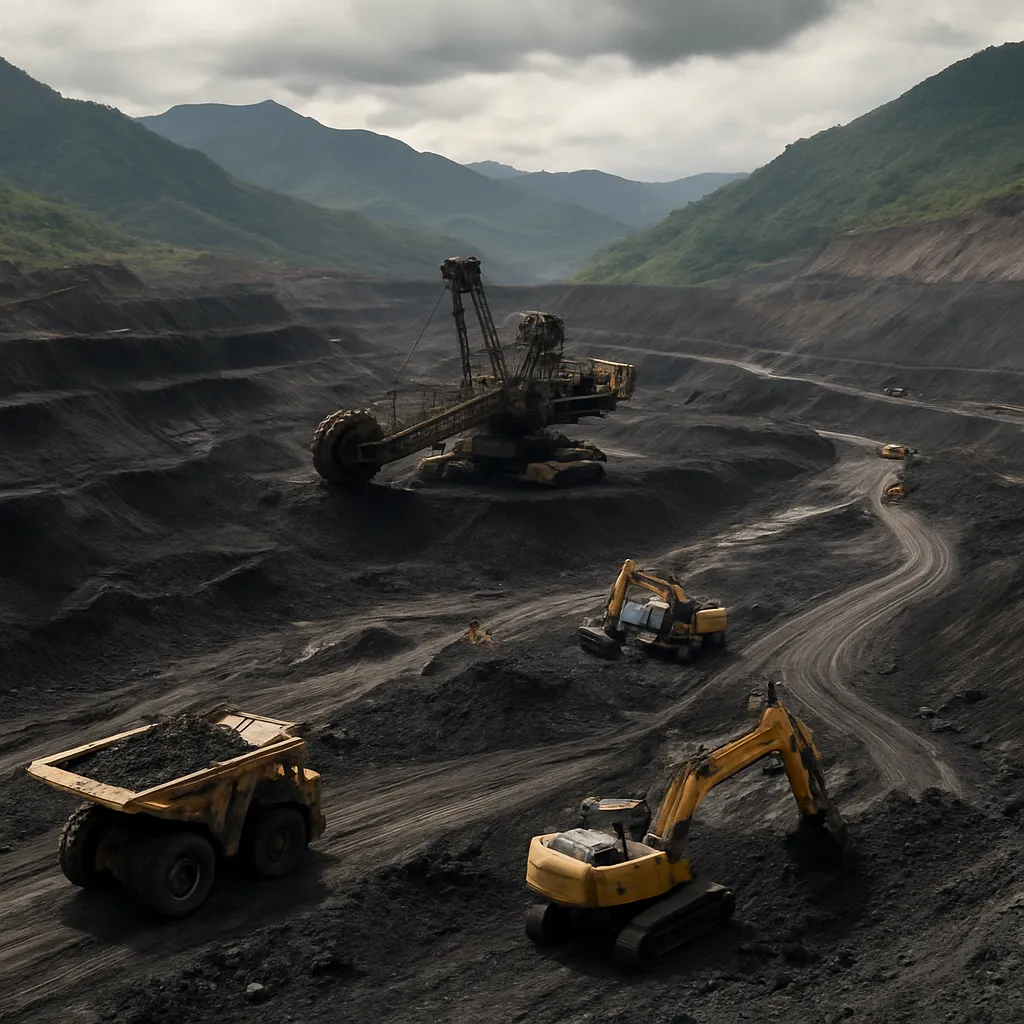
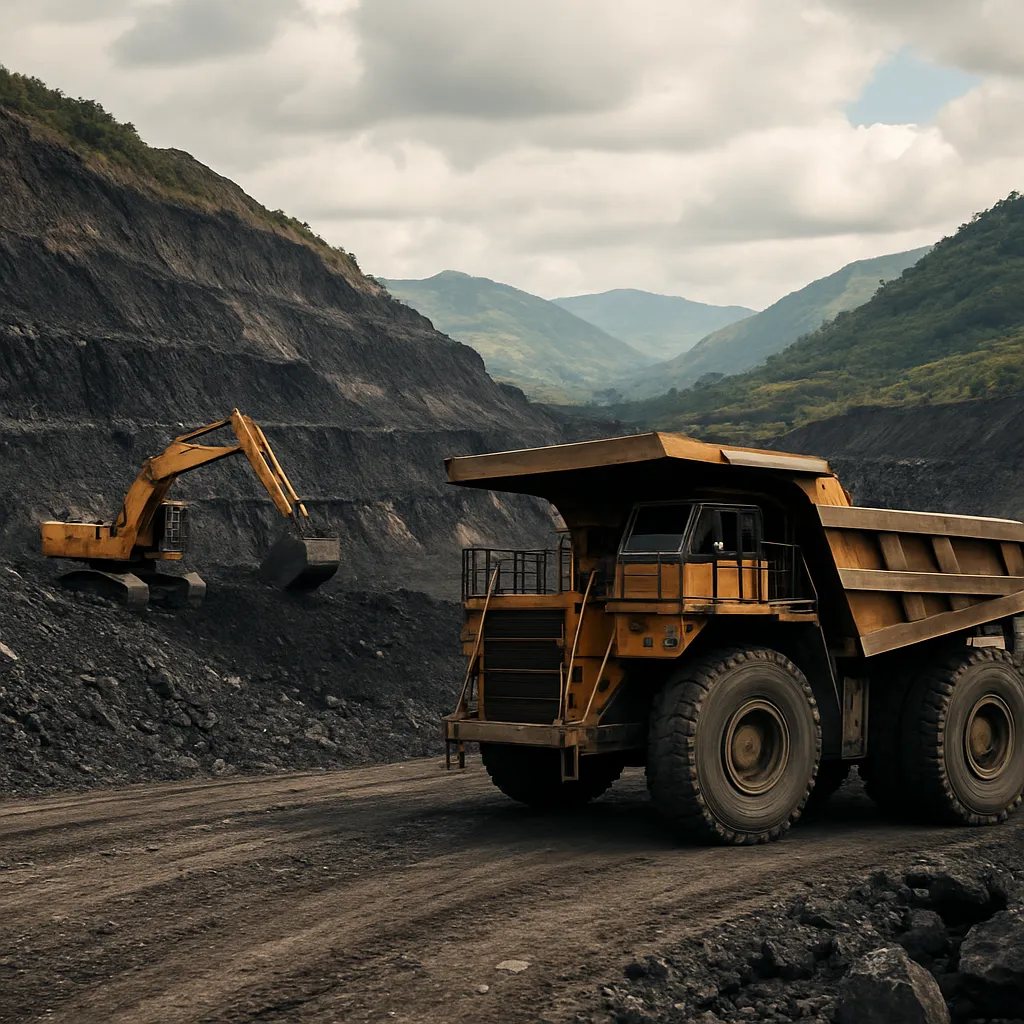
- Surface mining (open-pit) where seam depth and overburden volumes permit economical stripping, employing large shovels, haul trucks and conveyor systems.
- Progressive pit planning that minimizes overburden costs and ensures ore quality control across seam benches.
- Coal washing and beneficiation to improve product quality for export; washing plants remove rock and reduce ash while enabling the production of specific calorific value product lines.
- Rehandling, stockpiling and load-out facilities to transfer coal into trucks, rail or conveyor systems for export or domestic supply.
Modern Colombian operations frequently adopt heavy equipment fleets and digital mine planning tools. Water management and tailings/coal waste management are critical components of the processing chain, requiring engineered solutions for ponding, treatment and progressive rehabilitation of disturbed land.
Workforce and local operations
A medium-sized coal site in the region, such as La Gloria, commonly employs a workforce composed of:
- Direct mining staff: operators, technicians, engineers, mechanics and supervisory personnel (ranging from several hundred to over a thousand people depending on mine scale).
- Contracted service providers: drilling and blasting contractors, haulage contractors, processing plant operators, environmental monitoring and community relations teams.
- Indirect employment in logistics, maintenance supply chains and local services in nearby towns.
Employment levels fluctuate with production schedules, mechanization levels and the use of contractors. Local hiring policies and social investment programs are often emphasized in permitting and corporate responsibility commitments.
Economic and statistical significance
Precise production and reserve figures specific to La Gloria are subject to company reporting and government registries. In the absence of a publicly disclosed, definitive dataset for this mine, it is useful to place La Gloria within the broader Colombian coal context to estimate its likely economic significance.
At the national level, Colombia has been one of the world’s leading seaborne coal exporters, with annual production and export volumes that have historically varied between roughly 60 and 90 million tonnes per year during the 2010s, depending on market demand, operational capacity and economic factors. Major producers such as Cerrejón and Drummond represent a large share of this production. Smaller and medium-sized mines, of which La Gloria is an example, supply both export markets and domestic thermal requirements.
- Exports: Colombia’s coal exports have primarily targeted Europe, North America and rapidly growing markets in Asia. The coal from northern Colombian basins competes on quality, freight cost and contract reliability.
- Reserves: Proven and probable reserves in the northern basins are large in aggregate, often measured in the tens to hundreds of millions of tonnes per operation for larger complexes; smaller mines can have reserves measured in the lower tens of millions.
- Revenue: Revenues for a mine like La Gloria depend on contract prices, export volumes and product quality. During periods of elevated thermal coal prices, a medium-sized mine producing 1–3 million tonnes per year could generate significant local economic activity and tax/royalty flows.
- Employment: The direct and indirect employment impacts provide an important source of income in local municipalities.
These aggregate dynamics mean that La Gloria contributes to regional income, municipal budgets (through fees, royalties and local taxes), and Colombia’s foreign exchange via exports. The specific magnitude of these contributions varies with the mine’s actual output, its production lifespan, and the structure of its commercial contracts.
Markets, logistics and infrastructure
Coal logistics in northern Colombia are a key part of the industry’s competitiveness. For La Gloria, access to well-developed transportation infrastructure—truck corridors, rail links, conveyor systems and proximity to export terminals—determines the cost structure and market reach.
- Export terminals along the Caribbean coast, notably in La Guajira and the metropolitan corridors serving Santa Marta and other ports, are primary outbound nodes.
- Rail infrastructure, where present, can substantially reduce per-tonne haulage costs for mines connected to export terminals; however, many mines rely on long-haul trucking when rail is unavailable.
- Onsite and regional power and fuel supplies are necessary for mining equipment and processing plants, with access to national grids and local generation affecting operating costs.
International markets often determine contracting patterns—spot sales versus long-term take-or-pay contracts—impacting revenue stability. Quality specifications in buyer contracts (calorific value, ash, sulphur levels and maximum moisture) influence washing practices and blending strategies at the mine.
Environmental, social and governance (ESG) aspects
Coal mining has well-documented environmental and social implications. For a site like La Gloria, contemporary practice requires comprehensive environmental management and community engagement programs to comply with Colombian regulations and international investor expectations.
Environmental management
- Water: mining in the coal basins interacts with surface and groundwater systems. Mines must implement water management plans including diversion channels, sediment control, treatment plants and monitoring of groundwater drawdown to protect agricultural and municipal water users.
- Dust and air quality: control measures such as watering of haul roads, enclosure of conveyors and stockpiles, and monitoring stations help mitigate particulate emissions.
- Land rehabilitation: progressive reclamation of disturbed areas, soil replacement, reforestation and post-mining land use planning are required to reduce long-term environmental footprints.
- Biodiversity and habitat: baseline studies and mitigation measures address impacts on flora and fauna, particularly in ecologically sensitive zones.
Social impacts and community relations
- Local employment, training programs and procurement from local suppliers are major expectations held by host communities.
- Resettlement and land access: where mining requires land conversion, comprehensive and fair resettlement and compensation processes are crucial to maintaining social license to operate.
- Health and safety: occupational safety programs aim to minimize accidents, while community health initiatives address potential indirect impacts such as water quality and dust exposure.
Companies operating in Colombia face increasing scrutiny from civil society, investors and international buyers to demonstrate strong governance and credible environmental stewardship. Projects such as La Gloria, therefore, often publish environmental impact assessments and social investment plans as part of permitting and stakeholder engagement.
Economic multipliers and regional development
Mining activities like those at La Gloria generate broader economic multipliers in the region. These include:
- Demand for construction, maintenance and transport services, which supports local businesses.
- Improved infrastructure—roads, power and sometimes schools or clinics—often required or funded as part of agreements between the company and local or national governments.
- Fiscal contributions through royalties, taxes and fees that support departmental and municipal budgets.
However, the distribution of these benefits depends on governance arrangements, transparency in revenue allocation, and local procurement commitments. Sustainable regional development requires that mining income be integrated into long-term planning rather than generating short-term booms followed by busts when reserves decline.
Operational challenges and risks
La Gloria faces several operational and strategic risks typical for coal mines in Colombia and globally:
- Commodity price volatility: coal prices are cyclic and subject to global demand, particularly from Asia and Europe, which can affect profitability and investment decisions.
- Regulatory risk: environmental and social regulations can change, and permitting processes can be lengthy and contested.
- Infrastructure bottlenecks: limited port capacity, congestion and transport disruptions can constrain export volumes and raise costs.
- Community conflict: disputes over land use, water resources and perceived unfair benefit-sharing can lead to protests and operational stoppages.
- Transition risk: the global energy transition and decarbonization efforts may reduce long-term demand for thermal coal, affecting the value of reserves.
Future prospects and industry context
The medium-term outlook for mines like La Gloria is influenced by several interacting trends:
- Global energy dynamics: while many developed markets are reducing coal consumption for power generation, thermal coal demand persists in Asia and some developing regions, sustaining export opportunities.
- Operational efficiency: investments in mechanization, digital mine planning and improved beneficiation can lower unit costs and extend economic mine life.
- Environmental compliance and technology: adoption of lower-emission combustion technologies, particulate controls and stronger monitoring frameworks can make coal products more acceptable to environmentally-conscious buyers.
- Local development strategies: if revenues are channeled into diversified economic plans, host regions can reduce dependence on mining.
For La Gloria specifically, strategic choices will include whether to prioritize exports versus domestic supply, how to value and manage remaining reserves, and how to align with national and international trends toward decarbonization. Mines that proactively manage sustainability issues, invest in community development and maintain operational flexibility will be better positioned amid shifting markets.
Interesting facts and broader industry links
- Colombian coal quality: high-volatile thermal coal with lower sulphur makes Colombian coal attractive to certain European and Latin American utilities because it reduces additional desulphurization costs.
- Export corridors: the logistics chains linking inland mines to Caribbean ports are major determinants of competitiveness; investments in port upgrades can unlock higher export volumes.
- Technological adoption: some Colombian mines have been early adopters of autonomous haulage and remote operations for productivity and safety improvements.
- Energy transition: even as renewables grow, certain industrial sectors (cement, steel using thermal processes, and some power systems) will rely on coal for the coming decades in various regions—sustaining demand for mines like La Gloria in the near- to medium-term.
Concluding perspective
La Gloria Mine is representative of Colombia’s network of coal operations that collectively contribute to the country’s export earnings, regional employment and industrial fuel supply. While precise public statistics for La Gloria require company or government disclosures, the mine operates within a context characterized by significant infrastructure dependencies, environmental obligations and market variability. The key to long-term local and national benefit lies in transparent governance, effective environmental management, and strategies that link mining revenues to diversified regional development. As global energy systems evolve, La Gloria and similar mines will need to balance short-term economic opportunities with medium- and long-term sustainability considerations to retain social license and economic viability.