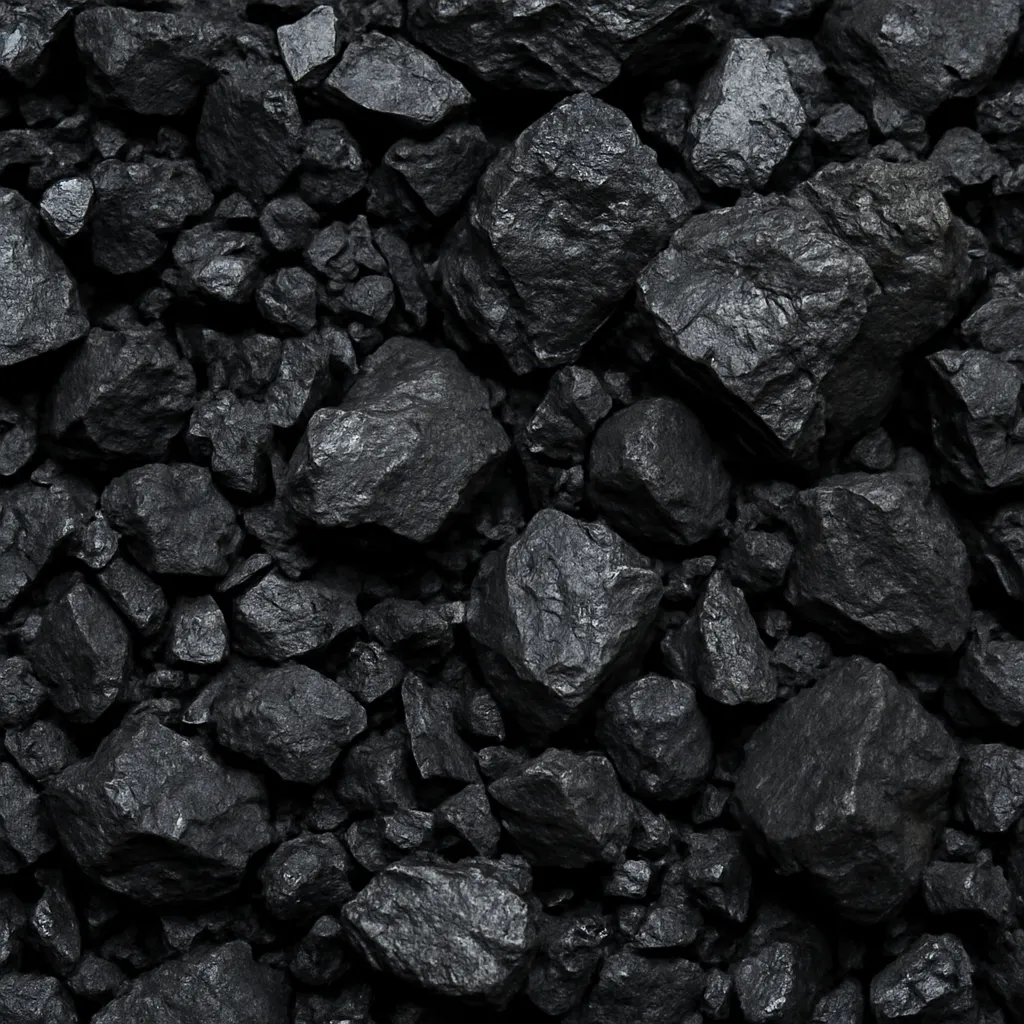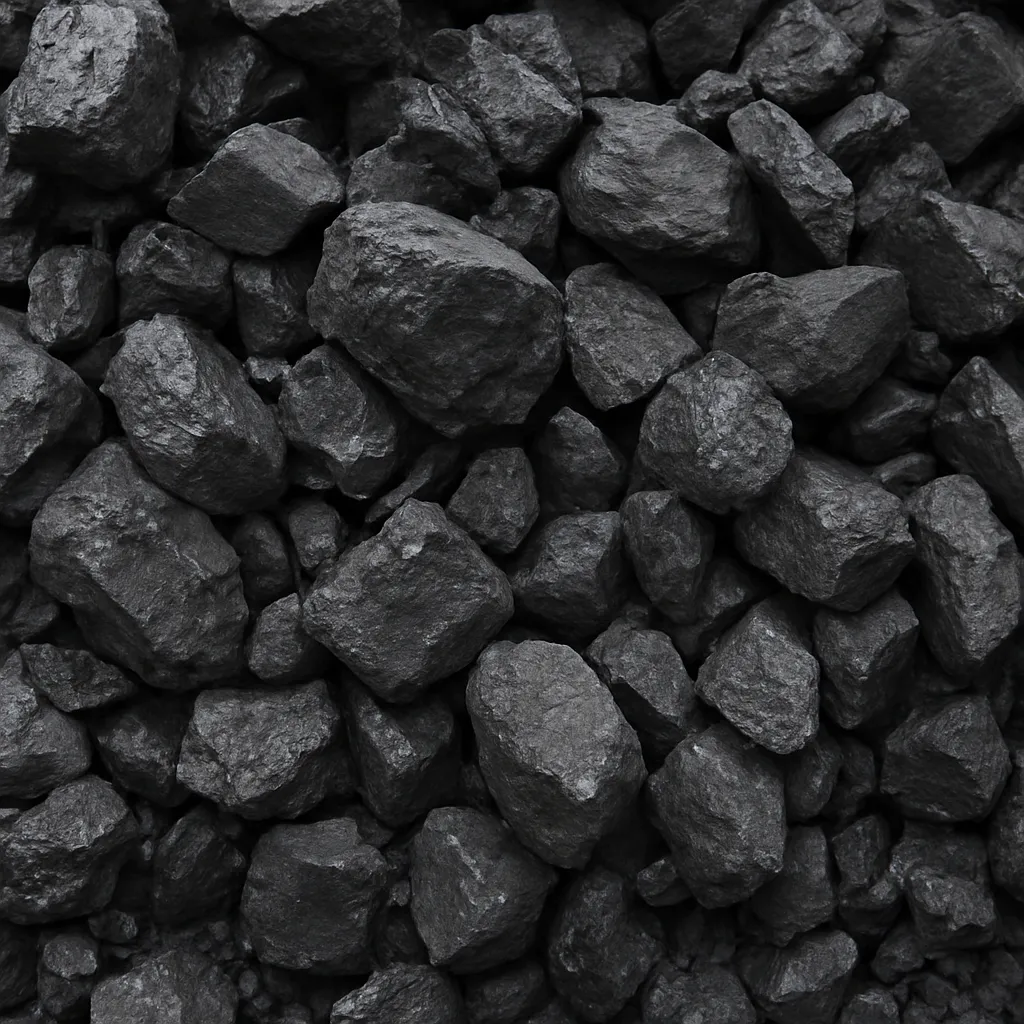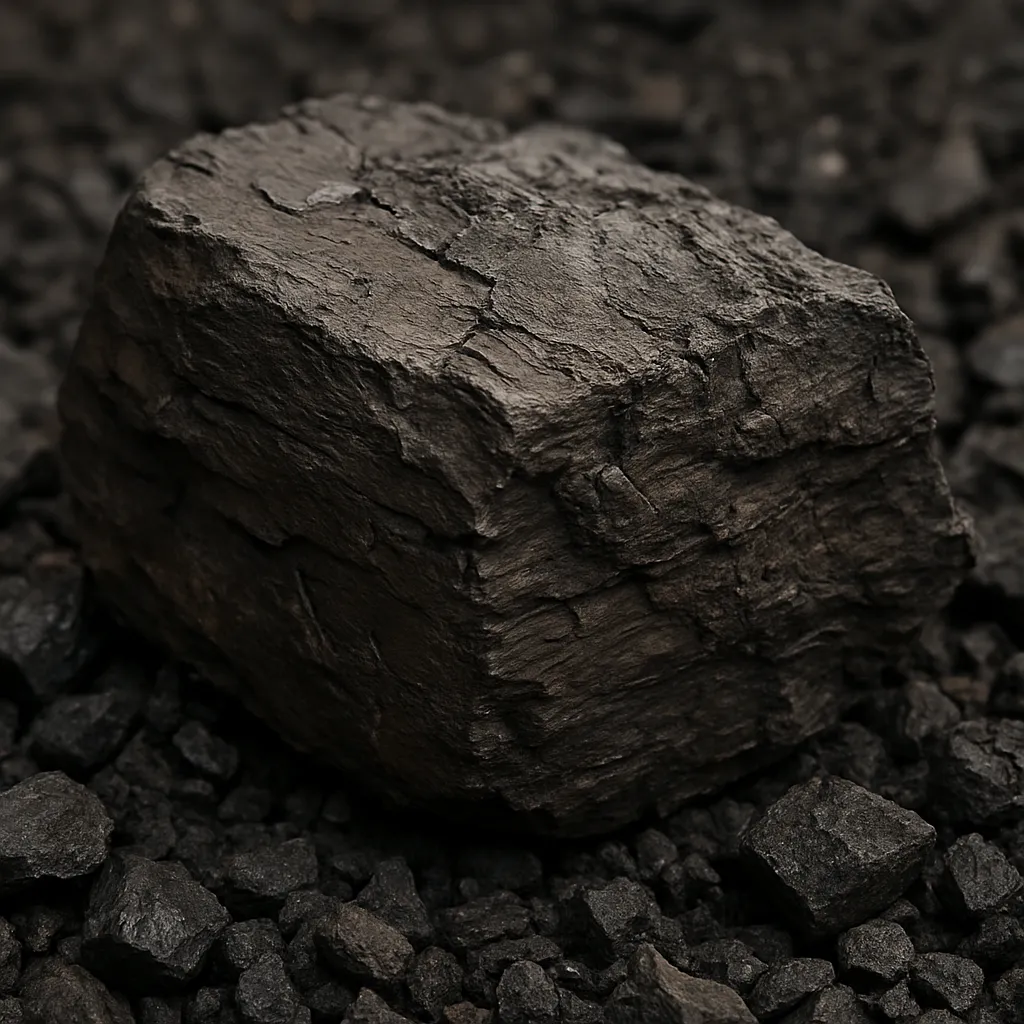
Hard brown coal — commonly referred to in many technical contexts as a form of lignite or transitional coal between lignite and sub‑bituminous ranks — is an important, widely distributed fossil fuel with distinct physical, economic and environmental characteristics. It occupies a specific niche in global energy systems: abundant and often cheap at the mine mouth, but lower in calorific value and higher in moisture and bulk per unit energy than higher‑rank coals. This article examines its geology and properties, where it is found and produced, economic and statistical aspects, industrial uses, environmental impacts and technological innovations that affect its future role.
Geology, classification and physical properties
Coal rank is the conventional way to describe the progressive alteration of plant material through peat to lignite, then to sub‑bituminous, bituminous and anthracite. Hard brown coal generally refers to denser, slightly higher‑rank varieties of lignite — sometimes called “hard lignite” or transitional lignite — that have undergone more compaction and mild coalification than soft, high‑moisture lignites. Geologically, these deposits are typically Tertiary in age (from the Paleogene and Neogene periods) but may also have formed in younger or older sedimentary basins depending on local conditions.
Key physical and chemical characteristics:
- Calorific value: lignites and hard brown coals span roughly 8–20 MJ/kg on a total as‑received basis; transitional types may approach 15–20 MJ/kg. For comparison, bituminous coal values commonly exceed 24 MJ/kg.
- Moisture content: high compared with bituminous coal, often between 25–60% when mined; “hard” types tend to have lower free moisture.
- Ash and volatile matter: ash content varies widely by deposit (from a few percent to >20%), while volatile matter is generally high, aiding ignition but influencing combustion behavior.
- Sulfur and trace elements: sulfur levels vary by basin; some deposits are low‑sulfur and suited to combustion with lower SO2 emissions, while others require flue‑gas desulfurization.
The combination of high moisture and lower energy density makes lignite best used close to the mine to avoid costly transport of water weight; this is why many lignite operations are coupled to adjacent power plants or district heating systems.
Occurrence and major producing regions
Lignite and hard brown coal deposits are widely distributed in sedimentary basins formed in inland and marginal marine settings where abundant plant material accumulated and was later buried under sediments. Significant modern producers and deposit regions include:
- Germany — one of the world’s historically largest lignite producers, with major basins in the Rhineland, Lusatia and central Germany. German lignite has long supplied nearby large thermal power stations and is central to domestic electricity production in some regions.
- Poland — has important lignite basins (e.g., Bełchatów, Konin, Turów) that support large power plants; lignite is a cornerstone of regional power generation.
- Czech Republic — significant lignite basins in North Bohemia and around Sokolov, used mainly for electricity and district heat.
- Russia — extensive coal resources of various ranks, including sizable lignite deposits in western Siberia and in European Russia; used for power in some regions.
- United States — notable lignite production in the U.S. Midwest and Gulf states (e.g., North Dakota, Texas, Louisiana) where large low‑grade deposits support mine‑mouth power plants.
- Australia — while much of Australia’s coal exports are high‑rank black coals, there are lignite deposits (notably in Victoria) used domestically for power.
- China, India, Greece, Turkey, Bulgaria and Romania — these countries also have lignite resources used for local power generation and heating.
Location patterns reflect the need to minimize transport distances; many large lignite plants are integrated with or sit immediately adjacent to open‑pit mines.
Mining methods and processing
The dominant method for extracting lignite and hard brown coal is open‑pit mining, chosen where deposits are near the surface and extensive. Common practices include:
- Strip mining with large excavators or bucket‑wheel excavators in large continuous operations.
- Drill and blast methods in thick seams where mechanical excavators are complemented by blasting to fragment rock and coal.
- Where seams are deeper and conditions permit, underground mining is used but less common due to economics and the friable nature of the coal.
After extraction, lignite may undergo simple beneficiation such as screening and crushing, separation of rock and coal, and drying to reduce moisture for transportation or to improve calorific value. Industrial treatments include briquetting or pelletizing for fuel handling, and in some plants coal is mechanically or thermally dried before combustion. Technologies like fluidized bed combustion tolerate higher moisture and ash, reducing the need for extensive preparation.
Economic and statistical overview
Coal remains a major global energy commodity. In the early 2020s, global coal production (all ranks combined) was on the order of several billion tonnes per year. While the largest share of that tonnage is higher‑rank and exported thermal and metallurgical coal, lignite and hard brown coal represent a meaningful portion of domestic thermal coal use in many countries — particularly in Europe and parts of North America.
Some indicative figures and trends (rounded and qualified):
- Global coal production across all ranks has fluctuated around roughly 7–8 billion tonnes per year in recent years, with year‑to‑year variation tied to economic activity, fuel switching and policy measures.
- Lignite and sub‑bituminous production together may represent on the order of 10–20% of global coal production by mass; lignite’s share is concentrated in a smaller group of countries compared with bituminous coal.
- Germany historically produced over 100 million tonnes per year of lignite in the 2010s, although production has trended downward as generation is restructured and some mines are closed as part of energy transition plans.
- Poland’s lignite output has commonly been in the tens of millions of tonnes per year, underpinning a substantial share of regional electricity in lignite‑hosting provinces.
- United States lignite production has been variable; major U.S. lignite basins have supplied tens of millions of tonnes annually to local power plants.
These figures vary by data source and by year; official national statistics and international compilations by agencies such as the International Energy Agency (IEA) and national geological surveys provide the most precise annual numbers for production, consumption and reserves.
Economically, lignite’s appeal stems from low mine‑mouth costs, locally available fuel reducing import dependency, and the ability to support baseload generation with large, centralized plants. However, its low energy density and high transport cost per unit energy limit export competitiveness; most lignite is used domestically. Employment in lignite mining and associated power plants can be regionally significant, providing thousands of direct and indirect jobs in mining districts, supply chains and plant operations.
Uses in industry and power generation
The principal use of lignite and hard brown coal is power generation, especially in combined heat and power (CHP) and large thermal power stations located near mines. Typical applications include:
- Utility-scale electricity generation in mine‑mouth power plants designed to handle high‑moisture fuels.
- District heating where cogeneration plants produce both electricity and heat for local communities — an energy‑efficient use that is common in Central and Eastern Europe.
- Industrial boilers for process heat in sectors located near the coal source.
- Fuel briquettes for domestic heating in regions without extensive pipeline gas or other fuel access.
Lignite is generally unsuitable for metallurgical processes (coke production) that require high‑rank coals; therefore it plays little direct role in steelmaking. However, advanced thermochemical processes such as gasification can convert lignite into synthesis gas (syngas) for chemicals, hydrogen or liquid fuels, though economic and environmental hurdles remain for large‑scale commercialization.
Environmental and social impacts
Environmental considerations are central to debates about lignite. Key issues include:
- Greenhouse gas emissions: per unit of electricity, lignite combustion emits more CO2 than higher‑rank coals because of lower energy density and higher moisture. This makes lignite a focal point in climate policy discussions.
- Air pollutants: particulate matter, SO2 and NOx emissions can be significant unless controlled by flue‑gas treatment systems (electrostatic precipitators, scrubbers, selective catalytic reduction).
- Land disturbance: open‑pit mining creates large excavated areas, impacts landscapes and requires substantial reclamation and restoration work after mine closure.
- Water impacts: dewatering of mining pits can lower groundwater tables, alter hydrology and affect local water use; managing wastewater and runoff is an ongoing operational need.
- Subsidence and social displacement: mining often leads to relocation of communities and changes to local land use; resettlement must be managed with social safeguards and compensation.
Policy responses include stricter emission limits, incentives for renewables and gas, economic instruments like carbon pricing, and specific national plans to reduce or phase out lignite generation. For example, several European countries have set timelines to eliminate or sharply curtail lignite use within the next one to two decades, with associated social and economic transition programs for affected regions.
Technological developments and mitigation options
Technologies and practices that influence the environmental performance and economic competitiveness of lignite include:
- Advanced combustion: fluidized bed combustion (FBC) and circulating fluidized bed (CFB) systems provide greater fuel flexibility and lower emissions, accommodating high‑moisture, high‑ash fuels.
- Drying and pre‑treatment: thermal or mechanical drying reduces moisture, increases heating value and lowers transportation and combustion penalties.
- Gasification and IGCC (integrated gasification combined cycle): convert lignite into synthesis gas for higher‑efficiency power cycles or for chemical feedstocks; capital and operational costs are significant barriers so deployment is limited.
- Carbon capture, utilization and storage (CCUS): capturing CO2 from lignite plant flue gas is technically possible but increases costs and energy consumption; CCUS could enable continued use of domestic lignite while limiting CO2 emissions where policy and economics support it.
- Reclamation and land reuse: restoring open‑pit mines to agriculture, forests, lakes or industrial sites is a long‑term task that can deliver ecological and economic benefits if planned and funded adequately.
The balance between these technologies depends on national policies, carbon prices, availability of alternatives (renewable resources, gas interconnections) and public acceptance.
Economic transition, policy and social considerations
Many lignite regions face complex transition challenges as governments pursue decarbonization. Important elements include:
- Employment transitions: direct mine and plant workers and indirect supply chain employees require retraining, redeployment and social support as plants close or reduce output.
- Regional economic diversification: investments in new industries, renewable energy projects, manufacturing and services can offset job losses if policies are proactive.
- Compensation and financing: some countries implement dedicated transition funds to finance new infrastructure, retraining and environmental remediation.
- Energy security: despite environmental pressures, maintaining some domestic lignite capacity can be viewed as a hedge against supply disruptions of imported fuels; this consideration influences national timelines for phase‑down.
Transition pathways are therefore a mix of technology deployment, social policy, and economic planning tailored to local circumstances.
Interesting facts and additional notes
Some additional points of interest:
- Lignite is often called “brown coal” because of its color and lower rank; it is geologically younger than most bituminous coals and retains much of the macerated plant structure in some seams.
- Large single mines, particularly in Europe, can cover tens to hundreds of square kilometers and alter regional topography; restored post‑mining landscapes sometimes create large artificial lakes that become recreational or ecological assets.
- Because lignite is bulk‑heavy, international trade is limited: most observed global coal trade flows are dominated by higher‑rank coals suitable for long‑distance shipping.
- Innovations in drying and conversion may expand future uses, for example as feedstock for hydrogen or chemicals if coupled with low‑carbon processes.
Conclusions and outlook
Hard brown coal or lignite remains a regionally important fossil fuel whose future is shaped by economics, technology and climate policy. Its advantages — abundant local supply, low mine‑mouth cost and suitability for cogeneration — are balanced by its environmental impacts and lower energy density. In the near term, lignite will continue to supply electricity and heat in areas where it is abundant and infrastructure is configured around it. Over the medium to long term, the pace of decline in lignite use will depend on national decarbonization commitments, carbon pricing, affordability of alternatives and the success of regional transition programs for affected communities.
Germany, Poland and a handful of other countries will be central to discussions on lignite’s phase‑out because of the scale of their existing infrastructure and the socioeconomic role of mining regions. Meanwhile, technological options — from advanced combustion to carbon capture and gasification — provide potential pathways to reduce emissions if policy and markets support their deployment. Ultimately, the role of hard brown coal is likely to decline in many parts of the world, but it will remain a topic of practical importance in shaping just transitions, grid stability and regional economies for years to come.