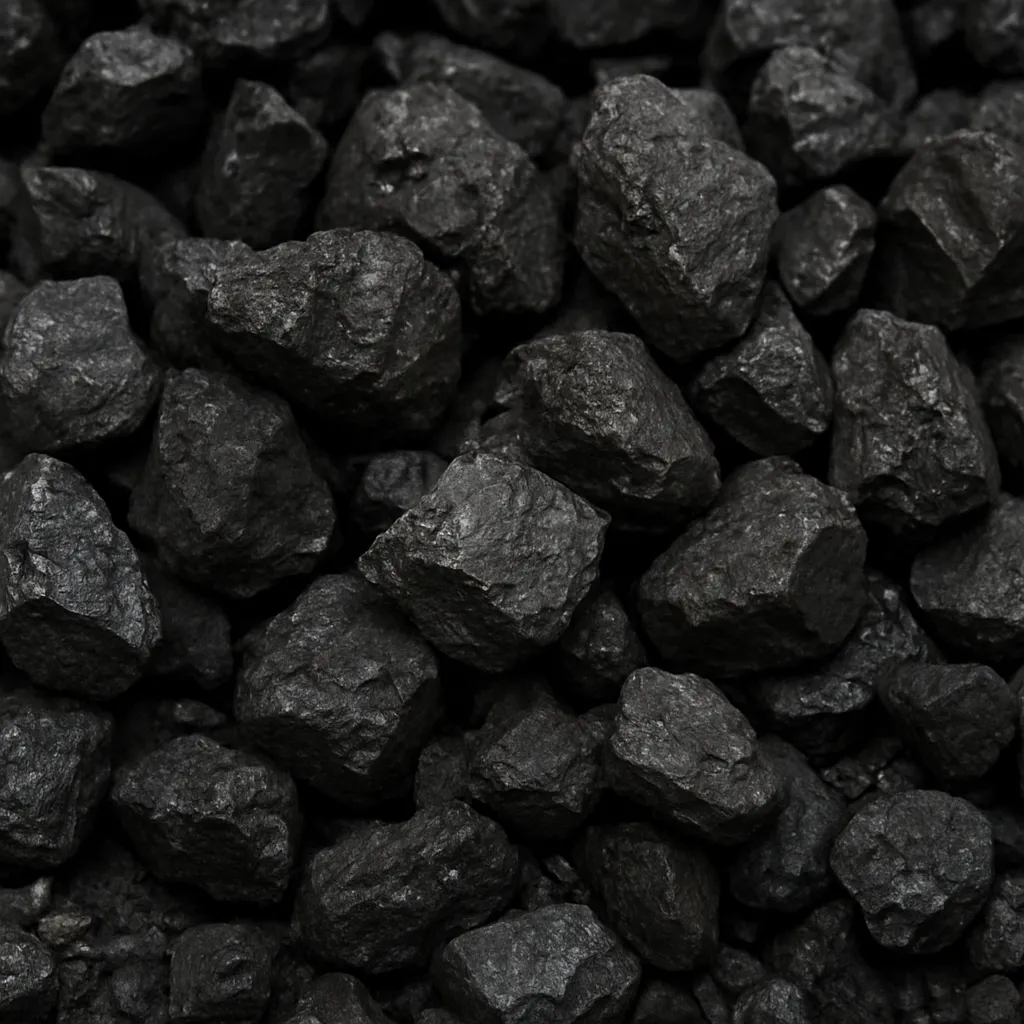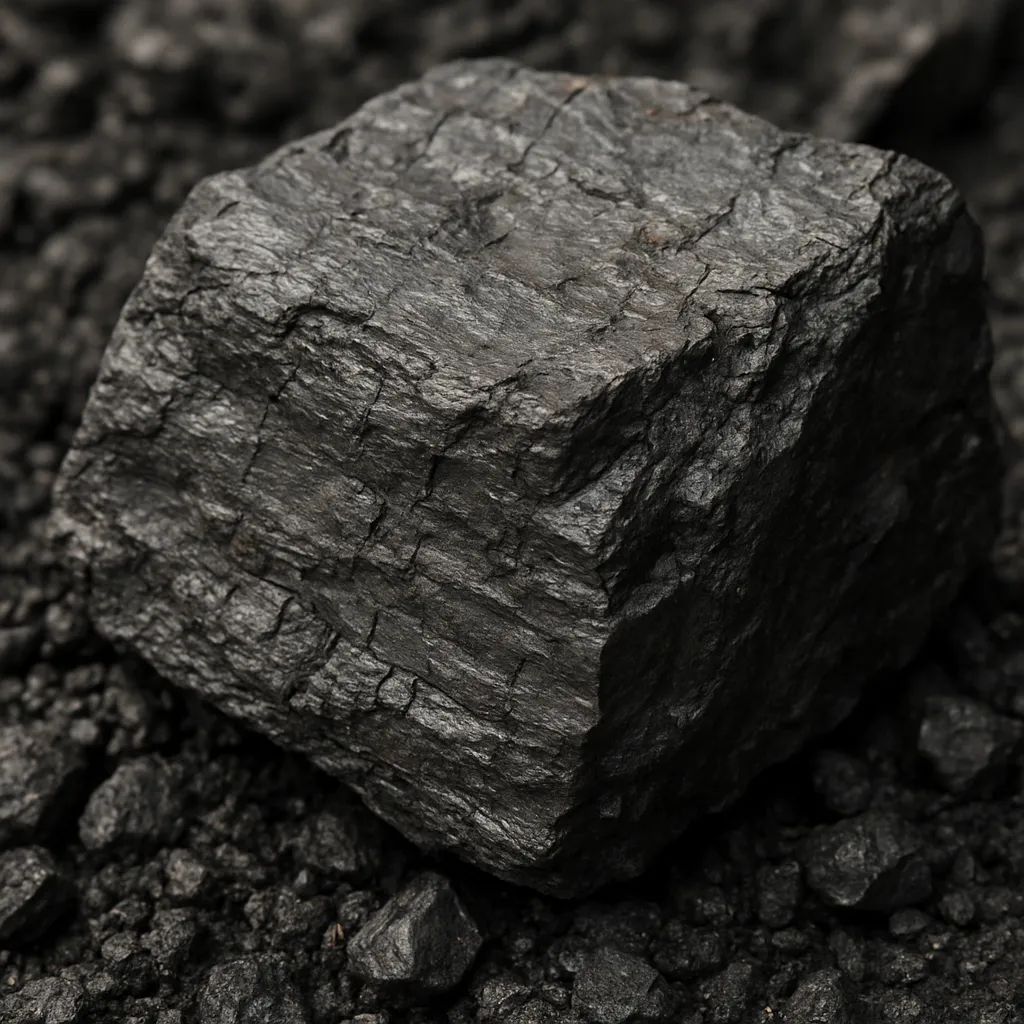
Younger forms of coal commonly known as lignite or brown coal occupy a unique place in the global energy landscape. Formed in relatively recent geological times, these deposits are typically near the surface, easily accessible and important for local energy systems. At the same time, lignite raises complex questions about environmental impacts, economic value and the future of low-grade fossil fuels in a decarbonizing world. This article surveys the geological characteristics, major producing regions, economic and industrial roles, environmental challenges, and technological responses associated with young lignite.
Occurrence and geological characteristics
Lignite is the lowest rank of coal, representing an early stage in coalification when plant matter has been transformed into peat and then into coal under increasing pressure and temperature. Because lignite developed during the comparatively recent geological periods (mainly the Neogene and Quaternary), deposits are often termed “young” and tend to be shallow and laterally extensive. The near-surface position makes them readily accessible by surface mining methods.
Formation and typical properties
Lignite forms from accumulated plant debris in low-lying wet environments such as swamps, lagoons and peat bogs. Over time, burial and compaction expel water and gases and cause biochemical and geochemical changes. Compared with higher-rank coals (sub-bituminous, bituminous, anthracite), lignite is characterized by:
- High moisture content — commonly between 25% and 60% by weight in fresh, freshly mined lignite.
- Low calorific value — typically in the range of about 8–20 MJ/kg (roughly 2,000–5,000 kcal/kg) on a raw basis; expressed per tonne this equals about 8–20 GJ/tonne depending on moisture and ash.
- High volatile matter — lignite releases a large fraction of volatiles when heated, which affects combustion behavior.
- Variable ash and sulfur contents — ash can be low to high depending on the deposit; sulfur varies with local depositional chemistry.
Because of its high moisture and low energy density lignite is typically used close to its mining site rather than transported long distances. It often fuels dedicated power plants and district heating systems built adjacent to mines, optimizing cost and reducing transport losses.
Mining methods, major deposits and producers
Most lignite is mined by large-scale surface (open-cast) operations that remove overburden to expose shallow seams. These mines may include truck-and-shovel systems or conveyor-fed continuous mining setups; in some regions, strip mining with large bucket-wheel excavators remains common. Underground mining is less common but can occur where seams are thin or protected by overlying land uses.
Major producing regions
Key regions with significant young lignite deposits include:
- Europe: Central and Eastern Europe host some of the world’s most economically important lignite fields. The Rhenish and Lusatian basins in Germany have historically been among the largest producers, with major open-cast mines such as Hambach, Garzweiler and Tagebau Jänschwalde. Poland’s Bełchatów mine (supplying the adjacent power plant) is one of the largest single lignite operations in Europe. Greece, the Czech Republic and Bulgaria also have substantial lignite resources used mainly for electricity and district heating.
- Turkey has several large lignite deposits in the Aegean and central Anatolian regions, supplying both local power plants and industry.
- Australia’s state of Victoria contains extensive brown coal deposits in the Latrobe Valley. These reserves have powered large thermal stations (Loy Yang, Yallourn) and historically supplied nearby grids.
- India’s lignite is concentrated in states such as Tamil Nadu (notably the Neyveli fields), Gujarat and Rajasthan, where lignite fuels power plants and industrial facilities.
- The United States has significant lignite resources in the Gulf Coast region, North Dakota and Texas; these feed regional power systems and mine-mouth plants.
- Russia, China and several countries in southeast Europe, the Balkans and the Middle East have smaller to moderate deposits used locally.
Notable operations and infrastructure often pair dedicated power generation with the mine: the Bełchatów complex in Poland (mine + large power station), several German mines linked to multi-gigawatt lignite fleets, Australia’s Latrobe Valley mines supplying Loy Yang and other stations, and Neyveli in India where mining and power generation are integrated.
Production scale and accessibility
Because lignite seams are shallow, extraction costs per tonne can be relatively low compared with deeper underground mining. However, the combination of high moisture and low energy density limits transport and export economics — most lignite is consumed domestically. Large-scale open-cast mines can produce tens of millions of tonnes per year, serving nearby thermal power plants and local industrial consumers.
Economic and industrial role
Lignite’s economic appeal lies principally in low extraction cost, abundance in certain regions and the ability to provide stable, baseload energy close to demand centers. In many countries lignite has historically offered secure domestic energy—important for industrial development, job creation, regional incomes and energy security.
Main uses
- Electricity generation — the largest single use. Mine-mouth or nearby thermal power plants burn lignite in pulverized fuel boilers or fluidized-bed combustors. Many grids have been built around local lignite resources.
- Combined heat and power (CHP) — lignite-fired CHP plants supply both electricity and district heating to towns and industries, increasing the effective fuel-use efficiency compared with electricity-only plant.
- Industrial steam and process heat — some industries use lignite in boilers for process heat where alternatives are costly or unavailable.
- Upgrading and conversion — lignite can be briquetted, dried or gasified for higher-value uses; in some places it is processed to produce synthetic gases or liquid fuels, though such processes are capital-intensive.
Economically, lignite often ranks as one of the cheapest thermal fuels on a delivered, mine-mouth basis because of simple mining operations and minimal transport. That advantage, however, must be weighed against environmental compliance costs (emission controls, ash handling), carbon pricing or taxes and long-term policy signals favoring decarbonization.
Statistical snapshot and market trends
Exact yearly figures fluctuate by source and year, but several general statistics and trends are evident for the early 2020s:
- Global lignite production is commonly estimated in the order of several hundred million to around one billion tonnes annually. While bituminous and sub-bituminous coals dominate international markets, lignite remains a significant share of domestic coal use in countries with large deposits.
- Major producers include Germany, Russia, China, the United States, Poland, Australia, India and Turkey — with Europe historically significant due to accessible, quality lignite deposits close to industrial demand centers.
- Production and consumption patterns are regionally divergent: in parts of Europe and Australia, lignite-fired generation has been in decline or under pressure because of environmental regulation, plant retirements and competition from renewables; in parts of Asia and Turkey, lignite has continued to play a substantial role in electricity portfolios.
At a plant level, lignite-fired power stations show higher CO2 emission intensities than comparable hard-coal plants because of lower energy content and higher moisture. Typical CO2 emissions from lignite-fired generation can range around 0.9–1.3 kg CO2 per kWh of electricity produced depending on plant efficiency and lignite quality — considerably higher than many low-carbon alternatives.
Environmental and social considerations
Lignite has some of the strongest environmental challenges among coal types. Because it is often burned in large, centralized plants and contains high moisture and volatile fractions, lignite combustion generates notable emissions and local impacts.
Climate impacts
Lignite releases large amounts of CO2 per unit of electricity relative to higher-grade coals and certainly relative to renewables. In regions with carbon pricing or emission targets, lignite units face rising operational costs or retirement if not coupled with emissions control technologies.
Local pollution and ecosystem impacts
- Air pollutants — lignite combustion can emit particulate matter, SO2, NOx and trace metals (mercury, arsenic), necessitating flue-gas cleaning to meet modern air quality standards.
- Land transformation — large open-cast mines significantly alter landscapes, require overburden removal, and change hydrology. Mine reclamation and after-use planning are therefore central to social license and regulatory compliance.
- Water issues — dewatering of mines can lower local water tables; treatment of mine drainage and ash disposal require careful management.
- Health and social impacts — mining communities sometimes benefit economically but also face health risks from dust, water contamination and industrial accidents.
Because of these impacts, several European countries (notably Germany) have implemented phased reductions of lignite use, alongside policies to compensate affected regions and to finance transition for workers and communities.
Technological responses and potential for cleaner use
Despite environmental drawbacks, lignite has been the subject of numerous technological efforts intended to reduce emissions, increase efficiency and enable transition pathways.
Efficiency improvements and emissions control
- Modern plant designs — larger, more efficient units and combined-cycle or advanced steam cycles narrow the gap in emissions per MWh. Open-cast mine-mouth plants can implement optimization measures to reduce losses.
- Flue gas cleaning — electrostatic precipitators, fabric filters, flue-gas desulfurization (FGD) and selective catalytic reduction (SCR) reduce particulate, SO2 and NOx emissions respectively.
Drying, upgrading and co-firing
Drying lignite (pre-drying) can significantly improve its calorific value and combustion efficiency. Technologies such as hot-air drying, mechanical dewatering, or use of waste heat can raise net energy yields. Co-firing lignite with biomass or natural gas may reduce net CO2 emissions and provide transitional pathways while utilizing existing infrastructure.
Gasification, liquefaction and CCS
Lignite can be converted to syngas via gasification and then to chemicals or synthetic fuels; however, these routes are capital-intensive and their economic viability is sensitive to fuel prices and carbon costs. Carbon capture and storage (CCS) applied to lignite plants could drastically reduce net emissions, but widespread deployment is limited by cost, storage availability and regulatory frameworks. Pilot projects and demonstrations exist, but large-scale commercial CCS on lignite-fired power stations remains rare.
Economic transitions and policy dynamics
Policy choices are central to the future of lignite. Where governments prioritize rapid decarbonization, lignite retirement schedules, carbon pricing and renewable roll-outs reduce the role of young lignite. Conversely, in regions prioritizing short-term energy security or economic stability for mining regions, lignite may remain part of the energy mix longer.
Transition policies for lignite-dependent communities often include:
- Financial support and retraining programs for workers displaced by mine or plant closures.
- Funds for land reclamation and redevelopment of former mining areas for industry, recreation or renewable projects.
- Incentives for replacing lignite generation with lower-carbon alternatives while maintaining energy reliability.
Examples include governmental programs in Europe to phase out lignite with compensation and redevelopment funds, and in some countries targeted investments in renewables in former lignite districts to preserve employment levels.
Interesting technical and cultural facts
- Because lignite layers are often recent geologically, they can preserve botanical and paleoclimatic records useful to scientists studying past climates and vegetation.
- Some lignite deposits have been used historically for local heating and even as a raw material for early chemical processes before large-scale electrification.
- Briquetting — pressing mined lignite into stable briquettes — has been a traditional method to increase energy density for local household or industrial fuel uses.
- Urban planning in lignite regions sometimes features large-scale relocation of communities to accommodate expanding open-cast operations; such relocations have social and cultural consequences that shape local politics and history.
Outlook: decline, adaptation or niche persistence?
The future of young lignite is likely to be uneven across the globe. In many high-income jurisdictions with binding climate targets, lignite’s role is shrinking because of economics, policy and public pressure. Conversely, in regions where local economics, energy security concerns or the pace of renewables deployment differ, lignite may persist as a local baseload source for years or decades.
Key factors determining lignite’s trajectory include the pace of renewable deployment and grid modernization, the application of carbon pricing or regulation, the availability and cost of CCS and conversion technologies, and social policies addressing mine-dependent communities. Technological innovations — especially cost reductions in pre-drying, co-firing, and CCS — could extend useful life for some operations, while others will be retired and remediated.
Summary
Lignite or lignite (also called brown coal) remains an important, though contested, energy resource in many parts of the world. Its geological youth and surface accessibility make it an inexpensive source of fuel for local power and heat, but its high moisture, low calorific value and elevated emissions create environmental and climate challenges. Major producing regions — from Germany and Poland in Europe to the Latrobe Valley in Australia and Neyveli in India — demonstrate the diversity of roles lignite plays: from backbone baseload supply to a driver of local economies. Moving forward, lignite’s viability will depend on technology, economics and policy choices that balance energy needs, environmental targets and social impacts.