This article examines torrefied lignite — a processed form of low-rank coal — describing what it is, where it occurs and is produced, the technologies used to convert lignite into a higher-value fuel, economic and industrial roles, environmental and regulatory implications, and market trends. The aim is to provide a broad but detailed overview useful for energy professionals, policymakers and technically minded readers. Key technical and commercial terms are emphasized for clarity.
What is torrefied lignite?
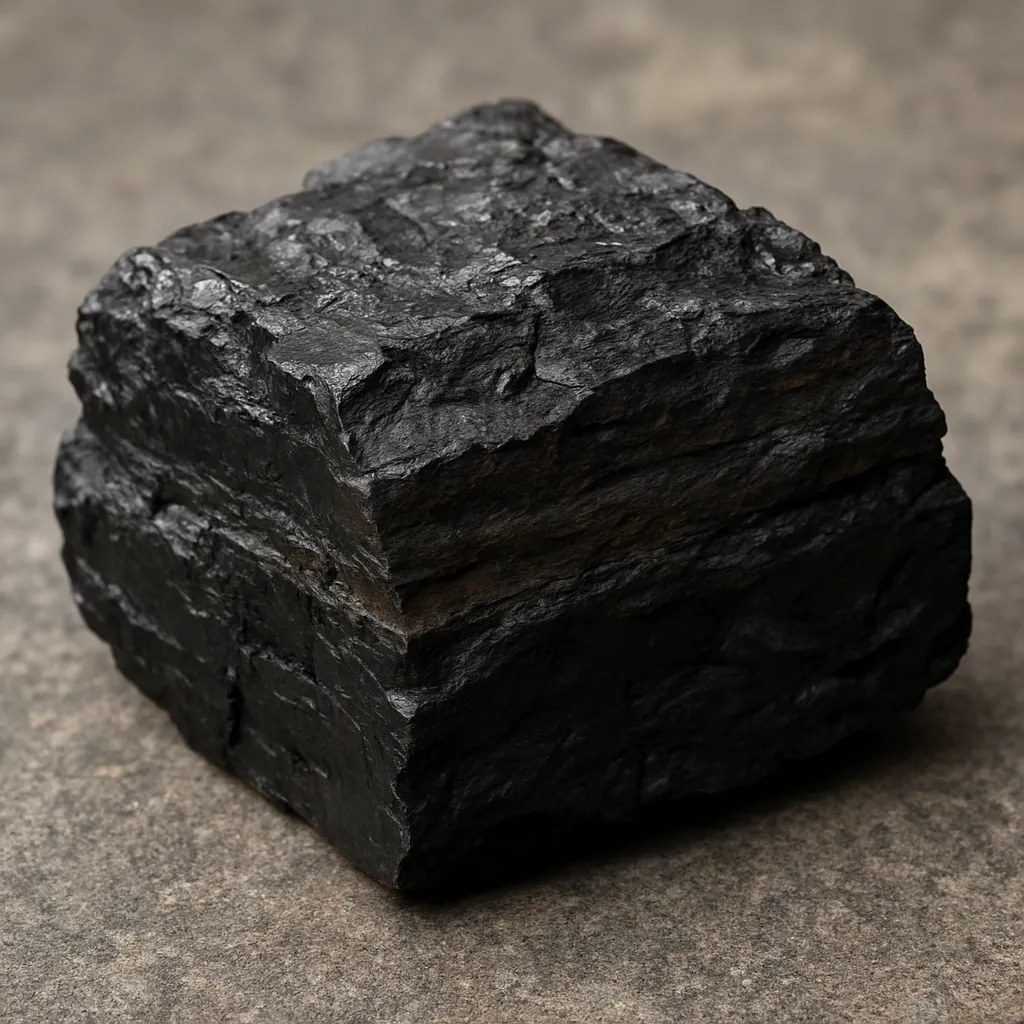
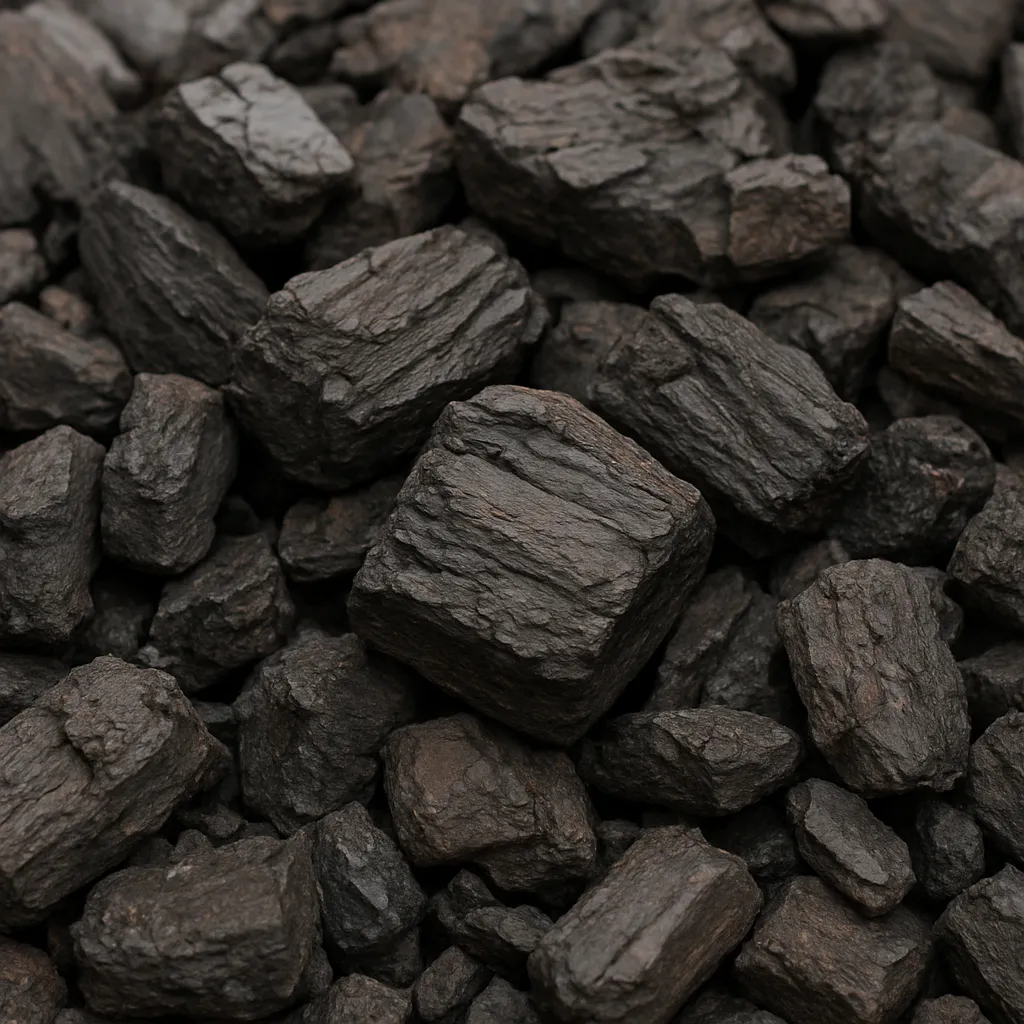
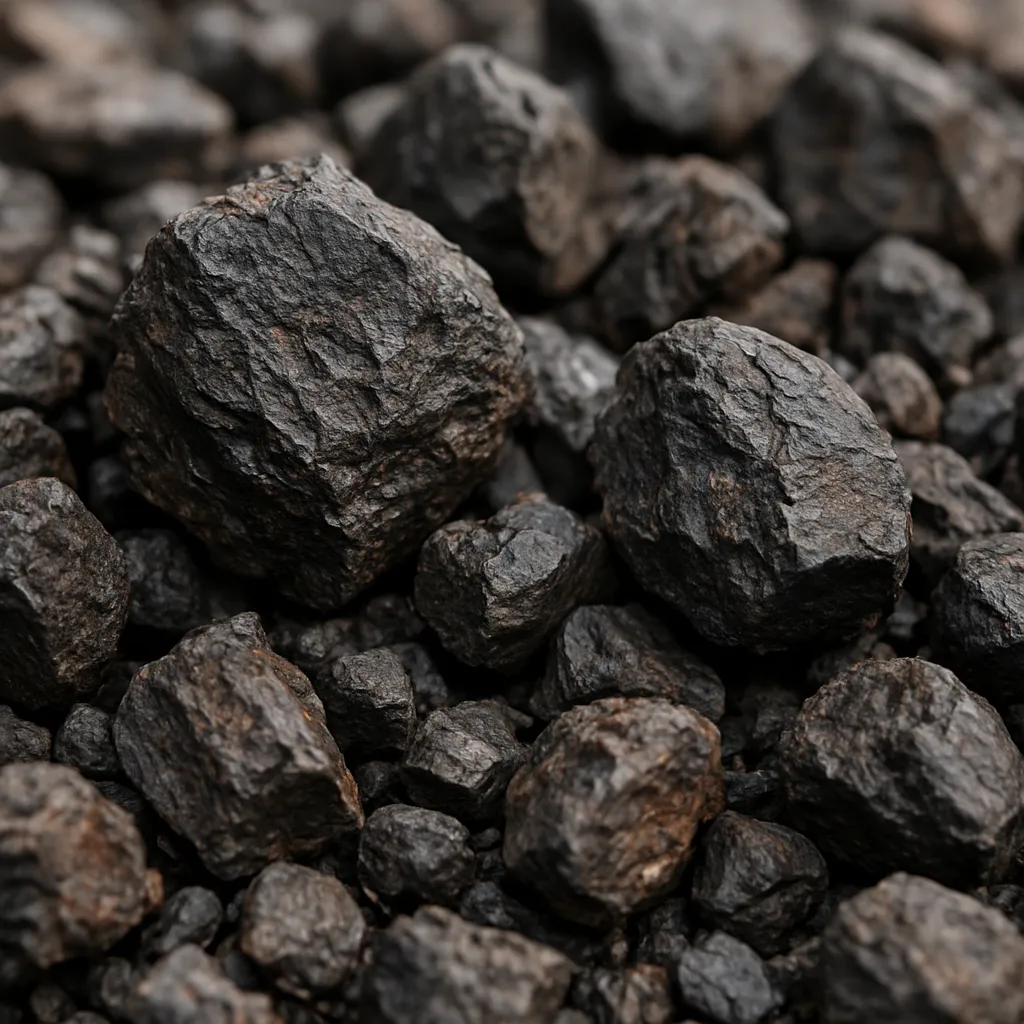
Torrefied lignite is the result of applying torrefaction — a controlled thermal treatment typically carried out between 200°C and 320°C in an oxygen-lean atmosphere — to lignite (often called brown coal). The process drives off moisture and light volatiles, partially thermally decomposes woody and carbonaceous components, and leaves a dry, more carbon-rich solid with improved fuel properties. Compared with raw lignite, torrefied lignite typically has a higher calorific value, lower moisture content, improved grindability, and increased energy density. These changes make it more suitable for long-distance transport, storage, co-firing with higher-rank coals, and some industrial uses that raw lignite could not economically serve.
Occurrence of lignite and where torrefied lignite is produced
Raw lignite occurs in large, near-surface deposits formed from peat in geologically young basins. Major basins are found across Europe, North America, Asia and Australia. Historically, lignite is mined and consumed near its deposits because of high moisture content and low energy density that make long-distance transport uneconomic. Notable lignite-producing regions and examples include:
- Europe: Germany (Lusatia, Rhineland mines such as Garzweiler and Hambach), Poland (Bełchatów mine supplying the Bełchatów power plant), Czech Republic, Greece and Turkey.
- North America: United States (Texas lignite fields, North Dakota/Bakken-associated lignite), Canada (small-scale deposits).
- Asia: China (numerous local brown coal deposits), India (limited local lignite basins in Gujarat and Tamil Nadu), Indonesia (small basins used locally).
- Australia: Several brown coal basins in Victoria and New South Wales are major suppliers of local thermal power generation.
- Russia and Eastern Europe: Regional lignite deposits supporting local power stations and industry.
Torrefied lignite production is still an emerging industry rather than a mature global commodity. Early commercial and pilot plants have been developed in Europe, China and North America, often located near large lignite mines or power plants to reduce feedstock transport. Torrefaction facilities are typically co-located with energy plants so that process heat and off-gas streams can be efficiently reused.
Torrefaction technology and processing characteristics
How the process works
Torrefaction treats lignite in a low-oxygen environment at moderate temperatures for times ranging from minutes to an hour, depending on reactor design. The main effects are:
- Removal of water and light volatiles (which reduces mass but concentrates energy).
- Partial devolatilization and polymerization reactions that increase fixed carbon fraction.
- Creation of a more hydrophobic material that resists weather-related moisture uptake.
- Improvement of grindability, easing pulverization for co-firing or gasification processes.
Typical operating choices are a trade-off: higher severity (temperature/time) produces a product with higher energy density but lower mass yield and higher processing energy demands. Mass yields for torrefied feedstocks commonly range from about 70% to 90%, while energy yields (the fraction of original energy retained in the solid product) are often in the 80%–95% range, depending on severity and feedstock characteristics.
Product forms and handling
The torrefied product may be left as a loose coarse material, pelletized or briquetted to increase bulk density and strength. Pellets made from torrefied lignite are mechanically stronger than raw lignite pellets and remain stable in humid conditions, enabling maritime transport and bulk handling similar to conventional thermal coal. Standard logistics equipment used for coal (conveyors, ship loaders, pulverizers where appropriate) can usually be adapted for torrefied lignite.
Economic and industrial significance
Torrefaction converts a low-value, locally used fuel into a more versatile product with higher market value per ton and per transported volume. Key economic and industrial implications include:
- Improved economics for long-distance transport: by increasing energy density and reducing moisture, torrefied lignite reduces delivered cost per unit energy for markets located far from mines.
- New export opportunities: lignite that could not be economically shipped as raw coal can become competitive in nearby international markets once torrefied and pelletized.
- Co-firing and fuel blending: torrefied lignite can be blended with bituminous coal and biomass in power plants, enabling utilities to optimize fuel mixes.
- Industrial heating and small-scale combustion: denser, drier torrefied pellets are more appropriate for industrial boilers and district heating systems than raw lignite.
- Value chain diversification for mining regions: torrefaction plants create local processing jobs and can stabilize demand for lignite in regions facing electricity sector transitions.
Capital and operating costs for torrefaction need to be balanced against savings in transport, improved plant efficiencies and any premium for a more homogeneous, storable fuel. Break-even distances for transporting torrefied lignite versus raw lignite depend heavily on local logistics: road and rail availability, need for maritime shipping, and the cost of process heat and capital.
Market statistics and trends
Exact global figures for torrefied lignite production remain small, as the market is largely in pilot and early commercial phases. By contrast, raw lignite (brown coal) is a significant portion of global coal consumption: estimates from energy agencies indicate that several hundred million tonnes of lignite are produced annually worldwide. Major consumers use lignite for baseload electricity generation in plants designed specifically for this fuel.
Transforming even a fraction of global lignite into torrefied products would require substantial capital investment and logistics adaptation. Nevertheless, several trends influence potential market development:
- Decarbonization policies in many jurisdictions are reducing long-term demand for unabated coal, including lignite, which may limit the scale-up of torrefaction for export unless combined with low-carbon strategies.
- Co-torrefaction of lignite with biomass is being investigated to introduce a renewable fraction, possibly improving the environmental profile of the product and making it more attractive in regions with biomass incentives.
- Regions with phasing-out policies for coal-fired electricity may repurpose lignite supply chains toward industrial and export markets if torrefaction can make them competitive.
Environmental, regulatory and lifecycle considerations
Torrefied lignite improves some practical and logistical environmental metrics (lower transport-related emissions per MWh due to higher energy density, reduced spoilage and less moisture handling). However, the fundamental chemistry remains: combustion of torrefied lignite releases CO2 and conventional pollutants (SOx, NOx, particulate matter) consistent with its composition and the quality of emission controls in the consuming plant.
Important environmental considerations include:
- Lifecycle emissions: the torrefaction process consumes energy (often supplied by combusting torrefaction off-gases), so net greenhouse gas (GHG) benefits relative to raw lignite depend on process efficiency and energy sources. If torrefaction is powered by fossil fuels, net emissions per MWh may not improve substantially.
- Air pollutants: sulfur and ash content in lignite remain in the torrefied product in similar proportions (concentrated by mass loss), so downstream emissions controls remain essential.
- Mining impacts: torrefaction does not eliminate the local environmental footprint of lignite mining (land disturbance, groundwater effects, biodiversity loss) and so must be considered alongside reclamation and regional development policies.
- Regulatory frameworks: markets with stringent coal phase-outs or high carbon prices will limit demand for torrefied lignite unless carbon capture, co-firing with renewables, or biomass co-processing reduces the effective carbon intensity of the fuel.
Industrial applications and practical uses
Torrefied lignite can be used in multiple applications with commercial or developmental interest:
- Power generation: directly in pulverized-coal plants (with minor retrofits) or as a blended feedstock for co-firing to optimize plant economics.
- Industrial boilers and district heating: as a stable, storable pellet fuel with predictable combustion characteristics.
- Gasification and synthetic fuels: torrefaction can be a pre-treatment prior to gasification, improving feedstock uniformity and potentially increasing syngas quality.
- Export commodity: pelletized torrefied lignite can compete with lower-grade thermal coals on a calorific basis for neighboring import markets.
In some R&D programs, torrefied lignite is investigated as a feedstock for metallurgical processes after further upgrading; however, intrinsic ash chemistry and the absence of coking properties limit its direct substitution for metallurgical coals without extensive processing.
Logistics, storage and safety
A major advantage of torrefied lignite is improved handling characteristics. The hydrophobic nature of torrefied material prevents rapid moisture reabsorption, reducing spoilage and handling losses. Pellets or briquettes made from torrefied lignite are usually mechanically stronger, enabling bulk storage and maritime shipment under conditions impractical for raw lignite.
Safety challenges include:
- Dust generation: as with pulverized coal and torrefied biomass, dust can be explosive; appropriate handling practices and dust suppression are required.
- Off-gas management during torrefaction: volatile organic compounds and tars require controlled handling and thermal oxidation or energy recovery systems.
- Spontaneous combustion: torrefied material is generally less prone to self-heating than raw high-moisture lignite, but safe stockpile management remains important.
Economic feasibility and cost drivers
The economic viability of torrefied lignite depends on a set of interrelated factors:
- Proximity of torrefaction plants to lignite mines: minimizing feedstock haulage reduces costs and emissions.
- Availability of low-cost process heat: integration with power plants or use of torrefaction off-gases improves performance.
- Distance to markets: longer shipping distances favor torrefaction due to improved energy-per-ton shipped.
- Regulatory environment: carbon pricing and fuel quality regulations affect competitiveness relative to other coals and alternatives.
- Capital costs and financing conditions: torrefaction plants require specific reactor and handling equipment and benefit from economies of scale.
Some studies show that torrefaction becomes economically attractive when raw lignite must be transported by sea for several hundred kilometers or when blending with higher-value coals increases power plant performance sufficiently to justify processing costs. Exact break-evens are site-specific and depend on local labor, energy prices, and logistics.
Research, innovation and future prospects
Research continues in areas that could expand torrefied lignite’s role:
- Co-torrefaction with biomass: blending biomass with lignite during torrefaction can produce a partially renewable, carbon-lower product, potentially eligible for renewable incentives or blending mandates.
- Integration with carbon capture: coupling torrefaction-based fuel systems with carbon capture and storage (CCS) at the combustion stage could create lower net-emission supply chains for regions that wish to retain some coal-based generation capacity while managing CO2 emissions.
- Advanced reactors and process optimization: continuous, energy-efficient reactors that better recover off-gas energy and reduce capital costs are under development.
- Market standards and certification: as the torrefied fuel market matures, standardization for quality, energy content and sustainability metrics will facilitate trade.
Concluding observations
Torrefied lignite occupies an intermediate niche between cheap, locally used raw lignite and higher-value coals or biomass-derived fuels. It offers clear logistical and handling advantages, a potential pathway to create exportable fuel from otherwise non-exportable deposits, and technical benefits in combustion and gasification readiness. Yet its long-term commercial scale-up is constrained by broader energy transition policies, the need for careful lifecycle emissions management, and the capital intensity of new processing infrastructure. Where regional markets, logistics and policy align — and particularly where co-processing with biomass or integration with CCS becomes feasible — torrefied lignite may serve as a transitional fuel that helps preserve local economic value while enabling cleaner, more flexible energy systems.