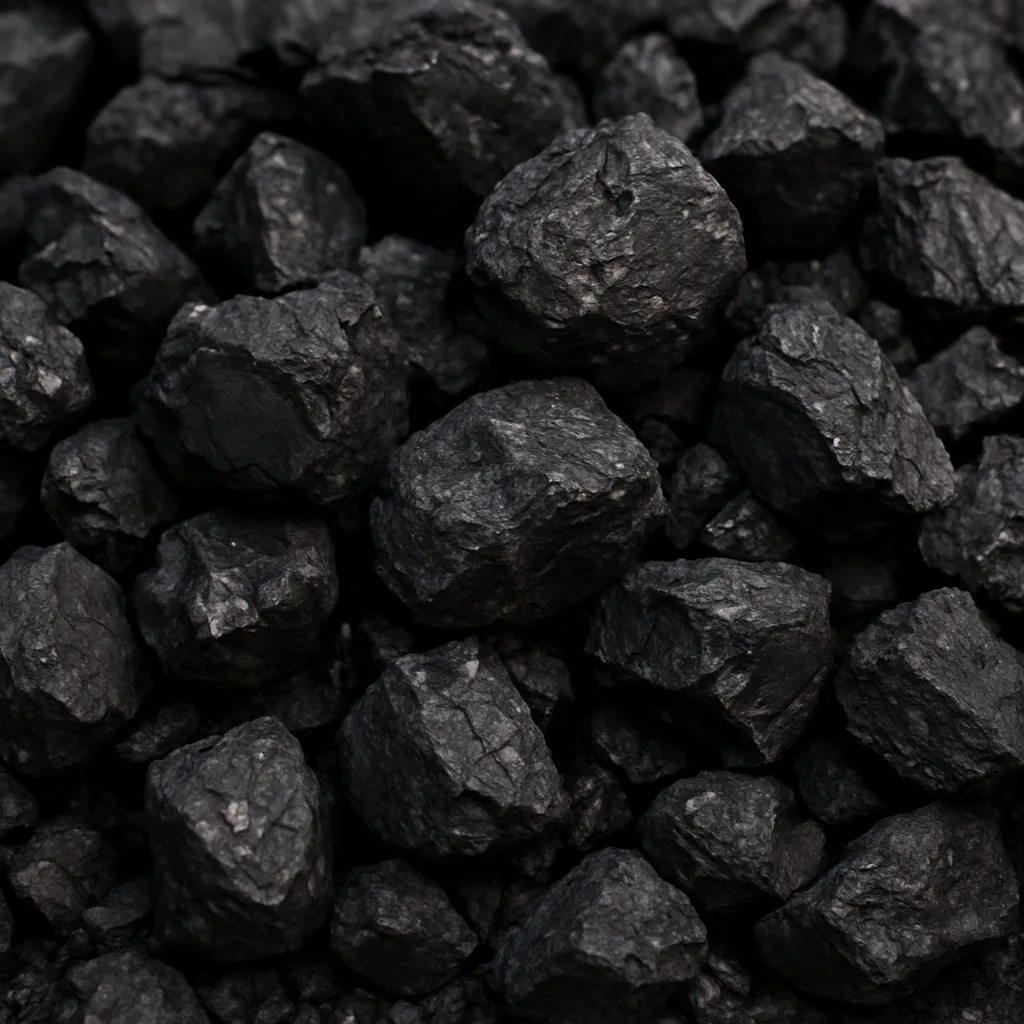
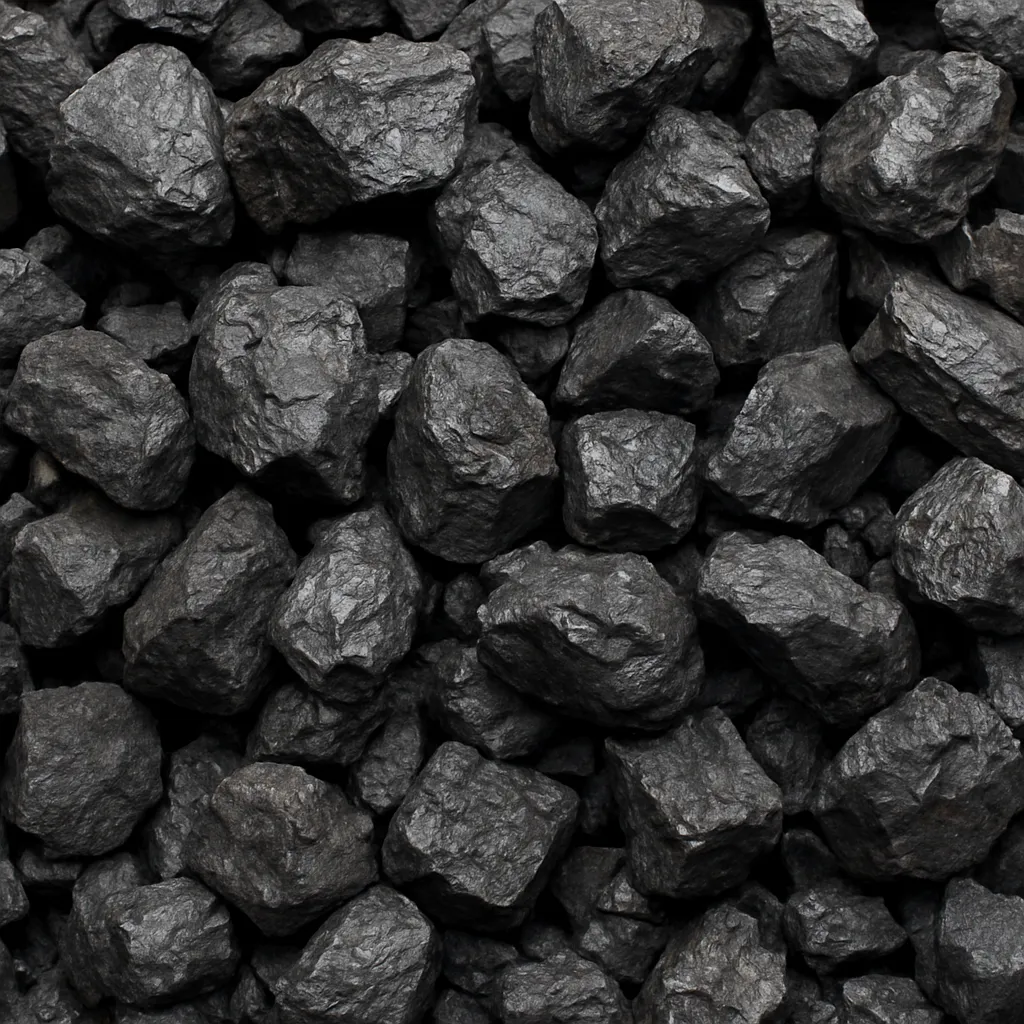
This article explores the concept of refined coal — what it is, how it differs from raw coal, where it is found and produced, and its economic, industrial and environmental significance. The aim is to provide a comprehensive overview that includes geological occurrence, mining regions, market and statistical context, processing technologies, key industrial uses, and emerging trends. Wherever possible the text provides approximate figures and commonly cited estimates to give a factual picture of the role of refined coal in the global energy and materials system.
What is refined coal: definitions, types and technologies
The term refined coal is used in several overlapping senses. In the broadest meaning, it refers to coal that has been processed, upgraded or treated to improve its performance, reduce impurities, or convert it into more valuable products. Processing can range from physical cleaning (removal of ash and sulfur-bearing minerals) to chemical and thermal conversion into gases or liquids. Common categories include:
- Washed coal / beneficiated coal: raw coal crushed and physically cleaned to remove rock, ash and mineral matter; ash content and sulfur are lowered to improve combustion efficiency.
- Coking / metallurgical coal (upgraded by blending and preparation): suitable for steelmaking after specific processing; often considered an upgraded, higher-value coal type.
- Coal-derived fuels (refined to liquids or gases): coal-to-liquids (CTL), coal gasification to syngas and subsequent synthesis into chemicals or fuels.
- Refined coal for emissions control: coal that has been treated (e.g., with additives or chemical treatment) to reduce nitrogen oxides, mercury and other pollutant emissions during combustion.
- Briquetted, pelletized or densified coal: manufactured solid fuels with higher energy density and more uniform combustion properties.
Key industrial processes used in refining coal include beneficiation (washing, gravity separation), gasification, coking and thermal upgrading, solvent extraction, and various forms of chemical treatment. Advanced systems such as integrated gasification combined cycle (IGCC) and fluidized bed combustion are often paired with refined coal products to achieve higher efficiency and lower emissions.
Where refined coal occurs and where it is mined
Coal in nature occurs in sedimentary basins worldwide. The occurrence of coal suitable for refinement depends on the original coal rank (lignite, sub-bituminous, bituminous, anthracite), geological history, and the presence of impurities. Areas with abundant reserves of higher-rank coals (bituminous and anthracite) tend to supply most coking and higher-quality thermal coals, while extensive lignite and sub-bituminous deposits are common sources for power-oriented refined products (e.g., briquettes, washed thermal coal).
Major coal-bearing regions
- Asia: Large basins in China (Shanxi, Inner Mongolia, Shaanxi), India (Jharkhand, West Bengal, Odisha, Chhattisgarh), Indonesia (Kalimantan, Sumatra) provide the bulk of Asian coal. China and India dominate continental Asia production and consume most of their output domestically.
- Australia: Major basins in Queensland and New South Wales are world-class sources of both thermal and high-quality metallurgical coal for export markets.
- North America: The United States and Canada host significant coal basins (Powder River Basin, Appalachian Basin, Illinois Basin) that produce both thermal and metallurgical coals. The US Powder River Basin is a major source of low-sulfur thermal coal often subjected to minimal refinement beyond cleaning.
- Russia and Central Asia: Large deposits in the Kuznetsk Basin, Pechora, and other Siberian basins supply Russian domestic needs and exports.
- Africa: South Africa’s Witbank and Highveld basins produce significant metallurgical and thermal coal; other African countries have smaller deposits.
- Europe: Poland, Germany, and Ukraine have historically been important producers, though production has declined in some areas.
Refinement tends to occur either close to the mine (e.g., washing plants directly at large coal mines) or at dedicated processing facilities near ports or power plants. For example, many Australian mines operate beneficiation and blending on-site to produce export-grade thermal coal, while Chinese state-owned enterprises commonly integrate washing and coking operations within mining complexes.
Economic and statistical overview
Coal remains one of the most traded and economically important minerals globally despite long-term structural challenges from decarbonization policies. Below is a compact statistical and economic picture — offered in approximate and contextual terms — to show where refined coal fits into the global energy system.
- Global production: World coal production historically has been on the order of several billion tonnes annually. In recent years global production fluctuated in the range of roughly 6–8 billion tonnes per year depending on demand cycles and policy changes. China is the largest single producer and consumer, accounting for a very large share of world output (often around half of global production in peak years).
- Consumption and electricity: Coal traditionally provided roughly a quarter to more than one-third of global primary energy and typically supplied around one-third of global electricity generation, though these shares vary by year and region. In many rapidly industrializing economies coal remains the dominant electricity fuel.
- Major producers and exporters: China, India, the United States, Australia, and Indonesia are among the largest producing countries. Australia and Indonesia are major exporters of thermal coal, while Australia is a leading exporter of metallurgical coal. Export volumes can exceed several hundred million tonnes per year for these countries.
- Market value and prices: Coal prices are volatile. Thermal coal (used for power) and metallurgical coal (used for steelmaking) have separate markets with prices driven by supply/demand, shipping costs, and geopolitical events. Price spikes occurred in 2021–2022 due to supply bottlenecks and energy market stress, demonstrating coal’s sensitivity to short-term shocks.
- Employment and local economy: Coal mining supports significant regional employment and local economies in producing regions, often including indirect jobs in logistics, rail, ports and power generation. Employment levels have declined in some advanced economies due to mechanization and plant closures but remain substantial in major producing countries.
Because refined coal products include higher-value outputs (e.g., coking coal, briquettes, coal-derived chemicals), value per tonne can vary widely. Metallurgical coal often commands premiums versus thermal coal because of its role in steel production.
Importance of refined coal in industry
Refined coal has critical roles in several industrial segments, each driven by specific performance or chemical requirements:
- Power generation: Washed and stabilized thermal coals burn more cleanly and efficiently in power plants, reducing maintenance and pollutant emissions compared with raw high-ash coal.
- Steel and metallurgy: Coking and metallurgical coals are indispensable feedstocks for blast furnaces and cokemaking; refining and blending ensure the required plasticity and coke strength for efficient steel production.
- Chemicals and fuels: Coal gasification followed by synthesis (Fischer-Tropsch and other routes) can produce industrial gases, hydrogen, synthetic diesel and chemical feedstocks — increasingly considered in regions with abundant coal but limited oil or gas.
- Industrial heating and cement: Densified and low-ash coals are used where reliable, high-temperature process heat is required; refined coal helps maintain consistent kiln and furnace performance.
- Export markets: Refined and standardized coal products (consistent calorific value, low ash) are preferred by traders and utilities, supporting global shipping and logistics industries.
The industrial importance of refined coal is therefore twofold: it enables higher process efficiencies and quality control for industries like steelmaking, and it mitigates some environmental and operational problems for power plants and heavy industries.
Environmental and regulatory context
The environmental profile of coal—refined or raw—remains a central element of policy debates. Refinement can reduce certain pollutants and improve fuel efficiency, but it does not eliminate greenhouse gas emissions unless paired with specific capture technologies.
- Air pollutants: Beneficiation reduces ash and sulfur content, which lowers particulate emissions, SOx and slagging in boilers. Some chemical treatments can reduce mercury emissions and NOx formation during combustion.
- CO2 emissions: Combustion of coal releases substantial carbon. Refinement that increases energy efficiency per unit of CO2 can reduce emissions intensity but generally does not eliminate CO2 unless combined with carbon capture and storage (CCS) or carbon capture, utilization and storage (CCUS).
- Regulatory incentives and standards: In some jurisdictions, incentives, credits or emissions regulations encourage the use of refined coal with lower pollutants. These policies aim to reduce local air pollution while managing the transition to lower-carbon alternatives.
- Waste and water: Coal washing produces process water and fine tailings; responsible management and treatment are necessary to avoid land and water impacts.
Technologies that pair refined coal with emissions control — such as IGCC combined with CCS, or advanced particulate and sulfur capture on plants burning beneficiated coal — can materially reduce environmental impacts. Such integrated approaches are costly and require long-term policy support to scale.
Statistical highlights and recent trends
Below are several statistical and trend observations relevant to refined coal, drawn from industry reporting patterns and public data trends from the last decade. Figures are indicative and are provided to give scale rather than precise accounting.
- Global coal-focused electricity still supplies a significant share of baseload generation in many regions; in 2020–2022 the share hovered around one-quarter to one-third globally, with higher shares in China, India and some eastern European countries.
- China’s coal production and consumption remain dominant; the country often mines a few billion tonnes annually, meeting large domestic power and industrial demand and thus driving global coal market dynamics.
- Australian and Indonesian export volumes of thermal coal and metallurgical coal together can exceed several hundred million tonnes per year, providing a major pillar for those national export earnings.
- Metallurgical coal prices tend to be more sensitive to steel demand. Periods of global steel production growth raise demand for high-quality refined coal used for coke.
- Investment trends show growing capital for clean-coal technologies and coal-derived hydrogen in some coal-rich countries, although investment in new coal-fired capacity has declined in many advanced economies.
Innovations and the future of refined coal
Several technology and policy pathways will shape the role of refined coal:
- Cleaner combustion and fuel preparation: Better washing, standardized blends and fuel additives reduce local pollutants and allow older plants to meet stricter air quality rules.
- Gasification and chemical conversion: Coal-to-syngas and subsequent conversion to chemicals, hydrogen or liquid fuels can provide long-term industrial value if economically competitive and if emissions are controlled.
- Combination with CCS/CCUS: For coal to retain a role in a low-carbon future, pairing refined coal technologies with reliable, economical CCS is widely seen as essential in scenarios that keep coal in power or industrial sectors.
- Coal-based hydrogen: Producing hydrogen from coal (with capture) is discussed in some regions as a transitional industrial strategy where renewables or natural gas are constrained.
- Reclamation and circular approaches: Using mine waste in construction materials, and recovering rare or valuable elements from coal ash and wastewater, are emerging secondary value streams tied to refinement strategies.
Interesting facts and lesser-known aspects
- Some forms of refined coal — briquettes, pellets or densified products — were developed historically to improve handling and indoor air performance for household and industrial uses.
- Refined coal in the form of coke underpins the global steel industry; disruptions in metallurgical coal supply can have outsized effects on steel prices and steelmaking routes.
- Coal beneficiation often increases calorific value per tonne by removing inert mineral matter. This can significantly lower transport costs per unit of useful energy and reduces fuel consumption for the same power output.
- Innovative capture of rare earths and critical minerals from coal ash and coal seams is an active area of research; co-recovery could improve the economics of some refinement and waste-management operations.
- In some policy frameworks, “refined coal” qualifies for financial credits or incentives if it demonstrably reduces conventional pollutants; this has created targeted markets and niche investments in certain countries.
Conclusions and outlook
Refined coal is not a single product but a family of processed, upgraded and treated coals that deliver improved performance, reduced impurities, or conversion into different chemical forms. It remains economically important because it supports critical industries such as power generation and steelmaking and feeds export markets with standardized products. However, the future of refined coal is closely linked to environmental policy, market shifts toward lower-carbon energy, and the availability of technologies to capture and mitigate CO2 and other emissions. Over the near to medium term, refined coal will continue to play a transitional and often regionally vital role, particularly in coal-rich countries that prioritize industrial stability and local employment while they gradually decarbonize.
Key words emphasized in this article: refined, coal, beneficiation, coking, gasification, carbon, CCS, emissions, power, China.