The discussion surrounding coal remains one of the most charged debates in the energy sector. While some view it as a relic of the past, others see a pathway to energy security and economic opportunity. Young engineers, equipped with fresh perspectives and cutting-edge skills, are uniquely positioned to navigate the complexities of this field. Their insights on mining practices, market fluctuations, and environmental considerations shed light on **energy** systems in transition. This article explores how the next generation of specialists approaches coal, coal **stocks**, and related industries, balancing the demands of modern society with the imperatives of climate action.
Historical Context and Evolution of Coal Use
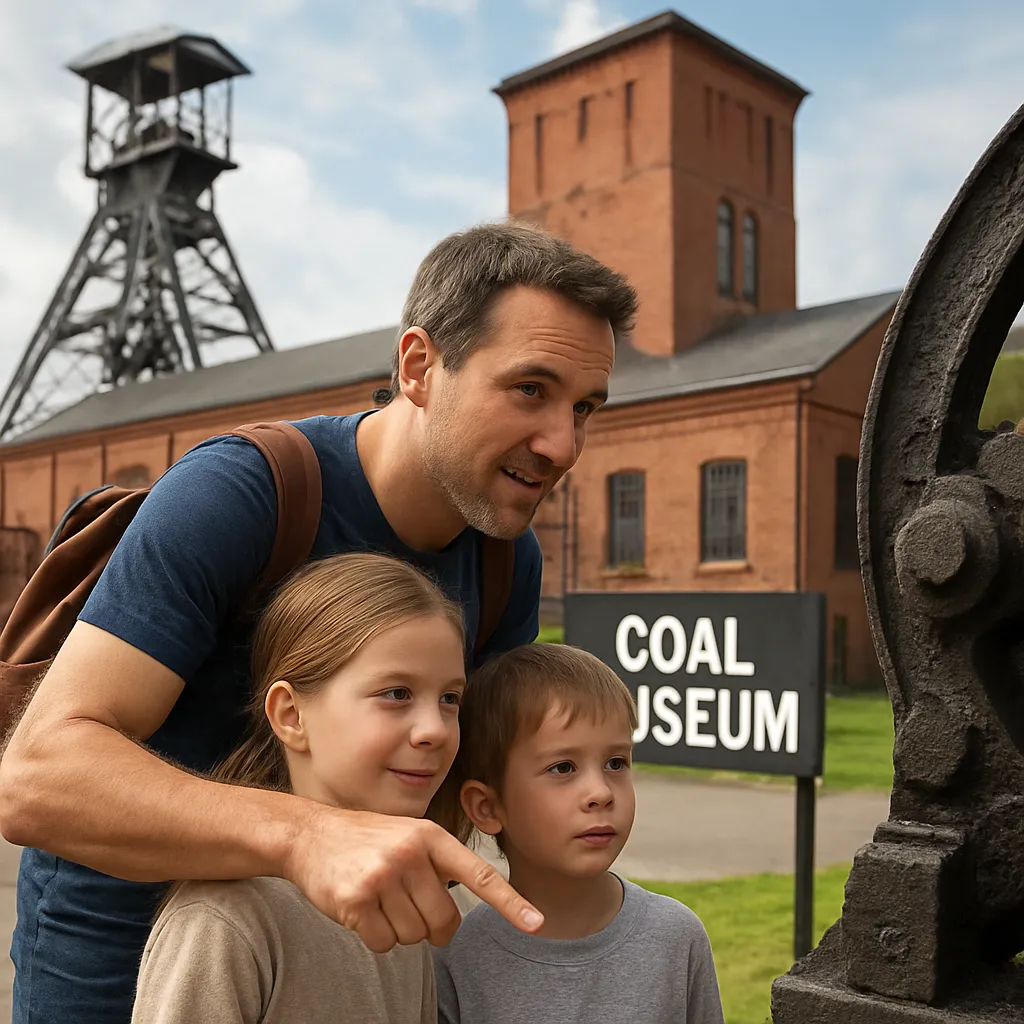
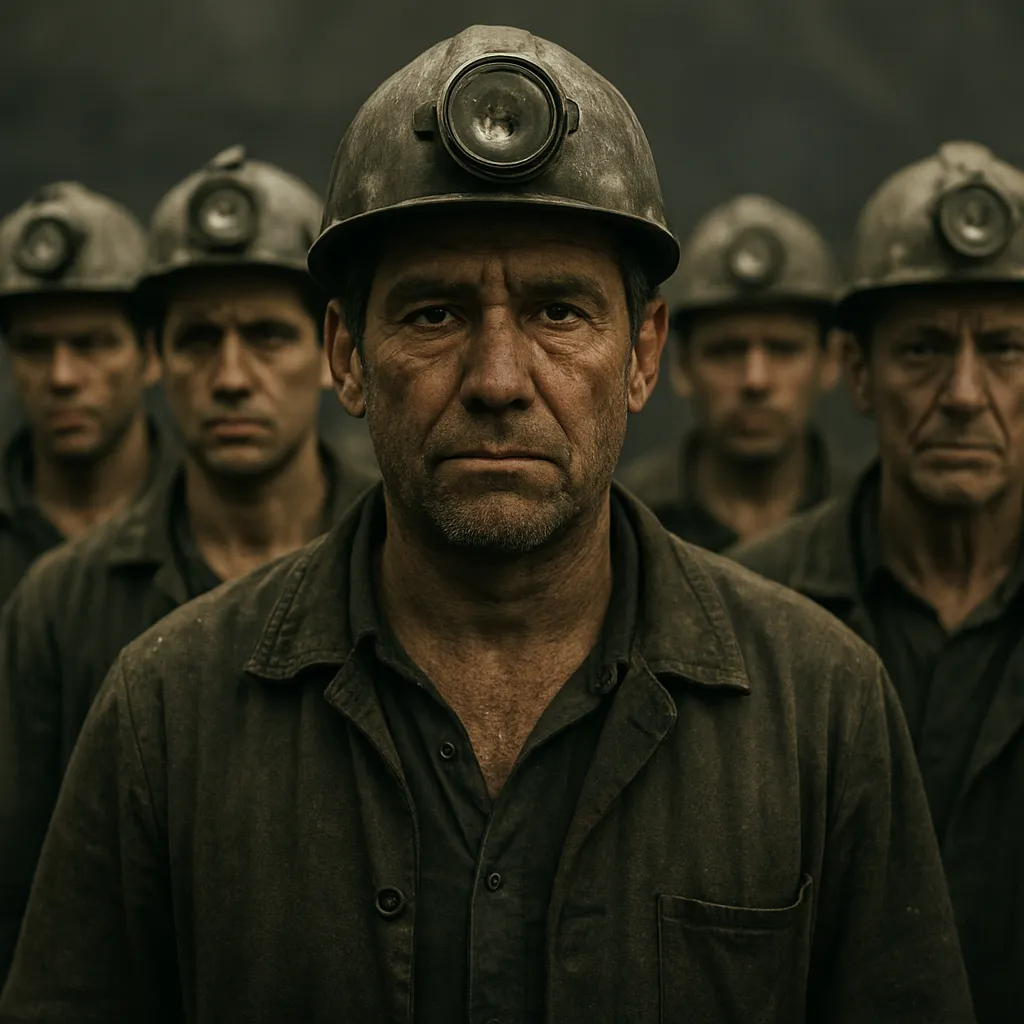
Coal was once the backbone of industrialization, fueling steam engines, factories, and power plants across continents. It represented a period of rapid economic growth and urban expansion. However, its history is marred by labor struggles, pollution, and geopolitical tensions. Today’s engineers study this legacy to build more **sustainable** frameworks for resource management.
Early Innovations and Industrial Revolutions
- 18th-century mining methods and the advent of steam power.
- 19th-century transportation networks—railroads and shipping lanes.
- Energy shifts from biomass to fossil fuels, shaping modern societies.
Understanding the evolution of coal extraction techniques offers insights into how far technology has advanced. While pickaxes and manual hauling dominated early efforts, contemporary operations rely on automated drills, conveyor systems, and real-time monitoring.
The Role of Coal in 20th-Century Energy Grids
- Post-World War II reconstruction and the expansion of thermal power plants.
- Development of steel, cement, and aluminum industries powered by coal.
- Economic booms and busts driven by fuel price volatility.
Engineers of various generations have grappled with the dual nature of coal: as both an enabler of progress and a source of **carbon** emissions. This duality sets the stage for debates about phasing out coal or transforming it through cleaner processes.
Current Market Dynamics and Coal Stocks
Coal markets have experienced their share of upheavals. From supply chain disruptions to policy reforms, young professionals must interpret data to make strategic decisions. They learn to assess risk, forecast demand, and evaluate **stocks** for portfolio resilience.
Global Supply and Demand Trends
- Major producing countries: China, India, the United States, and Australia.
- Influences of COVID-19 recovery on industrial output and energy usage.
- Interplay between coal, natural gas, and renewable energy sources in pricing.
Forecasting demand involves econometric modeling, sensitivity analyses, and scenario planning. By integrating weather data, policy shifts, and macroeconomic indicators, engineers provide more accurate predictions for stakeholders.
Investing in Coal and Risk Management
With fluctuating prices and evolving regulations, coal **stocks** present a nuanced risk profile. Next-generation analysts emphasize:
- Hedging strategies to mitigate market volatility.
- Diversification across energy assets to protect investment portfolios.
- Portfolio stress tests under different carbon pricing scenarios.
While some argue for divestment on ethical grounds, others highlight coal’s role in baseload power and energy security. Emerging talents in finance and engineering work together to balance these priorities, leveraging **resilience** and strategic foresight.
Environmental Impact and Technological Innovations
Addressing the ecological footprint of coal is at the forefront of modern engineering. Young experts advocate for **innovation** in emission controls, carbon capture, and land reclamation to reduce environmental harms without abrupt disruptions to energy supply.
Emission Reduction Technologies
- Sulfur dioxide (SO₂) scrubbers and nitrogen oxide (NOₓ) controls in thermal plants.
- High-efficiency, low-emission (HELE) boilers boosting thermal efficiency.
- Carbon capture and storage (CCS) projects under pilot and commercial stages.
Integrating CCS into existing plants poses technical challenges, such as energy penalties and infrastructure retrofits. Yet, proponents argue it can significantly lower **greenhouse** emissions from one of the largest anthropogenic sources of CO₂.
Land Restoration and Community Engagement
- Rehabilitation of former mining sites with native vegetation.
- Water management systems to prevent acid mine drainage.
- Partnerships with local stakeholders to ensure social acceptance.
Young environmental engineers increasingly prioritize participatory approaches. They conduct social impact assessments, ensure transparent communication, and implement biodiversity monitoring to foster trust between industry and communities.
Digital Transformation and Automation
The advent of digital tools revolutionizes coal operations. Remote sensing, drones, and the Internet of Things (IoT) enable real-time data collection on equipment health, resource estimates, and environmental parameters. Predictive maintenance reduces downtime and operating costs, while advanced analytics support more informed decision-making. By embracing these **technology**-driven methods, coal projects can achieve higher productivity with lower ecological footprints.
Future Prospects and the Next Generation’s Perspective
As energy systems evolve, young engineers weigh the merits of coal against alternative sources. They recognize that achieving broad decarbonization will likely involve a mosaic of solutions, including renewables, nuclear, hydrogen, and, for some regions, cleaner coal.
Balancing Decarbonization and Energy Security
- Short-term reliance on coal for grid stability.
- Investment in renewables complemented by flexible coal plants.
- Emerging hydrogen-from-coal pathways that repurpose existing infrastructure.
In areas with limited renewable capacity or unreliable grids, coal may serve as a transition resource. Innovative processes that convert coal into hydrogen or synthetic fuels could leverage existing assets while lowering the overall carbon footprint.
Policy, Regulation, and Social License
Future engineers advocate for clear regulatory roadmaps that align industry incentives with climate goals. They often call for:
- Carbon pricing mechanisms to internalize environmental costs.
- Subsidies or tax credits for clean coal technologies.
- Community benefit programs to distribute economic gains locally.
By engaging policy makers, civil society, and investors, they hope to create an environment where coal can coexist with ambitious climate targets, rather than become entirely obsolete overnight.
Career Opportunities and Skill Development
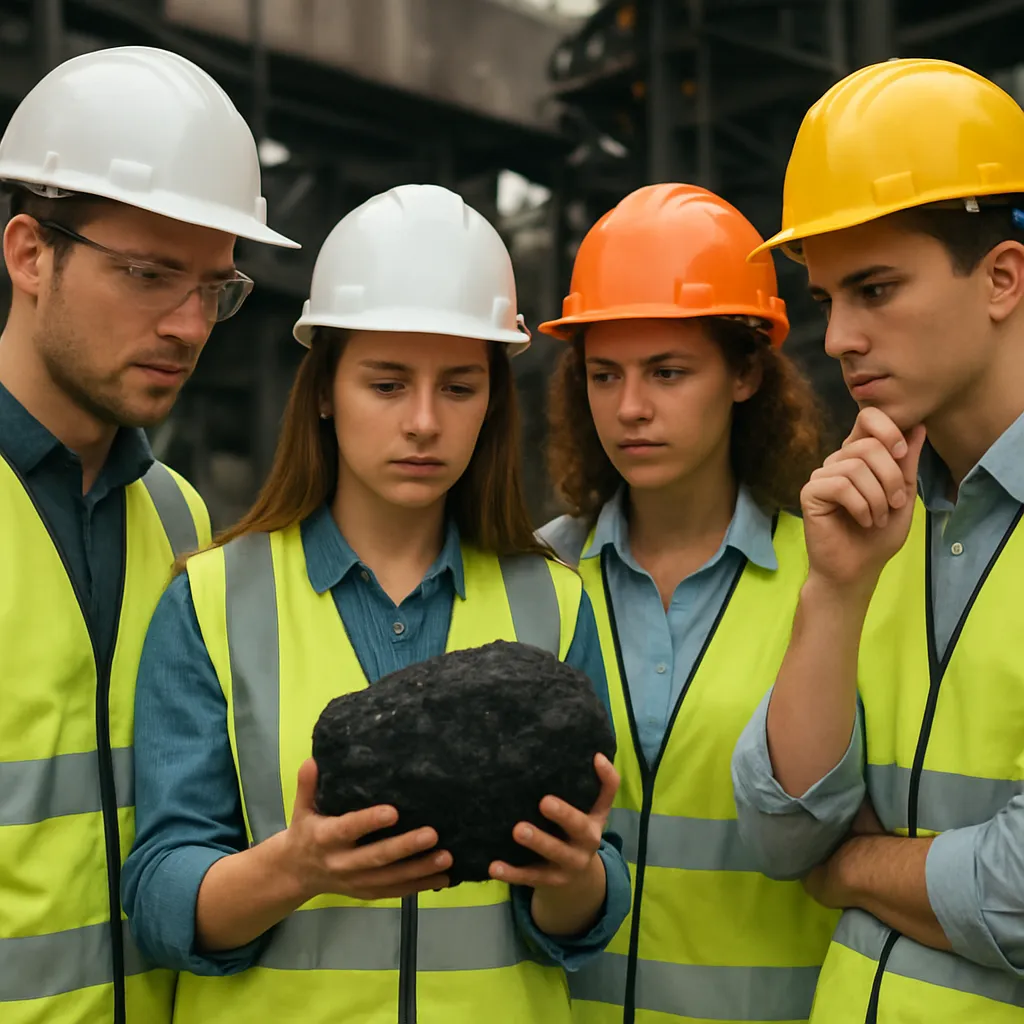
The next wave of engineers is acquiring multidisciplinary skills. Besides core competencies in geology and thermodynamics, they embrace data science, environmental law, and stakeholder management. This broad toolkit prepares them to navigate the complex interplay between economic growth, environmental stewardship, and social welfare.
Ultimately, the future of coal will be shaped by the ability of young experts to harness **diversification**, leverage **innovation**, and promote responsible practices. Their collective vision seeks to transform coal from a divisive problem to a transitional asset, ensuring reliable energy supply while moving decisively toward a net-zero future.