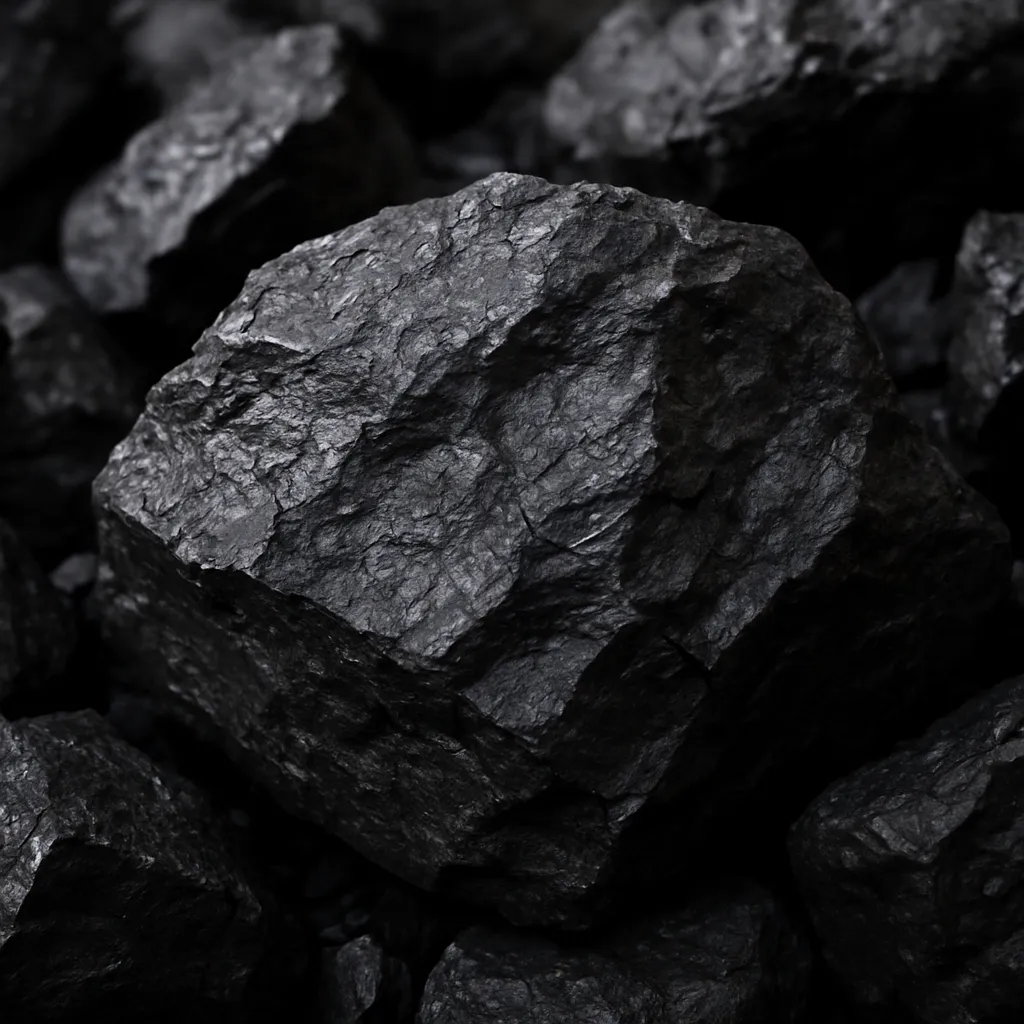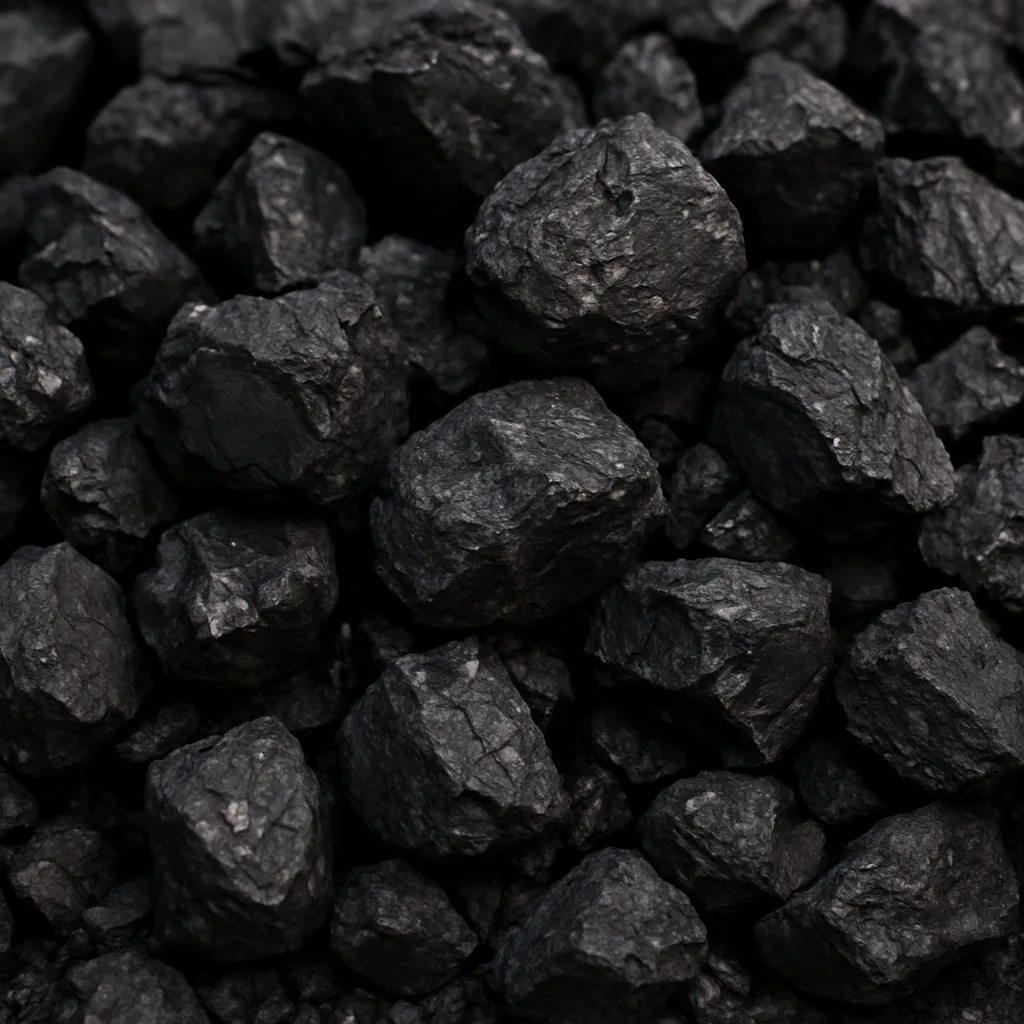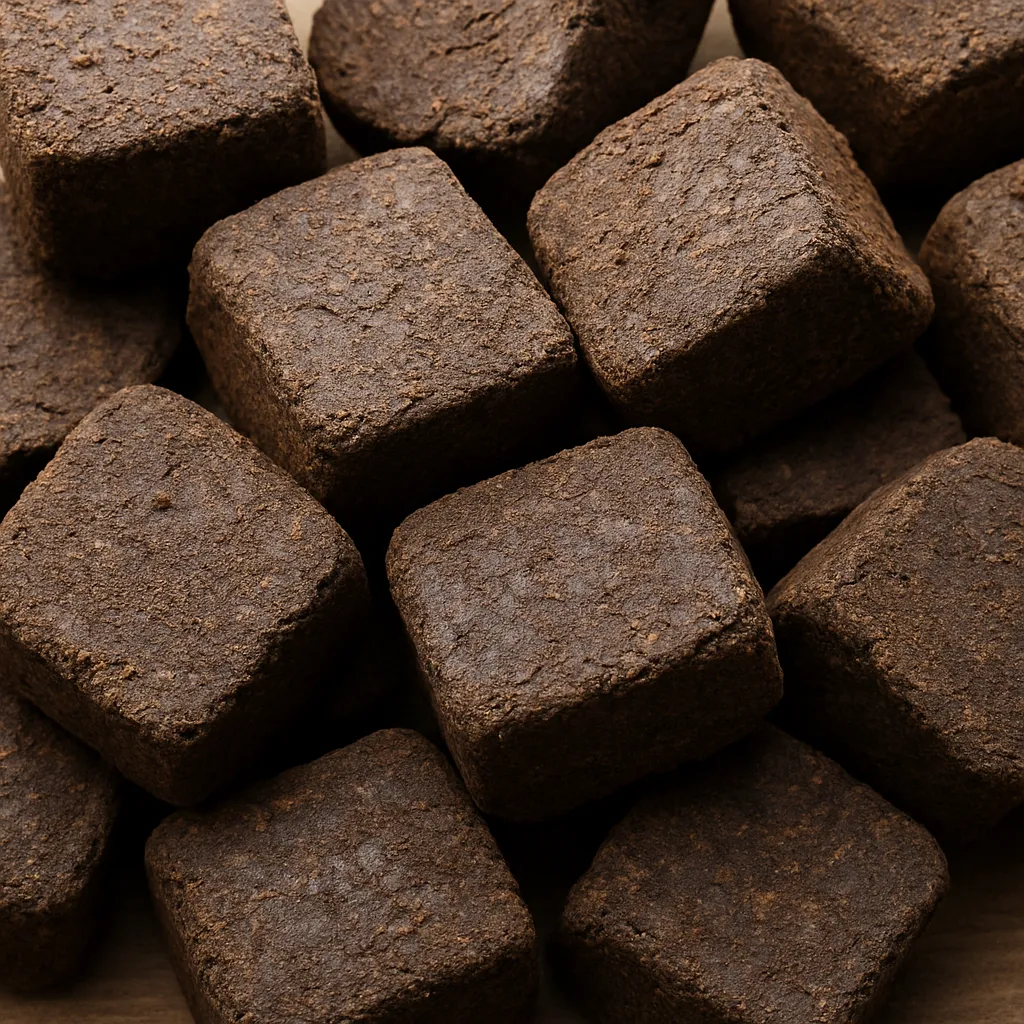
Brown coal briquettes — a form of compacted lignite — have played a significant role in regional energy systems, industrial processes and household heating for more than a century. This article provides a comprehensive overview of where brown coal occurs, where it is mined, methods of converting it into briquettes, economic and statistical context, importance for industry and regional economies, and the environmental and technological challenges shaping its future. The aim is to offer useful factual and contextual information useful for policymakers, industry professionals, students and interested readers.
What is brown coal and what are briquettes?
Brown coal, commonly known as lignite, is a low-rank sedimentary coal formed from compressed peat and plant material during the Tertiary period (roughly the last 65 million years). Compared with higher-rank coals (sub-bituminous and bituminous), lignite has higher moisture content, lower fixed carbon and higher volatile matter. These properties produce a lower calorific value (lower heating value) per unit mass, typically ranging from about 8 to 20 MJ/kg for raw lignite depending on moisture and composition.
Briquettes are compacted blocks made from coal fines, dust or smaller particles, often with or without binders, to improve handling, storage and combustion characteristics. Lignite briquettes can be produced from raw lignite, dried lignite, or from by-products of lignite processing. The briquetting process raises energy density, reduces dust, and allows more uniform combustion, which is particularly valuable where mechanical handling and automated feeding to boilers or furnaces are used.
Where brown coal occurs and major mining regions
Brown coal deposits are generally younger and found closer to the surface than higher-rank coals, which makes them well-suited to large-scale open-pit mining. Major lignite basins and regions include:
- Central and Eastern Europe — Germany (the Rhineland and Lusatia regions), Poland (Bełchatów, Konin, Turow), the Czech Republic (Sokolov, Most basins) and Greece (Western Macedonia). Germany has historically been the dominant producer in Europe.
- Russia — large lignite deposits in the Kansk-Achinsk basin and other regions serve regional power and industrial needs.
- United States — significant lignite production in the North Dakota (Bakken-associated basins) and Texas basins; U.S. lignite is primarily used for electricity generation close to the mine.
- Australia — extensive deposits in the Gippsland and Latrobe Valley (Victoria) as well as parts of New South Wales; Australian brown coal is used mainly for domestic power generation and, in some cases, for export in briquetted or dried form.
- India — widespread lignite resources in Gujarat, Tamil Nadu (Neyveli), Rajasthan and other states; used in power plants and local industries.
- Turkey, Indonesia, Chile and parts of Southeast Europe and southeastern Asia — smaller but locally important deposits.
The accessibility and thickness of lignite seams, together with proximity to consumption centers, determine whether a deposit becomes economically mined. Because lignite is bulky and low in energy per tonne, it is most economical when consumed locally or when transported in processed form (dried or briquetted).
Mining, processing and briquetting technologies
Mining methods
Lignite is commonly extracted by surface mining (open-cast/open-pit) because seams are often shallow and extensive. Typical operations involve overburden removal by large-scale earth-moving equipment, progressive extraction along a face, and deployment of draglines, bucket-wheel excavators or shovels. Underground mining exists but is less common for lignite except where seams are relatively deep or surface methods are not feasible.
Processing and drying
Raw lignite arrives at processing facilities with moisture contents frequently exceeding 30–60% by weight, which reduces its heating value and increases transport costs. Prior to briquetting, lignite is often:
- Crushed and screened to appropriate particle sizes.
- Dried by thermal or mechanical methods (rotary dryers, fluidized bed dryers, or hot waste gases from power plants) to lower moisture and improve calorific value.
- Blended with other coals or additives to achieve targeted combustion properties or to meet quality specifications.
Briquetting technologies
Briquetting converts particulate coal into dense, shaped blocks through compaction and, sometimes, heat. Key technologies include:
- Hydraulic piston presses — produce high-density, mechanically strong briquettes, often used where binders are added.
- Roller presses (pressure briquetting) — efficient for continuous production and common for coal dust briquetting.
- Torch or binderless briquetting — where the natural caking property of certain coals is used to form briquettes without added binders, especially after thermal pre-treatment.
Binders used may include starch, molasses, resins or tar. The choice of binder and process affects combustion properties, ash behavior and environmental emissions.
Economic and statistical overview
Estimating global lignite production and consumption requires caution because statistics are reported variably (separately from hard coal in some datasets, combined in others). Broadly speaking, lignite represents a significant share of primary energy in certain countries and remains economically important where low capital transportation costs and local energy demand align.
General statistical notes and trends:
- Global production: In recent decades global extraction of lignite has been in the order of several hundred million tonnes per year. Exact annual totals vary by source and year; regional demand and policy shifts (e.g., coal phase-outs, carbon pricing) can change production by significant percentages over short intervals.
- European Union: Lignite has historically been an important domestic energy source for countries such as Germany, Poland and the Czech Republic. Over the past decade, EU policy (carbon pricing, renewable energy targets) has driven a gradual decline in lignite-based generation in many countries, though some regions remain dependent on it for baseload power and district heating.
- Country-level examples: Germany has long been a major European lignite producer and consumer, with large mines like Hambach and Garzweiler; Poland’s Bełchatów power station (fueled by nearby lignite) is one of the largest lignite-fired power plants in the world. Australia and the U.S. maintain large lignite operations serving domestic power needs.
- Employment and regional economies: Lignite mining supports thousands of jobs in extraction, transportation, power generation and supplier industries. In smaller regional economies, lignite operations can account for a substantial share of local employment and tax bases.
Price dynamics and competitiveness
Briquetted lignite can be a cost-competitive fuel where raw lignite is abundant and local demand is high. The economics hinge on mining costs (open-pit operations are typically lower-cost per tonne), drying and briquetting expenses, transport distances, and regulatory costs (emissions controls, carbon pricing). In many markets, lignite-fired power competes poorly with lower-carbon alternatives once the cost of carbon emissions is internalized through taxes or emissions trading.
Uses and industrial significance
Brown coal briquettes serve a range of uses:
- Power generation — in mine-mouth power plants and combined heat and power (CHP) installations, briquetted lignite can feed automated boilers more cleanly than loose, wet lignite.
- District heating — in many European towns, lignite-fired CHP plants provide both electricity and heat to local networks, supporting winter heating demand.
- Household and small-scale heating — historically, briquettes were widely used for domestic stoves and boilers because they burn more uniformly and are easier to handle than raw lumps or dust.
- Industrial fuel — certain industries use briquetted lignite for process heat where cost and local fuel availability favor lignite over imported fuels.
- Chemical feedstock and gasification — lignite can be gasified or converted to synthetic gas (syngas) for chemical production or Fischer-Tropsch liquids, though economic feasibility depends on scale and technology.
Advantages of briquettes
Briquettes improve the utility of lignite by increasing bulk energy density, minimizing dust, enabling automated feeding, and offering a relatively uniform combustion profile. When produced from dried lignite, briquettes can approach the calorific performance that makes distant transport or export viable in some niche markets.
Environmental and social aspects
The extraction and combustion of brown coal raise a number of environmental and social concerns:
- Carbon emissions — combustion of lignite produces CO2. On a per-MJ basis, lignite typically emits more CO2 than higher-grade coals because of lower fixed carbon and higher moisture, although emissions per kWh depend on plant efficiency and emission controls.
- Local air pollution — particulate matter, SOx and NOx emissions from lignite combustion can affect air quality unless abatement technologies (filters, scrubbers, catalytic converters) are installed.
- Landscape and biodiversity impacts — large open-pit mines alter landscapes, habitats and hydrology. Progressive rehabilitation and post-mining land use planning (lakes, recreational areas, afforestation) are common mitigation strategies but require long-term investment.
- Water use — both mining and thermal processing (drying, power plants) can be water-intensive, creating competition for local water resources in some regions.
- Social impacts — communities near mines benefit from employment but may also face displacement, dust, noise, and economic dependency on a single industry. Mine closures can cause regional economic shocks, necessitating structured transition plans.
Rehabilitation, policy and the just transition
Many jurisdictions with long histories of lignite mining have implemented mine rehabilitation and regional transition programs. Examples include the reclamation of pit sites into lakes and nature areas, redevelopment into industrial parks, and retraining programs for workers.
Policy drivers shaping lignite’s future include:
- Carbon pricing and emissions trading systems that increase the operating cost of coal-based generation relative to low-carbon alternatives.
- Renewable energy deployment and electrification, which reduce demand for fossil-fuel-generated electricity.
- Local air quality regulations that require investment in emissions abatement or the closure of older, inefficient facilities.
- Energy security and affordability concerns that can sustain lignite use where domestic resources offer predictable prices and local employment.
Technological innovations and pathways forward
Several technological options may extend or alter the role of lignite and brown coal briquettes in the near term:
- Advanced emission control technologies (flue gas desulfurization, particulate filters, selective catalytic reduction) can reduce local pollutants.
- Drying and torrefaction technologies increase energy density and lower transport costs, making export or longer-distance supply possible in some cases.
- Carbon capture and storage (CCS) has been proposed to decarbonize lignite-fired plants; CCS remains costly and deployment is limited, but it could theoretically allow continued use of local fossil resources under stringent climate constraints.
- Gasification and integrated gasification combined cycle (IGCC) plants can improve efficiency and facilitate chemical production, but capital costs and complexity are high.
- Briquette product innovations — binderless briquettes, additive improvements, and combined biomass-coal briquettes aim to reduce fossil carbon per unit energy and improve combustion behavior.
Interesting facts and historical context
Brown coal has shaped regional economies and histories: in parts of Central Europe, entire towns were relocated to allow mine expansion. Some reclaimed mine lakes have become major recreational assets. During the 19th and 20th centuries, briquettes played an essential role in domestic heating and industrial energy supply before the global dominance of oil and gas. Modern sustainability debates often place lignite at the center of discussions about how to balance employment, regional development and climate commitments.
From a technical standpoint, lignite’s very high moisture content leads to unique handling challenges; stocks of exposed lignite can self-heat and even spontaneously combust if not correctly managed. This makes proper storage, drying and packaging important for briquette producers to ensure safety and preserve fuel quality.
Concluding perspective
Brown coal briquettes remain an important, if increasingly contested, component of the global energy mix in regions with sizeable lignite resources. They offer tangible economic benefits where local supply reduces dependence on imports and supports employment in mining regions. At the same time, lignite’s environmental footprint and the accelerating global transition toward low-carbon energy sources create pressure for reduced use, technological mitigation (drying, emissions controls, CCS), and carefully planned economic transitions for communities dependent on lignite industries.
For countries and companies still relying on lignite, the policy and investment decisions made in the coming decade — including how to invest in rehabilitation, emissions controls and alternatives — will determine whether briquetted brown coal plays a continuing role as a transitional fuel or recedes as renewables, storage and cleaner fuels expand. The balance among power generation needs, carbon emissions limits, local economic interests and technological opportunity will continue to shape the future of brown coal briquettes.