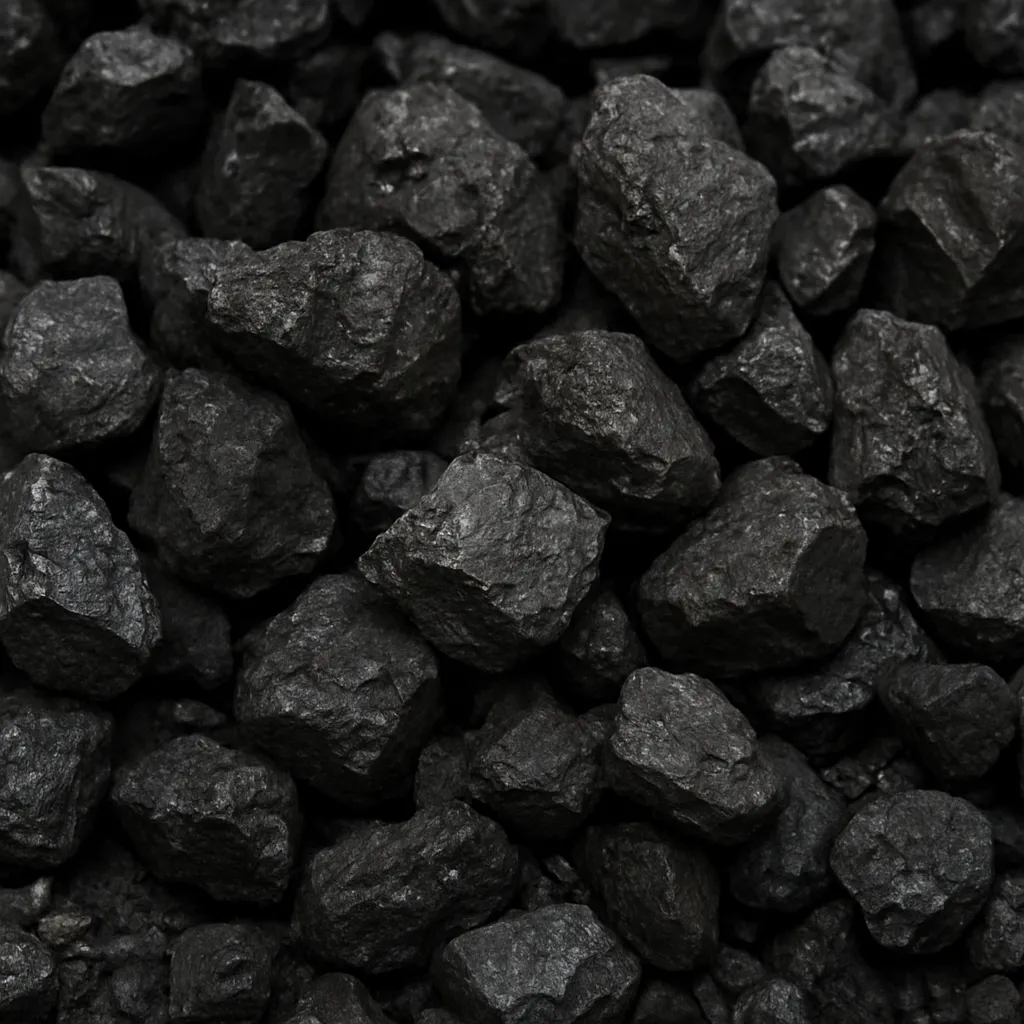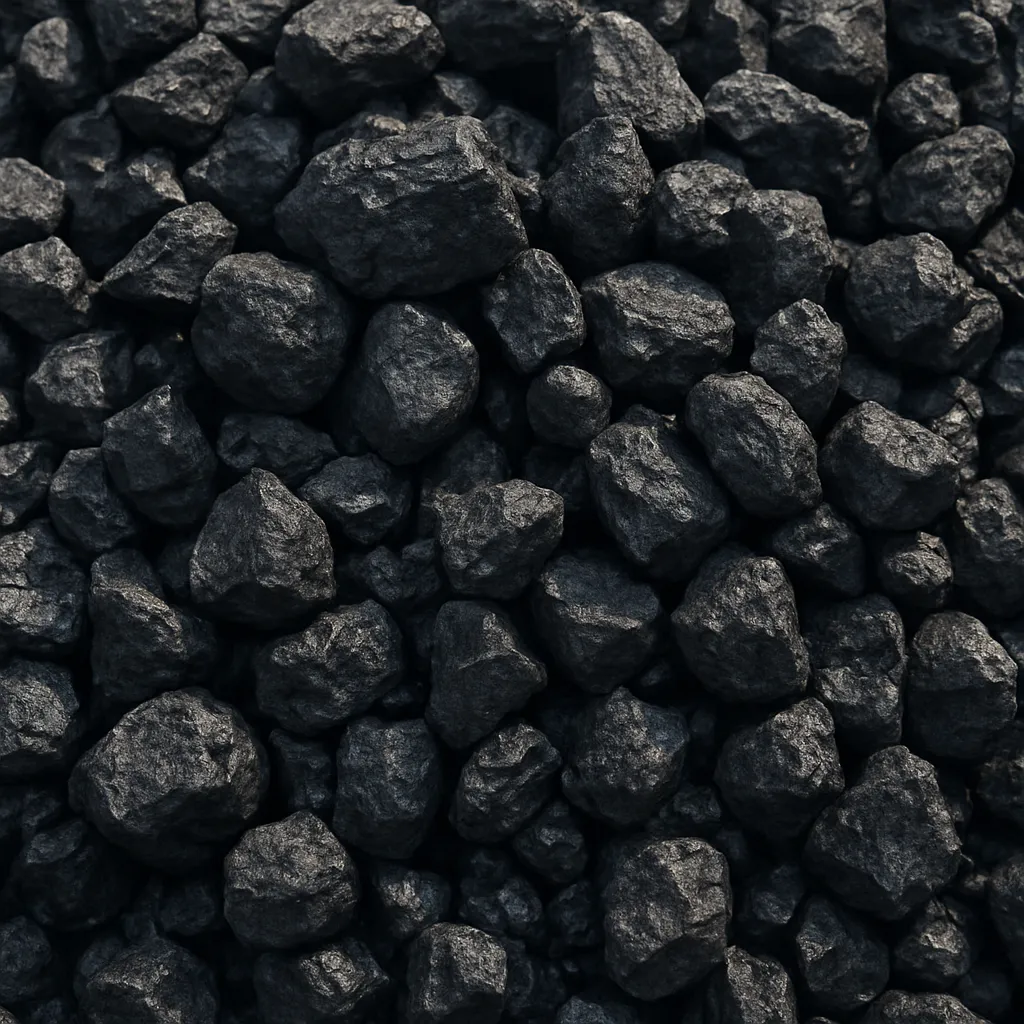
This article discusses the category known as metallurgical middlings — intermediate coal products generated in the preparation of metallurgical coal (also called coking coal). It explains what middlings are, where such material is found and produced, how it is processed and used, and why it matters for the global steel industry and local economies. The piece also covers commercial and statistical aspects, environmental concerns, and technological opportunities for upgrading middlings so they can contribute more value to the supply chain.
What are metallurgical middlings?
The term middlings in coal preparation generally denotes material that is neither clean coal of the desired quality nor pure waste (tailings). In the context of metallurgical coal, middlings typically arise from screening and washing processes at the coal preparation plant adjacent to a mine or at a central washery. They consist of coal particles of intermediate size or density and often carry higher amounts of ash, moisture and contaminants (sulfur, rock fragments) compared with prime coking coal. Their coking properties — swelling, plasticity and coke strength — are usually inferior to premium coking coals but are not uniformly worthless. Hence middlings are an important intermediate commodity.
Middlings can be described by several characteristics that influence their fate:
- Particle size (coarse, fine, and ultrafine fractions).
- Proximate and ultimate analyses: moisture, volatile matter, fixed carbon, ash, sulfur.
- Coking properties: free swelling index (FSI), Gieseler fluidity, dilatation, and coke reactivity indices (CRI/CSR) when converted to coke.
- Mineral matter content and grindability.
Geological occurrence and major producing regions
Metallurgical coal originates from specific coal ranks and seams that possess maceral compositions (high vitrinite content) and thermoplastic behavior necessary to produce strong coke. These coals are concentrated in certain basins worldwide, and middlings are produced wherever such coals are mined and washed. Major global sources of metallurgical coal — and thus locations where middlings are generated — include:
- Australia: The Bowen and Surat Basins (Queensland) and the Bowen/Surat complex produce large volumes of hard and semi-hard coking coals. Australia is the world’s dominant seaborne exporter of metallurgical coal, and its wash plants regularly generate middlings.
- North America: Appalachian basins (USA – Pennsylvania, West Virginia, Kentucky), Illinois Basin, and Canadian deposits in British Columbia (Elk Valley) supply metallurgical coal; middlings are produced in regional preparation plants.
- Russia: The Kuznetsk Basin (Kuzbass) and eastern basins produce substantial coking coal for domestic steelmaking and export, with associated middlings.
- China and India: Large domestic coking coal production in Shanxi, Inner Mongolia (China), and Jharia, Raniganj (India) generates middlings which may be used domestically after various levels of processing.
- Colombia and South Africa: Important exporters and domestic suppliers with coal preparation facilities producing middlings as part of the washery mass balance.
- Poland: The Upper Silesian Basin historically has coking coal and washery middlings used largely in domestic steelmaking and coking plants.
Because middlings are a by-product of washing and sizing operations, their presence is tied more to the existence of coal preparation infrastructure than to a unique geological formation. Any basin with active metallurgical coal mining and washing will typically produce middlings streams.
Mining, preparation and quality considerations
How middlings are generated
Coal preparation plants separate raw run-of-mine coal into various product streams: coarse clean coal, fine clean coal, middlings, and tailings. Separation technologies include dense medium separation (DMS), jigging, flotation (column and conventional), hydrocyclones, and gravity spirals. Middlings typically originate from zones where the density separation boundary is ambiguous, or where float-sink tests produce intermediate density fractions that are not assigned to either prime product or waste.
Characterization and testing
Technical evaluation of middlings includes:
- Proximate and ultimate analysis for calorific value and contaminant levels.
- Vitrinite reflectance (Ro) and petrographic composition to assess coking potential.
- Gieseler fluidity and dilatation tests to understand plastic behavior during coking.
- Coke oven tests (by-product or non-recovery ovens) and determination of CSR/CRI to evaluate suitability in blast furnace blends.
Processing options for middlings
Middlings can be upgraded or utilized by several pathways:
- Additional washing and flotation to improve ash and sulfur removal and recover more clean coal.
- Fine coal dewatering and thermal drying to reduce moisture and improve heating value.
- Aggregation and blending with premium coking coal to produce a balanced coke oven charge.
- Briquetting or pelletizing (cold or hot) for better handling, higher bulk density and potential use in coke blends or as pulverized fuel.
- Advanced beneficiation: column flotation, oil agglomeration, and selective flocculation targeting ultrafines.
- Use in non-metallurgical processes such as gasification, coal-to-liquids or production of carbon additives (e.g., electrode coke precursor) when premised on appropriate quality.
Economic and market aspects
The economic value of middlings is a function of their proximate quality and the state of the metallurgical coal market. Several factors determine their commercial fate:
- Prices and availability of premium coking coal. When premium coal is scarce or expensive, middlings become more attractive as blend components.
- Local market demands: integrated steel mills near coalfields may accept middlings in blends, while export markets demand stricter quality control.
- Processing costs: the capital and operational expenditures needed to upgrade middlings may or may not be justified by the recovered margin.
- Logistics and transport costs: middlings have lower energy density and higher ash, which penalizes long-distance transport economically.
- Regulatory and environmental costs related to tailings disposal and emissions control.
Global trade in metallurgical coal is dominated by a few exporters. While precise annual figures shift with market cycles, some long-term characteristics are widely reported:
- World crude steel production is roughly in the range of 1.6–1.9 billion tonnes annually in recent years. The majority of steel is produced via blast furnace-basic oxygen furnace (BF-BOF) routes, which require metallurgical coal (through coke) as a reductant and structural support in the furnace.
- On a seaborne basis, Australia is the primary exporter of coking coal, typically accounting for a substantial share (commonly referenced as several tens of percent) of global seaborne trade. Other important exporters include the United States, Canada, Russia, Colombia and South Africa.
- Benchmark prices for coking coal are volatile; they can move from under US$100/tonne to several hundred US$/tonne in tight-supply episodes. Middlings, when sold, often trade at a discount to prime hard coking coal, reflecting lower coking performance and higher ash.
From a value-chain perspective, better integration of middlings into steelmaking or alternative carbon markets can reduce waste and improve mine profitability. For miners, turning middlings into saleable products improves recovery and lowers the effective cost per tonne of produced clean coal.
Industrial significance and applications
The principal industrial significance of middlings lies in their potential contribution to steelmaking and complementary industries:
- Blending for coke ovens: Middlings are commonly blended with higher-quality coking coals to achieve the required coke strength and reactivity profile. The objective is to design a coke oven charge that produces coke meeting specific CSR/CRI and mechanical strength targets.
- Thermal power and co-firing: Where coking properties are inadequate, middlings may be used as fuel in pulverized coal boilers or in co-firing arrangements, provided emissions and ash handling are managed.
- Gasification and chemical feedstocks: Middlings with appropriate volatile and fixed carbon profiles can be gasified to produce syngas for power, chemicals or hydrogen production. Such options gain relevance where hydrogen or synthetic fuels are economically attractive or supported by policy.
- High-value carbon products: With appropriate upgrading, middlings can become feedstock for activated carbon, carbon black, or precursors for electrode coke used in aluminum smelting or specialty graphitic products.
Because middlings often contain higher impurities, their direct use in iron- and steelmaking requires careful quality control. Phosphorus and sulfur are deleterious to steel if not controlled; therefore midling blends must fit the steelmaker’s specifications or be subjected to upgrading.
Environmental, social and regulatory considerations
Middlings management has environmental consequences that mining companies and communities must address:
- Tailings and slimes: Fine middlings may end up in tailings ponds if not economically recoverable. These ponds require long-term management to avoid seepage, dust, and catastrophic failures.
- Air emissions: Use of middlings as fuel or in coke ovens can increase particulate and sulfur emissions compared with cleaner coals unless appropriate treatment is applied.
- Water use: Fine coal processing consumes water and generates slurries; water recycling and dry processing technologies mitigate impacts but add cost.
- Rehabilitation and land use: Disposal sites must be rehabilitated, and progressive rehabilitation is increasingly enforced through regulation and lender requirements.
- Community and labor impacts: Upgrading middlings into saleable products may preserve jobs and add local value, but the environmental footprint must be addressed to maintain social license to operate.
Technology, innovation and future prospects
Several technological trends influence how middlings are treated and valued:
- Advanced fine coal recovery: Column flotation, ultrafine separators and novel reagents can recover more carbon from middlings and improve product quality.
- Dry beneficiation and dewatering: Thermal drying, electrostatic separation and agglomeration technologies reduce moisture and improve calorific value, facilitating transport and blending.
- Alternative steelmaking routes: The growth of electric arc furnace (EAF) steelmaking using scrap reduces long-term demand for coke, but BF-BOF routes will remain important in many regions, preserving a role for coking coal and middlings.
- Coal-to-X pathways: Gasification, hydrogen generation, and chemical conversion open pathways to convert middlings into higher-value, lower-emission products if economically supported.
- Circular economy approaches: Reprocessing tailings and middlings to extract residual coal and reusing mineral fractions in construction materials reduce waste and improve resource efficiency.
Practical examples and case studies
Several real-world instances illustrate middlings management:
- Washery optimization in Australia: Large-scale wash plants in Queensland have invested in column flotation and finer-size separation to reduce middlings volumes and recover additional saleable coal, improving margins during periods of high prices.
- Blending strategies in Eastern Europe: Steel plants near coal basins blend local middlings with imported premium coking coals to maintain furnace performance while controlling costs.
- Fine coal recovery projects: Some operations have retrofitted plants with oil agglomeration or filter presses to transform fine middlings into transportable, low-moisture cakes suitable for export or on-site use.
Key challenges and strategic recommendations
Managing metallurgical middlings presents a mix of technical and market challenges:
- Quality variability: Middlings are heterogeneous; robust characterization and flexible process control are essential.
- Economic thresholds: Upgrading middlings must be economically justified, often requiring capital investment and market access for non-standard products.
- Environmental liabilities: Responsible tailings management and emissions control are increasingly non-negotiable for permits and financing.
Strategic recommendations for producers and policymakers include:
- Invest in technologies to recover value from fine and ultrafine middlings, reducing waste and improving recovery rates.
- Encourage local integration between coal preparation plants and steelmakers to develop blend recipes that incorporate middlings.
- Support R&D into coal-to-X and carbon product technologies that can take lower-quality coal streams and convert them into higher-value outputs with lower emissions profiles.
- Promote stringent environmental standards and progressive rehabilitation to secure social license and reduce long-term liabilities associated with middlings disposal.
Summary and outlook
Metallurgical middlings represent an important intermediate stream in the metallurgical coal value chain. They are ubiquitous where coking coals are mined and washed, occurring in major producing regions such as Australia, North America, Russia, China, India, Colombia and others. Middlings vary widely in quality but can be economically valuable when upgraded, blended, or converted to alternative products. Their management affects mine economics, steelmaking feedstock security, logistics and environmental performance.
Over the coming decade, middlings will likely become a focus for efficiency gains: as steelmakers seek to manage costs and reduce their carbon footprint, and as miners aim to maximize resource recovery, technologies that convert middlings into reliable, low-impact products will attract investment. The balance between evolving steelmaking routes (more EAFs using scrap, and potential hydrogen-reduction processes) and persistent demand for blast furnace coke will shape the long-term market for metallurgical middlings.
Effective utilization of middlings can enhance the sustainability and profitability of coal operations while reducing waste streams and supporting local industrial ecosystems. For producers, processors and steelmakers alike, middlings are both a challenge and an opportunity — a by-product whose fate depends on ingenuity, market dynamics and a careful weighing of economic and environmental factors.