The transformation of societies through the lens of coal’s ascent reveals a complex tapestry of technological breakthroughs, market dynamics, and environmental consequences. From powering early locomotives to shaping global commodity exchanges, coal carved pathways into modern economic systems. This exploration delves into the multifaceted journey of coal and its financial counterpart, coal stocks, tracing how the black rock became synonymous with progress, risk, and controversy.
The Rise of Coal and Early Industrial Might
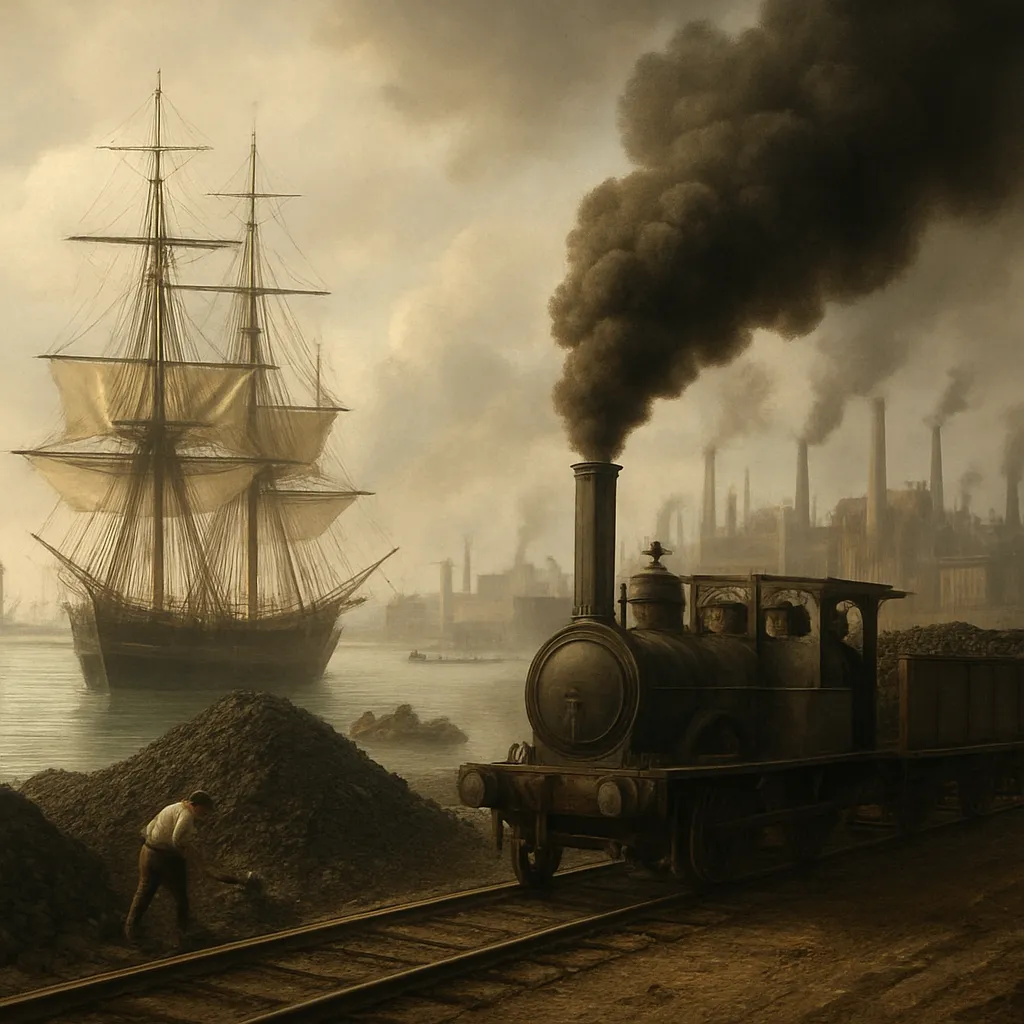
During the late 18th and early 19th centuries, the advent of the steam engine ignited the rapid expansion of factories, ships, and railways. Powered by burning coal, steam engines revolutionized production and transportation. Vast coal reserves in Britain, Pennsylvania, and later Germany and Russia, became strategic assets. Mining techniques evolved from shallow shafts to deep underground galleries, while the demand for high-quality anthracite and bituminous varieties surged. Mines sprouted along riverbanks and rail corridors, forging a network of extraction sites that fed the hearths of industrial centers.
The availability of cheap, concentrated energy lowered costs and increased output, propelling the first great wave of industrialization. Urban populations swelled as workers sought employment in mills and foundries. Trimmed forests gave way to smokestacks; canals and rail lines crisscrossed the countryside to deliver coal to bustling ports. The transition from water and wind power to coal-driven machinery marked a decisive shift in manufacturing capabilities, enabling mass production of textiles, steel, and machinery components.
Technological Innovations and Infrastructure
The synergy between coal and mechanical innovation laid the groundwork for modern infrastructure. Early locomotives like George Stephenson’s “Rocket” demonstrated how global coal networks could unify distant regions. Iron bridges, built with carbon steel derived from coal-fired furnaces, spanned rivers and canyons. Coal-fired boilers heated public buildings and provided steam heat to burgeoning cities. Each new advance in mining safety—ventilation shafts, steam-powered lifts, and safety lamps—further maximized output and minimized disasters.
Coal Trading and Stock Markets: Speculation and Growth
As mines expanded, so did the financial instruments enabling investment in their operation. Companies issuing shares in coal companies led to the rise of coal equity on burgeoning exchanges. Investors, attracted by rapid expansion and high dividends, began buying and selling coal shares, fueling a frenzy of speculation. Public subscription models, joint-stock companies, and bond issuances provided capital for deeper shafts and larger pumping systems.
The emergence of the London and New York stock exchanges in the mid-19th century offered platforms where coal enterprises listed their shares alongside rail and steel stocks. Price fluctuations reflected not only supply and demand for coal but also geopolitical tensions, labor strikes, and evolving safety regulations. A harsh winter or railroad bottleneck could send coal prices soaring, while mine floods or regulatory crackdowns triggered sharp sell-offs. Portfolio managers balanced coal holdings against other industrial equities, viewing them as both a hedge against inflation and a driver of portfolio growth.
- Spot markets in major ports allowed merchants to trade coal cargoes directly.
- Futures contracts emerged to lock in prices and protect consumers from volatility.
- Speculators and arbitrageurs exploited price differentials between regions.
Over time, the carbon-based commodity became a bellwether for broader economic health. Rising coal consumption signaled industrial expansion, while declines foreshadowed downturns. This intimate link between energy and finance underscored the role of coal stocks in shaping global capital flows.
Risk Management and Regulation
By the early 20th century, regulatory bodies introduced oversight to curb excessive risk. Disclosure requirements compelled coal firms to report reserves, production costs, and environmental liabilities. Insurance pools covered mining accidents, and safety committees monitored ventilation systems. Investors began analyzing geological surveys and quality grades, seeking companies with abundant reserves and efficient operations. This era marked the professionalization of coal finance, with analysts publishing detailed reports on seam thickness, calorific value, and transportation logistics.
Environmental Legacy and Modern Challenges
While coal ignited economies, it also left a profound environmental legacy. Decades of unregulated extraction scarred landscapes with mine tailings, subsidence, and acid mine drainage. The burning of coal released vast quantities of emissions, contributing to air pollution, respiratory diseases, and, in later assessments, global warming. Soot-laden cities earned monikers like the “Black Country” in England, while soot-choked skylines characterized Pittsburgh and Ruhr Valley industrial zones.
Today, many former coal regions grapple with derelict infrastructure and communities in need of economic diversification. Governments and multilateral institutions advocate for just transitions, investing in clean energy projects and retraining programs. Carbon capture and storage technologies offer potential pathways to mitigate emissions from existing plants, but costs remain high. Environmental impact assessments now weigh the full social and ecological footprint before approving new mines or power stations.
The modern coal industry faces intense scrutiny from activists and investors concerned about sustainability. Divestment campaigns and environmental, social, and governance (ESG) criteria have redirected capital toward renewable alternatives. Still, coal remains a significant energy source in regions where alternatives are less accessible or affordable.
Coal Reserves and Energy Security
Despite environmental pressures, coal continues to contribute to national energy security, particularly in emerging economies. Countries with abundant domestic reserves use coal to reduce dependence on imported oil and gas. Strategic stockpiles safeguard against geopolitical disruptions. For instance, thermal coal remains vital for baseload electricity generation in India, China, and parts of Southeast Asia.
International agencies monitor global coal reserves and project production trends to assess resource longevity. New extraction methods—such as underground coal gasification—seek to unlock previously inaccessible deposits. Meanwhile, clean coal initiatives aim to upgrade power plants with high-efficiency boilers and flue-gas desulfurization units. These measures intend to strike a balance between meeting energy demand and reducing the carbon footprint of fossil fuels.
- Major exporters like Australia and Indonesia influence world prices and trade patterns.
- Port expansions and specialized bulk terminals streamline global shipping of coal cargoes.
- Rail partnerships and conveyor systems optimize inland transport from mines to power plants.
Today’s energy planners weigh the economic advantages of abundant coal against mounting environmental imperatives. The challenge lies in charting a path that safeguards both the climate and the livelihoods of millions dependent on coal-related industries.
Future of Coal in a Changing Landscape
Innovations in renewable energy, battery storage, and green hydrogen present formidable competition to coal-fired generation. Yet, coal’s entrenched role in existing power grids and heavy industries ensures it remains part of the energy mix for years to come. The transition toward decarbonization demands coordinated policies, investment in infrastructure upgrades, and technological breakthroughs to decouple coal use from greenhouse gas output.
Investors assessing coal stocks must now incorporate climate risk into financial models. Carbon pricing, emission trading schemes, and potential legal liabilities reshape the valuation of coal enterprises. Some forward-looking firms diversify portfolios to include renewable assets, while others focus on niche markets for metallurgical coal used in steelmaking. The interplay between market forces and regulatory frameworks will dictate coal’s trajectory in the decades ahead.
Ultimately, coal’s story is inseparable from the narrative of modern economic development. Its legacy—built upon technological prowess, speculative finance, and environmental reckoning—continues to inform discussions on energy security, sustainability, and global economic integration.