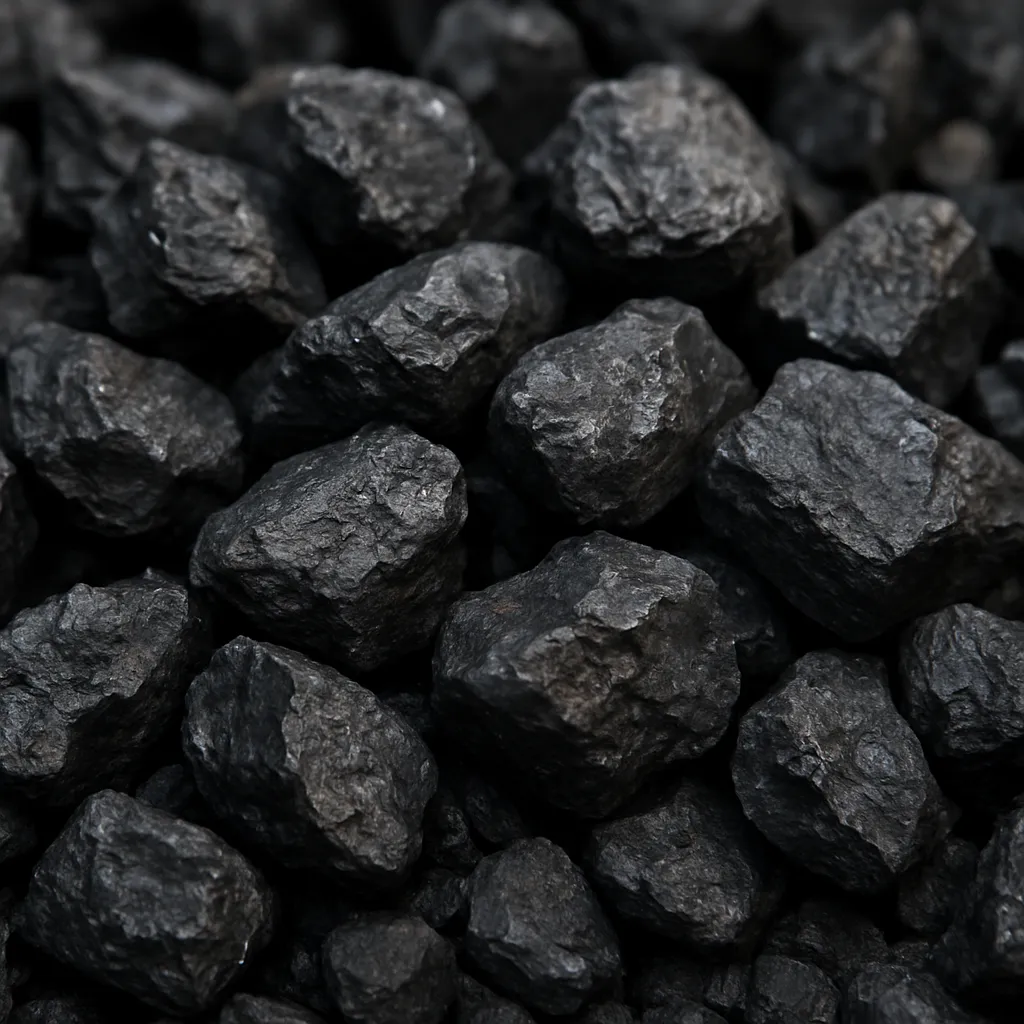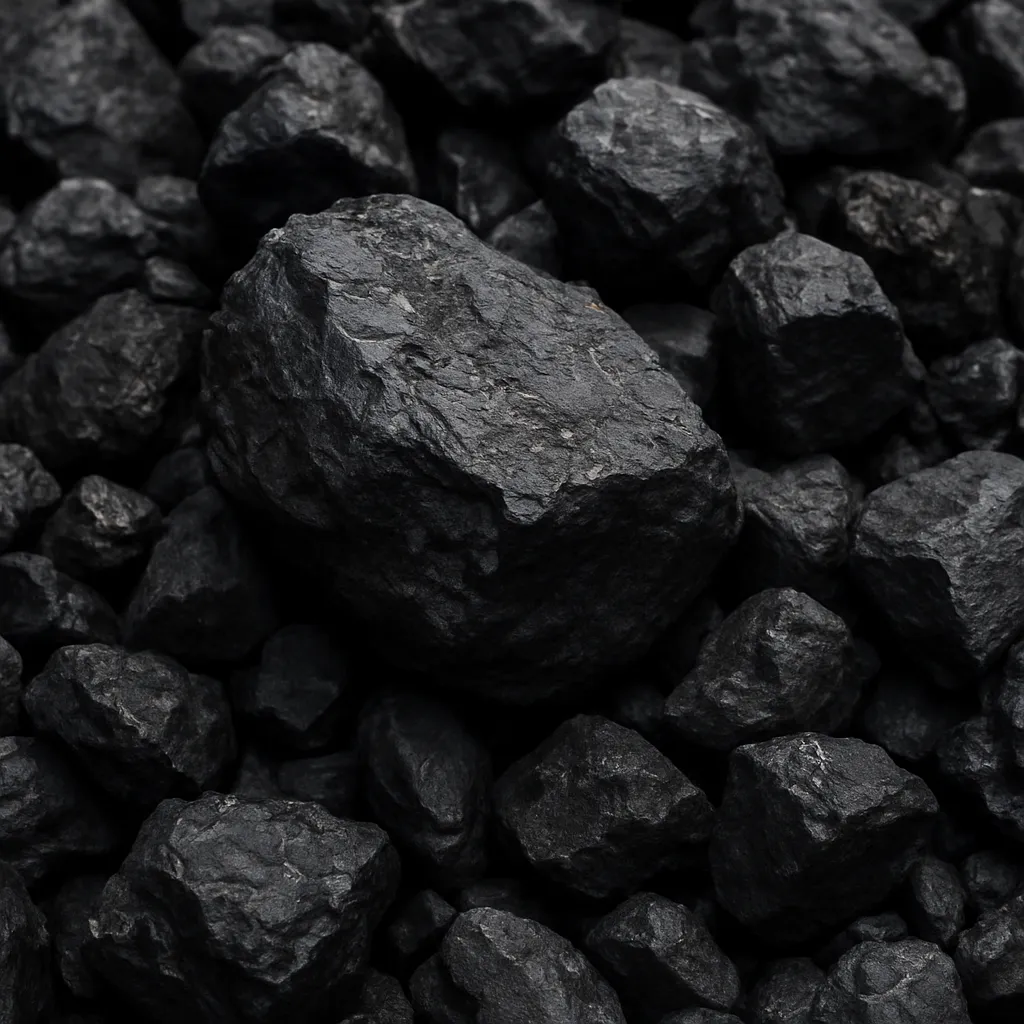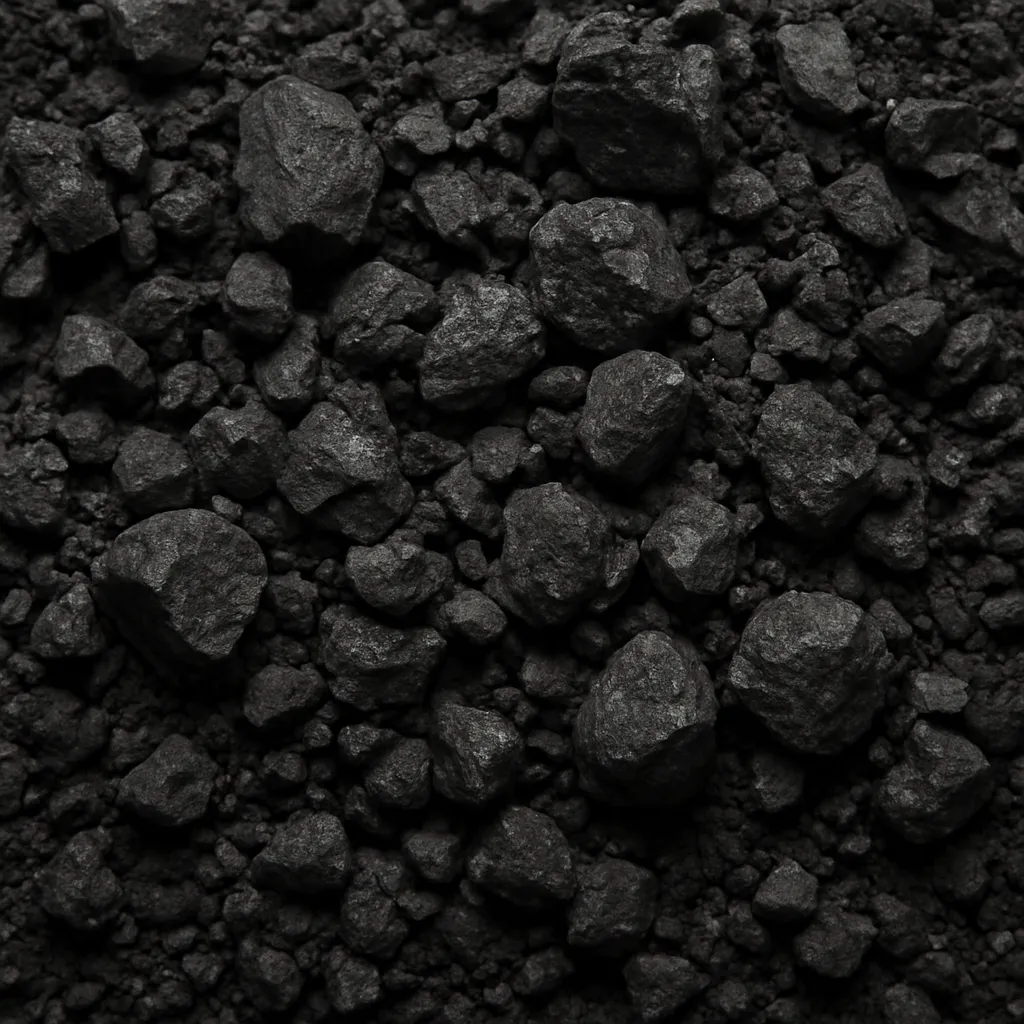
Thermal middlings are an often-overlooked but important fraction of coal that plays a practical role across mining, coal preparation and power-generation value chains. This article explains what thermal middlings are, where they are found and produced, how they are processed and used, and why they matter economically, industrially and environmentally. It offers a broad statistical and market perspective and highlights practical and technological considerations relevant to producers, consumers and policymakers.
What are thermal middlings? Definition and key characteristics
Thermal middlings is the term used in coal preparation and processing to describe an intermediate product stream that sits between the cleaned or “marketable” coal and the low-value waste or tailings. Middlings typically arise in the coal-washing process as a fraction with intermediate particle size, ash content and energy content. Rather than being high-grade, saleable coal or pure waste, middlings constitute a transitional material that can be recovered or upgraded for use in a variety of applications.
In coal-processing terminology, raw coal (run-of-mine, or ROM) is crushed and washed to remove impurities (rock, mineral matter, high-ash fractions). The result is often split into three streams:
- clean coal (high calorific value and low ash),
- middlings (intermediate quality),
- tailings (low quality, usually rejected).
Middlings are characterized by:
- intermediate calorific value relative to clean coal and tailings;
- moderate to high ash and moisture content compared with marketed coal;
- variable sulphur and volatile matter depending on geological origin;
- a particle-size distribution that can make further processing viable (e.g., flotation, re-washing, briquetting).
Typical heating values for middlings vary widely depending on coal rank (lignite, sub-bituminous, bituminous), but they are generally lower than premium thermal coal. In practice, middlings may be blended with higher-grade coal or reprocessed in coal-preparation plants to recover additional value.
Where thermal middlings occur and major mining regions
Because middlings are a product of coal washing and preparation—not a geologically distinct seam—they occur in any coal-producing region where processing plants are used. Thermal middlings are therefore found wherever thermal coal is mined and processed in significant volumes.
Major coal-producing regions where middlings are generated
- East Asia: China (Shanxi, Inner Mongolia, Shaanxi and other basins) is the world’s largest coal producer and consumer. Washing plants in these basins generate large quantities of middlings that are reused domestically.
- South Asia: India’s major coalfields in Jharkhand, Odisha, Chhattisgarh and West Bengal produce significant thermal coal that is processed and yields middlings used in domestic power plants and industry.
- Oceania and Southeast Asia: Australia (Queensland and New South Wales), Indonesia (Kalimantan and Sumatra) and nearby exporters process large volumes of coal for seaborne markets; middlings occur both at mine-mouth preparation plants and at ports where blending and screening occur.
- Russia and Central Asia: Kuzbass and other Russian basins supply thermal coal and produce middlings at various washing facilities.
- Americas and Africa: The United States (Powder River Basin, Appalachian regions), Colombia, South Africa and other producing countries have coal-preparation plants that generate middlings.
The geographic distribution of middlings mirrors the global coal industry: every major producer and exporter that operates coal preparation plants generates middlings as part of routine processing. What differs by region is how middlings are handled—some are blended and sold, some are reprocessed, and some are stored or disposed of.
Mining and coal-preparation processes that produce middlings
Middlings form during standard coal preparation operations intended to improve product quality and reduce impurities. Common preparation stages include crushing, screening, gravity separation (jigs, spirals), dense medium separation, and flotation. The specific combination of techniques depends on the raw coal characteristics and the desired product specifications.
How middlings are produced
- Crushing and screening separate coarse from fine fractions; middlings can be a size class requiring different treatment.
- In gravity and dense-medium separation, particles with intermediate density and size may report to middlings rather than the clean-coal or tailings streams.
- Flotation circuits can produce middlings where hydrophobic recovery is incomplete or where fines characteristics are challenging.
Yield and composition of middlings depend on geology and processing choices. As a rule of thumb, middlings can represent a small but economically significant share of ROM—commonly in the range of single-digit to low double-digit percentages of feed mass. These percentages vary by feed quality and the aggressiveness of the wash plant: cleaner seams and more efficient cleaning reduce middlings proportion, while heterogeneous seams increase it.
Uses and industrial importance of thermal middlings
Middlings have several practical uses, making them more than simply a waste by-product. While they are lower in quality compared with premium thermal coal, middlings still carry energy and can be processed, upgraded or used directly under suitable conditions.
Main uses
- Blending: Middlings are commonly blended with higher-grade coals to achieve target calorific values for power plants or industrial boilers. Blending dilutes ash and sulphur peaks and can reduce overall fuel costs.
- Briquetting and pelletizing: Fine middlings can be compacted into briquettes for industrial use, improving handling and combustion properties.
- Co-firing and fluidized-bed combustion: Power stations capable of accepting lower-rank fuels can burn middlings directly or co-fire with biomass and other fuels.
- Gasification and industrial feedstock: Middlings with adequate energy density can feed gasifiers for chemical synthesis or combined-cycle power generation.
- Reprocessing: Some middlings are returned to preparation circuits (re-washing, flotation reclamation) to recover additional marketable coal.
These options underpin middlings’ economic value: rather than discarding middlings as waste, operators often seek value recovery pathways that improve margins and reduce disposal liabilities.
Economic significance and market dynamics
Thermal middlings influence both mine economics and the broader coal market. Economically, middlings represent recoverable value from ROM; managing middlings streams effectively can increase saleable yield and improve unit costs. On a market scale, middlings contribute to supply flexibility and help balance quality requirements across diverse buyers.
Price, demand and trade drivers
- Global thermal coal prices are driven by electricity demand (seasonal and structural), supply disruptions, shipping costs, and policy actions (emission regulation, trade restrictions).
- Middlings typically trade at a discount to cleared thermal coal. Their marketability depends on buyers’ tolerance for ash and moisture and on opportunities for blending or upgrading.
- Physical trade flows shape middlings utilization: exporters with low-grade product lines may blend middlings into export parcels, while import-dependent countries with stringent plant specifications may prefer cleaned coal and reject middlings.
Broader market context is important. Roughly speaking, global coal production and consumption have been in the range of 7–8 billion tonnes per year in recent years. China is by far the largest producer and consumer, accounting for around half of global output. Major seaborne thermal coal exporters include Indonesia and Australia, which together dominate the traded market. The seaborne market is particularly sensitive to grade tolerances, which determines whether middlings are blended or retained domestically.
Statistical snapshot and trade flows
Raw global figures are subject to annual variation, but the following approximate snapshot gives context for the scale at which middlings are produced and potentially utilized:
- Global coal production and consumption: on the order of 7–8 billion tonnes per year (all grades combined).
- China’s coal production: roughly half the global total (about 3.5–4 billion tonnes annually in recent years).
- Seaborne thermal coal exports: led by Indonesia and Australia (these two account for a majority of traded thermal coal tonnage).
- Coal’s share in power generation: around one-third to two-fifths of global electricity generation in recent years, with substantial regional variation.
Note: these numbers are approximate and fluctuate year to year depending on economic activity, fuel-switching, and policy shifts. The important takeaway is scale: middlings are generated at millions of tonnes globally and represent significant recoverable energy and value when managed appropriately.
Environmental, regulatory and social considerations
Handling middlings raises several environmental and social issues that coal operators, regulators and communities must address. Because middlings often have higher ash and moisture than premium product, they can produce greater air emissions and solid residues per unit of energy when combusted. Coal preparation itself consumes water and creates slurry or tailings that require careful management.
Key environmental issues
- Emissions: Burning lower-quality fuel increases particulate, NOx and potentially sulphur emissions unless adequately controlled by plant technology.
- Ash and waste: Middlings produce more ash per unit energy, increasing disposal needs for ash and residues.
- Water use and tailings: Washing operations that generate middlings also produce tailings streams and slurry ponds, with attendant risks if not managed.
- Carbon intensity: Lower-grade coal often has a higher CO2 emission per unit of usable energy; this factor is relevant under carbon-pricing regimes and decarbonization policies.
Regulatory frameworks and plant technology choices mitigate these impacts: installing emission control systems, improving cleaning efficiency to reduce the middlings fraction, deploying dewatering and briquetting technologies, and implementing tailings-management best practices all reduce environmental footprint. Socially, responsible management of middlings reduces community exposure to dust and contamination and improves mine-site sustainability.
Technological responses and innovation
Industry has developed several technological responses to improve the value and reduce the impact of middlings:
- Advanced coal washing: Improvements in dense-medium separation, column flotation and fine-fraction recovery reduce middlings volumes or upgrade middlings to higher-spec product.
- Briquetting and agglomeration: Compressing fines and middlings into briquettes improves handling, increases bulk calorific density and reduces dust and moisture losses.
- Dewatering: Modern dewatering reduces moisture and transport costs and enhances calorific content on a mass basis.
- Value recovery by gasification or chemical conversion: Gasification of middlings produces syngas that can be used for power, chemicals or fuels under controlled emissions regimes.
- Carbon capture and storage (CCS): In regions where coal remains an important fuel, integrating CCS and high-efficiency low-emission (HELE) plants reduces the carbon footprint of coal-fired energy, including that derived from middlings.
Such innovations are increasingly important as regulatory pressure to reduce emissions grows and as markets demand higher-quality, lower-emission fuels.
Economic challenges and future outlook
Thermal middlings sit at the intersection of technical feasibility and market economics. Their future depends on:
- the pace of global decarbonization and how quickly power systems transition away from coal in OECD and other economies,
- continued energy demand growth in developing economies (notably parts of Asia and Africa), where lower-cost and lower-quality coals, including middlings, may remain competitive,
- the ability of producers to upgrade middlings cost-effectively and at scale, improving their competitiveness versus alternative fuels (gas, renewables),
- transport and logistics costs, which affect whether middlings are shipped or used domestically, and
- regulatory developments such as carbon pricing, stricter emissions limits and water-use restrictions—all of which change the value calculus for middlings.
In many countries, middlings will continue to play a role as blending material and industrial fuel for years to come. However, in regions committed to rapid coal phase-out, middlings will be increasingly unattractive unless repurposed through conversion technologies (gasification, chemical feedstock) or mitigated by carbon-capture approaches.
Practical management strategies for middlings
For coal producers and preparation plant operators, practical strategies to manage middlings effectively include:
- optimizing wash-plant settings to minimize unwanted middlings while maximizing clean-coal yield,
- installing re-processing circuits or fine-fraction recovery to upgrade middlings,
- marketing middlings as dedicated lower-grade product for specific users (cement kilns, industrial boilers),
- investing in briquetting or pelletizing infrastructure to improve transport economics and end-user acceptance,
- tracking lifecycle emissions and aligning product stewardship with buyer sustainability criteria.
These strategies create revenue opportunities and reduce environmental liabilities from disposal while increasing overall resource efficiency at mining operations.
Interesting facts and historical perspective
- During the industrial revolution, middlings and other lower-grade coal fractions were commonly used for local industry and domestic heating before modern washing became widespread.
- The development of large-scale coal-washing and preparation plants in the 20th century changed the economics of middlings: instead of being outright waste, middlings became a manageable and often saleable by-product.
- Some modern power plants, particularly fluidized-bed units, were designed to accept a wider range of feed qualities, including middlings, increasing fuel flexibility and resilience to supply-quality changes.
Concluding perspective
Thermal middlings are a practical, intermediate-quality coal stream produced wherever coal is washed and prepared. They represent both a challenge and an opportunity: a challenge because of lower calorific quality and higher ash and moisture, and an opportunity because with appropriate processing and market channels they can contribute meaningful energy and value. The fate of middlings in the coming decades will be shaped by policies on decarbonization, innovations in processing and upgrading, and the evolution of global energy demand—especially in Asia and other regions where coal still supplies a large share of electricity. For producers and consumers alike, improving middlings management is an important avenue for increasing resource efficiency, reducing waste, and maintaining competitiveness in a changing energy landscape.