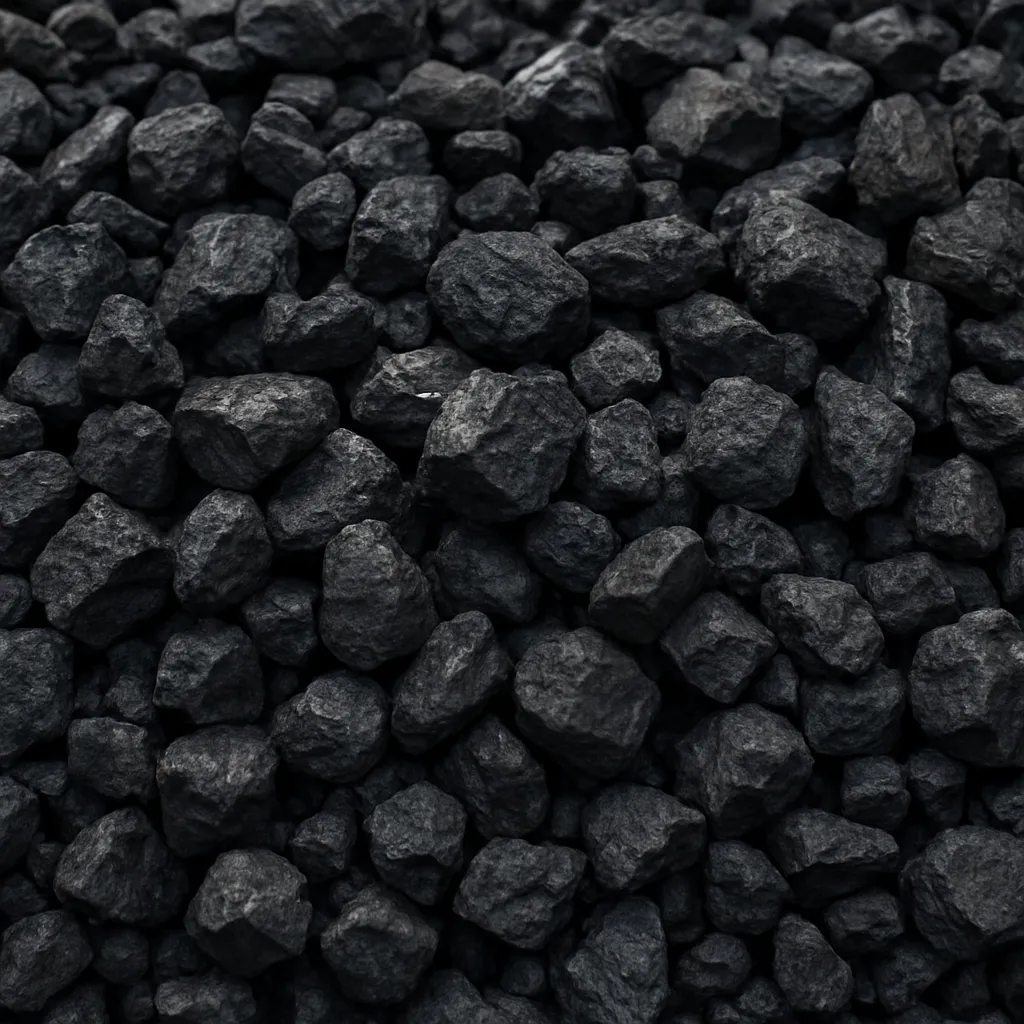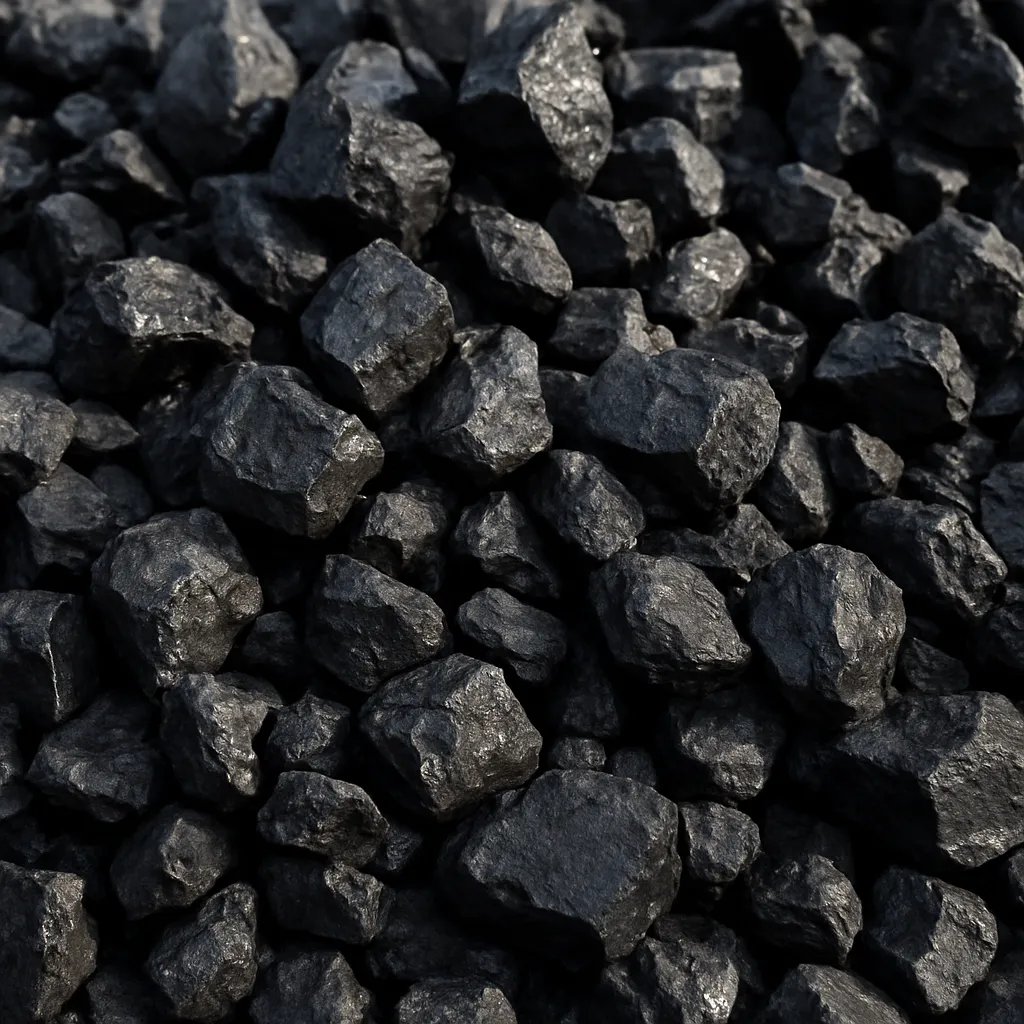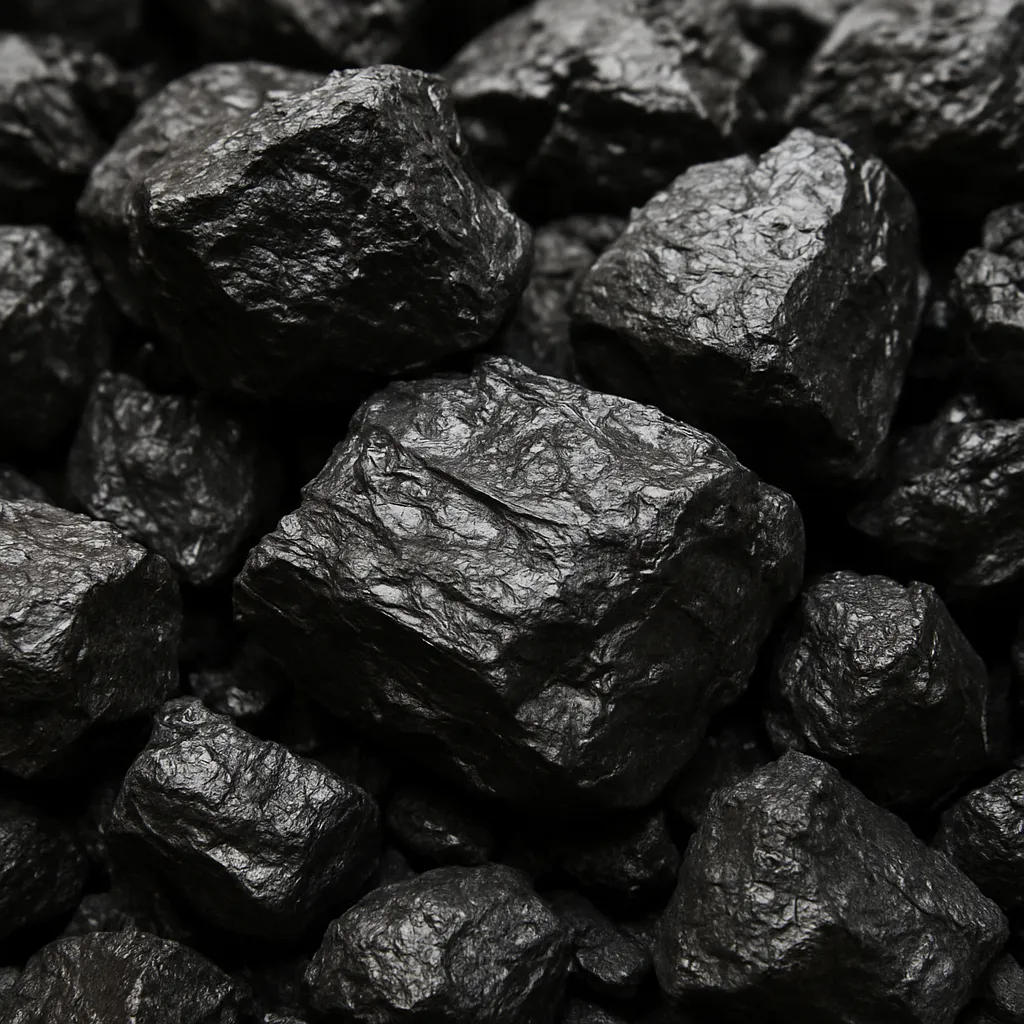
High-fluidity coking coal is a specialized form of **coking coal** prized for its exceptional plasticity and ability to form a strong, porous **coke** during carbonization. It plays a critical role in traditional iron and steelmaking, foundry coke production and other metallurgical processes where **metallurgical** performance and low impurity levels are essential. This article examines the properties, geological occurrence, mining and processing, economic significance, market statistics and future prospects for high-fluidity coking coal, offering technical and commercial context for its continuing role in heavy industry.
Properties and laboratory evaluation
High-fluidity coking coals are a subgroup of volatile, medium- to high-rank coals that exhibit pronounced plastic behavior when heated in the absence of air. During carbonization they soften, swell and re-solidify to produce a carbonaceous mass that, after destructive distillation, yields **coke** with mechanical strength and a porous structure conducive to gas transport in blast furnaces and metallurgical reactors.
Key physical and chemical characteristics
- Rank and maceral composition: typically vitrinite-rich coals with sufficient volatile matter to enable caking and swelling.
- Plasticity: measured from the temperature at which coal softens to the resolidification range; this behavior is central to high-fluidity classification.
- Fluidity indices: instruments such as the **Gieseler** plastometer and other cornification tests quantify maximum fluidity, which correlates with coking performance.
- Swelling and CSR: free swelling index (FSI) and crucible swelling index (CSI) are used alongside dilatometry to predict coke structure development.
- Impurities: low **ash**, low **sulfur** and low phosphorus contents are preferred for metallurgical applications to avoid contamination of steel and to reduce slag-forming components.
- Volatile matter and fixed carbon: balances that influence the yield, porosity and strength of the resultant coke.
Analytical suites for high-fluidity coals commonly report proximate and ultimate analyses, Gieseler fluidity curves, FSI/CSI values and petrographic composition. These tests are essential because high fluidity is a relative measure—coals with excellent Gieseler maxima are far more valuable in coke blends than low-fluidity coals that cannot form adequate coke on their own.
Geological occurrence and major producing regions
High-fluidity coking coals occur in specific sedimentary basins where organic matter, burial history and thermal maturity produced coals with the required rank and maceral composition. They are not evenly distributed globally; instead, they are concentrated in a number of well-known coalfields.
Principal coalfields and countries
- Bowen Basin, Queensland (Australia): one of the world’s most important sources of high-quality metallurgical coals, including high-fluidity grades used for both blast furnace and foundry coke.
- Kuznetsk Basin (Kuzbass), Siberia (Russia): large reserves of coking coals, with many seams exhibiting caking and fluidity properties suitable for metallurgical use.
- Donets Basin (Donbas), Eastern Europe (Ukraine/Russia): historically significant source of coking coals; many seams show strong coking behavior.
- Appalachian Basin, United States: several mines produce metallurgical grades, including higher-fluidity coals in localized deposits.
- Shanxi and Qinshui basins, China: China produces a wide range of coking coals; some domestic deposits yield high-fluidity types used by local coke plants.
- Colombia: growing supplier of metallurgical coal to seaborne markets; certain Colombian coals are valued for their coking performance.
- South Africa and Mozambique: select deposits produce coking coal suitable for cokemaking after careful blending.
Because high-fluidity seams are relatively rare, producers often blend smaller proportions of high-fluidity coal with other coking coals to achieve target coke properties. This scarcity gives high-fluidity grades strategic importance and frequently a price premium in seaborne markets.
Mining, processing and blending practices
Extraction of high-fluidity coking coal follows the broader patterns of coal mining: both open-cut (surface) and underground operations are used depending on seam depth and geology. However, the high value of these grades means greater attention to selective mining, quality control and processing to preserve desired properties.
Selective mining and quality preservation
- Selective extraction aims to minimize dilution with lower-rank or high-ash bands—preservation of maceral and petrographic characteristics is crucial.
- Careful handling and washery processing reduce ash and sulphur while attempting to retain volatile components and plasticity; aggressive washing can sometimes reduce caking potential if not managed correctly.
- Stockpile management and segregation are standard to keep high-fluidity lots identifiable for premium markets.
Blending strategies
Most cokemaking recipes incorporate blends of several coals with complementary properties: high-fluidity coals impart plasticity and contribute to coke porosity while medium- or low-fluidity coals add bulk and control swelling. Metallurgists optimize blends to meet strength (e.g., CSR/CRS), reactivity (CRI), and abrasion resistance, as well as chemical impurity limits.
Economic and market aspects
High-fluidity coking coal occupies a premium segment of the broader metallurgical coal market. Prices, trade flows and the economic importance of these coals are driven by global steel demand, substitution possibilities (e.g., scrap and direct reduced iron), and geopolitical factors that influence seaborne supply.
Global supply and trade patterns
Seaborne trade in metallurgical coal is a critical component of global supply chains. While exact annual volumes vary with demand cycles, estimates of seaborne metallurgical coal trade in the early 2020s ranged in the low hundreds of millions of tonnes annually. Major exporters include Australia, Russia, the United States, Canada and Colombia. Australia in particular dominates the seaborne market for premium coking coals and captures a significant share of export revenues from metallurgical coal.
Price dynamics and volatility
Prices for high-quality, high-fluidity coking coals can be considerably higher than those for thermal coal. The market has shown episodes of sharp volatility: supply disruptions (natural disasters, geopolitical events), surges in Chinese steel demand, or port and logistics constraints can underpin price spikes, while demand slowdowns or increases in scrap-based steelmaking can depress prices. Spot indices for premium coking coals reached multi-year highs in 2021–2022; since then, prices have moderated but remain sensitive to global steel production cycles.
Economic importance to producing regions
- Export revenue: in many producer countries, metallurgical coal exports generate substantial foreign exchange and tax receipts, underpinning regional economies and public revenues.
- Employment: cokemaking and metallurgical coal mining support direct mine employment and an extended supply chain (transport, ports, coke plants), often concentrated in regions with limited alternative industries.
- Investment and infrastructure: the premium value of high-fluidity coking coal encourages investment in washery upgrades, rail and port capacity to ensure reliable delivery to international customers.
Industrial applications and significance in steelmaking
The primary industrial use of high-fluidity coking coal is in the production of metallurgical coke, which historically has been indispensable to the blast furnace–basic oxygen furnace (BF-BOF) route for steelmaking. Although steelmaking technologies are diversifying, high-quality coke remains critical where BF-BOF persists and for foundry applications.
Role in blast furnaces
Coke performs multiple functions inside a blast furnace: it is the principal source of physical support for the burden, it provides the porous pathway for reducing gases, and it acts as a chemical reductant and energy source. High-fluidity coals contribute to coke structure by producing coke with desirable porosity, mechanical strength and reactivity characteristics—factors that impact furnace permeability, coke consumption rates, fuel efficiency and ultimately steel quality.
Foundry coke and specialty uses
Foundry operations often require coke with tight specifications for size, mechanical strength and low contamination. High-fluidity coals are particularly valuable for foundry coke because they tend to form strong, homogenous coke with predictable properties. Other specialty uses include certain carbon products, semicoke for chemical feedstock and applications where porosity and mechanical integrity are crucial.
Substitution and evolving demand
Global steelmaking is gradually changing: recycling through electric arc furnaces (EAF) and direct reduced iron (DRI) routes reduces the absolute dependence on coke. Nonetheless, approximately 70% of global crude steel historically used the BF-BOF route (figure variable by year and region), meaning that demand for metallurgical coal—especially premium high-fluidity grades—remains significant. The pace of transition will determine long-term market volumes for these coals.
Environmental, regulatory and supply-chain considerations
High-fluidity coking coal production and usage face environmental scrutiny from both mining and steelmaking perspectives. Regulatory regimes, carbon pricing, and corporate decarbonization strategies have direct consequences for mine development, investment decisions and long-term demand.
Mining environmental impacts
- Land disturbance and biodiversity impacts from both open-cut and underground mining.
- Water management challenges, including dewatering and washery effluents.
- Air quality issues: dust and particulate emissions during extraction, handling and transport.
Emissions in steelmaking
Coke consumption in blast furnaces contributes significantly to CO2 emissions from integrated steelworks. Typical integrated steel plants historically emitted around 1.8–2.0 tonnes of CO2 per tonne of crude steel, though values vary with technology and energy inputs. Reducing coke demand (via scrap use, DRI, hydrogen-based reduction) is therefore a key lever for decarbonizing steel.
Regulation and market-risk factors
Environmental regulation, carbon pricing and investor pressure increasingly influence project approvals, financing and corporate strategies. These factors can restrict new mine developments for high-quality coking coal or require additional mitigation and reclamation investments, affecting project economics.
Statistical snapshots and illustrative figures
Exact annual figures for production, trade and price levels fluctuate and are compiled by industry groups and national agencies. The following are indicative points drawn from market observation in the early 2020s and should be interpreted as approximate:
- Seaborne metallurgical coal trade: commonly reported in the order of a few hundred million tonnes annually (estimates in the 200–230 million tonnes per year range in the early 2020s), with a significant portion accounted for by premium coking coals.
- Major exporters: Australia often accounts for a substantial share of seaborne premium coking coal exports (a leader in both volume and revenue), with Russia, the United States, Canada and Colombia also key contributors to global supply.
- Price volatility: spot premiums for premium coking coal experienced sharp increases in 2021–2022, reaching multi-year highs; subsequent moderation occurred as markets adjusted, but premium coking coals continue to command price differentials relative to lower-grade thermal coals.
- Steelmaking route prevalence: the BF-BOF route historically produced roughly 60–75% of global crude steel output (regional variation significant), which underpinned steady demand for coke and metallurgical coal.
Because supply of specific high-fluidity coal seams is geographically concentrated, small shifts in supply or transportation capacity can have outsized impacts on regional prices and contract negotiations for steelmakers who require quality-assured coke feedstocks.
Technological developments and future outlook
The future for high-fluidity coking coal is shaped by competing trends: technological change in steelmaking, regulatory pressure to cut carbon emissions, and persistent demand for high-performance coke in specific applications. Several trajectories are emerging.
Short- to medium-term outlook
- Continued demand from integrated steel mills where BF-BOF remains the dominant route, particularly in regions with strong infrastructure and limited scrap supply.
- Premium pricing for assured high-fluidity supply, leading to long-term offtake agreements between miners and steelworks.
- Improved blending and testing technologies that enable the use of smaller quantities of high-fluidity coals to achieve target coke properties more efficiently.
Long-term pressures and adaptation
- Decarbonization initiatives—hydrogen DRI, electric furnaces powered by renewables, carbon capture—could reduce metallurgical coal demand significantly over decades, but deployment rates vary by region.
- Investment decisions for new mines will increasingly include carbon and environmental costs, which could limit the development of new high-fluidity reserves absent strong market prices or supportive policy frameworks.
- Recycling and scrap use in steelmaking will compete with the BF-BOF route; regions with abundant scrap may reduce local demand for metallurgical coal faster than export-oriented integrated steelmaking hubs.
Interesting facts and niche considerations
A few notable points about high-fluidity coking coal:
- Rarity and blend value: because true high-fluidity seams are relatively uncommon, even small volumes can have outsized value when used strategically in blends to improve coke quality.
- Foundry specification: some foundry operations specify coke produced largely from high-fluidity coals because the resulting structure improves casting quality and reduces defects.
- Testing nuance: laboratory fluidity values can be sensitive to sample preparation and testing conditions; experienced labs and repeat measurements are required for trading and contractual assurance.
- Logistics premium: in addition to intrinsic coal quality, proximity to ports, rail reliability and predictable delivery windows significantly affect the netback values realized by miners for high-fluidity lots.
Concluding perspective
High-fluidity coking coal remains a strategic commodity at the intersection of geology, engineering and global metallurgy. While the broader steel industry is undergoing transformations that will influence long-term demand, the short- and medium-term markets for premium metallurgical coal continue to be defined by supply concentration, the technical necessity of quality coke in many integrated plants and the inability of many substitution options to replicate coke’s combined mechanical and chemical roles. For producers and consumers alike, careful management of quality, supply-chain reliability and environmental responsibilities will determine resilience and competitiveness in a changing industrial landscape.