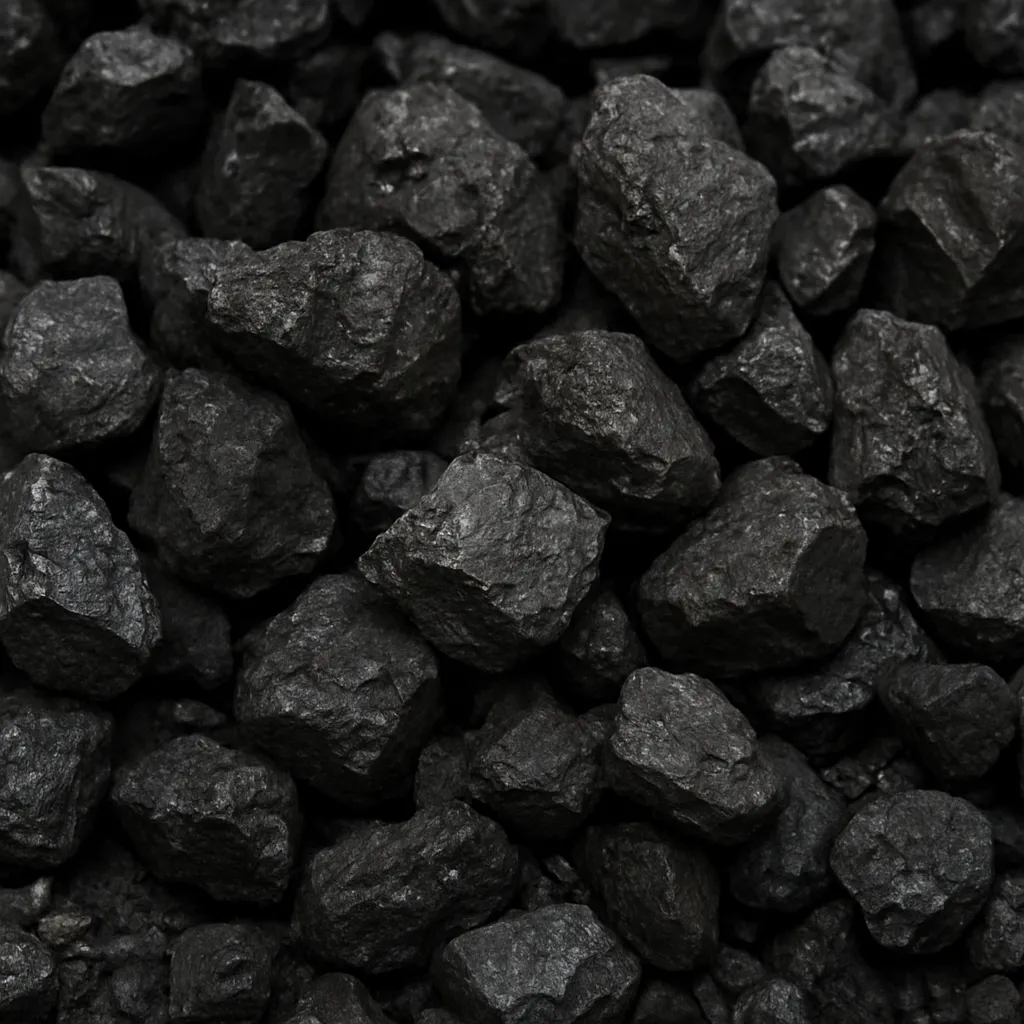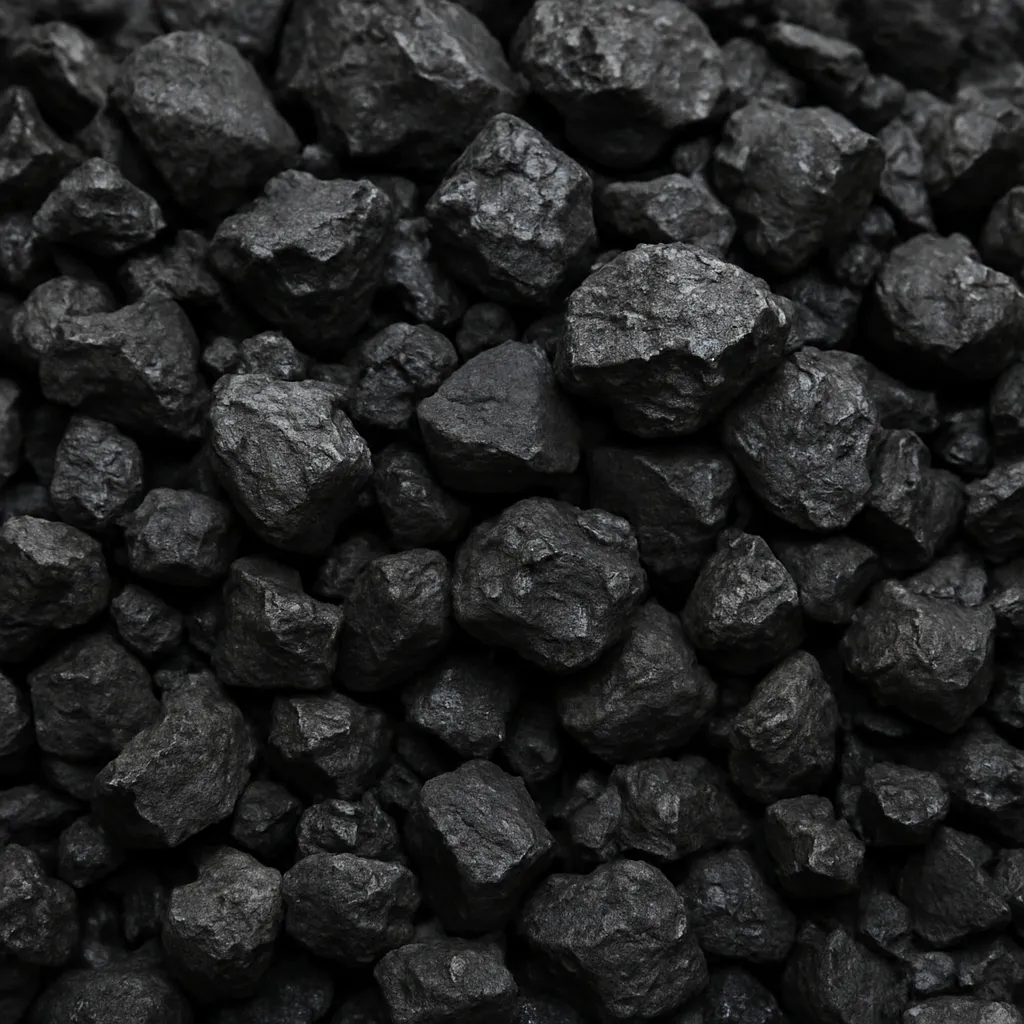
This article explores the characteristics, occurrence, extraction, economic role and industrial uses of low-swelling coal. Low-swelling coals form an important segment of the global coal resource base. Although they are often overlooked in discussions that focus on high-quality coking coals, they play a crucial role in power generation, thermal applications, chemical feedstocks, and increasingly in advanced conversion technologies such as gasification and carbon materials production. The following sections describe where these coals are found, how they are classified and processed, their market and statistical context, environmental considerations, and future prospects.
Occurrence, geology and major producing regions
Low-swelling coals are a variety of bituminous and sub-bituminous coals whose maceral composition, rank and petrographic properties result in little or no volume expansion (plastic swelling) when heated in the absence of air. They typically occur in the same sedimentary basins as other coal types, reflecting variations in plant input, depositional conditions, diagenesis and burial history. Important basins that host significant quantities of low-swelling coal include regions in North America, Europe, Asia and Australia.
Key geological settings and examples:
- Carboniferous and Permian seams in many basins may contain both coking and non-coking layers; local variability produces zones of low-swelling coal adjacent to more plastic seams.
- Large deposits in the eastern United States (Appalachian basins and Illinois Basin) include numerous low- to medium-volatile bituminous coals used primarily for power and industrial heat.
- In Australia, many export thermal coals — particularly those from Bowen and Surat basins — are low to medium in swelling properties and serve the seaborne power market.
- Russia’s Kuznetsk Basin (Kuzbass) and parts of the Donets Basin contain both metallurgical and thermal coals; considerable volumes of low-swelling coal are mined for domestic power and heat.
- Poland and other Central European countries produce substantial volumes of non-swelling coals used for electricity generation and local industry.
Because swelling behavior is controlled by petrographic and geochemical features at the seam and sample scale, occurrence maps are often seam-specific rather than basin-wide. Exploration and mine planning therefore rely on detailed laboratory tests (see next section).
Physical and petrographic properties and classification
The defining characteristic of low-swelling coal is its weak or absent plasticity during heating under inert conditions. To describe this behavior scientists and industry use a set of laboratory measures that quantify plastic range, caking propensity and related phenomena. One widely used field test is the Free Swelling Index (FSI), while plastometric methods such as the Gieseler plastometer assess fluidity and plastic range.
Important properties that distinguish low-swelling coals:
- Volatile matter: Low-swelling coals span a range of volatile matter contents; some low-volatile bituminous coals show little swelling, while some higher-volatile coals may also be non-caking because of unfavorable maceral proportions.
- Maceral composition: A higher proportion of inertinite and lower liptinite/vitrinite content tends to reduce plasticity. The petrographic makeup is therefore a major control on swelling.
- Rank: Rank (degree of coalification) influences plasticity; some high-rank coals are naturally non-caking because they have passed through the caking window.
- Mineral matter and ash: High mineral content can impede plastic behavior; beneficiation can improve some uses by lowering ash and impurities.
- Swelling indices and plastometric measurements: Values that define “low-swelling” vary by standard and industry, but the consistent theme is a low FSI, narrow or absent plastic range, and poor coke-forming ability.
The practical consequence is that low-swelling coals generally do not produce the hard, porous coke required by blast furnaces. However, their stability on heating, lower tendency to plastic fuse and predictable combustion behavior make them valuable for power plants, industrial boilers, and conversion processes.
Industrial uses and technological significance
Although they are not ideal for producing metallurgical coke, low-swelling coals have diverse industrial uses that underpin energy systems, supply chains and numerous downstream processes.
- Power generation and heat: The primary use for much low-swelling coal is in thermal power stations, cogeneration and industrial boilers. Their predictable combustion rates, manageable ash behavior and often favorable grindability are assets for stable plant operation.
- Coal conversion: Low-swelling coal is suitable for gasification to produce synthesis gas (syngas) for chemicals, hydrogen and liquid fuels via Fischer–Tropsch processes. Gasifiers tolerate coals with low plasticity, and some gasification designs benefit from the lower tendency to form agglomerates.
- Carbon products: Some low-swelling coals can be precursors for activated carbon, carbon black, electrodes and specialty carbon materials following appropriate processing and physical–chemical activation.
- Blending and briquetting: Low-swelling coals are often blended with coking coals to moderate coke properties or briquetted and treated (e.g., with binders) to produce smokeless fuels, metallurgical briquettes or domestic fuels.
- Industrial chemicals and feedstocks: Through gasification and pyrolysis, these coals supply precursors for methanol, ammonia synthesis feedstock, and chemical intermediates where coke-producing properties are not required.
Because they are generally priced below high-quality coking coals, low-swelling coals offer cost advantages where metallurgical-grade coke is not required. At the same time, technological advances in gasification and carbon engineering have improved the value capture possible from these coals.
Extraction, processing and market dynamics
From a mining and economic perspective, low-swelling coals have distinctive commercial features. They are often targeted for thermal markets, both domestic and seaborne, and are processed in manners that emphasize ash reduction, sulfur removal and moisture control.
Key processing and market aspects:
- Beneficiation: Washing, gravity separation and flotation reduce ash and sulfur; these steps are widely applied where the ash penalty in power plants is significant.
- Drying and dewatering: For high-moisture coals (some sub-bituminous coals), drying improves heating value and transport efficiency.
- Blending strategies: Mines and traders blend coals to meet plant specifications (calorific value, ash, sulfur, and volatile matter). Low-swelling coals are valuable blending components because they impart stability to combustion without changing coking behavior.
- Pricing: Markets price low-swelling coals below premium coking coals. Seaborne thermal coal prices are sensitive to global demand for electricity, seasonal heating demand, and competition from natural gas and renewables.
- Trade flows: Thermal coal constitutes the bulk of international coal trade. While metallurgical coal (coking coal) commands a price premium, low-swelling thermal coals make up the majority of traded tonnage due to their role in power generation.
Approximate market scale (estimates):
- Global coal production in recent years has been in the order of 7–8 billion tonnes per year, with thermal (non-metallurgical) coal accounting for the majority of production.
- Seaborne coal trade typically moves around 1.0–1.5 billion tonnes per year, dominated by thermal coal cargoes suitable for power plants; low-swelling varieties are well represented in this trade.
- Metallurgical (coking) coal represents a smaller volume but a larger share of value due to its essential role in steelmaking. Estimates suggest metallurgical coal comprises roughly 10–15% of total production by volume, though percentages vary by year and methodology.
Note: these figures are aggregate and approximate; annual statistics vary with commodity cycles, policy shifts, and energy transitions.
Economic and regional significance
For many producing regions, low-swelling coal is economically crucial. It supplies baseload power plants, industrial heat, and export earnings. The economic picture varies by country:
- Exporting countries with large thermal coal industries (Australia, Indonesia, Russia, the United States) rely on low-swelling coal as a significant export commodity, supporting employment, infrastructure and regional development.
- Importing countries (e.g., some East Asian nations) use low-swelling coals to fuel baseload power plants; price sensitivity makes thermal coal a major input cost for electricity generation systems.
- Regions that lack high-quality coking coal often adapt by using low-swelling coals for electricity and exploring alternate steelmaking technologies (e.g., direct reduced iron with natural gas or hydrogen).
The price gap between thermal and coking coals influences mining strategies, investment decisions and the pursuit of upgrading technologies. When coking-coal prices spike, there is pressure to explore beneficiation or blending to upgrade lower-quality coals; conversely, long-term declines in thermal demand due to renewables and gas can depress prices and encourage producers to seek higher-value applications.
Environmental aspects, regulation and mitigation
Like all fossil fuels, low-swelling coal is associated with greenhouse gas emissions, air pollutant emissions, and local environmental impacts from mining and combustion. However, several mitigation pathways and regulatory frameworks shape how these coals are used.
- Emissions: Combustion releases CO2, NOx, SOx and particulates. Low-swelling coals with higher ash and sulfur require stricter pollution controls, such as flue gas desulfurization and particulate filters.
- Carbon capture and storage (CCS): Integration of CCS with coal-fired plants or coal gasification facilities can reduce lifecycle CO2 emissions, and gasification of low-swelling coal to syngas provides a point of capture more amenable to CCS than dispersed combustion.
- Mine rehabilitation and water management: Surface and underground mining both pose water and land impacts; good practice involves progressive rehabilitation, treatment of mine effluents and control of acid mine drainage where relevant.
- Policy trends: Air quality regulations, carbon pricing and energy policy shifts toward low-carbon generation directly affect demand for thermal coals. Many utilities are retiring coal capacity or retrofitting plants with emissions controls.
Because low-swelling coals are widely used in power systems, the pace of energy transition materially affects their markets. Technologies that permit higher-value conversion (e.g., gasification coupled with CCS or production of hydrogen and chemicals) can offer lower-carbon pathways that sustain the economic value of these coals, at least in transition scenarios.
Technological developments and value-added pathways
Recent technical advances have expanded the potential uses and value of low-swelling coals beyond traditional combustion. Key developments include:
- Advanced gasification systems that accept a wide range of coal qualities, producing syngas for chemicals, synthetic fuels and hydrogen. These systems can be paired with CCS to reduce CO2 footprint.
- Coal upgrading and pelletization processes that reduce ash and moisture while stabilizing the fuel for transport or for use in metallurgical blends.
- Thermochemical conversion to activated carbons and specialty carbon products for filtration, electrodes and advanced materials.
- Integration into circular industrial systems where coal-derived carbon is a feedstock for long-lived products (e.g., carbon fiber precursors), potentially offsetting some emissions by storing carbon in durable goods.
Such value-added pathways often require capital investment and supportive policy or market conditions (e.g., demand for hydrogen or low-carbon chemicals). However, they illustrate how low-swelling coals can transition from bulk thermal commodities to inputs in higher-margin, lower-emissions value chains.
Statistical notes, trade and trends
Detailed statistics on the share of coal that is explicitly classified as “low-swelling” are limited in public datasets, because many reporting systems categorize coal by rank (lignite, sub-bituminous, bituminous, anthracite) or by end use (thermal, metallurgical) rather than by plastometric indices. Nevertheless, several broad observations hold:
- The majority of global coal production is directed to thermal uses; thus a significant proportion of mined coal exhibits low or negligible swelling behavior compared with specialized coking coals.
- Seaborne thermal coal prices and volumes are highly cyclic, responding to weather, gas prices, renewable deployment and Chinese import policy; these dynamics determine short-term demand for low-swelling coal.
- Domestic thermal coal markets in large producers (China, India, the United States) are influenced by local energy policy, mine-mouth economics and the pace of power-plant retirements.
In short, while global figures for “low-swelling coal” specifically are not standardized, the product group is embedded in the larger thermal coal sector that moves billions of tonnes per year and underpins electricity systems in many regions.
Challenges, opportunities and future outlook
Low-swelling coal faces both immediate challenges and potential opportunities:
- Challenges: The long-term decline in coal-fired capacity in many countries, carbon regulation, and competition from gas and renewables reduce demand and pressure prices. Environmental liability and mine rehabilitation costs also constrain new investments.
- Opportunities: Gasification, hydrogen production, and carbon product manufacturing can raise value and provide cleaner usage routes. In regions with slower energy transitions, low-swelling coal will remain an affordable energy source for years to come.
- Resilience: Because low-swelling coals are amenable to diverse applications (power, industrial heat, gasification, carbon materials), producers that invest in flexible processing and market diversification are likely to fare better than those dependent solely on steam-coal sales.
Strategic decisions by governments and companies — such as deployment of CCS, support for clean hydrogen, or incentives for material use of carbon — will shape the future role of low-swelling coal. In many realistic transition pathways, these coals retain a role as feedstocks for low-emission processes rather than as primary fuels in unabated combustion.
Conclusions
Low-swelling coal is a broad and commercially important category of coal that plays a central role in thermal energy systems, industrial processes and as a potential feedstock for advanced conversion technologies. Its occurrence is widespread across major coal basins, and its economic value is tied to its lower cost relative to coking coals and to opportunities for upgrading through gasification and carbon-product manufacturing. While environmental pressures and energy transitions challenge the traditional steam-coal markets, technological innovation and strategic policy can create pathways for these coals to contribute to energy and material systems with lower emissions. Understanding the petrographic and thermoplastic properties — and investing in flexible processing — will be key for companies and regions that rely on low-swelling coal to adapt to changing markets.