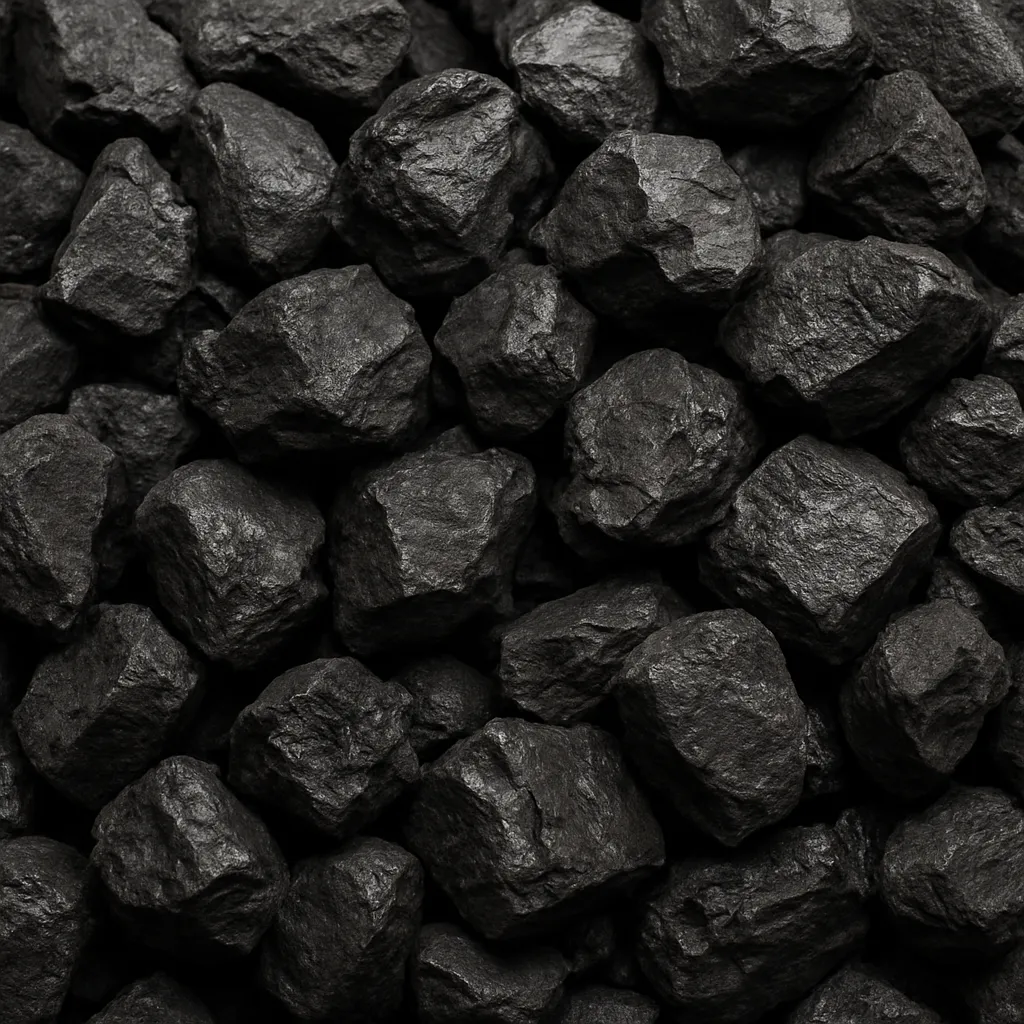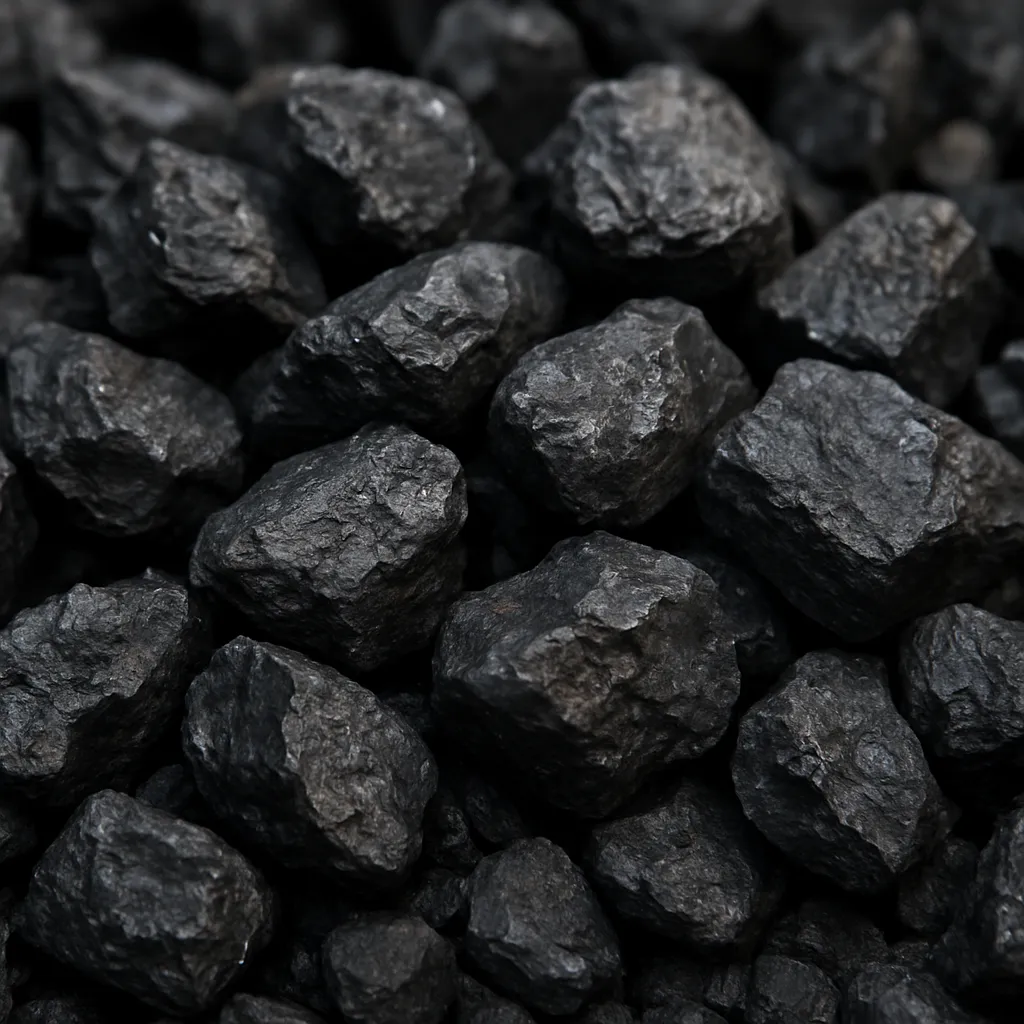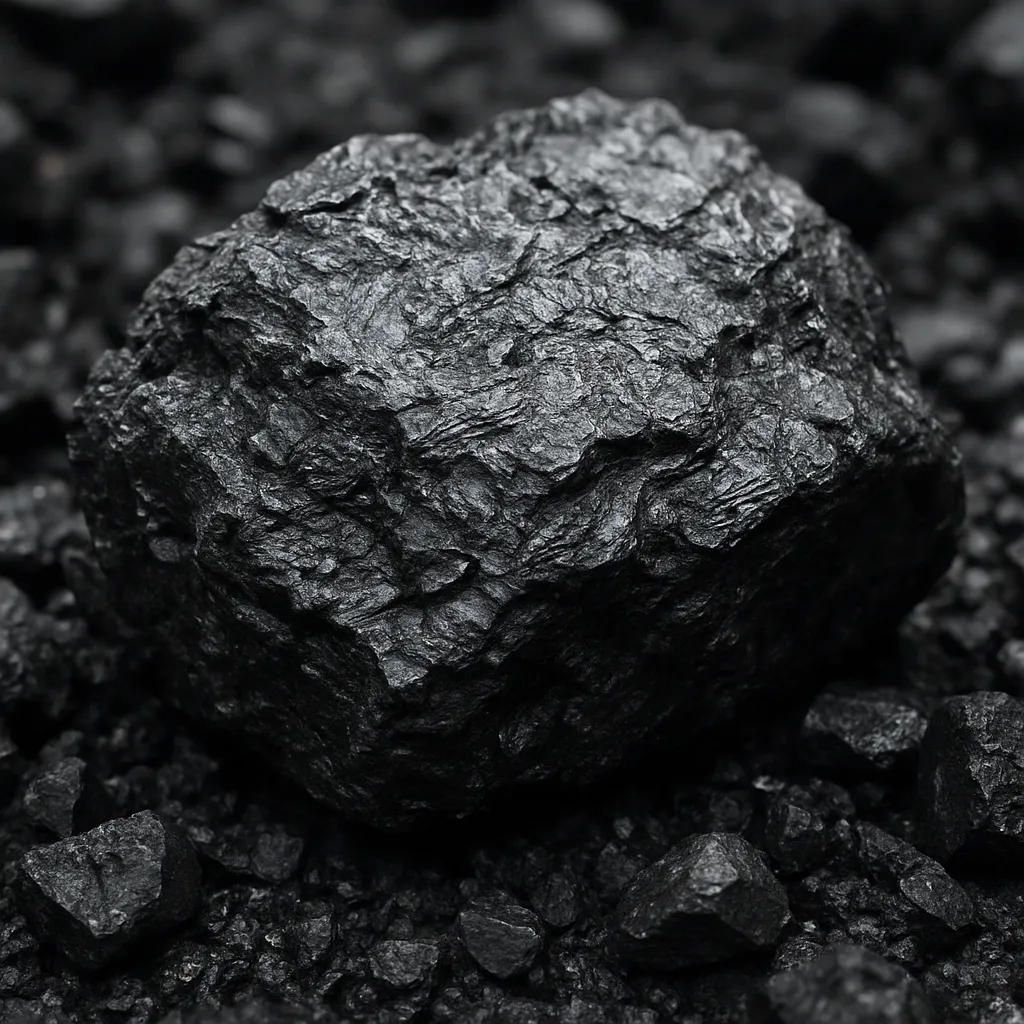
High-swelling coal — often referred to in industry as coking or caking coal with a high swelling index — plays a central role in traditional steel production and in several specialty carbon industries. This article examines what characterizes high-swelling coal, where such coals are found and mined, their economic and industrial significance, relevant statistics and trade patterns, environmental and technological challenges, and likely future trends. Throughout the text some of the most important terms are emphasized to help the reader identify the key concepts quickly.
Distribution and geological occurrence
High-swelling coal is not a single uniform type but a group of coals that share the property of expanding and plasticizing when heated in the absence of air. Geologically, these coals are typically found in specific layers within major Carboniferous and younger basins where conditions favored the accumulation of relatively high-quality organic matter and subsequent coalification to the bituminous range. Key geological features that promote the formation of high-swelling coal include prolonged burial, moderate to high thermal maturity (but not to anthracite levels), and a maceral composition rich in vitrinite and certain liptinite components that promote caking.
Major coal basins that produce high-swelling, coking or semi-coking coals include:
- Australia — Bowen Basin, Hunter-Bowen complex, and parts of Queensland and New South Wales. Australian coals are globally significant as high-quality, low-ash metallurgical coals.
- Russia — Kuznetsk Basin (Kuzbass), Donets Basin and parts of eastern Russia. Kuzbass remains one of the world’s largest sources of coking coal.
- China — Shanxi, Shaanxi, Inner Mongolia, Hebei and Liaoning provinces produce a variety of metallurgical coals used domestically.
- United States — Appalachian Basin (including the Pittsburgh and Pocahontas formations), Illinois Basin, and a number of western deposits provide coking coal, historically important for domestic steelmaking.
- Canada — British Columbia (Elk Valley) produces hard coking coals for export.
- Colombia — specific deposits in the northern Andean region produce premium coking coal for export markets.
- Poland and other Central/Eastern European basins — Upper Silesia and related coalfields supply metallurgical coals to regional steel industries.
- South Africa — select deposits in Mpumalanga and other regions, though South Africa’s exports are more variable in quality compared with Australian hard coking coals.
High-swelling coals may be associated with specific stratigraphic horizons; their local occurrence can be highly discontinuous. Within a basin, neighbouring seams can vary from excellent coking quality to non-caking thermal coal because of subtle differences in original plant material, depositional environment, and rank.
Properties, classification and testing
The defining characteristic of high-swelling coals is their behavior during heating in the absence of oxygen: they soften, become plastic, expand or “swell”, then resolidify to form a coherent, porous carbon mass called coke. Important laboratory and industrial tests have been developed to evaluate this behavior and to classify coals for metallurgical use:
- Free Swelling Index (FSI) / Free Swelling Number (FSN) — empirical measurements of how much a coal sample expands in a standardized heating test. Higher FSI values generally indicate stronger caking/swelling behavior. Many coking coals fall within the upper end of the FSI scale.
- Gieseler plastometer — measures the plasticity of coal (plastic range and maximum fluidity) and helps predict coking behavior during the thermo-plastic stage.
- Dilatation and crucible tests — determine volume changes and the ability to form a coherent coke mass.
- Proximate and ultimate analyses — provide moisture, ash, volatile matter, fixed carbon, sulfur, and trace element contents that affect coke quality and furnace performance.
- Petrographic analysis — quantifies macerals (vitrinite, inertinite, liptinite) and provides insight into the coal’s caking potential; high caking coals are often vitrinite-rich.
Classification in industry generally divides coking coals into categories such as hard coking coal (HCC), semi-soft coking coal, and weak coking coal. Hard coking coals typically produce strong coke with desirable physical properties (e.g., high mechanical strength, low reactivity), while semi-soft and weak coking coals are blended to achieve target coke characteristics.
Mining, production and trade patterns
High-swelling coals are mined by both underground and surface methods depending on seam depth, seam thickness and local economics. Modern mining operations supplying coking coal for the steel industry combine geological knowledge with advanced mine planning to selectively extract seams with the best coking properties and to minimize impurities.
Global production and trade of metallurgical coal have a few defining patterns:
- Production centers are concentrated in a handful of countries with extensive coal basins and export infrastructure.
- The seaborne trade in metallurgical coal is crucial: large steel-producing regions without domestic coking coal resources rely on imports delivered by sea.
- Quality matters: high-swelling, low-ash, low-sulfur coals command premiums in international markets because of their better coke yield and reduced furnace problems.
Some general statistical context (estimates and ranges reflecting recent years through 2022–2023):
- World crude steel production was approximately 1.8–1.9 billion tonnes annually in the early 2020s, making steel the dominant consumer of quality coal for coke production.
- Global metallurgical coal production (counting both domestic and seaborne supply) is commonly estimated in the broad range of roughly 300–500 million tonnes per year, with significant interannual variation linked to steel demand and economic cycles.
- Seaborne metallurgical coal trade (i.e., exports of coking coal) has typically been on the order of about 200–250 million tonnes per year
- Australia supplies a large share of seaborne coking coal — often around 40–50% of the global seaborne market in recent years — followed by Russia, the United States, Canada, Colombia and South Africa among others.
These numbers vary year to year depending on steel demand, mine expansions or closures, geopolitical factors (sanctions, export controls), and disruptions such as weather or pandemics. For example, export flows shifted during geopolitical events, with some importing countries increasing purchases from alternate suppliers when access to certain exporters was restricted.
Industrial uses and economic significance
The principal industrial use of high-swelling coal is in the production of metallurgical coke for the iron and steel industry. Coke is a high-carbon, porous, strong material used in **blast furnaces** as both a chemical reducing agent and as a structural support for the burden (the solid charge of ore and coke). The properties required from coke — high mechanical strength under load, resistance to chemical reactivity with carbon dioxide and steam, and minimal impurities — are determined by the quality of the feed coking coals and the coking process.
Key economic and industrial roles include:
- Steelmaking feedstock: The majority of high-swelling coal is consumed to make coke for blast furnace/basic oxygen furnace (BF-BOF) steelmaking routes. Historically, as much as 60–70% (or more) of metallurgical coal production is directed to coke-making for steel processes.
- Blending value: High-swelling coals are blended with semi-soft coals to produce cokes with target properties, allowing producers to optimize cost vs. performance.
- By-products and chemicals: Traditional coke ovens generate by-products — coke oven gas, coal tar, ammonia, benzole — that feed chemical and energy industries. These by-products have historically had substantial economic value, though modern environmental controls and alternative feedstocks have changed their markets.
- Strategic commodity: For steel-dependent economies, access to reliable supplies of high-quality coking coal is strategic. Countries lacking domestic coking coal typically maintain trade links with exporters or keep strategic coal/coke stocks.
Beyond steelmaking, certain high-rank coals and their derivatives are used to make specialty carbon products (needle coke for electrodes, carbon anodes, and certain high-value carbon materials). While needle coke more commonly derives from petroleum feedstocks, specialty coal-based cokes still have niche roles.
Environmental and technological challenges
Coking coal and the processes it supports pose several environmental and technical challenges that influence policy and industry decisions:
- CO2 emissions — The production of coke and the blast furnace steelmaking route are carbon-intensive. Emissions occur during coal mining, coke production, and the chemical reduction of iron ore. Decarbonization of steel is therefore a major global challenge.
- Local environmental impacts — mining operations can affect land, water and air quality. Dust, acid mine drainage and land subsidence are recognized issues where best practices are not followed.
- Coke oven emissions — historically a source of toxic compounds; modern plants install controls but management of tar, volatile organic compounds and other hazardous by-products requires investment.
- Quality control and contaminants — ash, sulfur, phosphorus and trace elements affect coke quality and furnace operation. Producers and consumers must manage impurities through mining selection, washing, and blending.
Technological responses and adaptation paths include:
- Process innovations to reduce coke requirements — greater use of scrap in electric arc furnaces (EAF), and transitional routes such as direct reduced iron (DRI) using natural gas or hydrogen.
- Carbon capture and storage (CCS) applied to coke ovens and blast furnaces (pilot stages in some regions) to reduce process emissions.
- Improved mining practices, reclamation, water management and air quality controls.
- Development of alternative coking methods and synthetic cokes from non-coal sources in niche applications.
Market dynamics, price behavior and future trends
The market for high-swelling, coking coal is characterized by sensitivity to steel demand, relatively concentrated export supply, and quality-driven price differentiation. Prices for premium coking coal can be highly volatile — rising quickly when global steel production expands or when supply is disrupted, and falling when steel demand slows.
Important market features include:
- Quality premiums — low-ash, low-sulfur hard coking coals command higher prices than semi-soft coals.
- Concentration of seaborne supply — exporters such as Australia and Russia have outsized influence on seaborne prices and availability.
- Blending strategies — buyers often blend coals from multiple sources to meet coke oven and blast furnace specifications, which spreads price and supply risk but requires logistical coordination.
Looking forward, several trends will influence demand for high-swelling coal:
- Decarbonization of steel — policies and technologies promoting reduced emissions (EAF using recycled steel, DRI with low-carbon hydrogen, CCS) can reduce demand for metallurgical coal in the long term, though transition timelines vary by region.
- Regional industrial growth — demand in developing regions with growing steel sectors may sustain metallurgical coal demand for decades.
- Supply-side adjustments — mining expansions, new projects, or closures (due to economics or environmental policy) will shift regional balances of supply and influence seaborne flows.
- Technology-driven efficiency — improved coke ovens, better blending algorithms, and furnace efficiency can reduce coal consumption per tonne of steel.
Interesting historical and technical notes
– High-swelling coking coals were fundamental to the early industrial revolution; the ability to make strong coke enabled large-scale iron production in blast furnaces and the rapid expansion of heavy industry.
– The behavior of coal during coking (softening, swelling, resolidification) results from complex physical and chemical transformations — devolatilization, polymerization and cross-linking reactions that convert the organic matrix into a three-dimensional carbon structure. Understanding these reactions remains an active area of petrology and materials research.
– Metrics for coke quality, such as coke reactivity and strength after reaction (CRI and CSR), help steelmakers grade cokes for furnace performance. Coals that produce coke with low CRI and high CSR are preferred for demanding blast furnace operation.
Concluding perspective
High-swelling coals remain a strategically important mineral resource for global heavy industry, particularly steelmaking. While the industry faces technological and environmental pressures that will reshape demand over the coming decades, the immediate and medium-term role of coking coal is likely to persist because of existing steelmaking assets and the scale of contemporary steel production. The future will be determined by a complex interplay of geology, mining and processing economics, trade patterns, policy drivers for decarbonization, and technological innovation in steelmaking and carbon management. For buyers and policymakers alike, understanding the geological variability, testing methods (such as FSI and petrographic analysis), and the dynamics of global seaborne trade is essential to navigate supply security and environmental objectives.