Ancient forests buried eons ago provided the foundation for today’s vast coal deposits. From small hearths to massive power stations, this fossil fuel has shaped economy, society, and environment. Understanding its journey involves examining the rise of mechanized mining, the role of coal on global markets, and the evolving strategies of investors who view coal companies as both a risk and opportunity. This article explores three major dimensions: historical evolution, financial dynamics of coal stock, and the environmental challenges that define its future.
Historical Evolution of Coal Mining
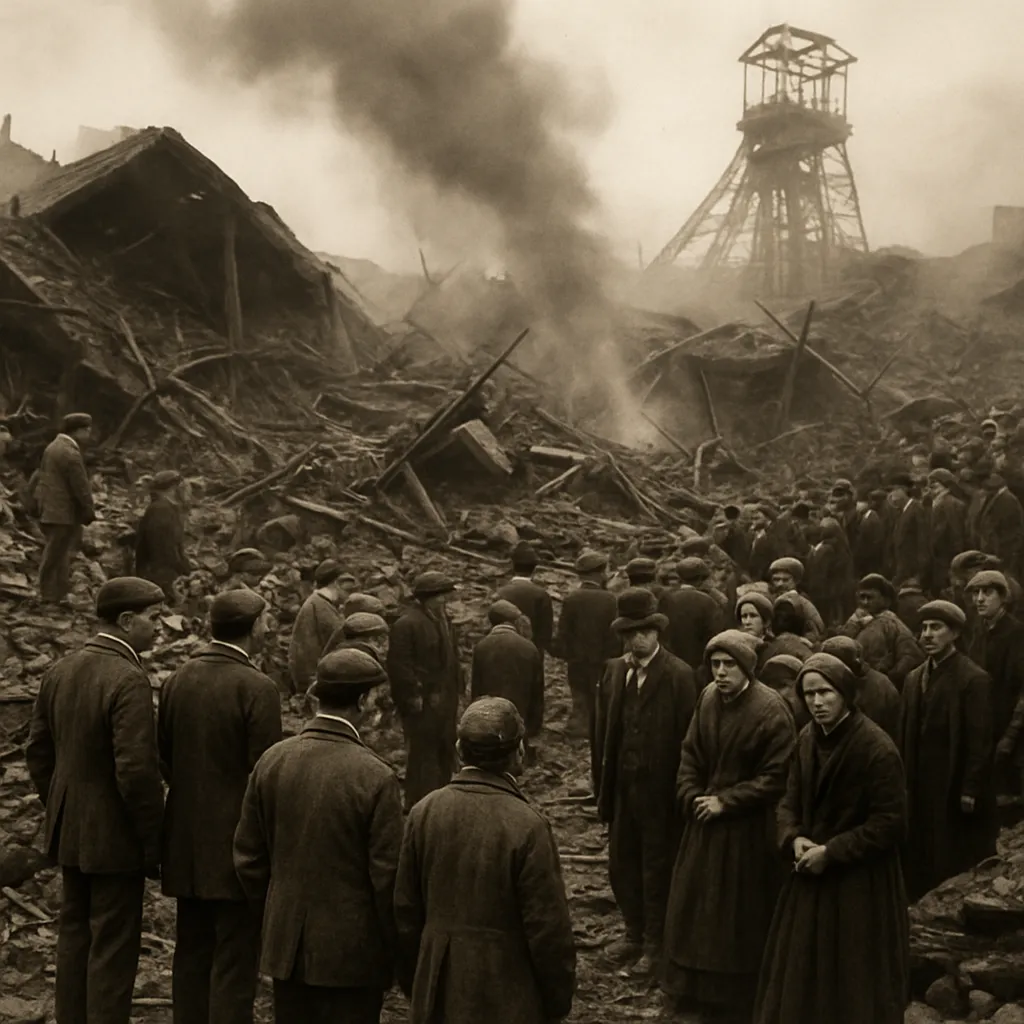
Before mechanization, hand-dug pits and primitive ventilation dominated early mining. By the eighteenth century, the burgeoning industry demanded larger output. Miners dug ever deeper shafts, exposing them to methane, water inflows, and collapsing roofs. Over the centuries, some of the most catastrophic accidents occurred, forever transforming safety standards and labor laws.
Early Beginnings and Technological Breakthroughs
The first recorded commercial coal mine opened in northern England during the 13th century. By the 17th century, innovations like the steam engine revolutionized extraction. However, greater depths introduced hazards:
- Pit roof collapses due to inadequate timbering.
- Explosive gas pockets ignited by open flames.
- Mine flooding when adits failed or water tables were breached.
These challenges spurred the development of mechanical ventilators and safety lamps, gradually improving working conditions. Yet disasters continued to occur, reminding stakeholders of the perilous nature of underground excavation.
Major Mining Disasters
Several events stand out in mining history for their profound human toll and industry impact:
- Courrières Colliery, France (1906): Over 1,000 lives lost in Europe’s deadliest coal mine explosion.
- Monongah Mine, USA (1907): Resulted in nearly 400 fatalities, triggering federal safety legislation.
- Senghenydd, Wales (1913): The worst mining disaster in British history with more than 440 miners killed.
- Essington Mine, China (1942): Explosion claimed hundreds, leading to major advances in methane detection.
Each calamity prompted reforms in ventilation systems, gas monitoring, and emergency protocols. Through these tragedies, mining operations gradually adopted more rigorous safety benchmarks to protect both workers and local communities.
Coal as a Financial Instrument and Stock Market Dynamics
Over the past century, coal transitioned from a domestic heating source to a tradable commodity influencing national GDPs. Today, coal trading occurs on several exchanges, and related equities feature prominently in energy portfolios. Understanding this domain requires insight into price drivers, supply-demand balances, and geopolitical influences.
Global Price Drivers and Supply Chains
Coal prices reflect multiple factors:
- Production costs per ton, including labor, equipment, and compliance.
- Freight and logistics expenses across ports and railways.
- Regulatory frameworks affecting carbon capture and disposal.
- Alternative fuel competition, notably cheaper natural gas and renewables.
Major exporters like Australia, Indonesia, and Russia wield considerable market power, adjusting output to influence global benchmarks. Meanwhile, importing nations in Asia and Europe compete for limited cargoes, intensifying price volatility.
Investing in Coal Stocks
Equities of coal producers and infrastructure companies trade on key indices. Institutional investors evaluate these stocks through metrics such as:
- EBITDA margins relative to peers and energy price fluctuations.
- Debt-to-equity ratios impacted by capital-intensive mine development.
- Long-term supply contracts with utilities and steelmakers.
- Exposure to emerging markets where coal remains central to industrialization.
Hedge funds and pension plans may hold positions in coal stocks to hedge against natural gas price spikes or to profit from anticipated demand in developing regions. Nonetheless, financial models increasingly integrate carbon pricing scenarios, making pure coal plays riskier in a decarbonizing world.
Environmental Challenges and Future Outlook
As governments worldwide aim for net-zero targets, coal faces mounting pressure. Its high carbon content and associated pollutants pose substantial environmental risks. Stakeholders must navigate this landscape by adopting cleaner technologies, diversifying energy portfolios, and reconciling short-term demands with long-term sustainability.
Emissions Reduction and Technology Solutions
Major innovations seek to mitigate environmental harm:
- Carbon capture and storage (CCS) systems installed at power plants to trap CO₂.
- High-efficiency, low-emission (HELE) boilers raising thermal efficiency above 45%.
- Biomass co-firing blending organic residues with coal to lower net emissions.
- Mine methane recovery converting fugitive gas into usable energy.
Despite these advances, adoption remains uneven due to high capital costs and regulatory uncertainty. Public opinion and investor activism also sway policies, pushing many utilities to retire aging coal-fired units.
Transition, Diversification, and Resource Security
Countries with abundant coal reserves confront a strategic choice: sustain their reliance or transition. In many emerging economies, coal underpins power infrastructure and industrial growth. Phasing it out too quickly risks energy shortages and economic disruptions. As a result, some governments invest in:
- Grid modernization to manage variable renewable output.
- Regional interconnectors for cross-border energy trade.
- Workforce retraining programs for miners transitioning to green jobs.
- Research into synthetic fuels and hydrogen derived from coal feedstocks.
By balancing economic stability with environmental stewardship, these nations strive to safeguard both their industrial base and global climate commitments.
Looking Ahead: The Complex Role of Coal
The future of coal hinges on technology, policy, and market evolution. While some regions phase out coal entirely, others double down on its role as a reliable and abundant resource. Key determinants include:
- Advances in emission control and clean combustion techniques.
- Carbon pricing mechanisms that internalize environmental costs.
- International financing for energy projects in developing economies.
- Shifts in global supply chains and trade alliances.
Ultimately, coal’s legacy will reflect not only its past risks—including the most devastating mining disasters—but also its capacity to adapt. With informed investment strategies, prudent regulations, and technological innovation, stakeholders can chart a transition that respects both economic realities and environmental imperatives.