The following article provides a comprehensive overview of the Airly Coal Mine in Australia, its geological context, the types of coal associated with the deposit, economic and regional significance, environmental and social considerations, and the broader industry dynamics that shape its present and future. Wherever possible the text highlights key technical and economic aspects essential to understanding the importance of this site within the Australian coal sector.
Location and Geological Setting
The Airly Coal Mine is situated in the central-eastern part of the Australian state of New South Wales, within a geological region dominated by Permian coal-bearing strata commonly referred to as the Sydney Basin and adjacent coal measures. These coal-bearing formations are the product of ancient peat swamps that accumulated and were buried during the late Paleozoic era, producing substantial seams of sedimentary coal that have been economically exploited for more than a century across the region.
Geologically, the deposit at Airly is typically associated with low- to medium-rank coals characteristic of eastern Australian basins. These coals are generally classified as bituminous to sub-bituminous, depending on depth, rank and local geological factors. Seam thicknesses and continuity vary across the property; deposits in the area may include multiple seams with differing characteristics that influence mining method and product quality. The typical basin geology around Airly includes interbedded sandstones, siltstones and shale units that host the coal seams and determine the hydrogeological behavior of the mine.
Historical Development and Operational Overview
The history of coal extraction in the broader region traces back to the 19th and early 20th centuries. Smaller collieries and exploratory operations led to the identification of numerous workable seams. In the case of Airly, exploration and development phases saw periodic activity as market conditions and ownership structures changed. Mining operations in such deposits can take the form of open-cut (surface) mining where seams are shallow, or underground mining where seams are deeper or where surface disturbance is restricted. Operators select methods based on seam depth, seam dip, overburden characteristics and community or regulatory constraints.
Over time, mines in the region have adopted modern extraction and processing technologies. Typical operations at a coal mine like Airly include:
- Exploration drilling and resource classification to define the extent and quality of coal seams.
- Pre-development environmental and cultural heritage assessments as part of regulatory approvals.
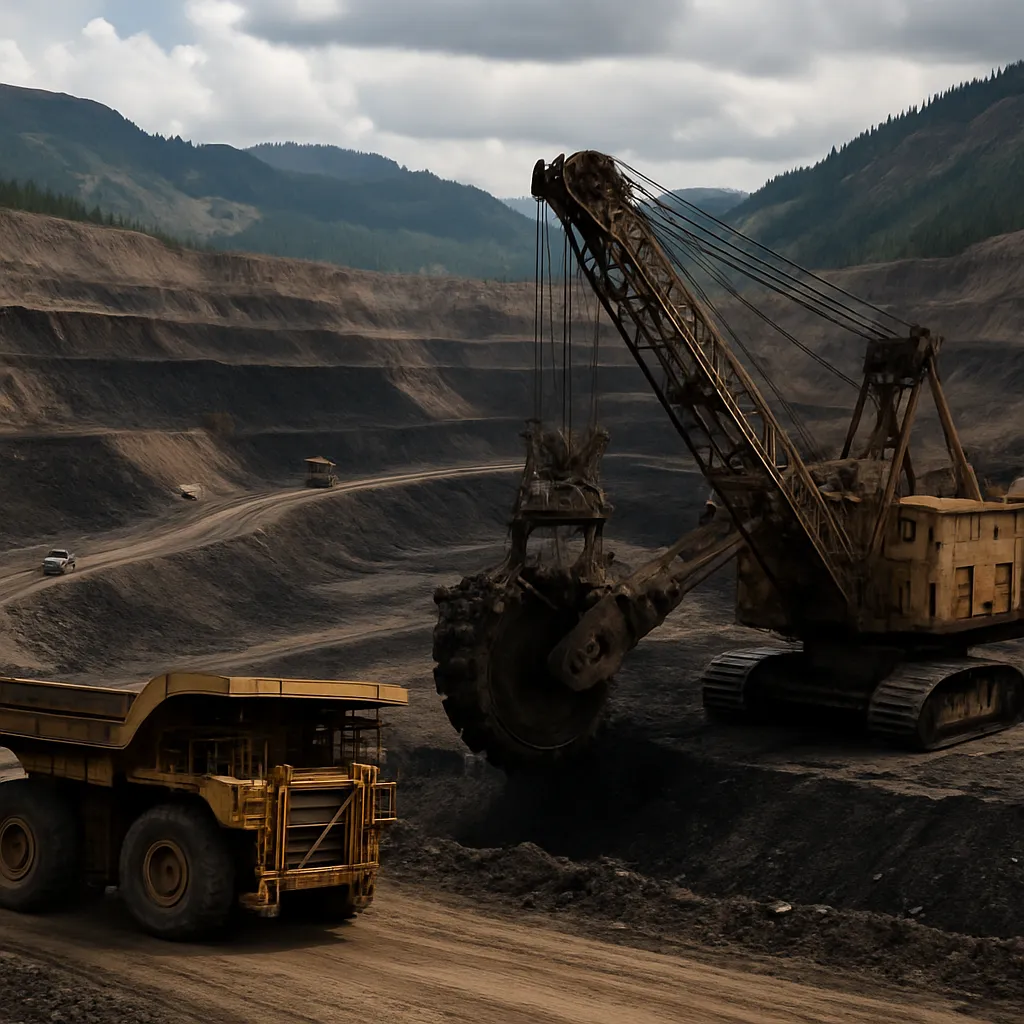
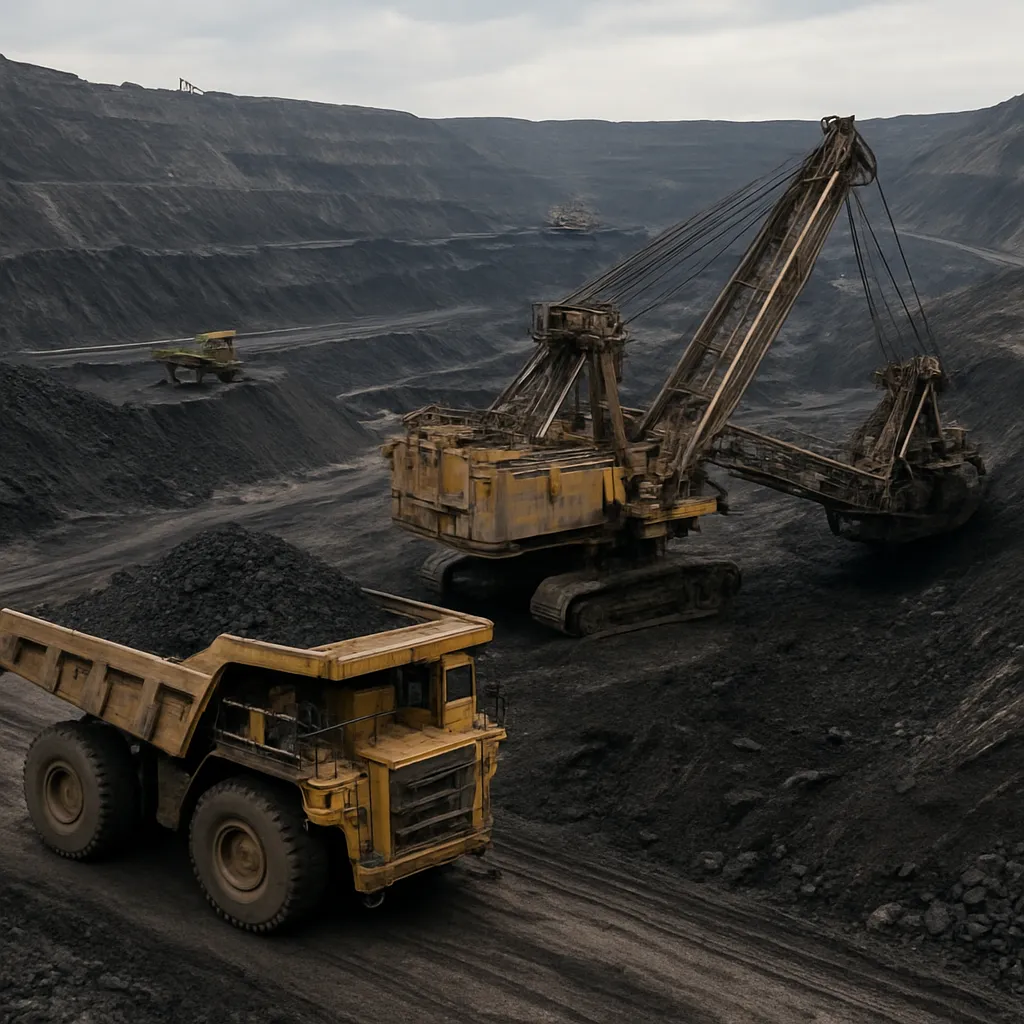
- Extraction using excavators, trucks, or underground longwall/room-and-pillar systems as appropriate.
- Coal handling and preparation (wash plants) to produce saleable products meeting thermal or metallurgical specifications.
- Logistics arrangements, commonly involving truck haulage to rail and onward export via major NSW ports.
Coal Type and Quality
Coals from the Airly deposit, consistent with many deposits in the Sydney Basin, are typically in the low- to mid-range of coal rank. Depending on specific seam characteristics, the product may be destined for domestic energy use (thermal coal) or, if qualities warrant, for certain metallurgical applications. Key coal quality parameters relevant for market and processing decisions include:
- Calorific value (energy content per unit mass)
- Volatile matter and fixed carbon percentages
- Ash content and ash fusion characteristics
- Sulfur content and other trace element concentrations
- Moisture content and grindability
In many NSW basin mines, coals are commonly used as thermal fuel for electricity generation or for industrial heating. Some seams in the broader region also supply semi-soft coking coal blends used in steelmaking. Exact product classification for Airly depends on seam-specific analyses and the mine’s processing capabilities. The ability to wash and blend coal to meet export or domestic specifications is a central part of the mine’s commercial value.
Economic and Regional Importance
The Airly mine, like many coal operations in Australia, contributes to regional economies through direct and indirect channels. The most visible economic impacts include employment, procurement of goods and services, payment of royalties and taxes, and investments in local infrastructure. Coal remains a significant export commodity for Australia, and operations in New South Wales participate in both domestic supply chains and international markets.
Typical economic roles of a mine in this region include:
- Direct employment of miners, engineers, environmental and site staff.
- Indirect employment through contractors, transport operators and service providers.
- Local procurement for goods such as fuel, maintenance services, catering, and equipment.
- Payments to state governments via royalties and to local governments through rates and land-use fees.
- Capital expenditure during development and operating phases which supports regional construction and supply sectors.
While specific production and revenue figures for the Airly operation are not always publicly disclosed, the economic model is typical: resource conversion to saleable coal, sale in domestic or export markets, and contribution to local and regional economic activity. The scale of such contribution depends on annual production volumes, product prices, operating costs and the share of workforce drawn from local communities.
Transport, Markets and Trade
Coal mined in central-eastern New South Wales is usually transported to coastal ports for export, or to nearby power stations and industrial consumers for domestic use. The main logistical elements include:
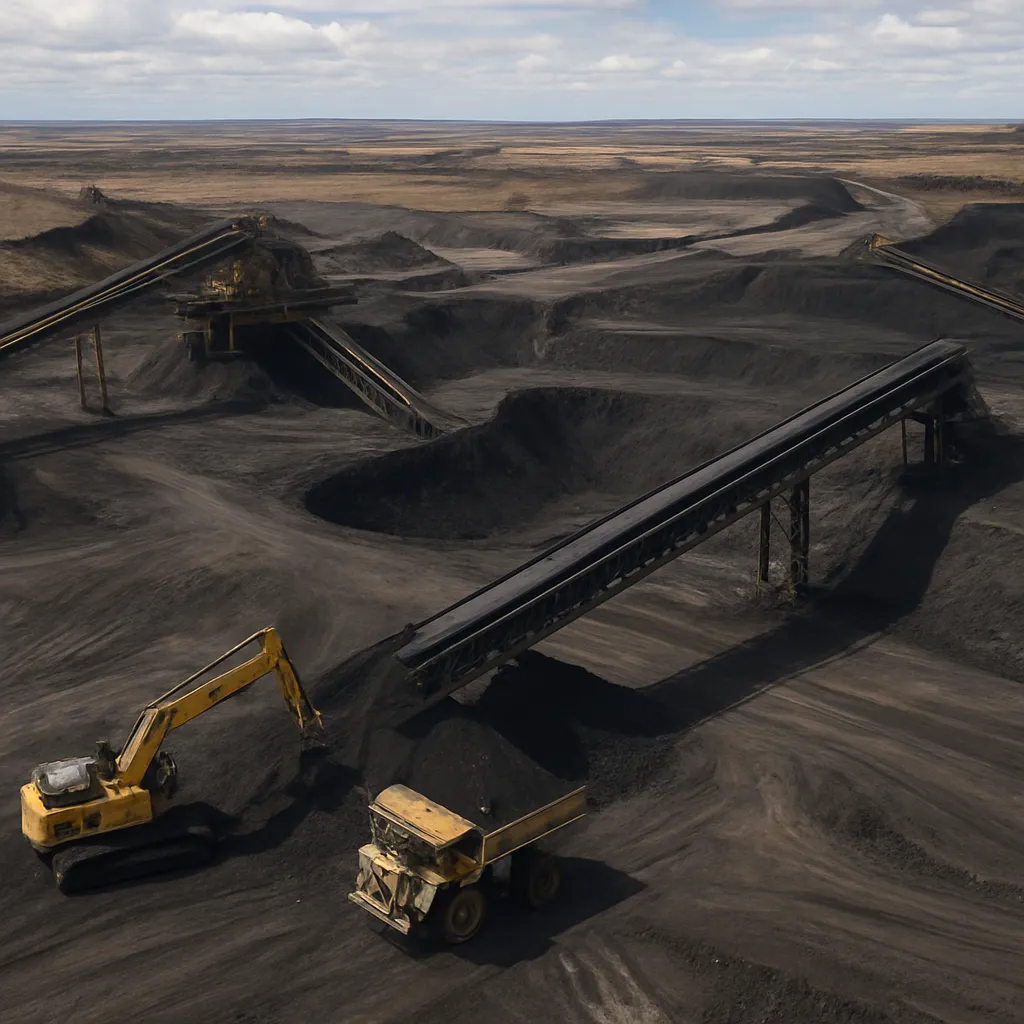
- On-site stockpiles and handling facilities
- Truck haulage to rail loadout or directly to customers
- Rail transport on state networks to major export terminals
- Export through major NSW ports (e.g., Port of Newcastle, Port Kembla) depending on contracts and port allocations
International buyers in the Asia-Pacific region have historically been the primary market for Australian coal exports, driven by demand from countries such as Japan, South Korea, China and increasingly Southeast Asian and South Asian nations. Shifts in global demand, price volatility, freight costs, and trade policy all influence the commercial viability of mines like Airly.
Environmental Management and Rehabilitation
Environmental management is a central regulatory requirement for modern mining in Australia. Before development, proponents must prepare environmental impact assessments and management plans that address issues such as water management, dust and air quality, noise control, biodiversity protection, and rehabilitation commitments. Regulators typically require financial assurance (bonds) to ensure that funds are available for rehabilitation at the end of mine life.
Key environmental considerations at a coal mine comparable to Airly include:
- Groundwater interactions and potential impacts on aquifers and surface water flows
- Airborne dust and particulates from excavation, handling and transport
- Greenhouse gas emissions from coal extraction, processing and end-use combustion
- Impact on native vegetation and habitat, including threatened species and corridors
- Rehabilitation of disturbed land to safe, stable and ecologically acceptable post-mining landforms
Operator obligations often include progressive rehabilitation—restoring sections of the site during the operational phase rather than waiting until closure. Successful rehabilitation aims to recreate stable landforms, re-establish native vegetation communities and manage water to prevent erosion and contamination. Social license to operate is increasingly tied to demonstrable environmental stewardship.
Social and Community Dimensions
Mining operations influence local communities in multiple ways. Positive impacts include job creation, investment in local services and infrastructure, and community programs funded by mine operators. However, coal mining can also give rise to community concerns such as noise, dust, road traffic, and perceived or real impacts on water resources and agricultural land.
Community engagement practices commonly adopted by responsible operators include:
- Regular consultation with affected landowners and communities
- Transparency in environmental monitoring results and operational plans
- Investment in community development projects, education and training
- Partnerships with Indigenous groups to respect cultural heritage and support local opportunities
Long-term social outcomes depend on how well a mine integrates its planning with regional development strategies and how effectively it prepares for closure and economic transition of the host communities.
Regulation, Permitting and Compliance
Mining in New South Wales (and across Australia) is subject to a framework of state and federal laws. State authorities manage approvals for mining leases, environmental management plans, water licenses and rehabilitation requirements. At the federal level, projects may be subject to national environmental laws if they affect matters of national environmental significance.
Key regulatory considerations include:
- Development consent under state planning laws
- Environmental approvals for impacts on biodiversity, water, and heritage
- Workplace health and safety regulations governing mine operations
- Reporting and compliance obligations including environmental monitoring and financial assurance
Adherence to these regulations is enforced through regular inspections, compliance audits and, where necessary, enforcement actions. Transparent compliance reporting is increasingly expected by stakeholders and the broader public.
Statistical Context and Industry Trends
Precise, up-to-date production statistics for the Airly mine specifically are not always publicly available in the same detail as for larger, headline operations. Nevertheless, several broader statistical and market trends are relevant for understanding its context:
- Australia remains one of the world’s largest coal exporters, supplying both thermal and metallurgical coal to global markets.
- Coal quality in the Sydney Basin tends to be medium rank (bituminous to sub-bituminous), suitable for thermal markets and certain blended metallurgical applications where appropriate.
- Market demand for thermal coal has been influenced in recent years by global energy transitions, policy shifts in major importing countries, and competition from alternative fuels and renewables.
- Metallurgical (coking) coal markets have seen differing dynamics because of steel-making demand and the need for higher-rank coals or blended products.
Given these dynamics, mines in the region adjust operations, product suites and contracting strategies to remain commercially viable. Where specific reserve or production figures are publicly released by owners or regulators, those figures are used to quantify contribution to regional output; in the absence of such disclosures, economic significance is described qualitatively.
Technology, Safety and Workforce
Modern coal operations deploy a range of technologies to improve safety, efficiency and environmental performance. Examples include advanced fleet management for haul trucks, real-time monitoring of ground conditions in underground operations, automated and remotely operated equipment, and modern coal processing technologies to reduce ash and sulfur content.
Safety is a paramount concern. Mining regulators require comprehensive safety systems, emergency response planning and continuous training for workers. The workforce often includes a mix of permanent staff and contractors, with skill sets spanning mining engineering, geology, environmental management, health and safety, and community relations.
Challenges and Future Outlook
Several interlinked challenges shape the near- and medium-term outlook for coal mines in New South Wales, including Airly:
- Global energy transition: increasing penetration of renewables and policy commitments to reduce greenhouse gas emissions affect thermal coal demand.
- Commodity price volatility: coal prices can fluctuate sharply, affecting project economics and investment decisions.
- Access to capital and insurance: lenders and insurers are increasingly sensitive to environmental, social and governance (ESG) considerations.
- Community expectations: local stakeholders expect robust environmental performance, benefit sharing and credible closure planning.
Despite these challenges, coal continues to play a role in energy systems and industrial processes in many countries. Mines that can operate efficiently, produce quality products, manage environmental impacts and maintain community support have pathways to remain viable. The long-term trajectory for any individual mine depends on resource quality, operational cost competitiveness and global demand trends.
Interesting Facts and Broader Significance
Several broader points help place a mine like Airly in context:
- Coal deposits of the Sydney Basin are among Australia’s long-standing sources of energy and industrial feedstock, playing a historical role in the development of NSW towns and infrastructure.
- Technological evolution—such as adoption of automated equipment and improved processing—has substantially increased safety and productivity over the past decades.
- Mining regions often become focal points for discussions about economic diversification, highlighting the need for regional planning to accommodate eventual mine closure and post-mining land uses.
- Environmental rehabilitation can convert former mining land into agricultural, conservation or recreation uses, demonstrating the potential for landscape transformation after mining.
Concluding Remarks
The Airly Coal Mine is representative of many mid-sized coal operations in central-eastern New South Wales. Its importance spans geological, economic, and social dimensions: it extracts a non-renewable energy resource, contributes to local employment and economic activity, and must balance operational needs with environmental stewardship and community expectations. While the global energy transition presents long-term challenges for thermal coal producers, the immediate and medium-term prospects for operations like Airly depend on local geology, product quality, operational efficiency and the evolving landscape of demand in regional export markets. The capacity to manage environmental impacts, engage constructively with communities, and plan for post-mining land uses will be central to the mine’s legacy.