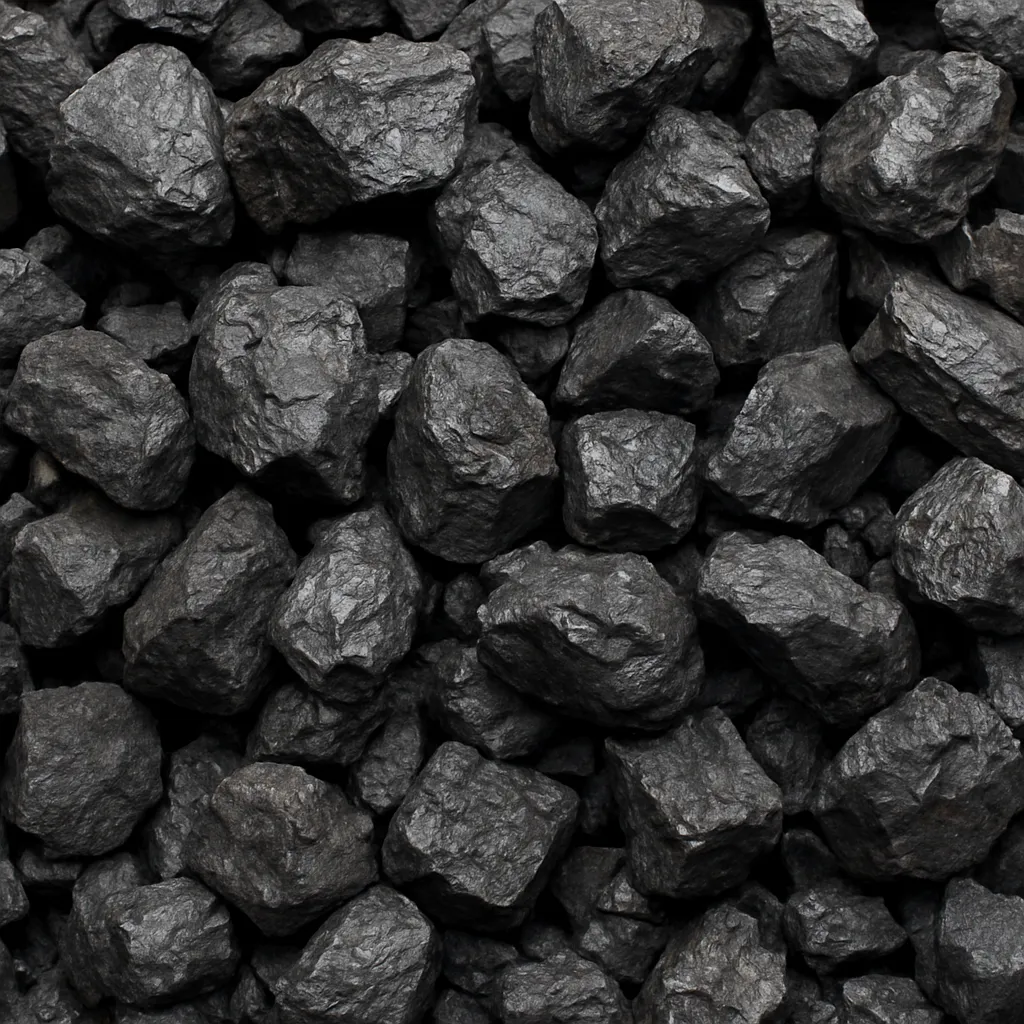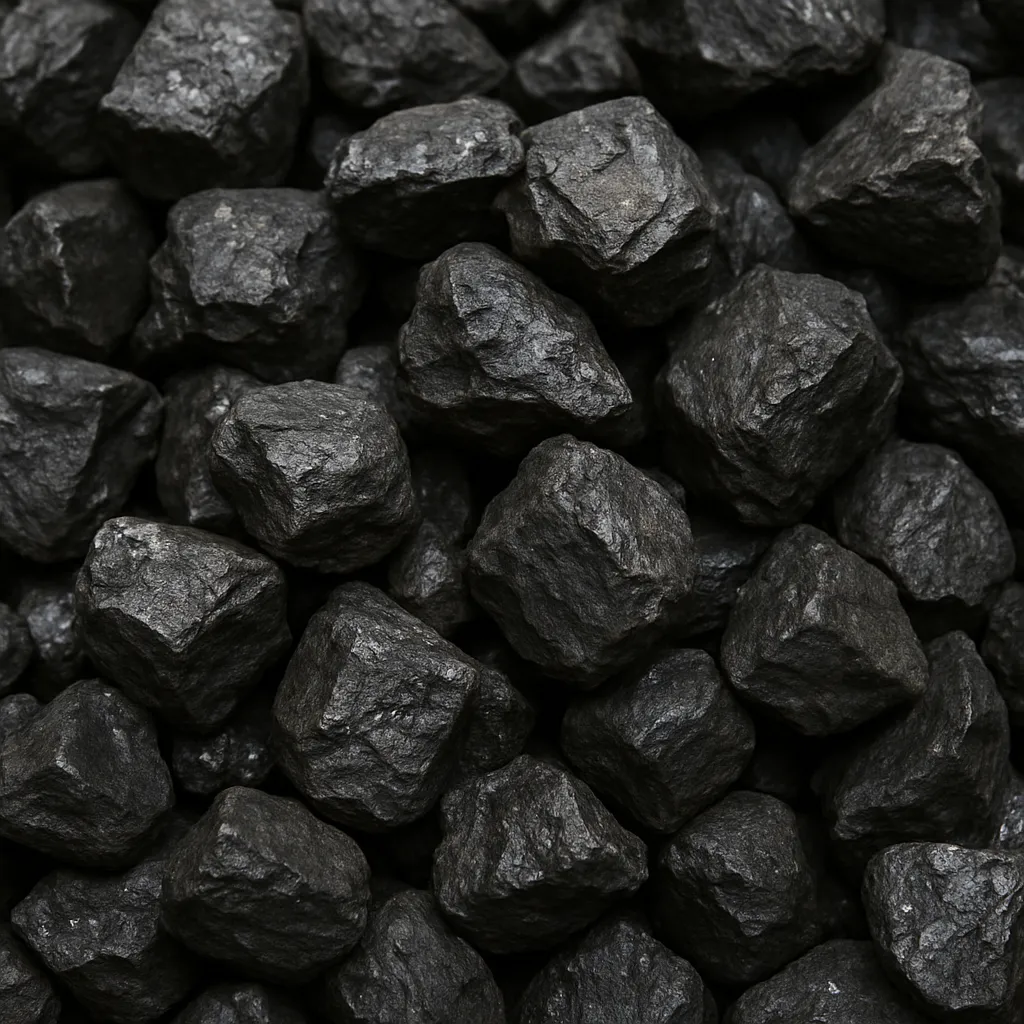
This article examines raw sub-bituminous coal: its nature, where it occurs, how and where it is mined, its economic and industrial roles, and environmental and policy considerations. Sub-bituminous coal occupies a middle ground between lignite and bituminous coal in rank and properties, and it plays an important role in global energy systems, especially for power generation. Below you will find geological background, production and trade patterns, market and price dynamics, technological uses, and future perspectives.
What is raw sub-bituminous coal? Geological and physical characteristics
Sub-bituminous coal is a category of low- to medium-rank coal that forms at a greater degree of coalification than lignite but has not reached the higher carbon content and hardness of bituminous coal. It typically contains higher moisture and volatile matter than higher-rank coals, and lower fixed carbon. Key technical characteristics include:
- Moisture content: often substantial (commonly 15–35% in run-of-mine material), which affects handling, transport, and heating value. High inherent moisture is a defining trait of many sub-bituminous coals.
- Calorific value: moderate on a mass basis; gross calorific values are commonly in the range of roughly 19–26 MJ/kg (about 8,300–11,200 Btu/lb) on an as-received basis, though values vary widely with rank and moisture. The calorific value per mass is lower than that of bituminous coal.
- Volatile matter: relatively high, which can aid combustion stability in power plants but affects coking suitability (most sub-bituminous coals are non-coking).
- Sulfur content: often low-sulfur compared with many bituminous coals, making sub-bituminous attractive where sulfur dioxide (SO2) emissions are regulated.
- Appearance and hardness: generally dull to submetallic luster, soft to moderate hardness; typically mined by surface methods where seams are near the surface.
Because of its combination of moderate heating value, high moisture, and low sulfur, sub-bituminous coal is widely used as a thermal fuel in pulverized-coal-fired power plants designed for that rank or adapted with specific boiler parameters.
Distribution and major producing regions
Sub-bituminous coal deposits are widespread. They are particularly abundant where extensive Tertiary-age, low-rank coal-forming environments existed. Major global occurrences and mining centers include:
- United States — The Powder River Basin (PRB) of Wyoming and Montana is the world’s largest source of sub-bituminous coal. PRB coal is notable for its very low sulfur and large seam thickness, making it economical to mine by surface methods and widely used for domestic power generation.
- Australia — Several Australian basins produce low-rank thermal coals used domestically and exported to Asian markets; coal from some basins falls into the sub-bituminous category.
- Russia — Large low-rank coal reserves occur in western and eastern parts of Russia, including deposits that produce sub-bituminous thermal coal for domestic use and export.
- Canada — Western Canada (Saskatchewan, Alberta, British Columbia) contains significant sub-bituminous resources used for power and industrial heat.
- Indonesia and some Central Asian countries — Export-oriented mines produce lower-rank thermal coals, including sub-bituminous grades, that supply regional power markets.
- China and India — Both countries mine a range of coal ranks; while their dominant coal production is bituminous and higher ranks in many areas, sub-bituminous and lower-rank coals are present and used locally.
Powder River Basin — a focal example
The Powder River Basin deserves special attention. PRB coal is characterized by exceptionally large, thick seams of low-sulfur sub-bituminous coal. Because the seams are near the surface and very continuous, large-scale open-pit (strip) mining is economically efficient. The PRB revolutionized U.S. coal markets by providing a cheap, low-sulfur thermal fuel that complemented emissions controls and helped many utilities meet clean air requirements.
Mining methods, processing and transport
Most raw sub-bituminous coal is extracted by surface mining methods, including strip mining, open-pit, and large-scale dragline operations. This is because many sub-bituminous deposits occur in broad, shallow seams. Typical mining and handling processes include:
- Overburden removal using draglines, truck-and-shovel fleets, and continuous mining equipment where applicable.
- Coal extraction and initial sizing or crushing on-site; sometimes mild drying or blending is applied to manage moisture and calorific content.
- Rail transport is the backbone for inland movement in large mining regions (e.g., unit trains from PRB to power plants). Where exports are intended, coal is trucked or railed to coastal ports for ship loading.
- Shipping and logistics: sub-bituminous exports are shipped in bulk carriers and handled in the same infrastructure as other thermal coals; however, moisture content and weather sensitivity require careful management during storage and shipment to avoid spontaneous heating or quality loss.
Processing is usually limited compared with higher-rank metallurgical coals — sub-bituminous coal is primarily a thermal fuel and is rarely beneficiated for coking. In some cases, dewatering or drying (industrial dryers, hot gas desorption) may be used to improve heating value and reduce transport weight penalties.
Production volumes, reserves and trade (economic/statistical overview)
Global coal supply and consumption remain significant despite headwinds from climate policy. While precise figures vary by source and year, some useful quantitative perspectives:
- Global coal production in recent years has been on the order of roughly 7–8 billion tonnes annually (all ranks combined), with coal still supplying around a quarter to a third of global primary energy and an even larger share of electricity in many countries.
- Proven global coal reserves are commonly estimated at around 1,000 billion tonnes (roughly a thousand billion tonnes or about a century-scale supply at current consumption rates), though reserve concepts and reporting differ widely by country and methodology.
- In the United States, annual coal production has varied widely over the past two decades; in the 2010s and early 2020s, U.S. output ranged several hundred million short tons per year. A substantial share of U.S. production is sub-bituminous, largely from the Powder River Basin.
- Australia is a major exporter of thermal coal to Asia. While much exported Australian coal is bituminous thermal coal (used for electricity in Asia), lower-rank coals are also exported and serve regional power stations.
- International trade flows of thermal coal are driven by regional demand and relative prices. Asia (China, India, Japan, South Korea, Taiwan, Southeast Asia) is the largest import market for seaborne thermal coal, while domestic supplies (e.g., PRB in the U.S.) service large utility fleets locally.
Price behavior for thermal coal (including sub-bituminous grades) is volatile and influenced by global demand, regional supply bottlenecks, exchange rates, and policy shifts. Recent years saw exceptional price spikes during supply constraints and post-pandemic energy market dynamics; prices then moderated as markets adjusted. Sub-bituminous coal often trades at discounts relative to higher-energy bituminous benchmarks because of its lower heating value and higher transport cost per unit energy.
Industrial uses and importance in energy systems
The dominant use of sub-bituminous coal is for electricity generation in pulverized coal boilers and fluidized-bed combustion systems. Its properties make it suitable for large-scale thermal power plants where boilers are designed or adapted for higher moisture, higher volatile matter fuels. Key industrial roles include:
- Baseload and mid-merit electricity generation at utility scale. Many power plants in regions with abundant sub-bituminous supplies were purpose-built or retrofitted to burn this rank efficiently.
- Steam heat and industrial process heat in industries near mines or consumers of low-cost thermal energy.
- Limited use in coal-to-liquids and coal-to-chemicals projects where feedstock properties can be managed industrially.
- Regional export trade: sub-bituminous coal is sometimes exported as a lower-cost thermal coal for power plants in importing countries, depending on shipping economics.
Sub-bituminous coal is generally not used for metallurgical coke production; it does not possess the appropriate caking properties. Thus, its economic value is primarily tied to the thermal (power) coal market and the competitiveness of coal-fired generation versus alternative fuels.
Environmental impacts, regulation and mitigation technologies
Environmental considerations shape the present and future of sub-bituminous coal. Important aspects include:
- Greenhouse gas emissions: burning coal of any rank emits carbon dioxide (CO2); sub-bituminous coal’s lower heating value means more mass needs to be burned per unit of delivered energy, so CO2 emissions per unit electricity can be comparable or slightly higher than for some higher-rank coals unless efficiency differences compensate.
- Air pollutants: the relatively low-sulfur nature of many sub-bituminous coals reduces SO2 emissions but does not eliminate emissions of particulate matter, NOx, mercury, and other trace elements. Modern emission control systems (scrubbers, electrostatic precipitators, fabric filters, selective catalytic reduction) are commonly used at power plants.
- Mining impacts: surface mining can disturb large land areas, affect local hydrology, and lead to habitat loss. Reclamation and regulatory oversight (e.g., backfilling, topsoil replacement, revegetation) are standard practices in many jurisdictions to mitigate impacts.
- Water and spontaneous combustion risks: stockpiles of high-moisture coal require management to avoid oxidation and spontaneous heating. Water runoff management is important at mine sites and loading terminals.
- Carbon capture and storage (CCS): sub-bituminous coal-fired power plants are candidates for CCS retrofits or new builds with CCS, but economic and regulatory conditions determine deployment. CCS can substantially reduce CO2 emissions per kWh where implemented.
Economic and policy drivers affecting sub-bituminous coal markets
Several interlinked economic and policy factors determine the competitiveness and future demand for sub-bituminous coal:
- Relative fuel costs: the delivered cost of coal versus natural gas, renewables, and oil strongly influences dispatch and investment decisions for power generation. Periods of low natural gas prices have eroded coal’s market share in some regions.
- Air quality and climate regulation: stricter regulations on emissions and carbon pricing shift the economics away from coal-fired generation, pressuring older plants and making new coal generation less likely without CCS.
- Infrastructure and transport costs: coal’s marketability depends heavily on proximity to rail and port infrastructure. Regions with efficient rail (e.g., PRB unit trains) maintain competitive advantage.
- Export demand, especially in Asia, influences production levels in export-oriented suppliers. Policymaking and demand in importing countries can quickly alter trade flows.
- Investment decisions in utilities: long-term planning, retirement schedules of coal fleets, and capacity additions in renewables and gas impact coal demand forecasts.
Statistical snapshot and notable figures
Below are illustrative statistics and figures to provide a sense of scale (figures are approximate and depend on the reporting year and source):
- Global coal production: on the order of 7–8 billion tonnes per year across all ranks.
- Proven coal reserves: commonly cited at roughly 1,000 billion tonnes globally, with important regional concentrations in the U.S., Russia, China, Australia, and India.
- United States: total annual coal production in some recent years has been in the range of several hundred million short tons (one short ton ≈ 0.907 metric tonnes); a substantial share of U.S. coal output is sub-bituminous, primarily from the Powder River Basin.
- Trade: seaborne thermal coal trade moves several hundred million tonnes annually; Asia accounts for the largest share of imports.
These numbers illustrate that sub-bituminous coal is embedded in large, globally significant commodity flows even as regional policy shifts and decarbonization pressures alter demand patterns.
Technological innovations and adaptations
Technology plays a role in making sub-bituminous coal more efficient and less environmentally damaging:
- Advanced boiler designs: modifications and designs (e.g., low-NOx burners, fluidized-bed combustion) adapt combustion to high-moisture, high-volatile fuels and improve thermal efficiency.
- Dewatering and pre-drying: technologies like mechanical thermal drying can increase calorific value per tonne and reduce transport costs and spontaneous combustion risk.
- Emission controls and heat-rate improvements: retrofits and operational improvements lower emissions per MWh and extend the viability of coal units under stricter environmental standards.
- Carbon capture and utilization/storage (CCUS): pilot projects and demonstrations aim to capture CO2 from coal-fired plants, though large-scale deployment remains limited by cost and policy incentives.
Outlook: market dynamics and the future role of sub-bituminous coal
The medium- to long-term outlook for sub-bituminous coal reflects a balance of opposing trends:
- Downward pressures: decarbonization policies, coal plant retirements in many OECD countries, the rapid growth of renewables and battery storage, and the competitiveness of natural gas in some markets reduce long-term demand in regions committed to emissions reductions.
- Resilient and growing demand pockets: in many emerging economies, coal—often lower-rank thermal coal including sub-bituminous—remains an important, reliable source of electricity as grids expand and industrialize. Export markets in Asia have historically absorbed large volumes of seaborne thermal coal.
- Role of technology: adoption of CCS, carbon pricing, and improvements in coal plant performance can prolong commercial life for some coal assets and reduce emissions intensity where policy supports them.
Overall, sub-bituminous coal will likely continue to supply significant thermal energy in the near term, especially in regions with abundant, low-cost deposits and limited alternatives. Over longer horizons, the scale of its role will depend on energy policy, the pace of decarbonization, and technological progress on emissions mitigation.
Interesting facts and lesser-known aspects
- Some of the thickest continuous coal seams in the world occur in low-rank basins like the Powder River Basin, enabling very high productivity per surface area mined.
- Because sub-bituminous coal often has low sulfur content, it helped utilities comply with early SO2 control policies in the U.S. before widespread flue-gas desulfurization systems became the norm.
- Coal quality can vary within a single basin; blending coals from different seams or mines is a common practice to meet boiler specifications and contractual calorific requirements.
- In cold storage or transit, high-moisture coals can appear wetter and heavier, which influences port handling and ship stowage patterns; managing moisture is commercially important.
Concluding perspective
Raw sub-bituminous coal is a major thermal fuel with distinctive geological, chemical, and economic traits. It has powered growth in many regions by providing accessible, relatively low-sulfur fuel for large-scale electricity generation. The commodity’s future is shaped by the interplay between persistent demand for reliable thermal power in some markets and the accelerating global push toward lower-carbon energy systems. Understanding the physical properties, mining economics, market flows, and environmental trade-offs of sub-bituminous coal is essential for energy planners, industry stakeholders, and policymakers navigating the transition to a cleaner energy mix.