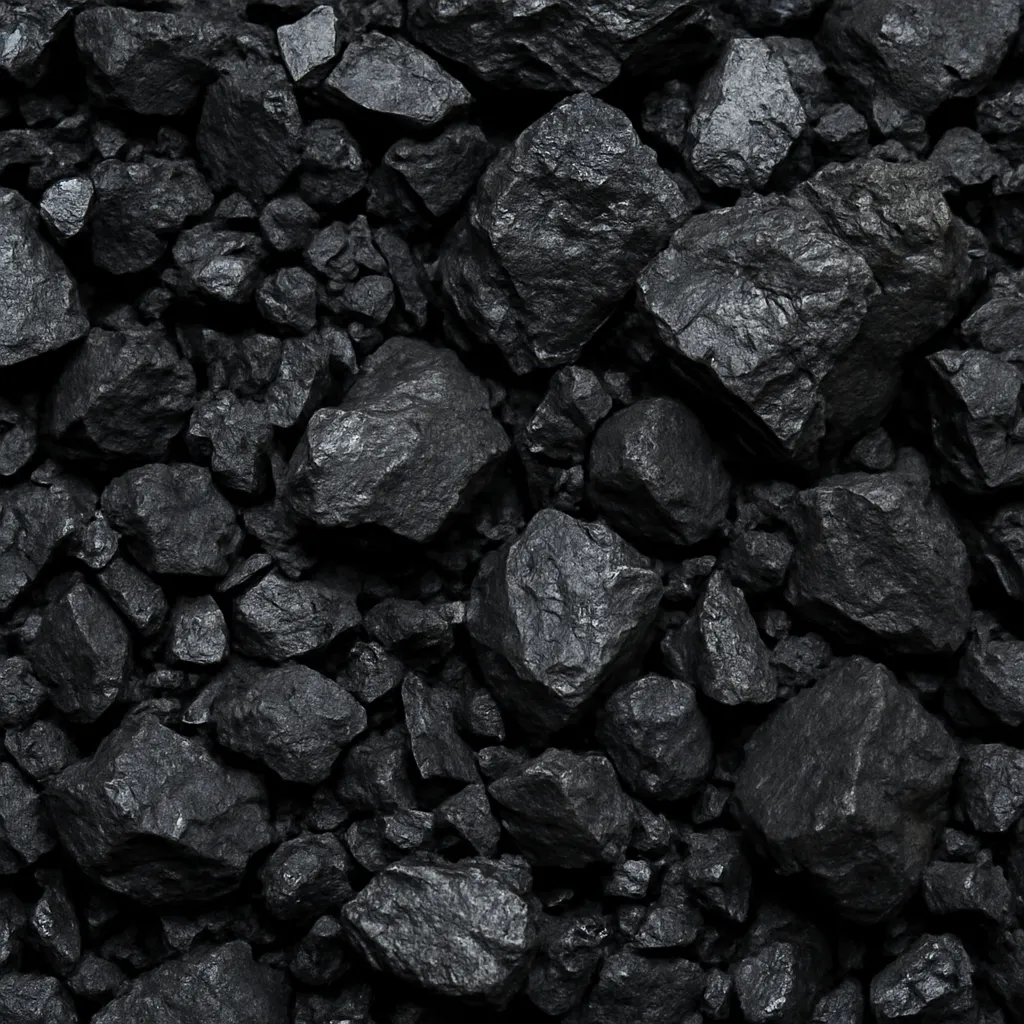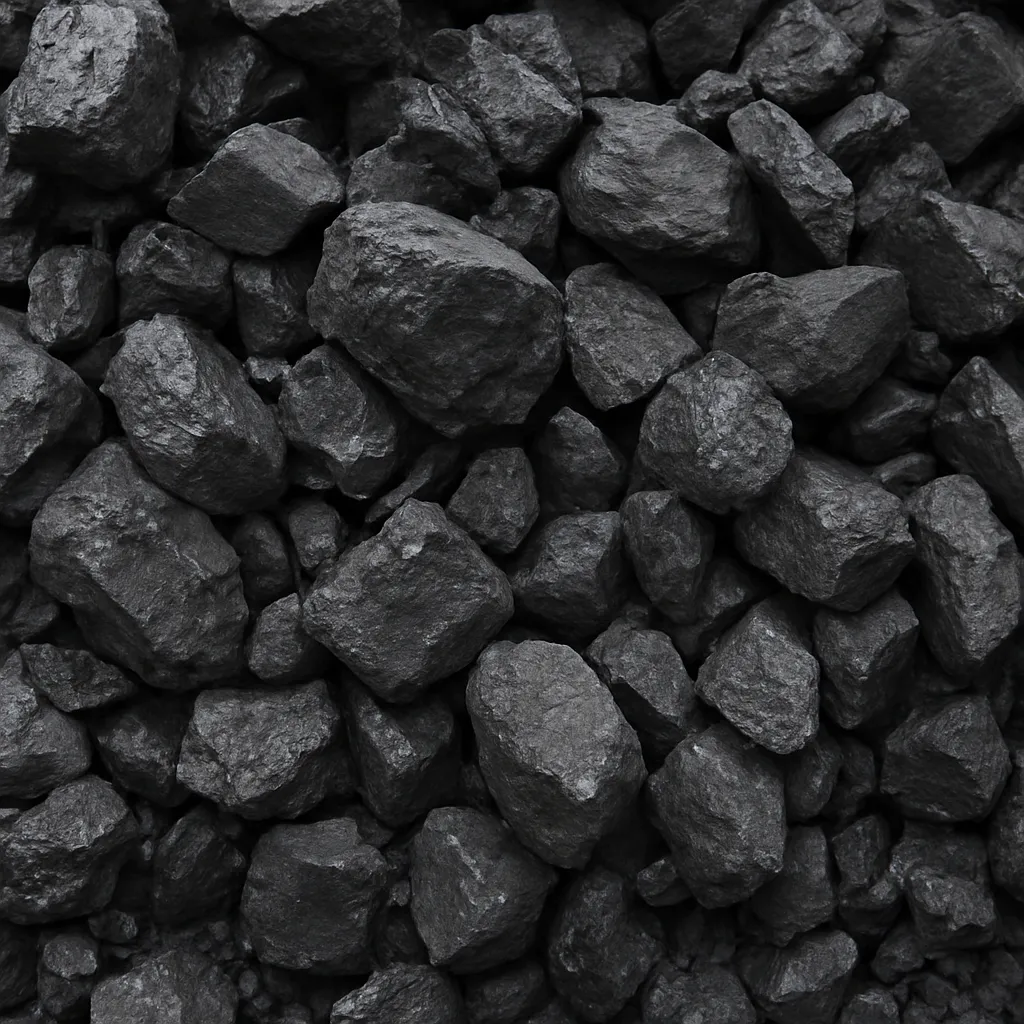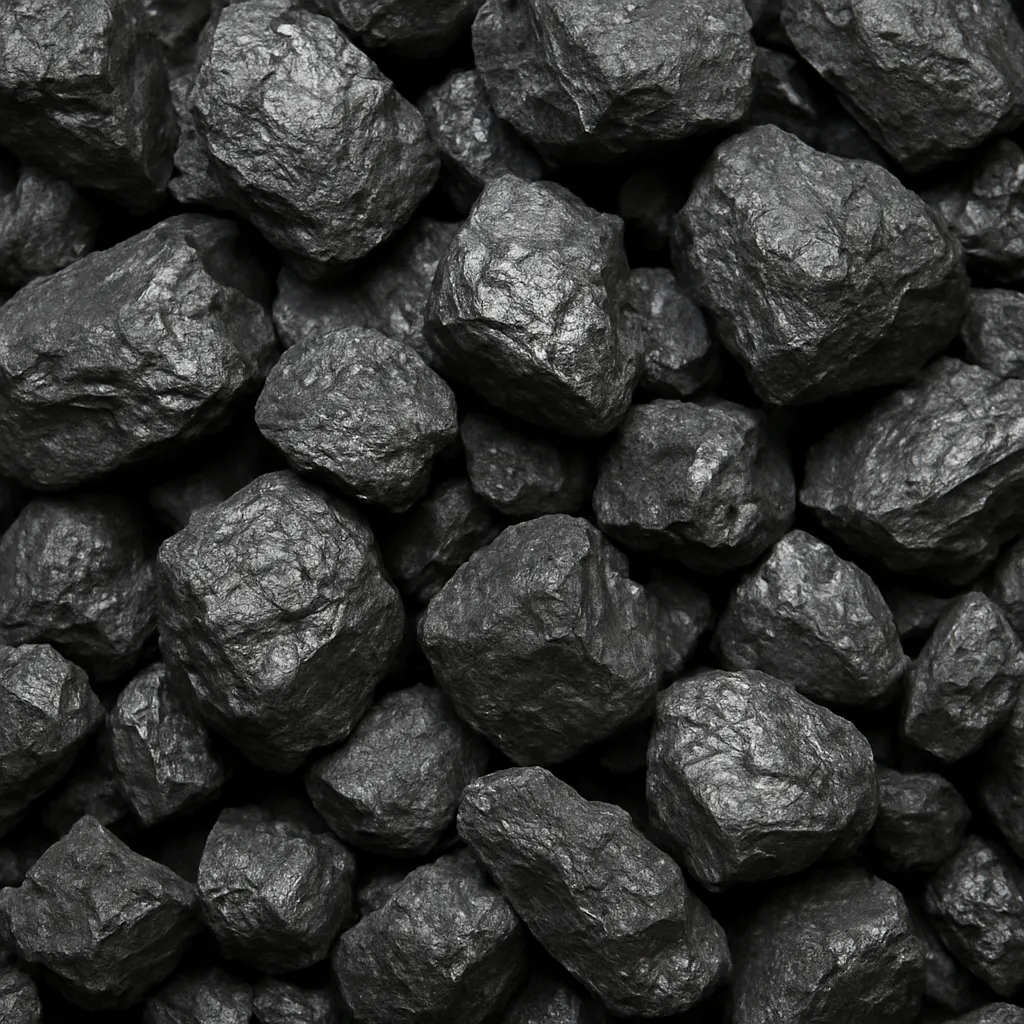
Low-phosphorus coal occupies a special niche within the global coal complex: it is a grade of coal with unusually low concentrations of phosphorus, prized by industries that demand high-purity feedstocks. This article examines where such coals occur, where they are mined, their economic and market significance, industrial uses, processing and quality control, environmental implications, and the likely trends shaping demand. Throughout the text, key technical and market terms are emphasized to guide readers toward the most important concepts.
Geology, characteristics and why phosphorus matters
Coal is a heterogeneous sedimentary rock, varying widely in composition depending on the original vegetation, depositional environment, and post-depositional geological history. Phosphorus in coal is typically present in organic matter, in mineral phases (notably apatite and phosphatic coatings), and associated with clays or marine-derived sediments. Low-phosphorus coal is defined not by a single universal numerical cutoff but by relative content: it generally contains phosphorus well below the average for coals used in similar applications. In steelmaking applications, for example, steels and cokes produced from coals with low phosphorus are preferred to limit phosphorus in the final metal.
Phosphorus affects coal use in several ways:
- Steelmaking and coking: High phosphorus in metallurgical coal can result in phosphorus transfer to coke and ultimately into hot metal, reducing steel quality and making downstream dephosphorization more difficult and costly.
- Combustion and ash behavior: Phosphorus-bearing minerals change ash fusion temperatures and can influence slagging and fouling tendencies in boilers and furnaces.
- Environmental impacts: Phosphorus in coal combustion residues can contribute to nutrient loading when ash is disposed of or reused in soils, potentially affecting wastewater or groundwater quality.
Typical analytical measures include total phosphorus content (often reported as percent P or ppm P) and the mineralogical forms determined by petrographic and mineralogical analyses. Low-phosphorus coals used for metallurgical purposes commonly have total phosphorus in the low hundreds of ppm or less, while higher-phosphorus coals may show values of several thousand ppm.
Where low-phosphorus coal is found and key mining regions
Low-phosphorus coal deposits are not confined to a single geological province; they occur wherever the original peat-forming environments and subsequent geological histories favored limited input of phosphatic sediments and minimal phosphorus incorporation into the organic component. Notable regions and basins that produce commercially significant low-phosphorus or low-impurity coals include:
- Australia: Several Australian basins, including parts of the Bowen and Surat basins in Queensland and the Hunter Valley region of New South Wales, produce high-quality metallurgical coals with relatively low phosphorus and low ash. Australia is a leading global exporter of coking coal, and specific mines supply low-phosphorus grades suitable for premium metallurgical applications.
- United States: Appalachian basins (e.g., parts of the Pittsburgh, Pocahontas, and Central Appalachian seams) historically yielded high-quality steam and metallurgical coals with low concentrations of certain impurities. The Powder River Basin (PRB) is better known for low-sulfur thermal coal but is not a major source of coking coal.
- Russia: Major metallurgical coal basins such as Kuznetsk (Kuzbass) produce a range of coals including low-impurity grades used domestically and exported to steelmakers in Europe and Asia.
- Canada: The Elk Valley and other British Columbia deposits are significant producers of metallurgical coal, with some seams exhibiting low phosphorus and favorable coke-making properties.
- China: China produces very large quantities of coal from many provinces; certain seams in Shanxi, Shaanxi and Inner Mongolia can yield low-phosphorus metallurgical grades, although Chinese coals are heterogeneous and many local coals have higher ash and mineral contents.
- South Africa and India: Both countries supply significant coal volumes; while much of the coal used domestically is for energy and may have variable phosphorus, select met-coking seams can be low in phosphorus and are targeted for metallurgical use.
Within each basin, phosphorus distribution can be highly variable over short distances and between seams. Mine-level quality control is therefore crucial to deliver a consistent low-phosphorus product.
Mining, beneficiation and quality control
Delivering low-phosphorus coal to industrial users involves both selective mining and beneficiation processes. Key measures include:
- Selective seam targeting and careful mine planning to isolate and mine the cleanest coal horizons.
- Washing and density separation to remove mineral matter that bears phosphorus (for example, removing phosphatic nodules or clay-rich bands).
- Advanced mineralogical assessment (XRD, SEM-EDS) to identify the host phases of phosphorus and design appropriate processing strategies.
- Coal blending—mixing low-phosphorus seams with other coals to meet specific specification windows for the customer.
Beneficiation can reduce phosphorus content if a significant portion of phosphorus is hosted in detachable mineral matter. However, when phosphorus is organically bound within macerals, physical separation has little effect, and alternative approaches—such as selecting different seams or blending—are required.
In coking operations, metallurgical coal quality requirements are stringent: parameters such as volatile matter, caking properties, ash composition and phosphorus must meet narrow specifications. Mines that can consistently supply low-phosphorus coal often capture premium pricing in seaborne markets.
Economic and market aspects
Low-phosphorus coal carries a price premium relative to thermal or higher-impurity coals because of its suitability for high-value industrial applications, particularly in steelmaking. Market dynamics are driven by:
- Steel production trends: Strong demand for steel—especially in construction, automotive and machinery sectors—supports demand for metallurgical coal. When blast furnace steelmaking dominates, demand for premium coking coals rises.
- Seaborne trade and regional supply balances: Australia, Canada, the United States and Russia are major players in the seaborne metallurgical coal market. Port infrastructure, shipping costs, and geopolitical factors influence who supplies which markets.
- Substitution and technology shifts: Increased use of pulverized coal injection (PCI) and other coal injection technologies in blast furnaces can relax some raw-material constraints, but PCI still benefits from low-impurity coals. The shift toward electric arc furnace (EAF) steelmaking and scrap-based steel reduces overall metallurgical coal demand in regions where EAF dominates.
- Environmental policy and decarbonization: Policies that restrict greenhouse gas emissions or encourage hydrogen-based steelmaking will shape long-term demand for metallurgical coal. In the medium term, however, high-quality low-phosphorus coal remains essential for many existing steel plants.
Pricing: Historically, seaborne hard coking coal prices have been volatile. Spot prices can swing widely based on supply disruptions (mine accidents, extreme weather, logistics constraints) and demand shifts. Mines producing consistently low-phosphorus, low-ash coals can command higher contract prices and secure long-term offtake agreements with steelmakers seeking consistent feedstock quality.
Statistical overview and trade flows
Providing precise, up-to-date statistics by phosphorus grade is challenging because most public datasets report coal volumes by grade classes (thermal, coking/metallurgical) rather than impurity-specific categories. However, useful context includes:
- Global coal production: In the early 2020s global coal production was on the order of several billion tonnes per year. China remains the largest producer and consumer by far (accounting for roughly half of global production), followed by India, the United States, Indonesia, Australia and Russia.
- Metallurgical coal volumes: Metallurgical coal (the subset used for coke and PCI) accounts for a minority of global coal production but a disproportionately large share of value. Seaborne metallurgical coal trade in recent years has been on the order of a few hundred million tonnes annually, with Australia supplying the largest share of exports.
- Export leaders: Australia is the dominant seaborne exporter of metallurgical coal, typically shipping well over 100 million tonnes annually of coking and semi-soft coking coal combined. Canada, the United States, Russia and several African suppliers contribute tens of millions of tonnes each to international markets.
Because low-phosphorus coal is a quality niche, tonnage specifically classified as low-phosphorus is small relative to bulk thermal coal volumes. Nevertheless, the economic importance is high: metallurgical coals represent a high-value segment of the market and are strategically important to steelmaking nations.
Importance in industry: steelmaking and beyond
The most important industrial application for low-phosphorus coal is in the production of coke for blast furnace steelmaking. Coke must provide mechanical strength, reactivity control and low impurity transfer to molten metal. Phosphorus is an unwanted alloying element in many steel products because even small amounts (a few hundred ppm) increase brittleness, reduce ductility and can adversely affect weldability.
Other industrial and environmental applications where low-phosphorus coal or low-phosphorus byproducts are preferred include:
- Manufacture of carbon products (graphite electrodes, specialty carbons) where ash and impurity control are critical.
- Certain chemical processes where coal-derived feedstocks are used and phosphorus impurities would poison catalysts.
- Uses where ash is recycled to soils or industrial processes and phosphorus loading must be controlled to meet regulatory thresholds.
As steel production technologies evolve—with increasing adoption of EAFs and potential long-term shifts to hydrogen-based direct reduction—demand patterns for metallurgical coal may alter. In the near to medium term, however, coking coal and low-phosphorus grades remain integral to existing blast furnace fleets, particularly in regions with limited scrap supplies.
Environmental and regulatory considerations
Phosphorus in coal and its combustion residues has environmental consequences that affect both regulation and public perception. Key considerations include:
- Water quality: Leaching from ash and tailings can release phosphorus into water bodies, potentially contributing to eutrophication if unmanaged.
- Soil reuse: Fly ash and bottom ash used in construction or land reclamation must meet quality standards; low-phosphorus ash is preferable when phosphorus mobility is a concern.
- Waste disposal and remediation: Coal mining wastes with elevated phosphorus may require specific management to prevent runoff and groundwater contamination.
- Regulatory reporting: Environmental permits and product specifications increasingly require detailed chemical characterization, including phosphorus, which increases the importance of mine-level sampling and transparency.
Mitigation strategies include advanced tailings management, lined storage facilities, ash beneficiation for safe reuse, and blending of residues to meet environmental thresholds.
Technological developments and research frontiers
Scientific and engineering research continues to improve understanding of phosphorus behavior in coal systems and to develop methods for controlling or removing phosphorus:
- Mineralogical mapping using micro-analytical techniques helps identify whether phosphorus is primarily mineral-hosted (amenable to physical separation) or organically bound (harder to reduce).
- Advanced coal washing technologies and sensors are enabling real-time quality control at preparation plants, improving the yield of low-phosphorus products.
- Chemical and thermal pre-treatments are being investigated to modify phosphorus speciation in challenging coals, although large-scale commercial deployment is still limited.
- In steelmaking, process-side solutions—improved dephosphorization in the blast furnace, basic oxygen furnace (BOF) and secondary refining—can mitigate some feedstock phosphorus, but these processes add cost and complexity relative to sourcing inherently low-phosphorus coal.
Market trends, supply risks and strategic importance
Several trends shape the medium-term outlook for low-phosphorus coal:
- Concentration of supply: As seaborne metallurgical coal trade remains concentrated among a few major exporters, regional disruptions (weather events, labor actions, transport bottlenecks) can quickly tighten availability for particular quality grades.
- Quality-focused contracting: Steelmakers increasingly favor long-term contracts tied to strict specifications, including phosphorus limits, to ensure process stability.
- Decarbonization pressures: Long-term demand for metallurgical coal faces uncertainty as steelmakers invest in low-CO2 technologies; however, transition timelines imply continued demand for high-quality coals in the coming decades.
- Recycling and substitution: Growth of EAF steelmaking and improved scrap collection reduces some dependence on metallurgical coal, but the intensity of these trends varies regionally based on scrap availability and product mix.
Geopolitically, the reliance of major steel producers on imported low-phosphorus coal can be a strategic vulnerability. Nations with domestic low-phosphorus resources may pursue policies to secure supply for key industries, while importers diversify supplier bases and build strategic stocks.
Practical considerations for buyers and producers
For buyers (steelmakers, carbon manufacturers) and producers, managing the value chain of low-phosphorus coal involves:
- Detailed specifications that include total phosphorus, phosphorus speciation, ash composition (including Ca, Na, K, Si, Al), volatility and caking indices.
- Robust sampling and QA/QC protocols to ensure delivered product matches contracted quality.
- Flexible logistics and blending strategies to handle variability and maintain a steady feedstock profile.
- Investment in beneficiation and mine planning to enhance yield of low-phosphorus product while minimizing environmental footprint and cost.
Producers able to reliably supply low-phosphorus coal benefit from stronger negotiation positions, long-term contracts, and access to high-margin markets.
Concluding perspectives and future directions
Low-phosphorus coal occupies a small but economically vital niche within the broader coal industry. Its greatest value derives from enabling high-quality steel production and other industrial processes where impurity control is paramount. While global energy transition pressures and steelmaking technological shifts pose long-term uncertainties, the near- and medium-term importance of low-phosphorus coals remains significant due to the existing capital stock of blast furnaces and the slow pace of full-scale replacement technologies.
Key takeaways:
- Low-phosphorus coals are geographically widespread but locally variable; producers in Australia, North America, Russia and Canada are important suppliers to the seaborne market.
- Quality management—through selective mining, beneficiation and blending—is essential to deliver reliable low-phosphorus products.
- The economic premium for low-phosphorus coal reflects its role in steelmaking and other high-value industries; market dynamics are influenced by supply concentration, infrastructure, and technological change.
- Environmental management of phosphorus in coal wastes and ashes is a growing concern and informs regulatory and reuse strategies.
In the coming decade, the market for low-phosphorus coal will be shaped both by immediate industrial demand for high-quality feedstocks and by longer-term shifts toward lower-carbon steelmaking pathways. Stakeholders who can manage quality, ensure secure logistics, and adapt to regulatory pressures will be best positioned to capture value from this specialized coal category.