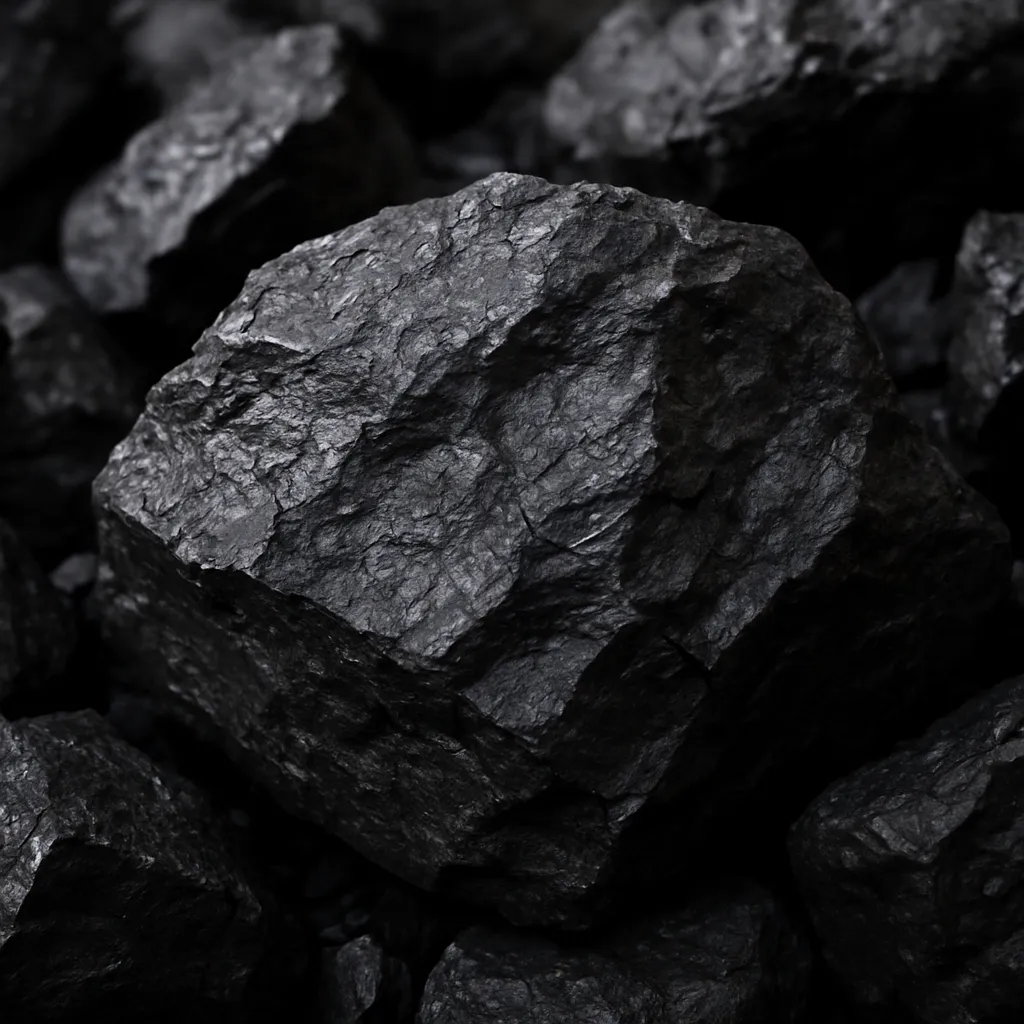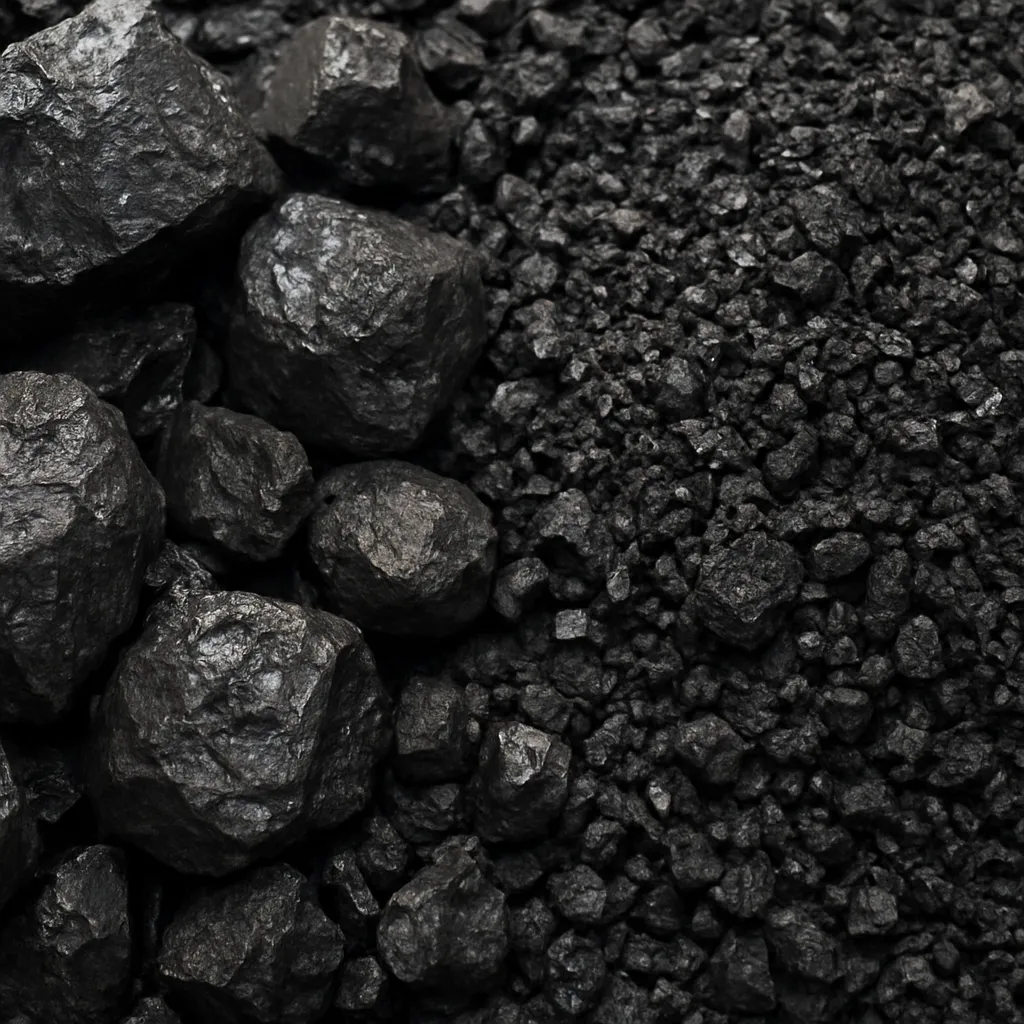
This article examines DRI-grade coal — the coal types specifically used in the production of Direct Reduced Iron (DRI), commonly known as sponge iron. It explores the coal’s technical characteristics, where it occurs and is mined, its role and value in the steel and metallurgical sectors, economic and statistical perspectives, environmental implications, and future trends. The goal is to provide a comprehensive overview for readers interested in energy, mining, metal production, and commodity markets.
Characteristics and specifications of DRI-grade coal
DRI processes convert iron ore into solid metallic iron using a reducing gas derived either from natural gas (gas-based DRI) or from coal (coal-based DRI). Coal used for coal-based DRI must meet a specific set of properties to produce an efficient reducing atmosphere and to ensure operational stability in kilns and reactors. In simple terms, DRI-grade coal is a type of non-coking coal optimized for gas-producing, not for metallurgical coke making.
Key quality parameters
- Calorific value: A high and consistent calorific value is important because the coal must generate sufficient heat and reducing gases when partially combusted or gasified. Typical values for DRI-grade coal range broadly — commonly in the order of 5,000–7,000 kcal/kg (ar) depending on region and technology.
- Ash content: Lower ash is preferred because ash contributes to slag formation, reduces thermal efficiency, and can complicate kiln operations. Typical acceptable ash levels vary by process but often lie in the range of 10–25% (ad).
- Sulfur: Low sulfur (<1% and commonly <0.5% desirable) is important to avoid embrittlement of sponge iron and to meet downstream steelmaking quality requirements.
- Volatile matter and reactivity: Volatile matter influences how readily the coal generates gaseous species (CO and H2) necessary for iron reduction. Moderate volatile matter (often 20–35%) supports predictable gas output. Reactivity — how the coal thermally decomposes and gasifies — is a key variable.
- Moisture and size distribution: Low inherent moisture (typically <10%) and controlled particle size influence kiln feeding, combustion behavior, and gas flow.
Different DRI technologies (rotary kilns, vertical shaft kilns, fluidized beds, and newer gasifier-based systems) can accept somewhat different coal specifications. Producers and consumers negotiate coal blends or wash and beneficiate coals to bring properties into specification.
Geological occurrence and major producing regions
Coal with DRI-applicable qualities occurs in many of the world’s major coal basins. The mineralogical and coal rank differences control how suitable a particular coal seam will be for DRI fuel. While premium coking coals (used to make metallurgical coke for blast furnaces) are separate, DRI-grade coal can come from bituminous to sub-bituminous ranks depending on processing and beneficiation.
Major coal basins and producing regions
- India: Extensive Gondwana basins (Jharia, Raniganj, Bokaro, Talcher, Singrauli and others) supply much of the coal used for domestic coal-based DRI production. India is distinctive because a large share of global coal-based DRI is produced there due to limited natural gas availability and a significant number of sponge-iron plants.
- Australia: Numerous basins in Queensland (Bowen, Surat, Galilee) and New South Wales produce a range of coals. Australia is a major exporter of both metallurgical and thermal coals and supplies high-quality coals to Asia.
- Russia: Kuzbass (Kemerovo) and other basins produce large volumes of bituminous coal; Russian coals are used domestically and exported to meet DRI and other metallurgical needs.
- South Africa: Highveld and Witbank basins produce bituminous coals used domestically and exported.
- Indonesia and Colombia: Major thermal coal exporters whose coals, after washing and blending, sometimes serve in DRI applications depending on specifications.
- United States and Canada: Appalachia and Powder River regions produce large thermal coal volumes; certain coals from the US are shipped globally and occasionally used where specifications match.
- Kazakhstan and Central Asia: Producing coal used by nearby steel producers and DRI operations in some cases.
Coal supply for DRI is therefore global but also strongly regional: India sources much of its DRI-grade coal domestically while importing higher quality or lower-ash coals in times of shortage or to meet stricter specifications. Exporting nations adjust production and washing capacity to meet metallurgical and DRI demands.
Mining, beneficiation and logistics
Turning a seam of coal into DRI-grade feedstock is a chain of activities: mining, processing (washing, crushing, drying), blending and logistics. Each step affects cost, quality and environmental footprint.
Mining methods and beneficiation
- Open-pit and underground mining are both employed depending on geology. The preference is always for stable supply and consistent quality.
- Washing plants remove rock and reduce ash content; float-sink and dense-medium separation are common. Beneficiated coal may command a premium when it meets DRI parameters.
- Size reduction, screening and drying are used to achieve feeding and reactivity targets for specific DRI furnace types.
Logistics and trade flows
Coal for DRI is transported by rail, truck and shipping. International trade links major exporting basins (Australia, Russia, Colombia, South Africa, Indonesia) with importing industrial regions (India, Middle East, East Asia, Europe). Seaborne freight rates, port handling capacity and customs/regulatory regimes materially affect delivered coal prices and therefore the economics of DRI plants.
Economic significance and role in the steel industry
DRI-grade coal is central where coal-based DRI is the preferred route for producing sponge iron — a crucial metallic input for steel production, especially in electric-arc-furnace (EAF) steelmaking and mini-mill operations. The economics of sponge iron production depend heavily on coal price, quality, and the cost to convert coal into reducing gas.
DRI in steelmaking value chains
- Sponge iron produced via coal-based DRI is used as a feedstock in EAFs and induction furnaces. It provides a predictable iron content and helps reduce reliance on scrap or blast-furnace pig iron.
- In regions lacking abundant and cheap scrap or natural gas, coal-based sponge iron is a cost-effective route to steelmaking capacity. This has made the DRI route particularly attractive for countries with domestic coal resources, a thriving mini-mill sector, and growing steel demand.
Market sizes and trends (estimates)
Global DRI production has expanded in the 21st century driven by steel demand and investments in EAF capacity. Estimates suggest that global DRI output is in the order of tens of millions of tonnes annually, with growth concentrated in India, the Middle East (gas-based projects), and increasingly in countries seeking lower-carbon steel solutions. India is widely recognized as the largest producer of coal-based DRI and accounts for a substantial share (often cited at roughly half) of global sponge iron output; Indian sponge iron production in recent years has typically been measured in the multiple tens of millions of tonnes per annum. These figures fluctuate with commodity cycles, policy changes, and energy prices.
Coal commodity prices, coking coal and thermal coal spot markets, and freight rates directly influence the competitiveness of coal-based DRI. When natural gas prices rise, coal-based DRI becomes relatively more attractive; conversely, low-cost natural gas favors gas-based DRI in places like the Middle East, the U.S. and parts of Europe.
Statistical overview and price dynamics
Quantitative data for DRI and DRI-grade coal can be summarized through several indicators: production volumes of sponge iron, volumes of coal suitable for DRI that are mined and traded, prices for relevant coal grades, and steel production flows that utilize sponge iron.
- Sponge iron production: India has historically produced roughly 30–50 million tonnes per year of sponge iron depending on year and source; other major DRI producers include Iran, Saudi Arabia, Mexico and some countries in Southeast Asia and Africa where gas- or coal-based DRI plants exist.
- Coal pricing: Delivered prices for DRI-grade coal depend on washing, transport and sulfur/ash adjustments; seaborne metallurgical coal and washed bituminous coals have experienced significant volatility in past cycles, with prices spiking during constrained supply periods and moderating when shipping capacity and inventories expanded.
- Trade flows: Major exporters (Australia, Russia, Indonesia, Colombia, South Africa) typically dominate seaborne shipments, while India and East Asia are major importers when domestic supply is inadequate or quality demands are higher.
Because market numbers change quickly, industry stakeholders track freight indices, benchmark coal price assessments, and governmental production statistics to model DRI costs and margins. Typical cost drivers include coal feedstock cost (often the largest single input for coal-based DRI), energy and power costs, iron ore pricing, logistics and plant utilization rates.
Environmental and regulatory considerations
Coal-based DRI presents specific environmental challenges compared with gas-based DRI and with some scrap–EAF routes. The main concerns are greenhouse gas emissions, particulate and other air pollutants, and land and water impacts from coal mining and ash management.
Emissions and decarbonization
Coal-based DRI tends to emit more CO2 per tonne of iron than gas-based DRI due to the carbon content of the coal and the need to produce reducing gases from the coal itself. In jurisdictions pursuing steel decarbonization, this has prompted efforts to:
- Improve thermal efficiency and reactor design to reduce fuel consumption.
- Integrate carbon capture and storage (CCS) with coal-based DRI plants to capture CO2 from the reducing gas and combustion streams.
- Explore hydrogen-enriched reduction or partial substitution of coal-derived gases with low-carbon hydrogen (coal–to–H2 scenarios are technically possible but require substantial retrofits and low-cost hydrogen availability).
- Use higher-quality, lower-ash coals to reduce energy losses and specific emissions per tonne of sponge iron.
Local environmental impacts
Mining and beneficiation create land disturbance, water use and tailings that require management. Air quality control around DRI plants addresses dust, SOx and NOx emissions. Regulatory pressures, community expectations and corporate sustainability programs increasingly influence investment decisions in mining and in coal-based DRI capacity.
Technological innovations and future outlook
Several technological and market trends are shaping the future of DRI-grade coal use and the broader DRI sector:
- Process efficiency: Advances in kiln/furnace design and gas management can reduce coal consumption per tonne of sponge iron and improve economics.
- Hybrid routes: Facilities combining coal gasification with hydrogen blending or with CCS may extend the life of coal-based DRI under stricter emissions regimes.
- Fuel switching: In regions with abundant low-cost natural gas or low-carbon hydrogen, gas-based DRI is attractive for lower CO2 intensity; however, in coal-rich regions the coal-based route will remain competitive unless policy or carbon costs change substantially.
- Raw material flexibility: Some DRI technologies are being adapted to accept variable coal blends or to operate with increased use of beneficiated low-ash coals.
- Digitalization: Improved process controls, predictive maintenance and data-driven optimization lower operational costs and improve yield consistency — valuable for plants that rely on graded coal inputs.
Socio-economic impacts and policy considerations
Coal-based DRI plants are significant employers and economic drivers in producing regions because they integrate mining, transport, processing and steelmaking. Policies that affect coal mining royalties, environmental compliance costs, carbon pricing and trade barriers influence investment decisions in DRI capacity. In many developing economies, the ability to convert local coal to sponge iron provides a pathway to build domestic steel capacity without reliance on costly imported pig iron or scrap.
At the same time, governments and companies face trade-offs between short-term economic benefits of coal-based DRI and long-term decarbonization goals. Policies that encourage low-emission steel (green steel standards, carbon border adjustments, incentives for CCS or hydrogen) will determine the pace at which coal-based DRI is retrofitted or replaced with lower-carbon alternatives.
Interesting technical and market facts
- DRI (Direct Reduced Iron) is often called sponge iron because of its porous texture after reduction — a property that improves melting behavior in electric furnaces.
- Coal-based DRI systems produce CO and H2 by partial combustion and gasification of coal rather than by reforming natural gas; the resulting syngas composition is a key performance variable.
- Because of its simplicity and lower capital intensity compared with full integrated blast-furnace complexes, coal-based DRI and the mini-mills that use sponge iron have been engines of industrialization in regions with limited capital or scrap availability.
- Coal washing and beneficiation to meet DRI specifications create additional value streams for mining companies through improved prices for higher-quality coal.
- In periods of high natural gas prices, coal-based DRI plants can gain a competitive edge; conversely, cheap gas or cheap low-carbon electricity (for hydrogen production) will incentivize gas- or hydrogen-based routes.
Conclusions and outlook
DRI-grade coal is a distinct commodity niche in the coal market, crafted to meet the needs of coal-based DRI and sponge-iron production. Its importance is shaped by geology, regional energy endowments, steelmaking technology choices and environmental policy. India stands out as the largest coal-based sponge iron producer and thus a critical consumer of DRI-grade coals, while global trade and supply come from major coal basins across Australia, Russia, Indonesia, Colombia and South Africa among others.
The medium-term future for coal-based DRI depends on multiple dynamic factors: commodity and freight prices, the comparative economics of gas- and hydrogen-based DRI, regulatory pressures on CO2 emissions, and the pace of technological innovation (including CCS and hydrogen integration). In coal-rich regions with limited access to low-cost low-carbon alternatives, DRI-grade coal will remain strategically important for steel production. However, the long-term sustainability of this route will increasingly hinge on decarbonization strategies and investments that reduce the carbon intensity of coal-derived reducing gases.
Key takeaways
- DRI-grade coal is optimized for gasification to produce reducing gases rather than for producing metallurgical coke.
- Typical desirable properties include high calorific value, low ash and sulfur, controlled volatile matter, and low moisture.
- India is a major consumer and producer of coal-based DRI; global supply is concentrated in major coal-exporting basins.
- Economic competitiveness of coal-based DRI is strongly influenced by coal and gas prices, logistics costs and environmental regulations.
- Decarbonization pressures are driving investments in process efficiency, CCS and hybrid hydrogen approaches that will determine the long-term role of coal in DRI.