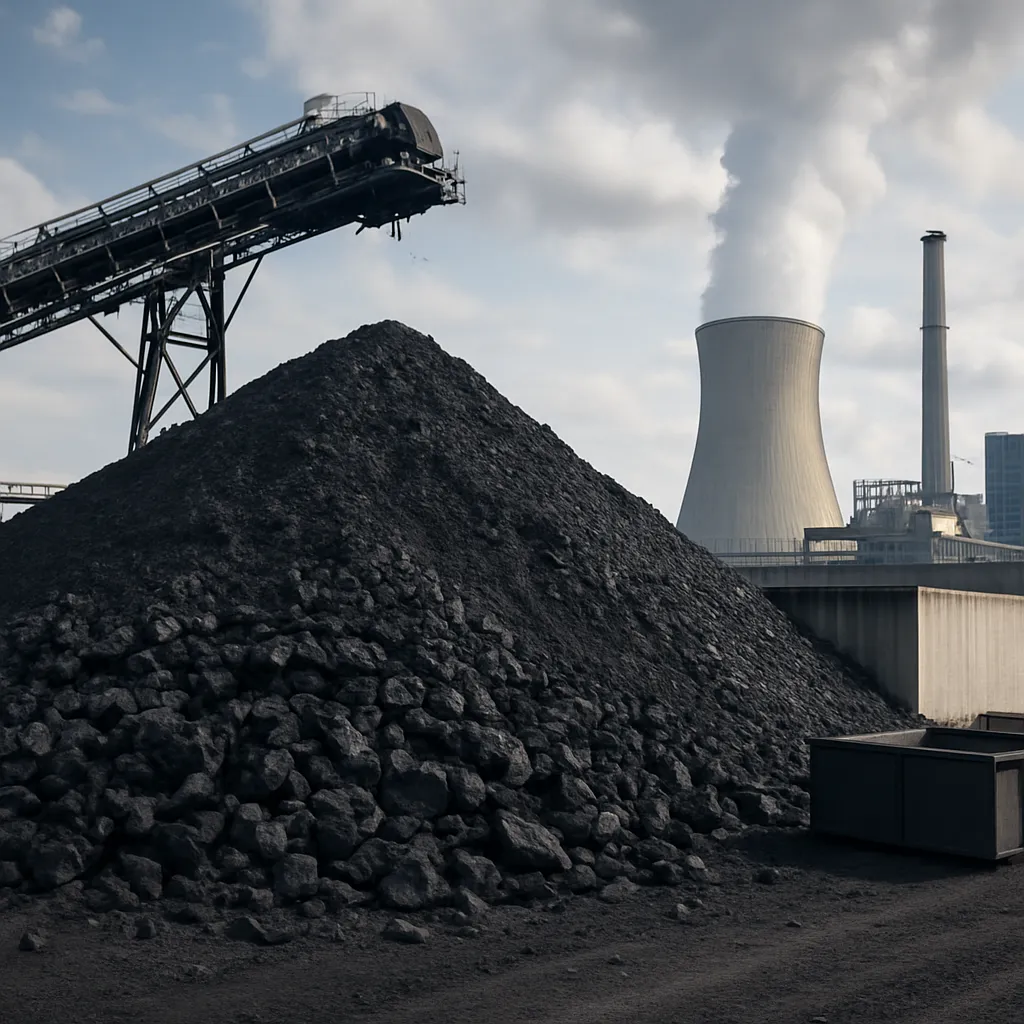
Coal’s role in the global energy landscape is undergoing a transformation. While the resource faces mounting criticism for its environmental footprint, it also offers unique opportunities in emerging energy storage strategies. This article explores how coal and its associated markets might adapt to a world seeking both reliable power and cleaner solutions.
Historical Significance and Modern-Day Context
From the dawn of the industrial revolution to the proliferation of centralized power plants in the 20th century, coal has powered factories, heated homes, and driven locomotives. Its abundance and low cost made it a staple of national energy portfolios. However, recent decades have seen rising pressure to reduce greenhouse gas emissions, spurring debates over coal’s future.
Legacy Infrastructure and Existing Assets
Many power utilities and mining corporations continue to rely on legacy coal-fired installations. These assets represent significant sunk costs and lend themselves to creative approaches for modernization. Rather than decommissioning plants outright, operators are investigating retrofit solutions.
- Conversion to high-efficiency boilers or integrated gasification combined cycle (IGCC) systems
- Combined heat and power (CHP) integration for industrial clients
- Co-firing biomass or hydrogen blends to reduce net emissions
Environmental Pressures and Regulatory Forces
Legislative frameworks around the world impose stricter emission limits on sulfur dioxide, nitrogen oxides, and particulates. Carbon pricing mechanisms and renewable portfolio standards further challenge the economics of conventional coal plants. Yet, some regions with abundant reserves and limited alternatives continue to lean on coal, presenting a complex patchwork of demand drivers.
Innovations in Coal-Based Energy Storage
Beyond combustion, emerging technologies are reshaping how coal can contribute to energy storage and grid flexibility. By leveraging byproducts and rethinking process flows, stakeholders aim to unlock new value streams.
Pumped Thermal Energy Storage with Coal Refuse
Utilizing discarded coal refuse (culm) as a thermal medium in closed-loop systems presents a dual benefit: waste remediation and large-capacity energy storage. Heated by excess renewable power during off-peak hours, the material retains heat that can later drive steam turbines when demand peaks.
- High heat capacity of pulverized coal rejects
- Lower capital cost than molten salt alternatives
- Removes environmental hazards from old waste piles
Carbon Capture Utilization and Storage (CCUS) Synergies
Advanced CCUS systems capture CO2 from coal plants and inject it into geological formations, offering long-term sequestration. Coupled with enhanced oil recovery (EOR), these projects can generate revenue while improving plant capacity factors. Some designs even propose using intermittent renewable power to drive direct air capture units on-site, effectively turning coal facilities into net-negative emission hubs.
Key benefits include:
- Revenue from EOR and carbon credits
- Enhanced public perception through decarbonization efforts
- Potential to integrate with hydrogen production for seasonal storage
Coal Stock and Investment Dynamics
Investors eyeing coal equities and commodities face a volatile landscape. Policy shifts, environmental lawsuits, and competing energy forms drive stock price fluctuations. Understanding market fundamentals and geopolitical contexts is critical for any portfolio allocation.
Market Drivers and Price Volatility
Key variables influencing thermal coal prices include supply disruptions (e.g., mine closures, labor disputes), seasonal weather patterns affecting heating demand, and export tariffs. On the financial front, credit rating agencies may downgrade utilities with heavy coal exposure, raising borrowing costs.
- Risk of stranded assets in decarbonizing economies
- Impact of rising carbon taxes on operating margins
- Countercyclical demand in emerging markets with limited alternatives
Strategies for Portfolio Diversification
Some institutional investors adopt a balanced approach by combining traditional coal stocks with funds focused on renewable energy. Others favor direct commodity trades via futures and options to hedge against broader equity risk. Hedge funds may employ arbitrage between thermal and metallurgical coal grades, capitalizing on regional price spreads.
Notable tactics include:
- Using coal derivatives to offset power generation exposures
- Allocating to firms with robust CCUS and technology innovation pipelines
- Monitoring regulatory developments for early signals of policy reversals
Environmental and Social Considerations
Addressing the environmental footprint of coal remains a critical challenge. Communities near mining operations often grapple with air quality concerns, land subsidence, and water pollution. Progressive companies invest in land reclamation, water treatment, and community engagement to foster a social license to operate.
Reclamation and Biodiversity Restoration
Effective mine closure plans restore landscapes through revegetation, wetlands creation, and habitat enhancement. Success stories demonstrate how former coal sites can become wildlife corridors or agricultural land.
Community and Worker Health Programs
Corporate initiatives fund local clinics, air-monitoring stations, and retraining programs for displaced miners. These efforts align with broader ESG mandates and improve the long-term sustainability of both energy systems and regional economies.
Future Pathways and Outlook
While the global trend tilts toward cleaner fuels, coal’s legacy infrastructure and innovative storage applications may carve out a niche in future energy systems. By embracing grid stabilization roles, supporting volatility mitigation, and integrating CCUS, coal-based assets can pivot toward a less carbon-intensive profile.
- Hybrid coal-renewable microgrids for remote areas
- Symbiotic industrial parks combining power, heat, and chemical production
- Next-generation sensors and AI for emissions monitoring
Ultimately, success hinges on the industry’s willingness to adapt, invest in R&D, and collaborate with policymakers. For investors and operators alike, the evolving coal landscape offers both challenges and uncharted opportunities in the quest for reliable, cost-effective, and progressively cleaner energy solutions.