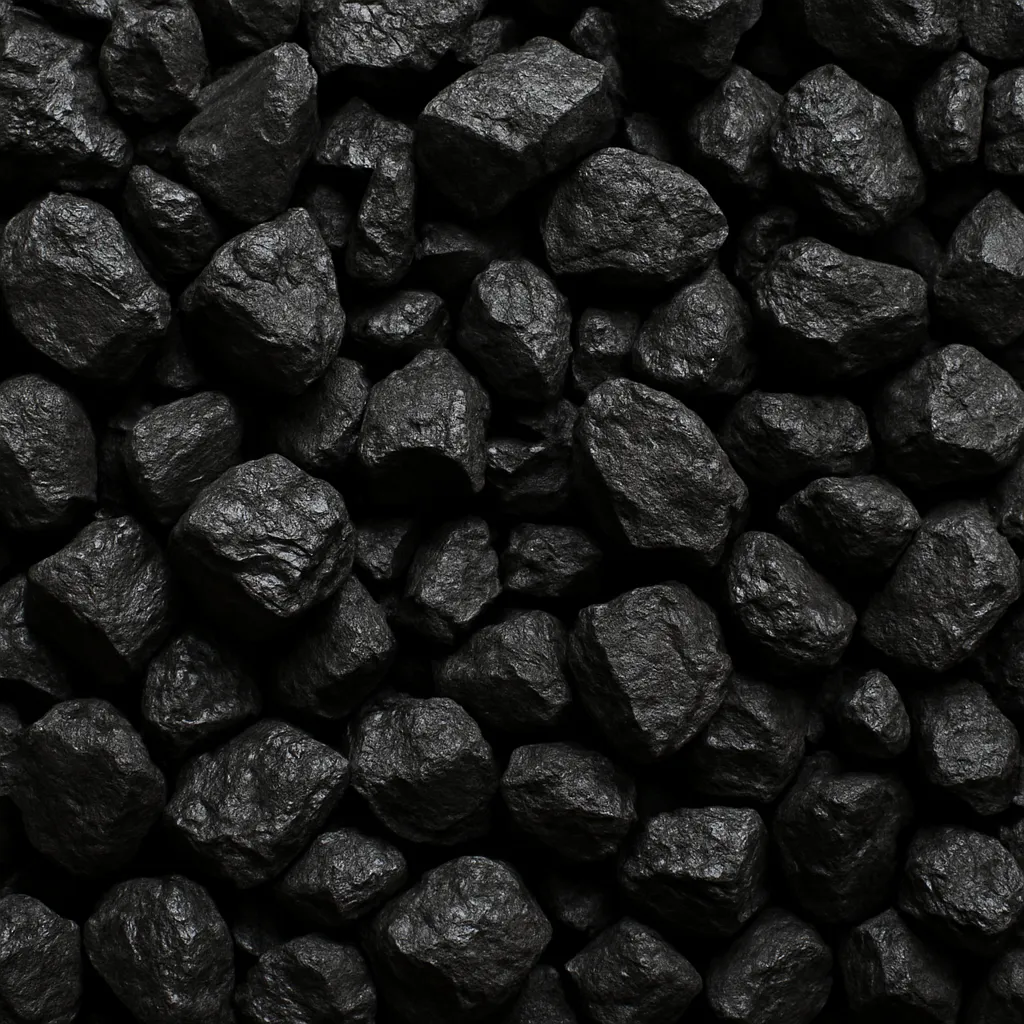
Nut coal
Nut coal is a widely recognized commercial grade of coal, principally defined by its particle size and practical applications rather than by a single chemical composition. It occupies a middle…

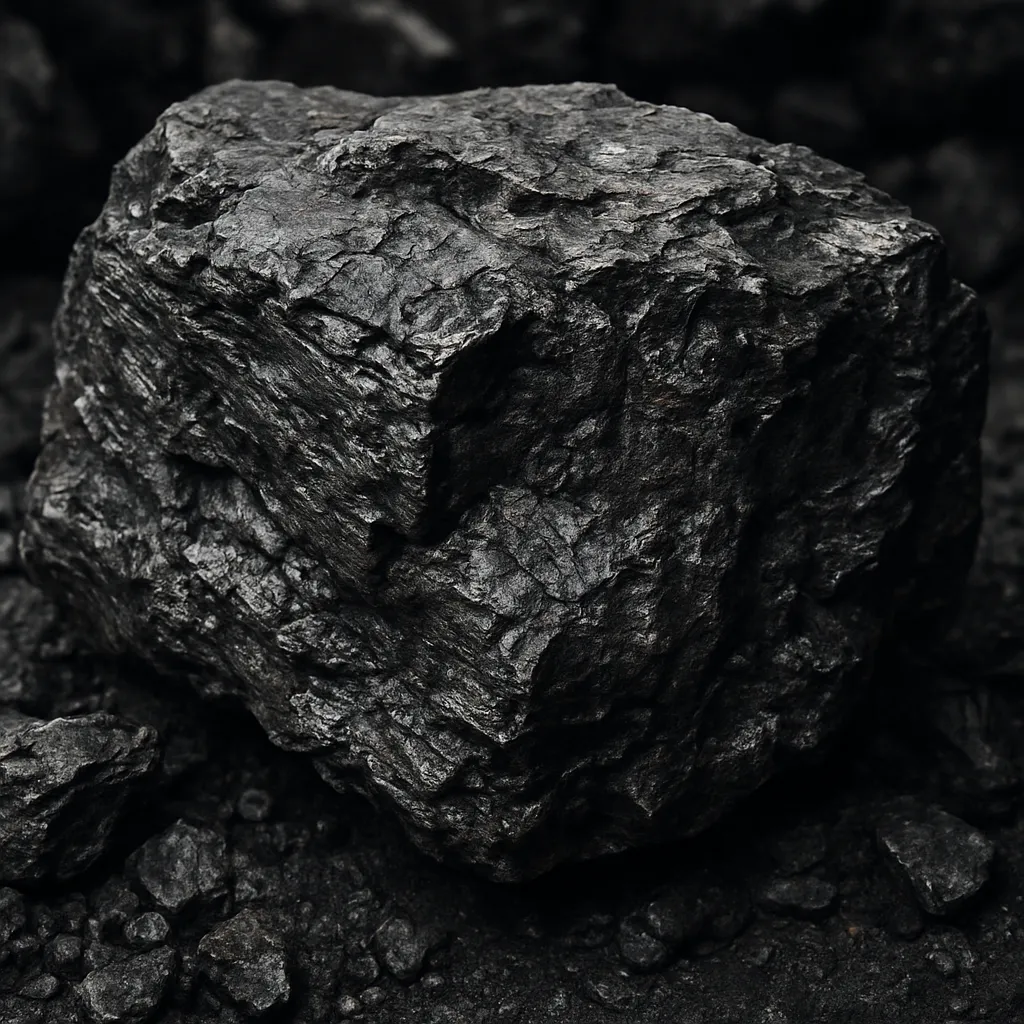
Coal with high inertinite content
Coal characterized by a high content of inertinite macerals represents a distinct and economically important subset of the world’s coals. These coals carry a record of past environmental conditions, pose…

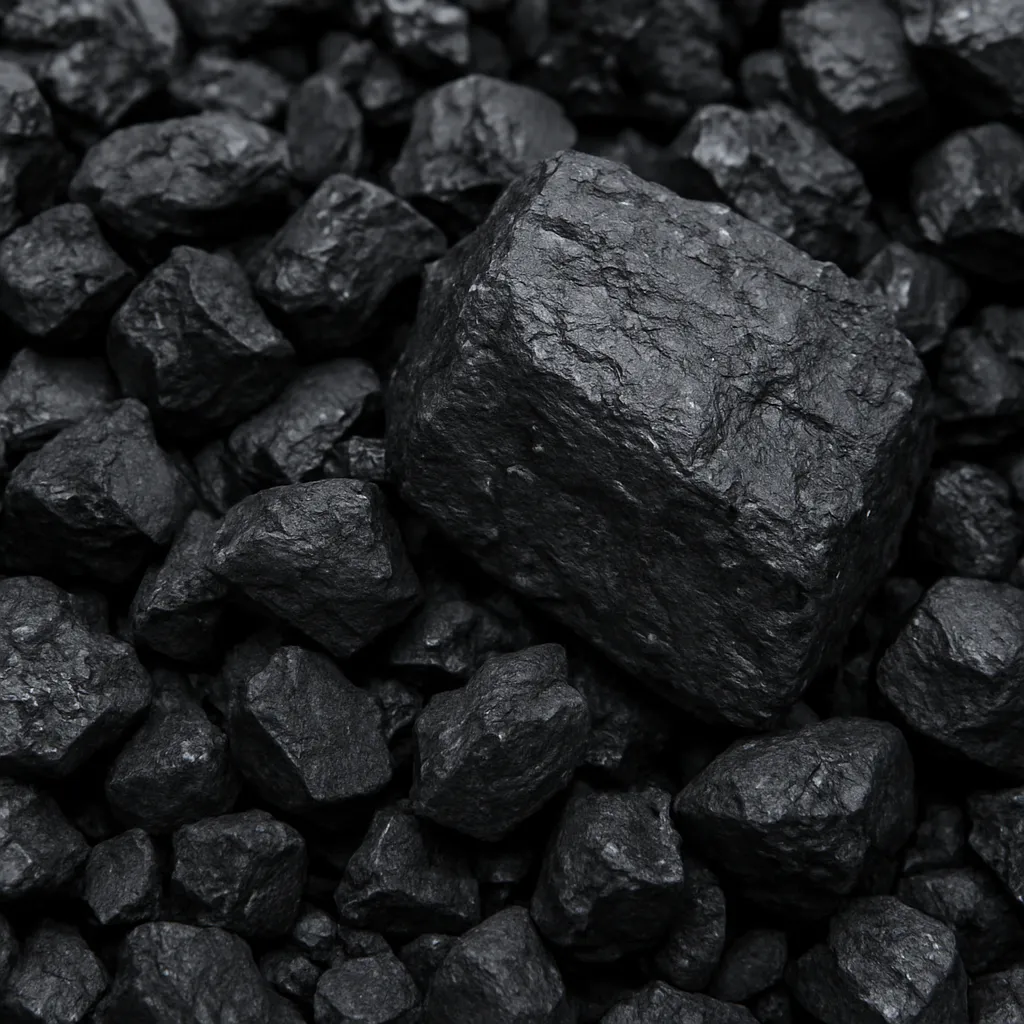
Non-swelling coal
This article examines the properties, distribution, economic importance and industrial uses of non-swelling coal — a category of coal defined by its limited tendency to cake or expand when heated.…

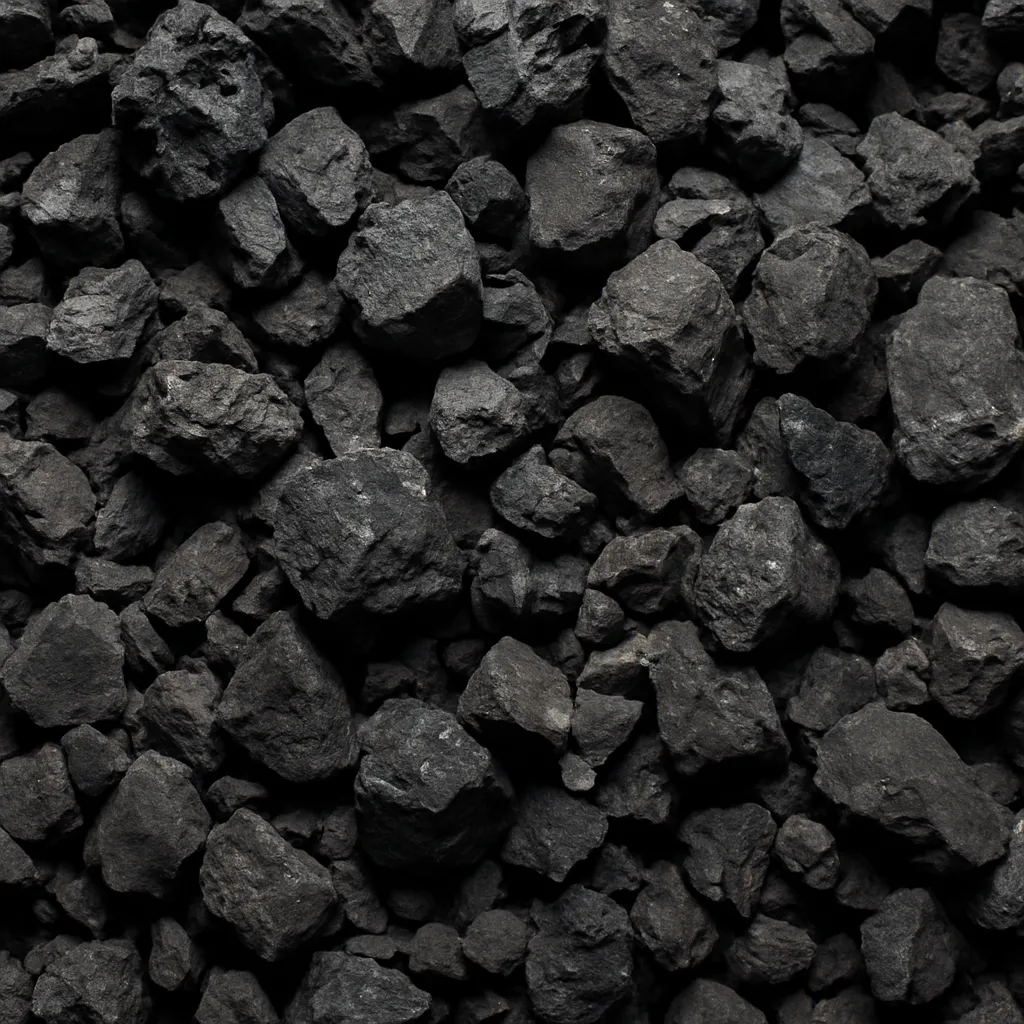
Coal rejects
The phrase coal rejects refers to the material separated from mined coal during preparation and washing processes — the fraction considered unsuitable for direct sale or conventional combustion because of…

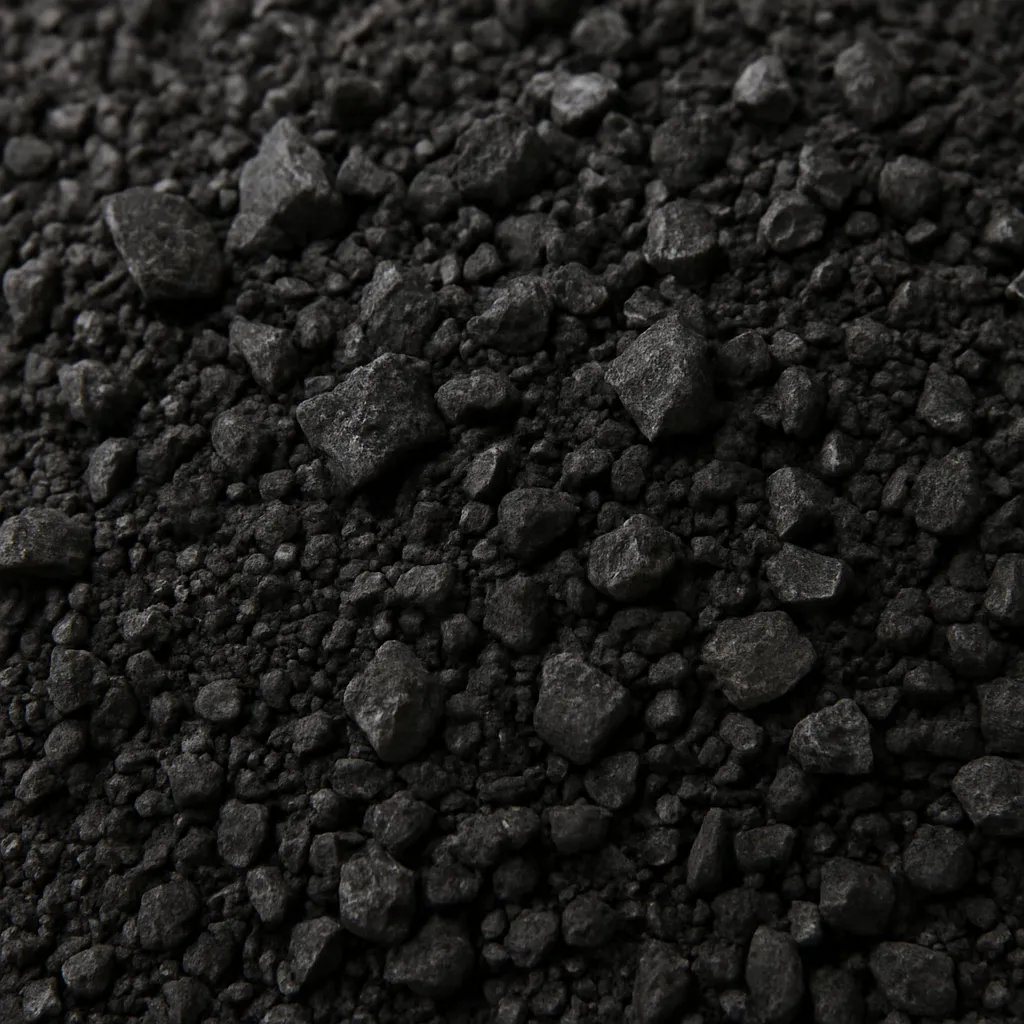
Pulverized thermal coal
Pulverized thermal coal plays a central role in electricity generation and industrial heat processes worldwide. Frequently ground to a fine powder and burned in large boilers, this form of coal…

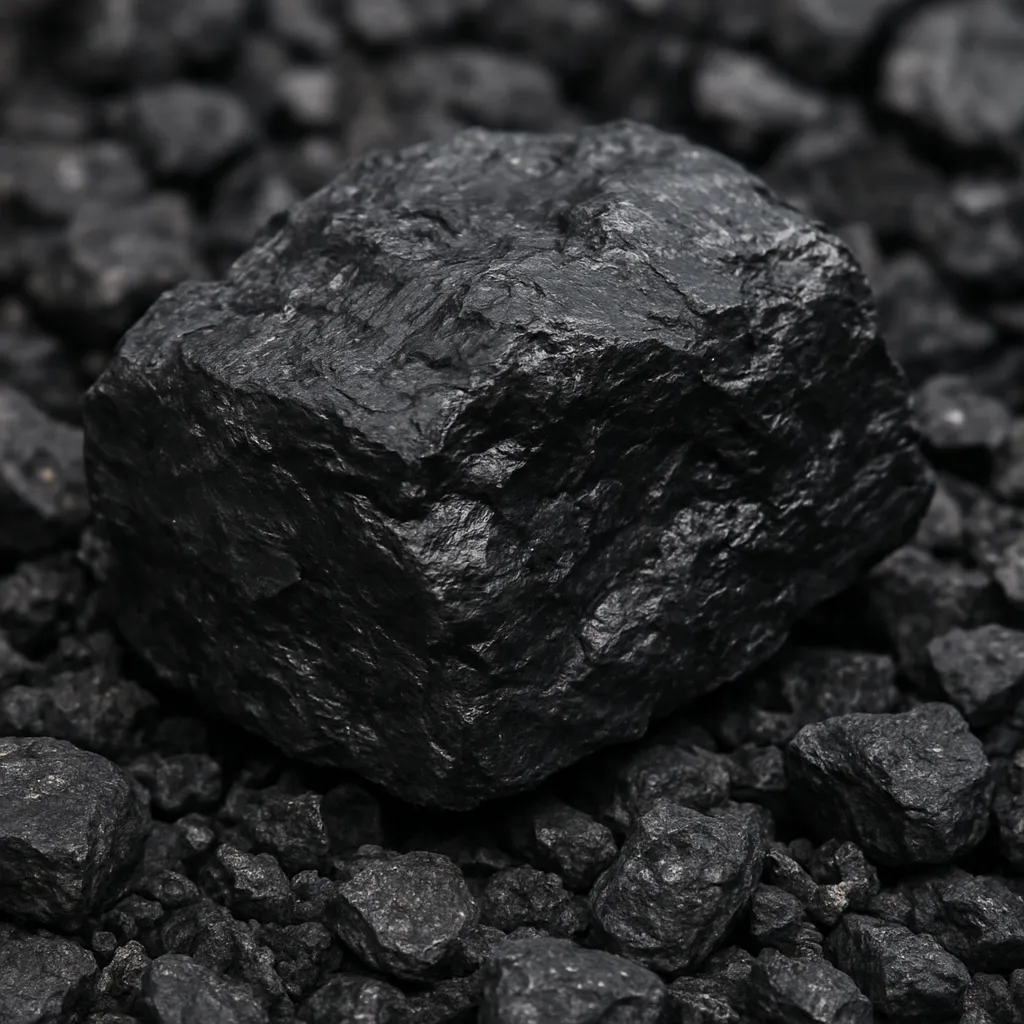
Low-mercury coal
This article examines the topic of low-mercury coal from geological occurrence to mining regions, market dynamics, industrial uses and environmental implications. Low-mercury coal has become an important commodity as regulators,…

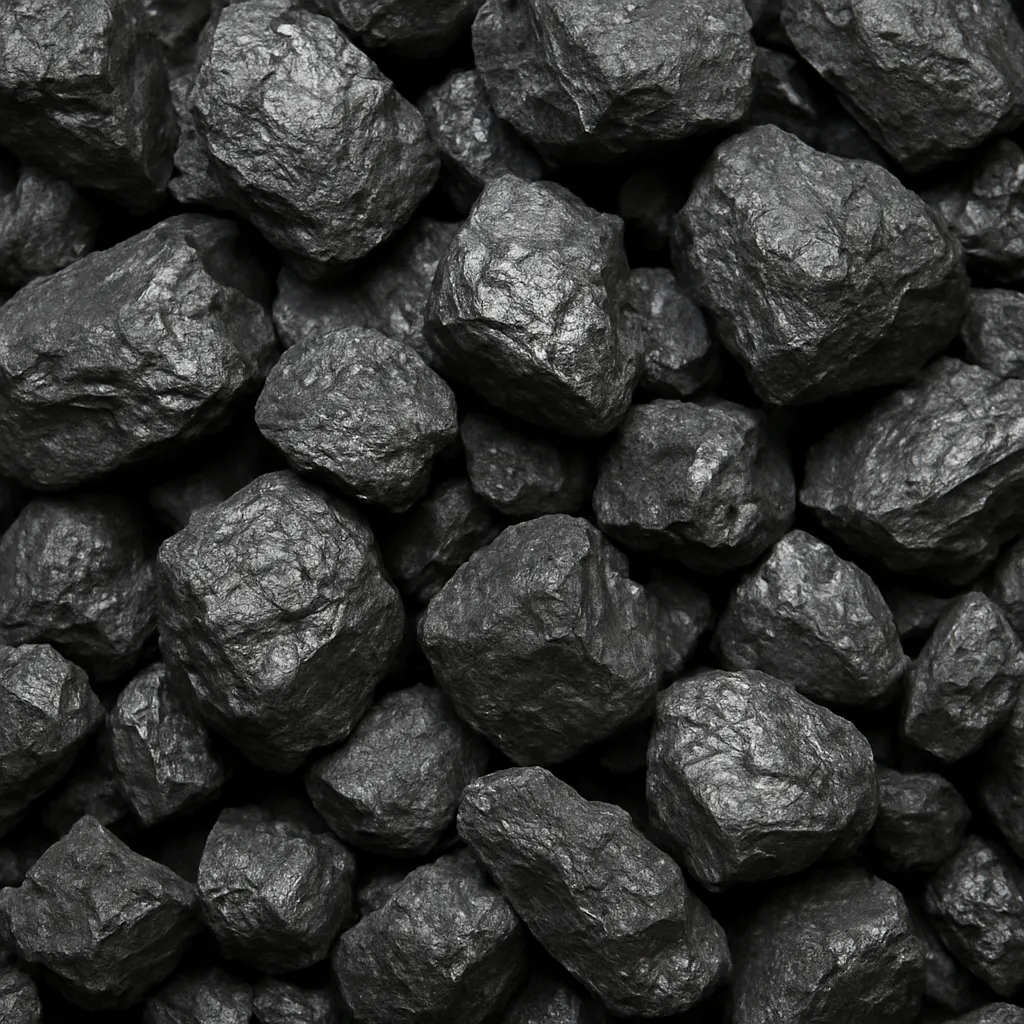
Low-phosphorus coal
Low-phosphorus coal occupies a special niche within the global coal complex: it is a grade of coal with unusually low concentrations of phosphorus, prized by industries that demand high-purity feedstocks.…

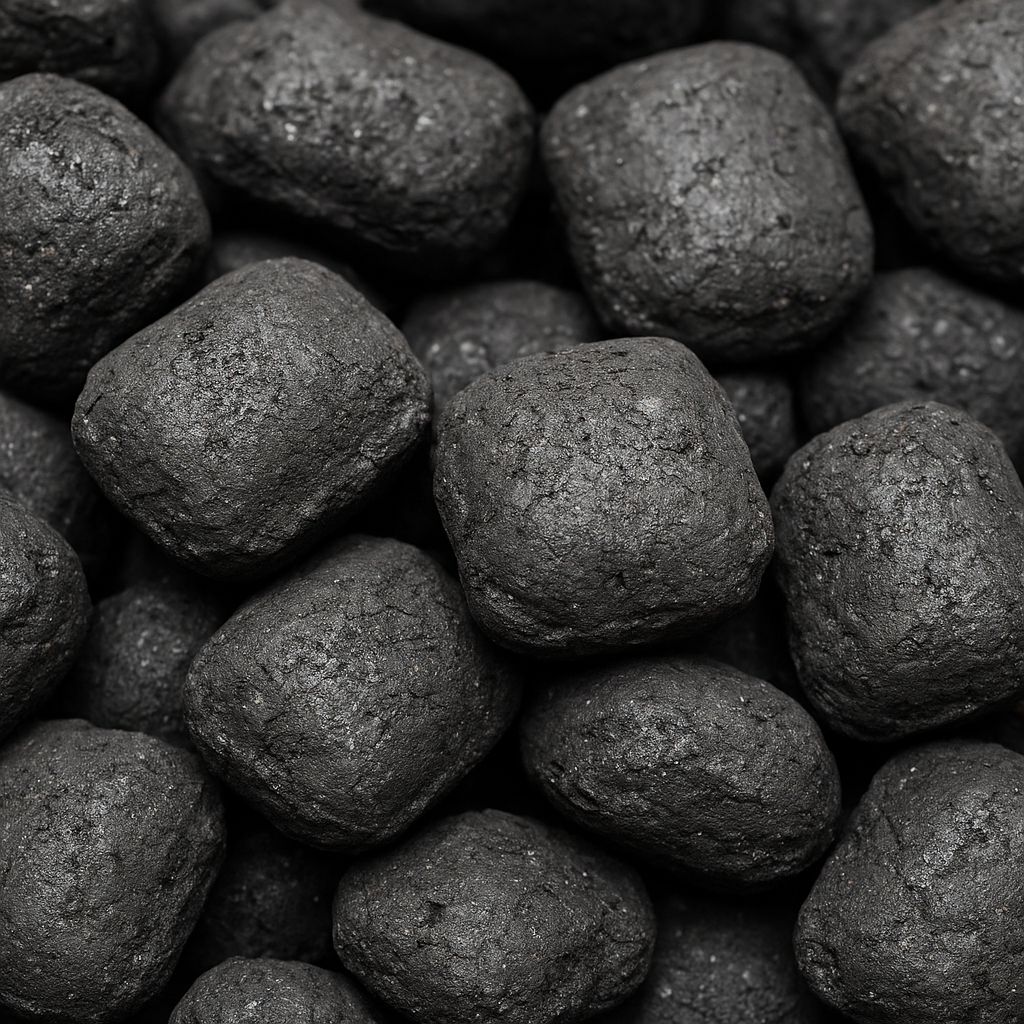
Anthracite briquettes
Anthracite briquettes are a concentrated, manufactured fuel derived from the highest-rank coal, prized for their high carbon content, low impurities and efficient combustion. This article explores the geology and distribution…


Ultra-low-ash coal
Ultra-low-ash coal occupies a niche but increasingly important position within the global coal complex. Defined by its exceptionally low residue after combustion or processing, this coal type serves as a…


Low-ash coal
Low-ash coal is a high-quality variety of coal characterized by a relatively low proportion of mineral matter (ash) after combustion. Because ash lowers the fuel value, increases handling and disposal…
