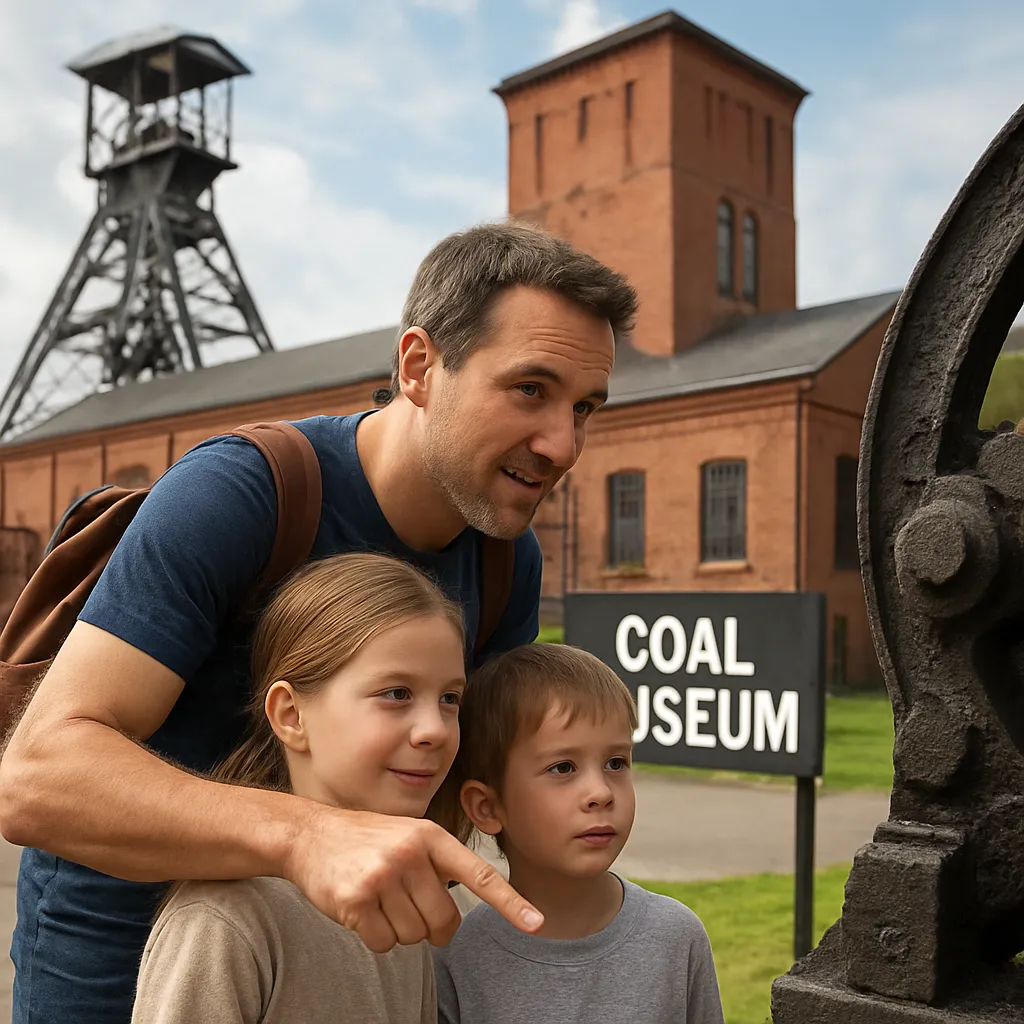
The story of coal is one of resilience, power, and transformation. From fueling the engines of the first industrial revolutions to influencing today’s financial markets, this humble black rock has left an indelible mark on societies around the world. Understanding coal’s multifaceted roles—geological, economic, social, and environmental—reveals why it remains a topic of enduring debate and fascination.
The Rise and Role of Coal
The journey of coal begins deep within the Earth, where ancient plant matter was subjected to immense heat and pressure over millions of years. The resulting carbon-rich deposits emerged as a cornerstone of human development. During the 18th and 19th centuries, coal ignited the flames of the industry that powered steam engines, locomotives, and factories. Its capacity to release vast amounts of energy made it the fuel of choice, enabling rapid urbanization and the growth of global trade.
- Coal’s calorific value: a measure of its heat-producing potential.
- Types of coal: anthracite, bituminous, sub-bituminous, and lignite.
- Mining techniques: from deep-shaft tunneling to surface strip mining.
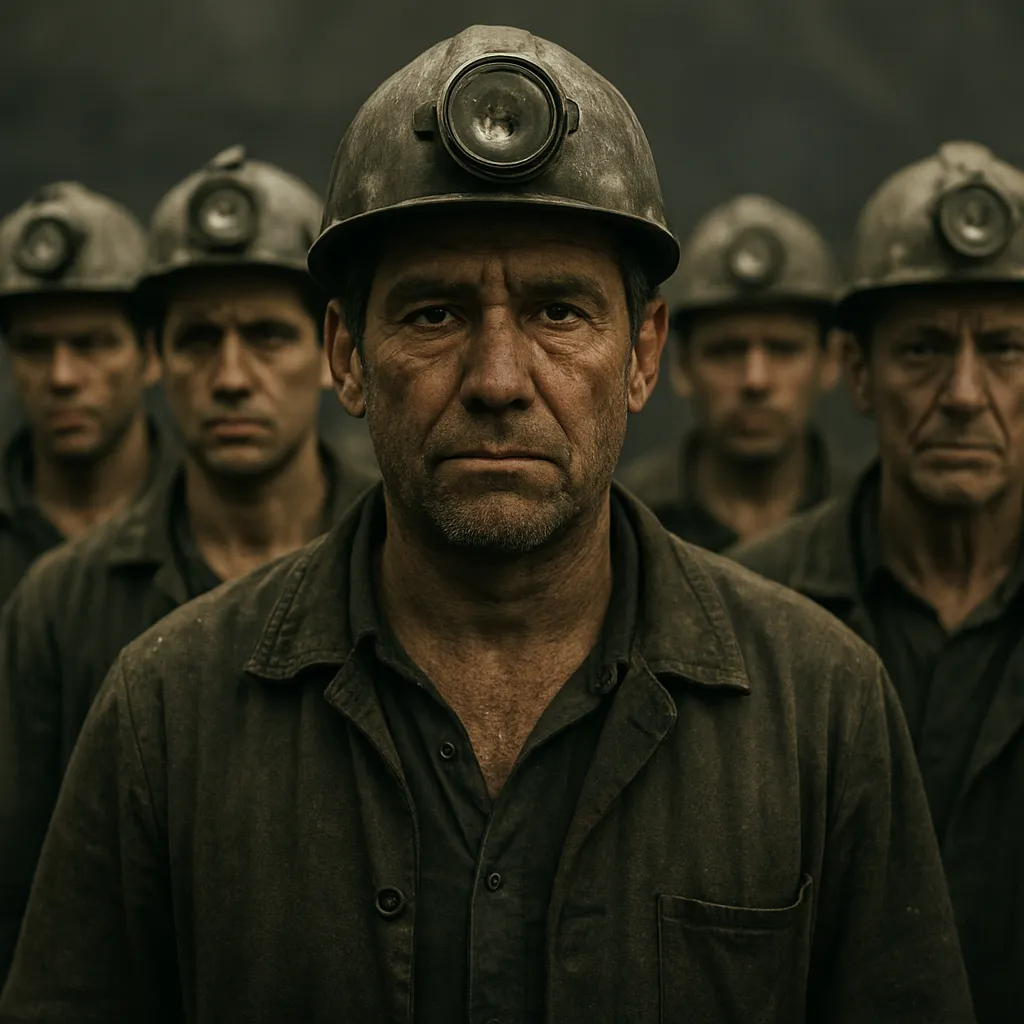
Yet the rise of coal was not without human cost. Generations of miners ventured into dark, dangerous pits, often facing collapsing tunnels, gas explosions, and chronic health issues. Over time, the figure of the coal miner came to symbolize both human ingenuity and profound sacrifice. Monuments, songs, and commemorations honor those who risked – and sometimes lost – their lives to extract Earth’s buried bounty.
Investing in Coal Stocks
Despite growing concerns over climate change, coal remains a significant component of many national markets. Investors eye coal producers for potential returns, balancing risks with rewards. Coal stocks represent shares in companies that extract, process, or trade this fossil fuel.
Market Trends and Pricing
Global demand for coal fluctuates with economic cycles, weather patterns, and regulatory shifts. In emerging economies, coal-fired power plants still provide a reliable source of baseload electricity. Meanwhile, in developed countries, gradual shifts toward renewable sources exert downward pressure on coal prices. Key factors affecting coal stock performance include:
- Government policies on carbon emissions and environmental taxation.
- Competition from natural gas, wind, solar, and nuclear power.
- Logistics costs: rail, port fees, and shipping routes.
- Currency exchange rates in countries where coal is a major export.
Building a Balanced Portfolio
For those considering coal-related equity, diversification remains paramount. Including coal stocks within a broader portfolio can offer exposure to economic recovery cycles, but investors should be mindful of volatility and regulatory risk. Strategies to manage exposure might involve:
- Allocating a modest percentage of total assets to coal equities.
- Pairing coal investments with renewable energy stocks as a hedge.
- Exploring funds or exchange-traded funds (ETFs) that track energy indices.
Due diligence is crucial. Evaluating a coal company’s balance sheet, debt-to-equity ratio, and environmental compliance record can help gauge its long-term viability. Some companies are pivoting toward carbon capture technologies and cleaner uses for coal byproducts—a potential sign of strategic transition that could appeal to forward-looking investors.
Environmental and Social Dimensions
No discussion of coal can ignore its environmental footprint. Coal combustion releases large quantities of carbon dioxide, contributing to global warming. In addition, residual ash can contaminate waterways, and sulfur dioxide emissions lead to acid rain. Balancing the need for affordable energy with environmental stewardship poses a major policy challenge.
Communities near mining operations often face health and safety concerns. Dust inhalation can cause respiratory illnesses, while groundwater disruption from mining can affect local agriculture and drinking supplies. However, modern regulations and industry-led rehabilitation programs aim to mitigate these impacts:
- Reforestation efforts on reclaimed mine lands.
- Advanced filtering systems to reduce particulate emissions.
- Community development initiatives funded by mining royalties.
- Workforce retraining programs for regions transitioning away from coal dependency.
Socially, the decline of coal in many regions has spurred debates over job losses and economic decline. Policymakers and corporations are working together to ensure that workers affected by mine closures have opportunities in emerging sectors, including renewable sustainability projects, infrastructure upgrades, and technology-driven industries.
Looking Ahead: Coal’s Future Prospects
As global priorities shift toward decarbonization, coal’s role in the energy mix is evolving. Some developing countries still see coal as critical for electrification and industrialization. Others are experimenting with clean coal technologies, such as fluidized bed combustion and integrated gasification combined cycle (IGCC) plants, which aim to reduce harmful emissions.
Investors, governments, and environmental advocates are keeping a close watch on:
- Advancements in carbon capture, utilization, and storage (CCUS).
- Comparative lifecycle analyses of coal versus alternative fuels.
- International agreements and nation-specific climate targets.
- Innovation in coal-to-chemical processes that repurpose carbon emissions.
Ultimately, the legacy of coal is intertwined with human progress, hardship, and the quest for cleaner growth. Whether as a vital component of emerging energy systems or a case study in industrial transformation, its story continues to shape global discussions on how best to power our world and protect our planet.