The journey from deep beneath the earth’s surface to transformed landmarks of culture and recreation illustrates a fascinating story of Coal. Once synonymous with industrial prowess and economic growth, abandoned mines are being reborn through imaginative Restoration projects that blend history, Sustainability, and community revitalization. This article explores the multifaceted world of Coal, examines the dynamics of Coal stock markets, and celebrates some of the most beautifully renewed mining sites that preserve industrial Heritage while addressing modern environmental challenges.
Coal and Its Global Significance
Coal has long stood as a dominant Fossil fuel in the global energy mix. Its abundance and relative ease of extraction propelled the Industrial Revolution and shaped the contours of urban development, transportation networks, and manufacturing centers. Despite rising concerns about Carbon emissions and climate change, the legacy of coal remains woven into the fabric of many societies:
- Energy Security: Nations with rich coal deposits have at times prioritized resource independence to stabilize electricity grids.
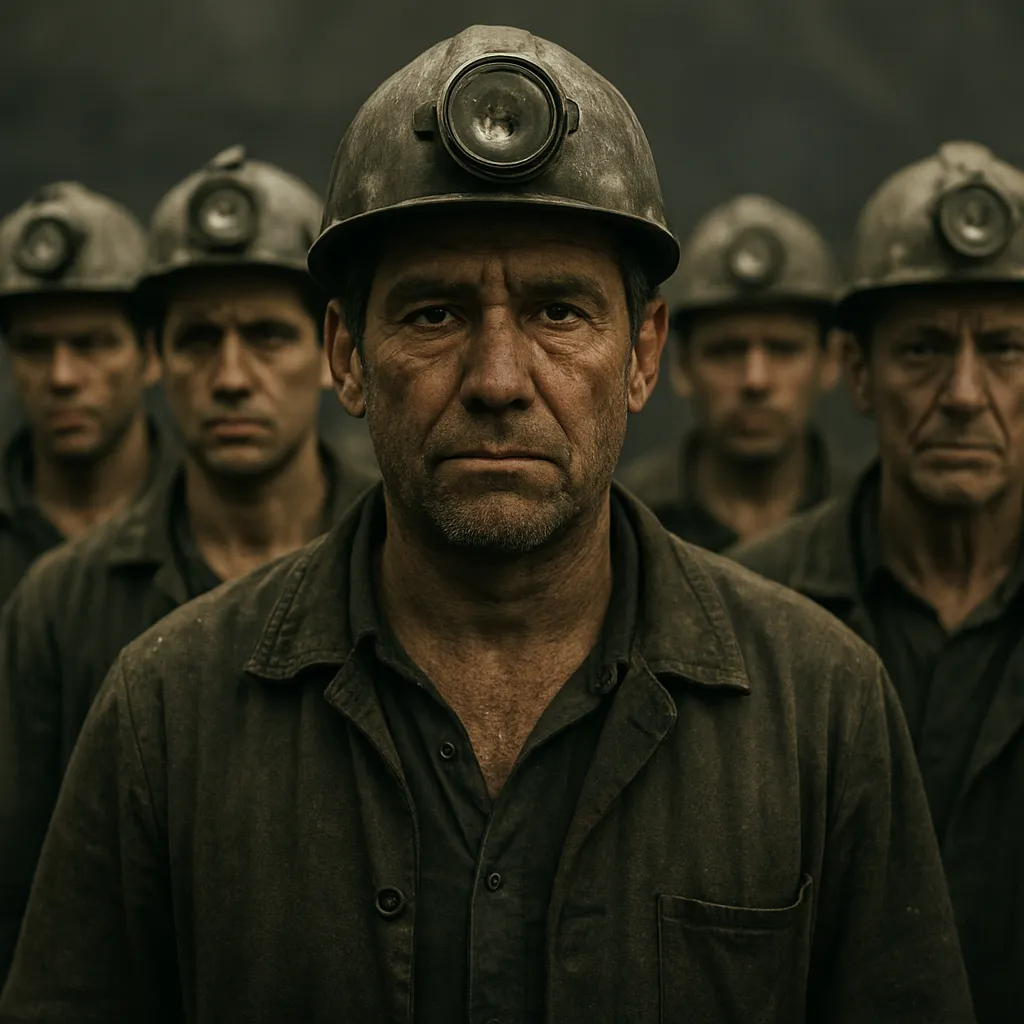
- Job Creation: Mining operations supported local economies, spawning entire towns and generational workforces.
- Infrastructure Growth: Railways, ports, and power plants frequently clustered around coalfields, accelerating technological innovation.
However, the environmental footprint of coal is substantial. Air pollution, land subsidence, acid mine drainage, and the release of greenhouse gases spurred global initiatives to reduce dependency on this Fossil fuel. The tension between economic benefits and environmental costs continues to shape policy debates and drive investment in cleaner alternatives.
Coal Stock and Economic Considerations
Investing in Coal stock remains a contentious arena where market forces, regulatory changes, and technological shifts intersect. Analysts must weigh factors such as global demand forecasts, geopolitical tensions, and the accelerating pace of decarbonization. Key considerations include:
- Production Costs: Regions with low extraction expenses can flood markets, pressuring prices worldwide.
- Environmental Regulations: Stricter emissions standards and carbon pricing can erode profit margins for coal producers.
- Technological Advances: Carbon capture and storage (CCS) and cleaner coal technologies aim to reduce negative impacts but require significant capital.
- Alternative Energies: The rapid expansion of renewables imposes a long-term threat to coal’s market share.
Despite these headwinds, some investors view the Coal stock sector as a hedge against energy market volatility. Developing economies with growing energy needs may continue to rely on coal-fired power for decades, suggesting that selectively chosen coal equities could yield returns. Savvy portfolio managers monitor emission reduction commitments, domestic policy shifts, and supply chain disruptions to gauge where the next investment opportunities lie.
Transforming Coal Mines into Cultural Hubs
As active mining operations wind down, communities face decades of derelict pits, spoil heaps, and forgotten railroads. Yet, a global movement is demonstrating that these scars can be reshaped into thriving hubs of art, leisure, and education. Through collaborative initiatives between governments, private foundations, and local stakeholders, former coal sites evolve into:
Artistic Destinations
- The Zeche Zollverein in Germany: Once the largest coal mine in Europe, it now hosts museums, galleries, and performance spaces within its preserved industrial architecture.
- ORK-1 in Poland: A sprawling complex converted into an open-air art center, where steel beams and conveyor systems serve as canvases for contemporary installations.
Ecological Sanctuaries
- Ffos Las in Wales: A reclaimed spoil tip transformed into wetlands and walking trails, attracting rare bird species and promoting local Biodiversity.
- Yallourn Mine Site in Australia: Post-mining landscapes reshaped into parks and picnic grounds, rejuvenating soil through reforestation projects.
Educational and Historical Parks
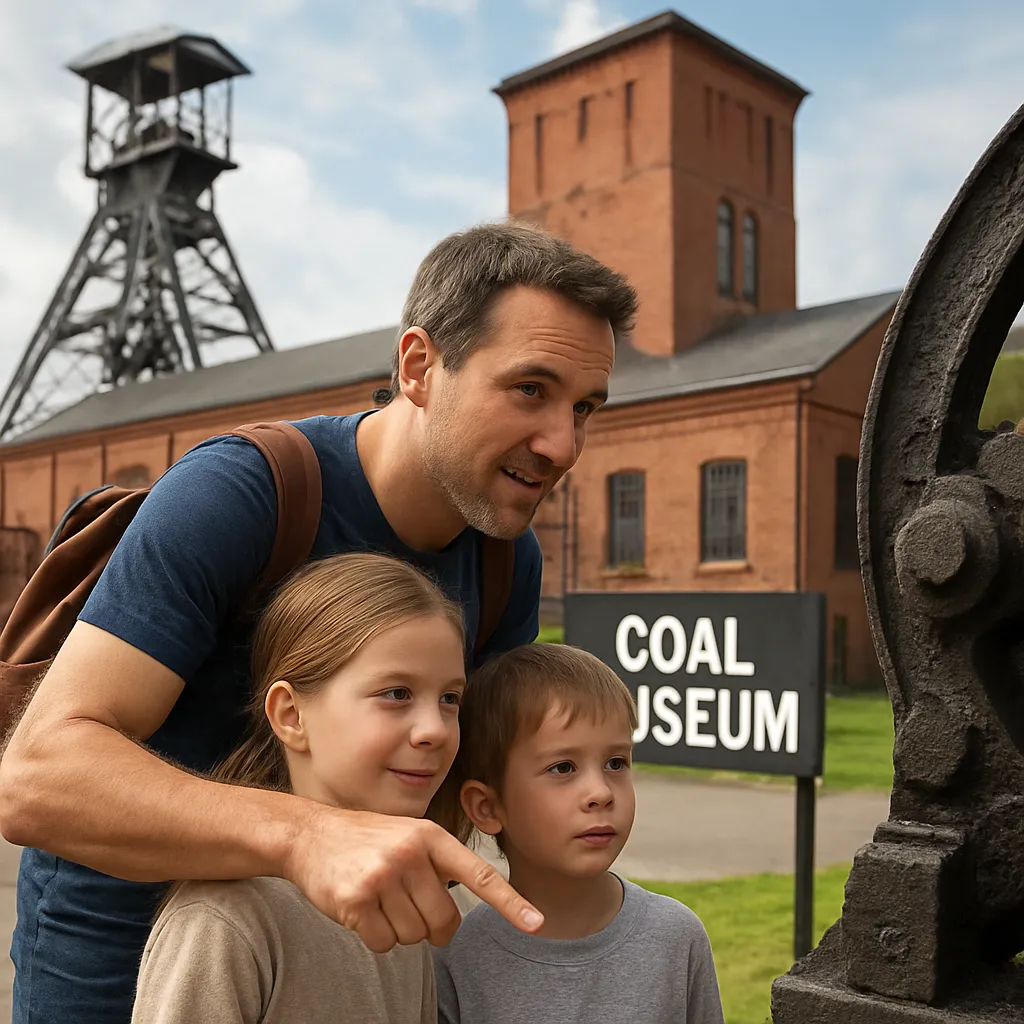
- Big Pit National Coal Museum in Wales: Visitors descend into an authentic mine tunnel, guided by former miners who recount firsthand experiences and safety innovations.
- Coalbrookdale Museum of Iron in England: Showcases the intertwined legacies of coal and iron production, highlighting the advent of steam engines and mechanized transport.
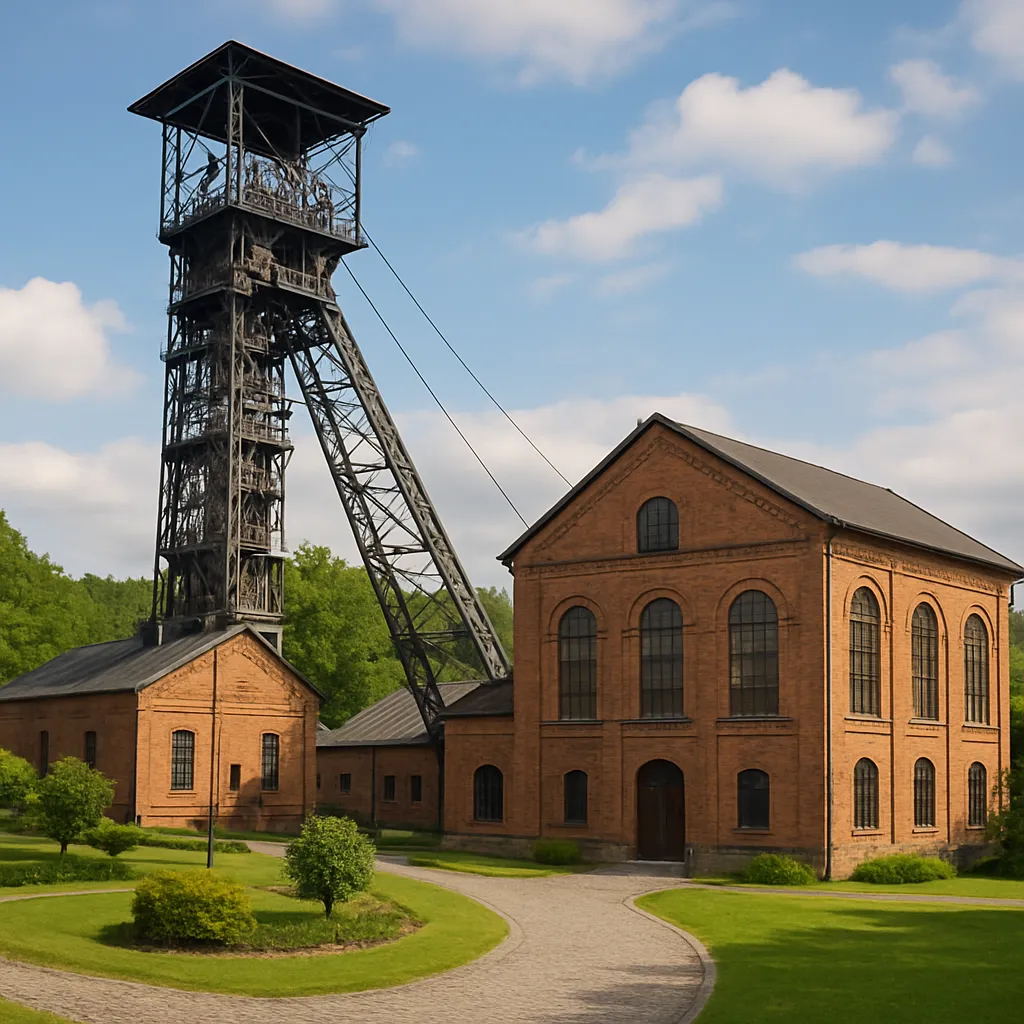
These transformations celebrate the gritty elegance of industrial machinery and celebrate a region’s cultural identity. By retaining iconic structures—be they massive kilns, gantry cranes, or winding towers—planners embed a sense of continuity between past and present, fostering a unique visitor experience.
The Intersection of Heritage and Sustainability
Redeveloping former coal sites requires balancing historical preservation with cutting-edge Innovation in environmental stewardship. Key strategies include:
- Soil Remediation: Removing heavy metals and toxins through phytoremediation and chemical treatments.
- Energy Retrofit: Converting old powerhouses into Energy-efficient buildings with solar panels, geothermal heating, and passive cooling.
- Community Engagement: Involving residents in planning processes to ensure that projects meet local needs for recreation, employment, and cultural celebration.
- Adaptive Reuse: Repurposing industrial halls as incubators for craft breweries, tech startups, and performance theaters—bridging Heritage with economic diversification.
Such efforts underline a broader ethos: rather than erasing an industrial past, societies can embrace it as a resource for sustainable development. By showcasing how obsolete facilities can host green technologies, restored mines become living laboratories in the transition to a low-carbon future.
Case Studies of Iconic Restorations
Across continents, select coal mine rehabilitation projects stand out for their scale, ingenuity, and community impact:
- Saar Polygon, Germany: A monumental steel frame atop a former spoil heap, offering panoramic views of the Saarland and serving as a beacon of regional pride.
- Centralia Coal Mine Park, USA: After an infamous mine fire, the town transformed its underground tragedy into an outdoor museum and interpretive trail network.
- Collier County’s Power Plant Park, USA: Abandoned cooling towers now host urban climbing walls, graffiti festivals, and an amphitheater built within the turbine hall.
These examples demonstrate that with vision and investment, even the most challenging industrial sites can be recast as engines of Economy, culture, and environmental renewal. The success of these projects often hinges on multidisciplinary teams—architects, ecologists, historians, and financiers—working in concert to craft resilient, multifunctional spaces.
Charting a Sustainable Path Forward
As global energy systems evolve, the narrative around Coal and its physical remnants is also shifting. What was once considered environmental liability now serves as a canvas for demonstrating climate-conscious Innovation and community empowerment. Embracing the principles of circular economy and green design, stakeholders can ensure that restored coal sites inspire future generations to value both industrial achievement and planetary health.
Ultimately, the transformation of coal mines speaks to a broader human capacity to reimagine our built environment. By fusing respect for historical achievements with a commitment to ecological balance, these sites become living testaments to adaptive resilience—proof that even the byproducts of heavy industry can blossom into symbols of hope, creativity, and Sustainability.