The following article provides a detailed overview of the Argun Coal Mine in Russia, examining its location, geology, the type of coal produced, operational and economic aspects, statistical context, and broader significance for regional and national industry. Where mine-specific public data are limited, the discussion situates Argun within the larger framework of Russian coal production and the energy and metallurgical markets it serves. The article also covers environmental, social, and logistical considerations that shape the mine’s present role and future prospects.
Location and Geological Setting
The Argun coal deposit is situated in the broad region commonly referred to as the Argun area in the Russian Far East / Trans-Baikal vicinity, near the border with the People’s Republic of China. The name “Argun” is applied to a number of geographic features (including rivers and settlements) across eastern Russia, and in the context of mining it denotes seams and deposits discovered and developed in the Trans-Baikal and adjacent administrative units. The deposit lies within the geologic belts that host coal-bearing formations extending across central and eastern Siberia, which are part of Russia’s extensive coal-bearing provinces.
From a geological standpoint, coal in the Argun area is typically found in sedimentary basins formed during the late Paleozoic to Mesozoic eras, when conditions favored peat accumulation and subsequent coalification. The local stratigraphy shows multiple seams of varying thickness and depth. Coal-bearing horizons are interbedded with clastic sediments — sandstones, siltstones and shales — and in some areas are overlain by younger volcanic and sedimentary units. Structural features such as gentle folding and faulting influence seam continuity and mining methods.
Coal Type and Quality
Coal from the Argun region is generally characterized as belonging to the spectrum between thermal (steam) coal and low- to medium-grade coking coal. In many parts of eastern Russia, including Trans-Baikal-adjacent deposits, the common ranks are sub-bituminous to high-volatile bituminous coal. Typical properties reported for similar regional deposits include:
- Calorific value usually ranging between 4,500 and 6,500 kcal/kg (air-dried basis) for thermal-type seams.
- Ash content that can be moderate to high (10–30% depending on layer and washability).
- Sulfur content typically low to moderate, making some seams favorable for power generation.
- Coking potential in certain benches where vitrinite content and volatile matter profiles allow partial use in metallurgical processes after blending and upgrading.
Because seams vary considerably even within a single deposit, coal from Argun may be subject to beneficiation (washing) to reduce ash and improve calorific value for sale to power plants or industrial users. Where higher-quality benches exist, coal may be used as a component in coke blends after appropriate processing.
Mining Methods and Infrastructure
At deposits similar to Argun, mining methods are chosen based on seam depth, thickness and geometry. Operations in the region typically employ a mix of:
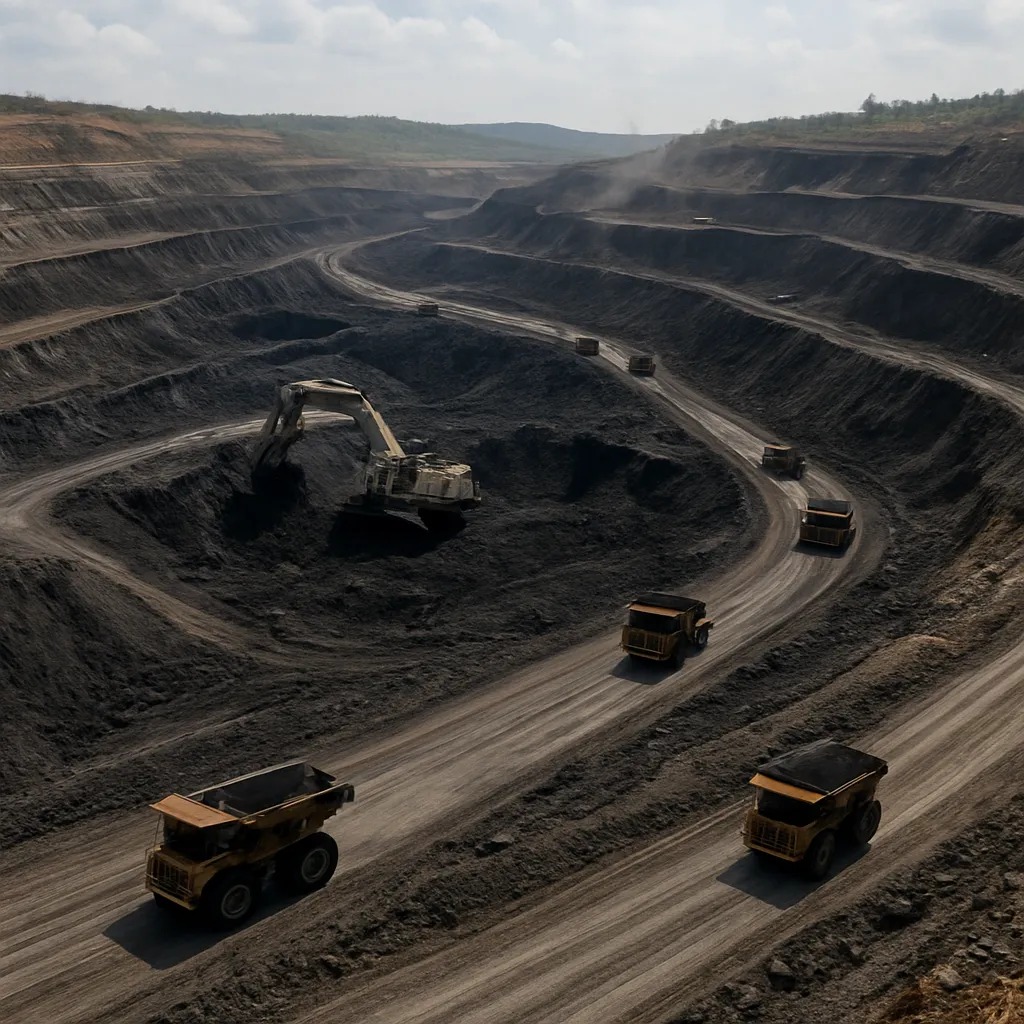
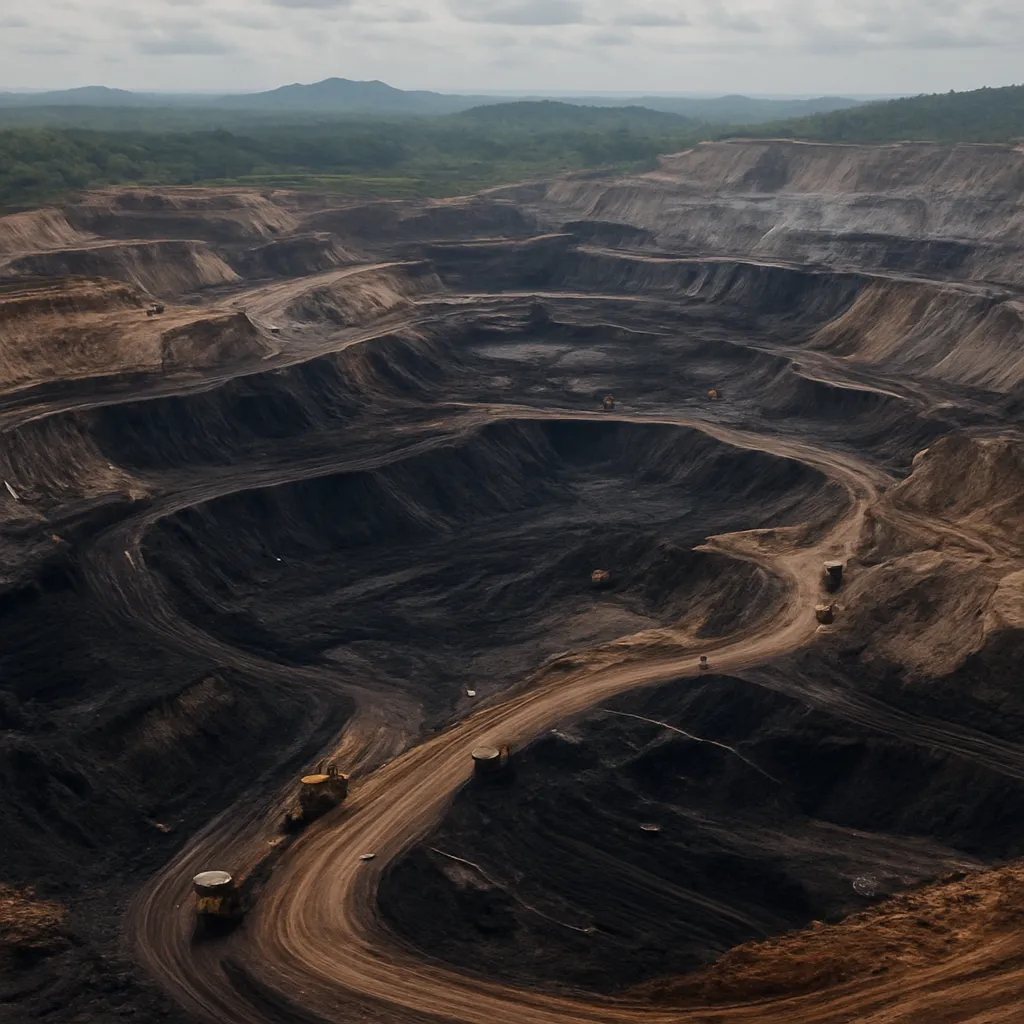
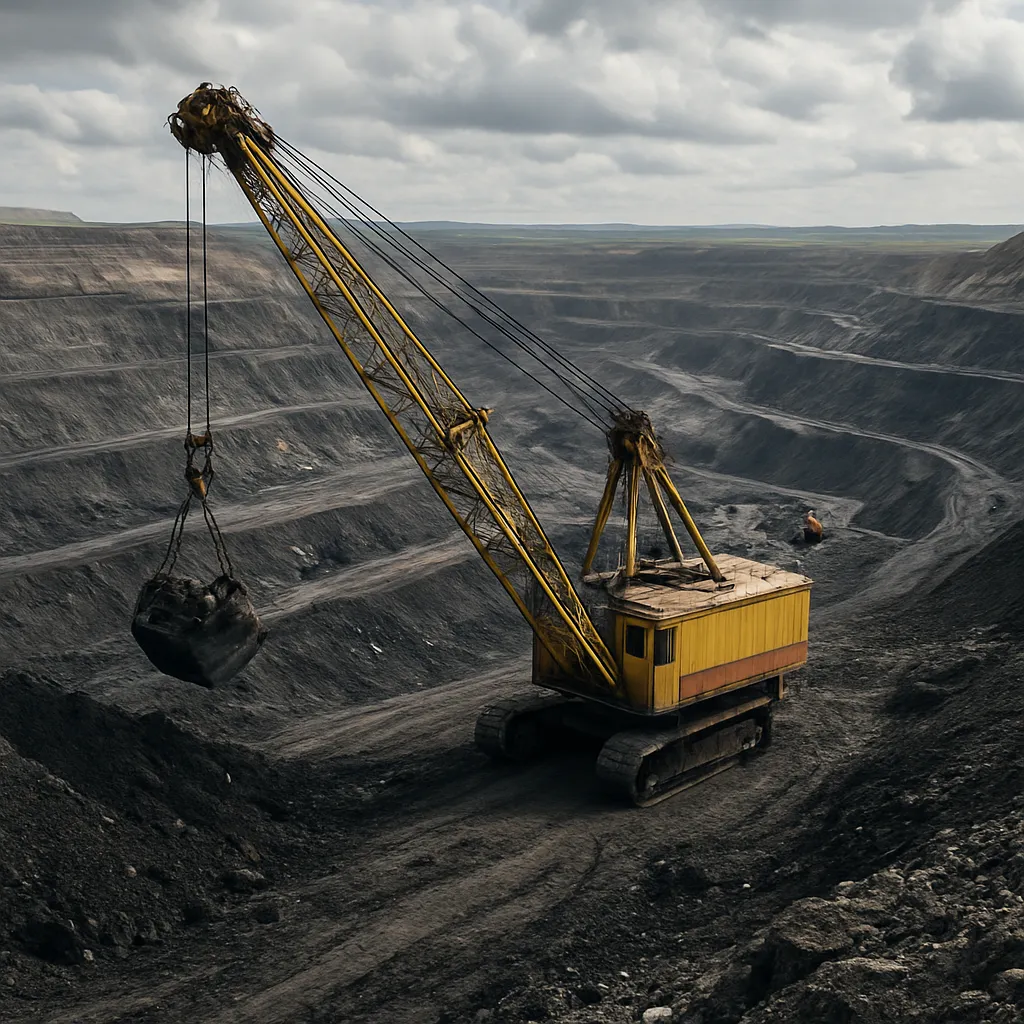
- Surface (open-pit) mining for shallow, thick seams — suited to economies of scale but with larger surface footprint.
- Underground mining — longwall or room-and-pillar methods — where seams are deeper and surface disturbance must be minimized.
- Combined methods in locations where seam outcrop and deeper extensions coexist.
Modernization programs across Russian coalfields encourage mechanization and increased use of conveyor systems, continuous miners and fleet electrification where feasible. For Argun, the logistical framework is crucial because of its relative remoteness. Key infrastructure elements include:
- Rail links: connectivity to the Trans-Siberian Railway or branch lines that feed export terminals and inland consumers.
- Road access: seasonal and all-weather roads to move equipment and provide labor access.
- Processing plants: washery units to improve product quality and generate marketable thermal and metallurgical coal fractions.
- Storage and transshipment facilities: for integration into domestic power grids or export supply chains to Asian markets.
Because of proximity to the Chinese border, many deposits in the Argun area have strategic importance for cross-border coal trade; rail freight rates, customs procedures and bilateral agreements can shape the economic viability of shipments to northeast China and beyond.
Economic and Statistical Context
Publicly available, mine-level statistics for Argun are limited. However, the broader context of Russian coal production helps illustrate the potential scale of contribution by single deposits in the Far East. Russia is among the world’s leading coal producers, with national production generally in the range of 400–450 million tonnes per year in the years preceding and following 2020. Export volumes historically have exceeded 200 million tonnes annually in some years, with Asia (notably China, Japan, South Korea and Southeast Asia) receiving a sizeable share of seaborne and rail-exported coal.
Within this national picture, coalfields in eastern Russia are of growing importance due to several factors:
- Geographic proximity to Asian markets improving export advantage compared with European-supplied coal.
- Strategic diversification of supply chains by Asian importers.
- Potential for infrastructure upgrades to increase throughput to ports on the Pacific coast.
For a regional deposit like Argun, realistic production figures for a developed mine could vary widely — from a few hundred thousand tonnes per year for small operations up to several million tonnes annually for an industrial-scale mine with integrated washery and rail link. Capex for developing a mid-size open-pit operation (including pit development, processing plant and connection to rail) typically runs into the hundreds of millions of dollars, while underground projects may require similar capital with different phasing and risk profiles.
Role in Industry and Supply Chains
The Argun deposit, though not necessarily one of the most famous Russian coalfields, plays a role typical of regional mines that feed both domestic and export markets. Its relevance can be viewed across several dimensions:
- Energy security: supplying thermal coal to regional power plants stabilizes local electricity systems and supports industrial development.
- Metallurgy: where Argun seams contain benches with coking properties, they can form part of blended feedstocks for steelmakers — either domestically or as export cargoes to Asian steel producers.
- Employment and local economy: mines act as focal employers in remote areas, supporting secondary industries and services.
- Cross-border trade: proximity to China supports rail-export opportunities, reducing transit times and logistics costs to major Asian consumers.
Argun’s potential export footprint depends on several levers: rail capacity, port throughput at Pacific terminals, fiscal terms and customs arrangements, and comparative coal quality relative to other suppliers (Australian, Indonesian, Mongolian, and domestic Russian coal from Kuzbass and the Far East). Seasonal demand patterns (heating season in Northeast Asia) also affect shipments and pricing.
Environmental and Social Considerations
Coal mining in the Argun area raises environmental and social challenges similar to those across Russia and other coal-producing regions. Key issues include:
- Land disturbance: Open-pit mining alters surface landscapes, requiring progressive reclamation plans and long-term land-use strategies.
- Water management: Protection of local watercourses and control of acid mine drainage risk are critical, especially where mining intersects with river basins that may cross international borders.
- Air quality: Dust generation and emissions during extraction, processing and transport need mitigation measures (water sprays, covered conveyors, dust collectors).
- Greenhouse gases: Combustion of coal is a significant source of CO2. Mines and associated power plants face increasing pressure to quantify and manage their carbon footprints.
- Community impacts: Employment, health services and social infrastructure in remote mining towns are both opportunities and obligations for mining companies and regional authorities.
Regional authorities and companies operating in eastern Russia have implemented mitigation measures in recent decades, including reclamation projects, water treatment facilities in washing plants, and investment in dust control. The steadily evolving regulatory environment — domestically and under international climate commitments — is also encouraging some operators to diversify into lower-carbon activities or to adopt carbon management measures such as methane capture at underground workings.
Regulatory, Fiscal and Ownership Structures
Mining in Russia is subject to federal and regional regulatory frameworks covering licensing, environmental impact assessment, taxation and royalties. The licensing process for a deposit like Argun includes geological exploration permits, development licenses and production approvals. Fiscal terms (royalties and export duties) may be adjusted depending on coal type and end-use: for instance, thermal coal exports and coking coal used domestically may be treated differently in tax regimes.
Ownership structures in Russian coal are diverse — ranging from large vertically integrated coal and energy conglomerates, regional mining companies, to joint ventures with foreign partners. For deposits near the Chinese border, cross-border investment and purchase agreements can shape development: off-take agreements with foreign steelmakers or power companies often underpin financing for mine development.
Statistical Snapshot and Comparative Data
While specific, verified mine-level statistics for Argun may not be in the public domain, the following contextual statistics are useful:
- Russia’s annual coal production has generally ranged between 400 and 450 million tonnes in recent years (early 2020s), making it one of the world’s top producers.
- Exports historically have constituted roughly half of production in leading coal-export years, with Asia as the dominant market.
- Eastern Russian coal basins — including Sakhalin-adjacent fields, Khabarovsk and parts of Trans-Baikal — account for a growing share of exports due to logistical proximity to Pacific ports.
At the deposit level, a fully developed medium-size mine might aim for annual output in the range of 1–5 million tonnes, although this varies with geology and investment. Investment in rail upgrades and port capacity can raise throughput considerably, sometimes creating export corridors that aggregate output from several regional mines.
Technological Trends and Modernization
Several technological trends affect mines like Argun:
- Mechanization and automation: adoption of continuous miners, remote-controlled longwall systems and automated haulage to reduce costs and improve safety.
- Beneficiation advances: improved washery technology and fine coal recovery techniques increase yields and product quality.
- Digitalization: mine management systems, geological modeling, fleet telematics and predictive maintenance reduce downtime and optimize production.
- Environmental technologies: water recycling systems, dust suppression, and methane capture improve compliance and environmental performance.
Investment in these areas both improves economic return and helps meet regulatory expectations for environmental protection and worker safety. For remote operations, modular and containerized processing units can accelerate deployment of washery capacity.
Future Prospects and Challenges
The future of the Argun deposit, and similar regional coal operations, will be shaped by a combination of market and non-market forces:
- Market demand in Asia: ongoing industrialization and power demand patterns in China, Southeast Asia and South Asia will affect seaborne and rail-export opportunities.
- Price dynamics: global thermal coal price volatility, freight costs, and competition from cheaper alternatives (e.g., Indonesian coal for some markets) will influence profitability.
- Infrastructure development: any upgrades to rail corridors and port capacity on the Pacific coast will materially improve the economics of Argun-scale projects.
- Policy and climate pressures: global decarbonization trends and potential domestic shifts toward low-carbon electricity generation could reduce long-term thermal coal demand.
- Diversification: operators may seek to diversify into related sectors (logistics, beneficiation services) or to adopt greenhouse gas mitigation measures to sustain market access.
For governments and local stakeholders, balancing economic benefits from mining (jobs, royalties, infrastructure) with environmental stewardship and long-term economic diversification will be crucial. Mines that can demonstrate low-emission practices, water stewardship and social licensing are better positioned to secure finance and long-term partnerships.
Interesting Facts and Regional Significance
Several lesser-known but noteworthy aspects of Argun-type deposits merit attention:
- Strategic border location: mines near the Argun River have natural logistical advantages for rail-export to China, enabling shorter transit times than Siberian counterparts.
- Cross-border geology: coal-bearing strata in the Argun area can be part of transboundary geological systems, meaning exploration insights on one side of the border can inform prospects on the other.
- Seasonal logistics: severe winter conditions in parts of eastern Russia place a premium on year-round rail connectivity and maintenance of winter-ready equipment.
- Community-centric economies: single-mine towns in remote regions may have economies heavily dependent on mine operations, amplifying both the social benefits and vulnerabilities tied to commodity cycles.
Concluding Remarks
The Argun Coal Mine — and deposits like it in eastern Russia — represent an important piece of Russia’s coal mosaic. While specific mine-level figures are often less accessible in public domains, the deposit’s potential roles in regional energy supply, metallurgical feedstock, employment, and international trade are clear. Success in developing and sustaining such operations depends on geological quality, infrastructure, market access (especially to Asian buyers), investment in beneficiation and environmental management, and the capacity to adapt to evolving regulatory and market conditions. For stakeholders — from local communities and regional governments to international buyers — the balance of economic opportunity and environmental responsibility will determine the long-term legacy of Argun-area coal production.