Our exploration of coal examines the substance that fueled the rise of modern economies, the financial instruments built around its trade, and the evolving debates on its future. From the depths of ancient geological formations to the dynamic trading floors of global stock exchanges, coal has shaped industries, powered innovations, and sparked controversies that endure today.
Historical Roots and Economic Rise of Coal
The story of coal begins millions of years ago, when dense forests were buried beneath layers of sediment, eventually transforming into rich deposits of carbon. Humans first harnessed this resource in small hearths, but it was not until the 18th century that coal propelled a full-scale industrialization of society. Factories, railways, and steamships thrived on its energy, making coal the world’s primary fuel for centuries.
Early Mining Communities
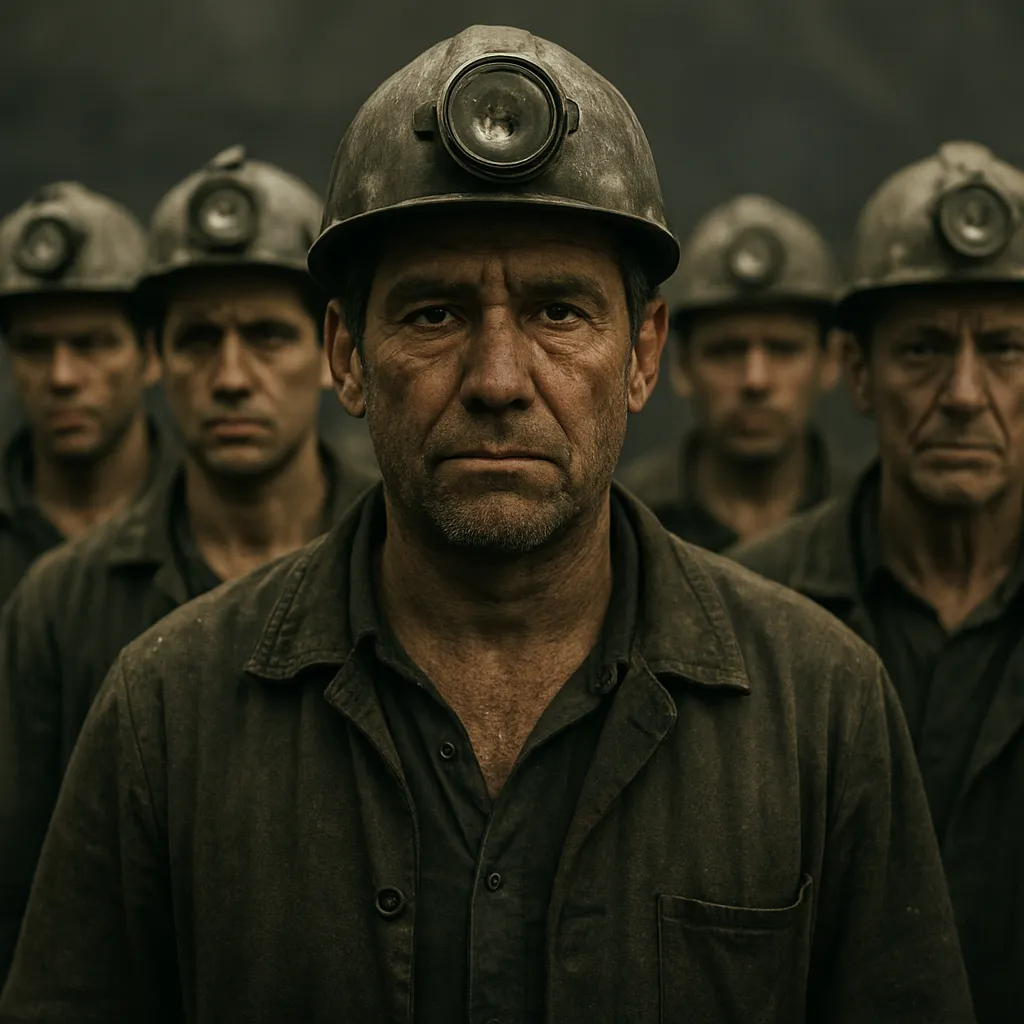
Coal mining communities emerged around major seams, giving rise to tightly knit towns whose livelihoods depended on the vast subterranean seams. Miners developed ingenious methods such as room-and-pillar and longwall mining, balancing productivity with safety. The advent of mechanized picks and conveyor belts further accelerated output, marking a turning point in resource extraction.
- Use of steam-powered engines for pumping water and hauling coal
- Evolution of safety lamps and ventilation techniques
- Labor movements seeking fair wages and safer working conditions
Coal and the Formation of Labor Movements
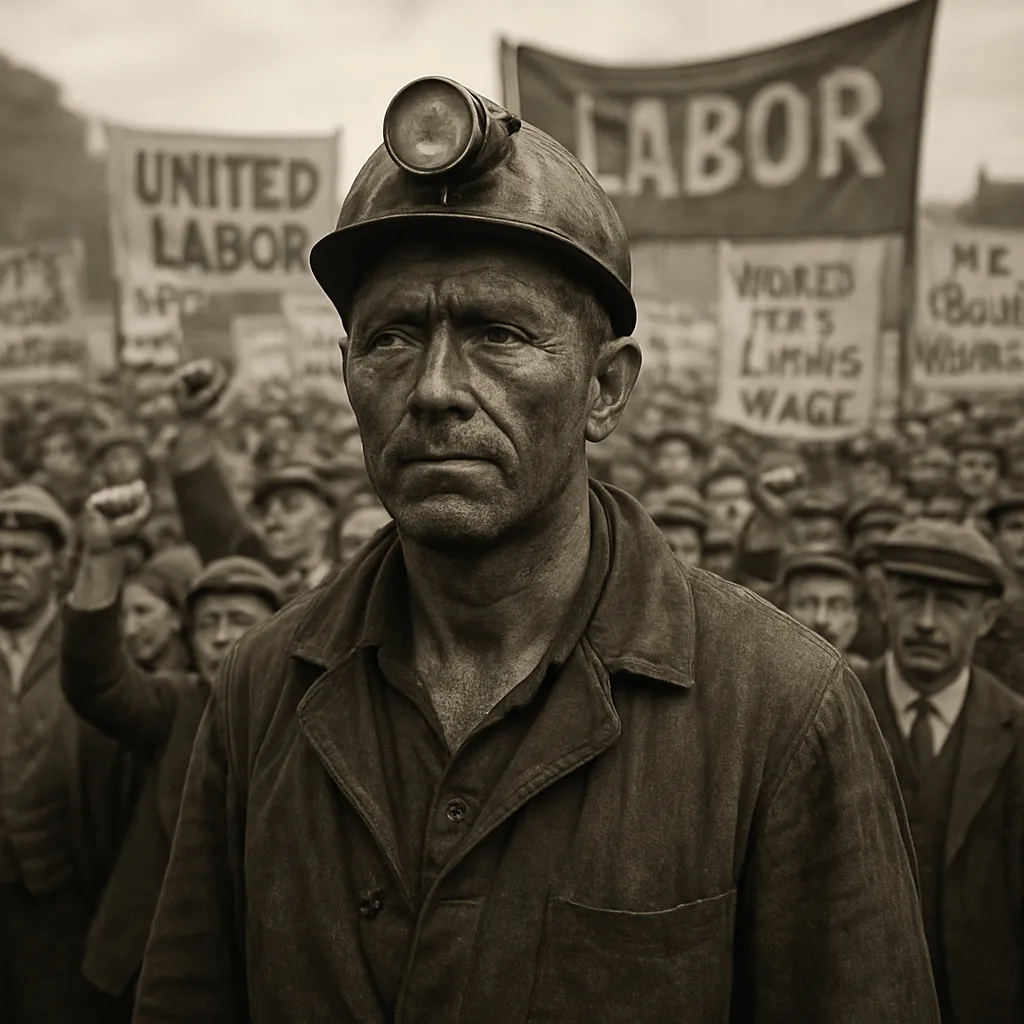
Within the coalfields, workers organized strikes and formed unions to demand justice. Notable clashes like the Battle of Blair Mountain and the UK’s miners’ strikes illustrated the struggle for dignity. These movements laid the foundations for modern labor rights, influencing policies on working hours, child labor, and collective bargaining.
Modern Coal Markets and Coal Stock Investment
As global demand for energy soared, coal evolved from a local resource to a commodity traded on international markets. Today, investors can gain exposure through coal mining companies, ETFs, and futures contracts. Successful investment in coal requires an understanding of supply dynamics, regulatory pressures, and technological trends.
Key Financial Instruments
- Equities: Shares of leading producers such as coal giants operating in Appalachia, Australia, and Asia
- ETFs: Funds that track coal indices, offering diversified exposure
- Futures and options: Derivatives allowing speculators to hedge or profit from price movements
Risk and volatility in coal markets stem from factors like shipping costs, geopolitical tensions, and shifting environmental policies. In recent years, China’s demand curve and India’s electrification efforts have played a dominant role in setting global prices.
Strategies for Portfolio Allocation
Incorporating coal stocks into a diversified portfolio can serve as a hedge against inflation and energy shortages. However, investors must weigh long-term trends favoring cleaner alternatives. Analytical frameworks often combine fundamental analysis—assessing balance sheets, debt levels, and production costs—with technical indicators showing price momentum on commodity exchanges.
Environmental and Technological Perspectives
Concerns over climate change have placed coal under scrutiny, as combustion releases significant amounts of emissions, notably carbon dioxide and particulates. Yet, innovations in carbon capture and cleaner-burning technologies offer pathways to reduce coal’s environmental footprint.
Carbon Capture and Storage (CCS)
CCS involves capturing CO₂ at the point of emission, compressing it, and injecting it into deep geological formations. Pilot projects around the globe demonstrate potential, though high costs and energy requirements remain challenges. As governments incentivize low-carbon solutions, CCS could become an integral part of coal-fired plants, extending their operational life.
Integrating Coal with Renewable Systems
One emerging model is hybrid power plants that combine coal units with solar or wind installations. Such systems can maintain grid stability while gradually increasing the share of renewable power. During peak solar hours, turbomachinery can be idled, reducing overall emissions and fuel consumption.
Regulatory Climate and Future Outlook
Policymakers worldwide have enacted measures aimed at curbing coal usage. From emissions trading schemes in Europe to phased coal phase-outs in Canada, regulations influence both energy markets and investor sentiment. Simultaneously, developing economies face the challenge of balancing growth with environmental obligations.
International Agreements
- Paris Agreement commitments to limit global temperature rise
- Nationally Determined Contributions (NDCs) setting emission targets
- Green funding initiatives supporting low-carbon technologies
Innovation in Mining Practices
Modern mining operations are leveraging automation, drone surveys, and machine learning to enhance safety and efficiency. Real-time monitoring systems detect gas leaks and structural instabilities, protecting both workers and the environment. Such innovation ensures that if coal remains part of the energy mix, its extraction will meet strict sustainability standards.
Global Dynamics and Geopolitical Tensions
Coal-rich nations wield strategic influence over energy security. Exporters like Australia and Indonesia negotiate trade deals, while importers such as Japan and South Korea seek supply stability. Disruptions—whether from natural disasters, labor disputes, or diplomatic rifts—can ripple through commodity markets, impacting electricity prices and economic growth.
Trade Disputes and Tariffs
Recent tariff battles have targeted coal alongside steel and aluminum. These measures aim to protect domestic industries but risk escalating into broader conflicts that heighten market uncertainty. Investors must track policy shifts, as sudden export bans or import restrictions can trigger sharp price swings.
Supply Chain Resilience
To mitigate risks, companies are diversifying supply bases, building strategic stockpiles, and investing in resilient logistics. Ports, railways, and inland waterways form critical arteries for coal transport. Infrastructure bottlenecks or extreme weather events can strain supply chains, underscoring the importance of capacity planning.
Social Impacts and Community Transition
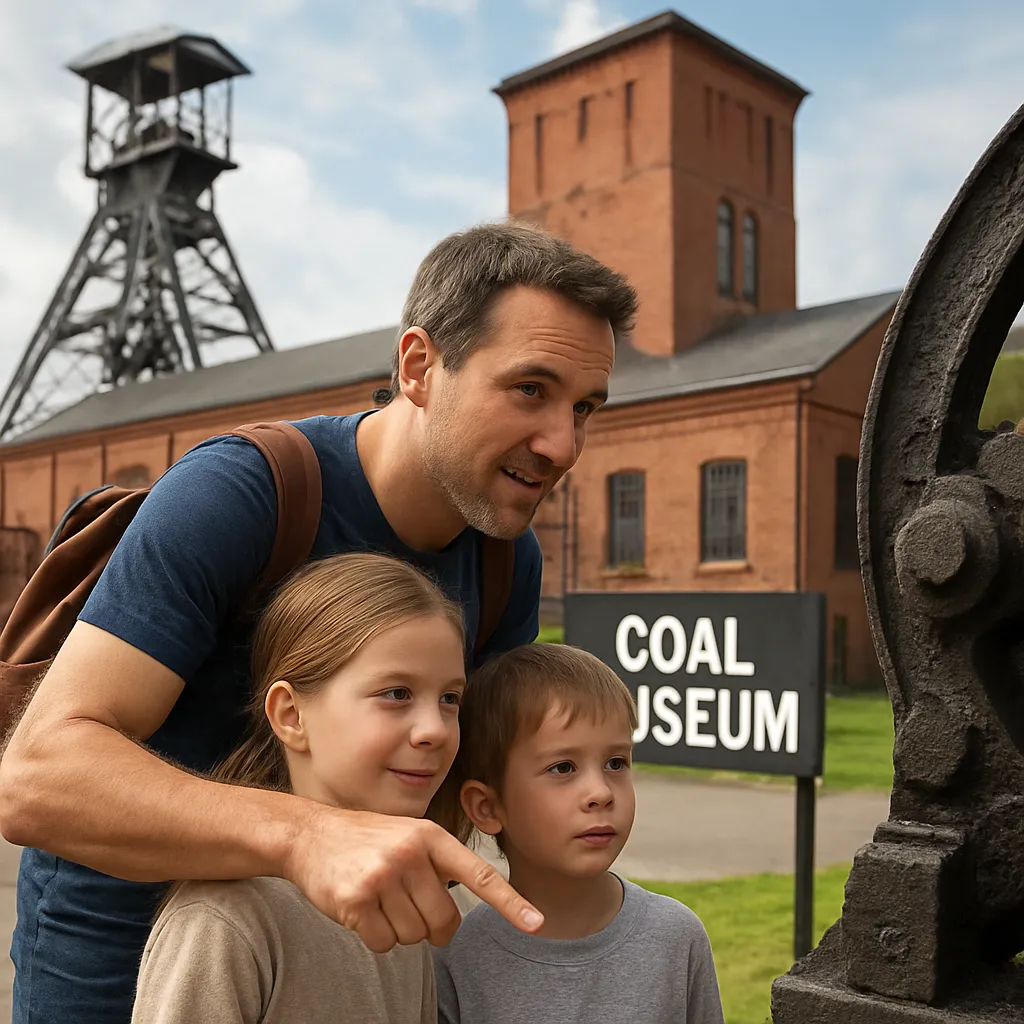
Coal regions have faced economic upheaval as mines close or downsize. Managing the social transition involves workforce retraining programs, redevelopment of derelict sites, and investments in alternative industries. Some former coal towns are reinventing themselves through tourism, manufacturing, or renewable energy projects.
Just Transition Frameworks
- Skills retraining to prepare miners for green jobs
- Community funds supporting small businesses and start-ups
- Reclamation of mining sites for agriculture or recreation
Effective policies ensure that workers and their families do not bear the brunt of structural shifts. By coupling fiscal support with educational opportunities, governments can foster resilience and social cohesion among affected communities.
Conclusion of Key Themes
Coal’s journey from primordial forests to global stock markets illustrates the complexities of balancing economic growth, environmental stewardship, and social welfare. Stakeholders—ranging from miners in remote pits to investors on Wall Street—must navigate an evolving landscape marked by technological breakthroughs, regulatory changes, and shifting public sentiment. As the world charts a path toward cleaner energy, coal will continue to be a focal point of debate, innovation, and investment decisions.