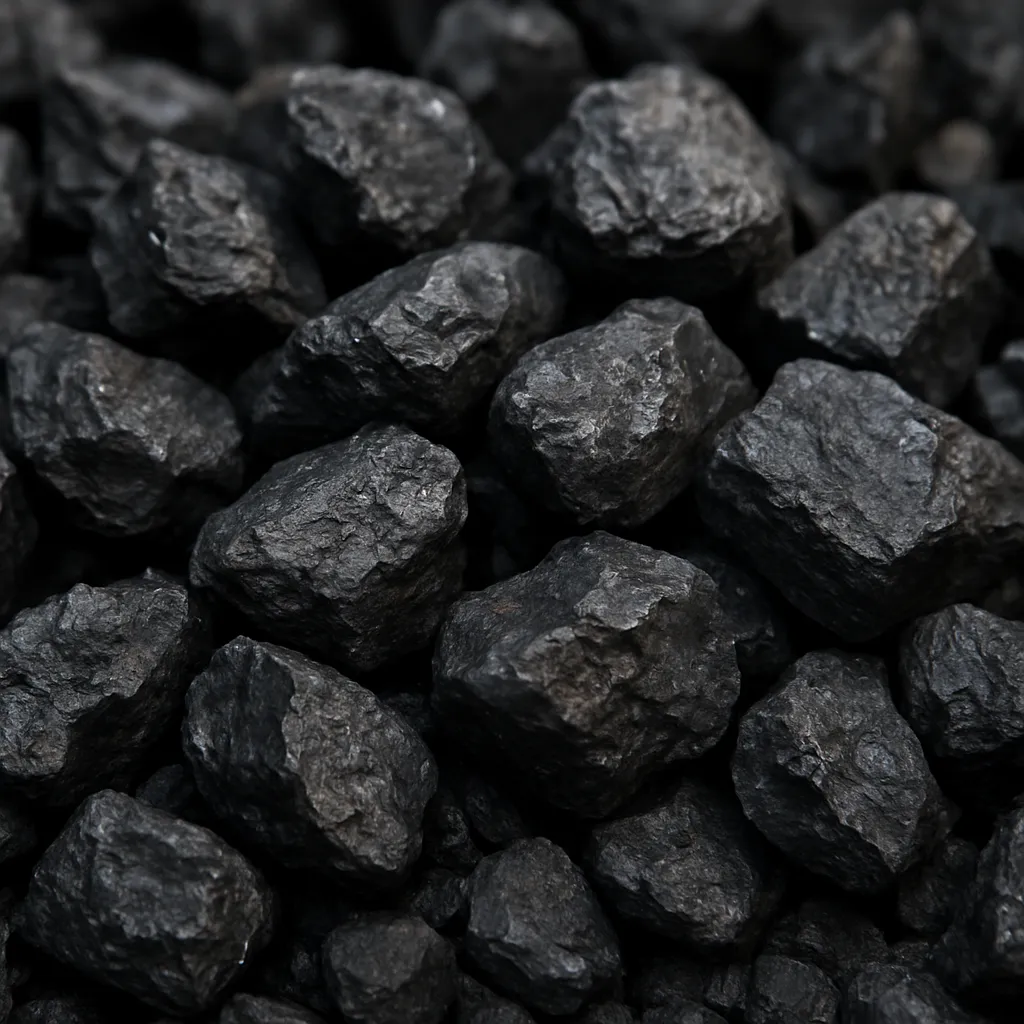
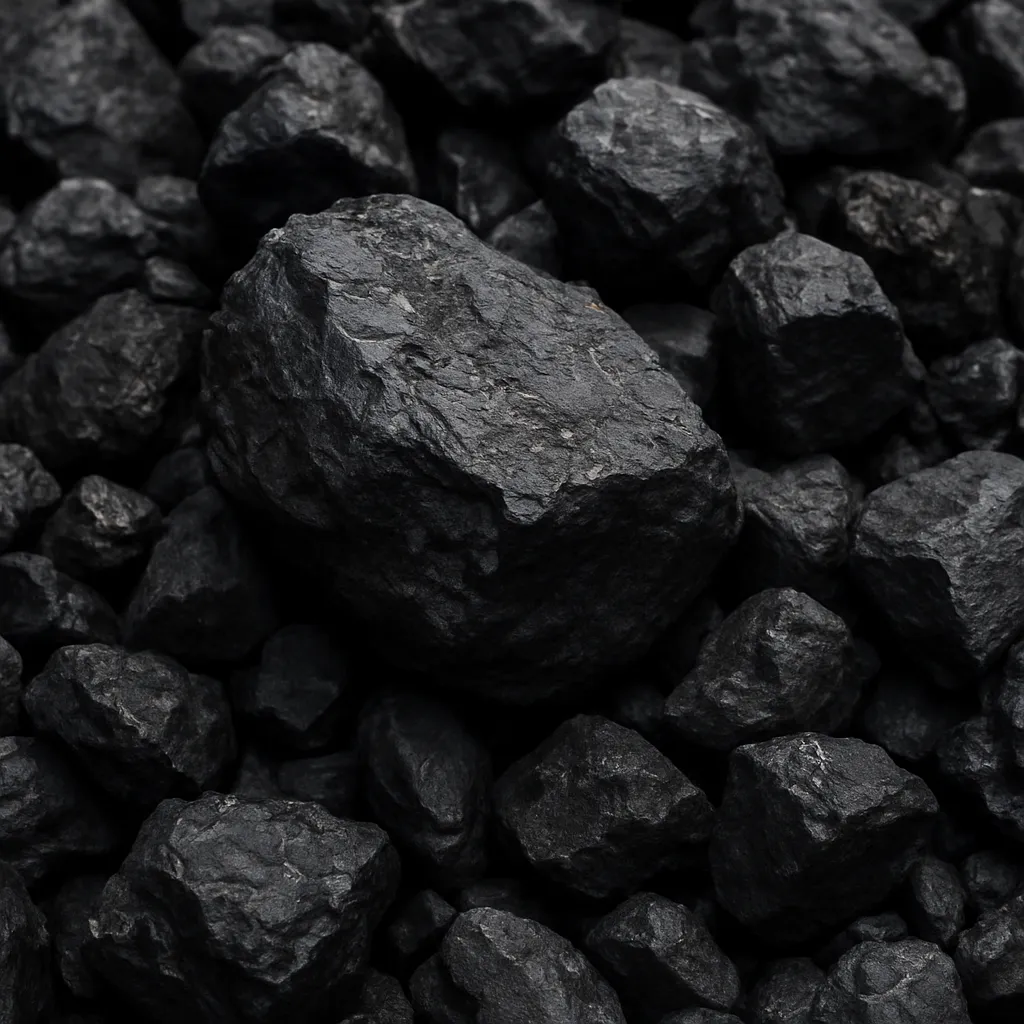
This article examines the often-overlooked fraction of coal known as coal fines — the small particles and powdered material generated during mining, handling, crushing and processing of coal. Coal fines present both challenges and opportunities across mining operations, power generation, metallurgical processes and downstream industries. Below you will find a comprehensive review of what coal fines are, where they are found and produced, their economic and industrial significance, common handling and processing methods, environmental and health considerations, current statistical trends, and potential future developments in their utilization and markets.
What are coal fines and how do they form?
Coal fines are small particles of coal generally defined by their size, typically less than a few millimetres in diameter. They arise at nearly every stage of the coal chain: extraction in the mine face, blasting, crushing and screening at preparation plants, mechanical handling (conveyors, hoppers, shiploading), and during transport. The finer fraction can include powder-like dust as well as wet or slurried material produced during washing and dewatering.
Physical and chemical characteristics
- Particle size: Fines are commonly categorized into multiple size classes (e.g., 0–0.5 mm, 0.5–2 mm). Very fine material (<0.1 mm) behaves as a colloidal or slurry.
- Moisture: Fines tend to retain higher moisture content, affecting storage and combustion behaviour.
- Impurities: Ash, sulphur and mineral matter can be concentrated differently in fines versus lump coal depending on washability and liberation processes.
- Combustion properties: Increased surface area of fines changes reactivity, burnout time and emissions characteristics in boilers and furnaces.
Fines may originate as a desirable product in some contexts (e.g., feedstock for briquetting, pulverized coal injection) and as a waste stream in others (dust losses, slurry ponds). Typical production ratios vary but many operations report that between 5% and 25% of mined coal mass ends up as fines, with the specific fraction dependent on geology, mining method, and processing practices.
Where coal fines occur and where they are produced
Coal fines are produced wherever coal is mined and processed. Major global coal-producing regions therefore correspond to the largest sources of fines. Key producers include:
- China — the world’s largest coal producer and consumer. Massive domestic production and processing generate substantial fines used domestically in power generation, briquetting and industry.
- India — large thermal coal production and extensive preparation plants produce fines used in local power stations and for briquette manufacture.
- United States — sizeable production of both thermal and metallurgical coal; fines are generated in both surface and underground mining operations.
- Australia and Indonesia — major exporters of seaborne coal; handling and shiploading create fines and dust losses that are a concern for export quality and port air emissions.
- Russia, South Africa, Colombia and Poland — also significant sources of coal fines linked to their mining and coal preparation activities.
Beyond coal-producing countries, industrial centres that receive imported coal may also generate fines during handling, blending and repurposing operations in power plants, steel mills, cement works and ports. Regions with extensive coal beneficiation and coking operations tend to have dedicated technologies to manage and valorize fines.
Processing, handling and industrial uses
Fines management is a central part of modern coal preparation plants. Because fines have different physical characteristics and economic value than lump coal, specialized processes and products have developed.
Common processing and handling techniques
- Dewatering and thickening — mechanical and chemical methods (centrifuges, filter presses, thickeners, flocculants) reduce moisture and volumes in slurries.
- Drying and agglomeration — thermal drying or binders used to produce stable briquettes, pellets or agglomerates suitable for combustion or transport.
- Fine coal flotation — for upgrading metallurgical fines, flotation concentrates are produced for coking or further processing.
- Pneumatic and wet conveying systems — to minimize dust generation and spontaneous combustion risk during transport.
Industrial applications and value-added products
Contrary to being purely waste, coal fines can be converted into valuable products:
- Briquettes and pellets — agglomerated fines are used as household or industrial fuels and as standardized feedstock for power plants.
- Pulverized coal injection (PCI) — metallurgical coke replacement in blast furnaces uses finely milled coal; suitable fines streams are often blended for PCI.
- Coal-water slurry fuel (CWS) — fines suspended in water create a transportable liquid fuel for specialized burners, offering a bridge fuel for some industries.
- Gasification and liquefaction — fines can be used as feedstock for gasifiers (syngas) or coal-to-liquids plants, provided ash and sulphur constraints are managed.
- Activated carbon and carbon products — advanced processing can turn selected fines into activated carbon, carbon black or specialty carbons for electrodes.
Production of briquettes and pellets is particularly important in markets with high residential coal consumption and in industries seeking uniform feedstock. For metallurgical industries, carefully upgraded fines can fetch higher prices when they meet coke-making and injection specifications.
Economic and statistical overview
The economic significance of coal fines is multifaceted: they influence mine recovery rates, product yields, logistics costs, environmental liabilities and the market price of coal products.
Production quantities and market size
Comprehensive global statistics specific to coal fines are less consistently reported than lump coal volumes. However, a few indicative points help frame the scale:
- Global primary coal production (hard coal and lignite) in recent years has exceeded several billion tonnes annually, with the largest single producer being China. As a result, fines generated globally are measured in hundreds of millions of tonnes per year when aggregated across all operations and size classes.
- Seaborne coal trade — the fraction of coal that moves internationally by sea — is a major factor in fines management at loading terminals. Recent annual seaborne trade volumes for thermal and coking coal combined have typically been in the range of about 1.2–1.6 billion tonnes, which generates downstream handling-related fines and dust challenges at ports and ships.
- At individual mines and prep plants, fines share varies considerably. Modern low-impact mining and improved handling can reduce fines generation to single-digit percentages, while older or geologically difficult operations may produce much higher proportions.
Price impacts and economic value
Fines typically trade at a discount to lump coal due to handling, higher moisture and variability in combustion. The exact discount depends on quality (calorific value, ash and sulphur), market demand for fine coal products (e.g., for PCI or briquetting) and available processing infrastructure. In some markets, high-quality metallurgical fines upgraded through flotation can command prices competitive with coarser coking coals.
Costs associated with fines include:
- Processing and upgrading capital and operating expenditures (centrifuges, dryers, briquetters, flocculants).
- Environmental compliance and remediation costs for slurry ponds and dust control.
- Logistics and fuel losses if fines are not effectively captured and valorized.
Environmental, health and regulatory aspects
Coal fines have important environmental and public health implications across their lifecycle.
Air quality and dust
Dry fines generate airborne dust during crushing, conveying and shiploading. Coal dust contributes to particulate emissions, can impair air quality in port and community areas, and poses explosion risks in confined spaces. Many ports and terminals have adopted enclosure systems, dust suppression sprays and seawater deluge during loading to limit losses.
Water and waste management
Wet coal fines are commonly stored in slurry ponds or tailings impoundments following beneficiation. These facilities present long-term stability and water contamination risks. Regulations in many jurisdictions require lined storage, monitoring, progressive rehabilitation and limits on discharge of suspended solids. Technologies such as thickening and filter pressing reduce pond volumes and improve water recovery.
Spontaneous combustion and stability
Fine coal has an increased tendency to oxidize and self-heat due to higher surface area; this can lead to spontaneous combustion risks in stockpiles and waste storage. Proper stacking protocols, moisture control and inerting are used to manage this hazard.
Worker health
Occupational exposure to respirable coal dust and silica can cause pneumoconiosis (coal workers’ pneumoconiosis) and other respiratory illnesses. Handling fines increases the risk of exposure, so protective equipment, dust monitoring and engineering controls are essential in processing facilities.
Trade dynamics and regional specifics
Global trade in coal influences how fines are handled and valued. Export-oriented producers must minimize fines generation and loss during shiploading because buyers often specify maximum fines fractions for cargoes. Some regional peculiarities:
- Australia and Indonesia — large export terminals invest in covered conveyors, shiploaders with dust suppression and careful sampling to meet stringent buyer requirements and to reduce port air pollution.
- China — while historically a major importer, China’s domestic production and security priorities have led to variable import patterns. Domestic fines are used extensively in industrial and residential applications, often with centralized briquetting and blending facilities.
- India — government policies have sometimes encouraged the use of fines in brick-making, briquetting and captive power, while also incentivizing cleaning and beneficiation to reduce ash-related emissions.
Technological innovations and future prospects
Increasing environmental standards and market pressures have driven innovation in the utilization of coal fines. Several promising areas include:
- Advanced agglomeration — polymer binders, thermal agglomeration and high-pressure briquetting produce pellets with improved mechanical strength and lower moisture.
- Gasification integration — fine coal’s high reactivity can be advantageous in fluidized-bed and entrained-flow gasifiers, producing syngas for power generation or chemical feedstocks.
- Co-processing with biomass — blending fines with biomass during pelletization or gasification reduces net carbon intensity and supports circular economy approaches.
- Resource recovery — extraction of valuable elements (e.g., rare metals in some coals) and production of activated carbon provide high-value pathways for selected fines streams.
- Digital monitoring and automation — improved real-time monitoring of dust emissions, stockpile behaviour and fines content in product streams aids operational optimization and regulatory compliance.
Challenges and management strategies
Despite opportunities, several practical challenges persist in handling coal fines effectively:
- Heterogeneity — fines streams are variable in quality, requiring flexible processing systems.
- Water usage and treatment — dewatering consumes energy and chemicals; recovered water often requires treatment before reuse or discharge.
- Capital intensity — upgrading fines to higher-value products (e.g., briquettes, activated carbon) requires investment that may not be feasible on smaller operations.
- Market acceptance — some end-users are hesitant to accept agglomerated fines if combustion properties differ from traditional fuels.
Management strategies recommended by industry best practice include maximizing capture and recycling within the plant, investing in robust dewatering and agglomeration where economically viable, segregating fines by quality for targeted use, and implementing comprehensive environmental control systems (dust suppression, lined storage, water treatment).
Selected statistics and empirical observations
While detailed, harmonized global statistics on coal fines production are limited, the following empirically grounded observations are useful for context:
- Global coal production has been in the multi-billion tonne range annually in the early 2020s. The largest national producers — China, India, the United States, Australia and Indonesia — account for the bulk of both lump and fines generation.
- Seaborne coal trade typically moves more than one billion tonnes per year; port-side fines and dust management in export chains therefore represent a significant operational and regulatory focus.
- Individual preparation plants often report fines generation as a share of ROM (run-of-mine) that may range from a few percent in optimized operations to >20% under certain conditions. Efforts to reduce losses and valorize fines can materially affect mine economics.
- In some regions, fines-based products (briquettes, pellets) form a non-trivial portion of the local fuel mix, especially where industrial and residential coal use remains widespread.
Practical examples and case uses
Examples from industry illustrate how fines can be turned into value or pose challenges:
- Power plants operating pulverized coal boilers commonly accept a proportion of fines blended with lump coal as feedstock; blending systems and mills are designed to handle variable particle size distributions.
- Steel mills employing PCI reduce metallurgical coke demand by injecting prepared fine coal; successful PCI depends on particle size, volatiles and ash specifications.
- Developing countries with limited waste management infrastructure have repurposed fines into low-cost bricks or as partial cement kiln fuels, sometimes with environmental trade-offs if not properly controlled.
Outlook and concluding remarks
Coal fines will remain an integral part of the coal value chain as long as coal extraction and handling continue at scale. Their proper management can reduce waste, lower environmental risks and create additional revenue streams through value-added products such as briquettes, pellets, and feedstock for advanced processes like gasification. Conversely, inadequate control of fines leads to economic losses, community air and water pollution, and increased regulatory burdens.
To realize the potential of fines, stakeholders — miners, preparers, terminal operators and end-users — must invest in appropriate technologies for capture, dewatering, agglomeration and emissions control. Policies that incentivize valorization and fund remediation of legacy fine coal storage can further shift fines from liability to resource. The interplay between market demand for specialized fine coal products (e.g., PCI-ready material), environmental regulation, and innovation in processing will determine how prominent a role coal fines play in the energy and industrial landscape over the coming decades.
Key words: coal, fines, slurry, briquettes, gasification, coking, dust, dewatering, export, China