This article examines the mining activity associated with Montelíbano, a municipality in the department of Córdoba, Colombia, focusing on the principal operation in the area, its mineral type, economic and social significance, environmental context, and statistical and industrial information. Because there is frequent confusion about different mineral commodities, the text also clarifies the distinction between the Montelíbano operation and Colombia’s large-scale coal mining industry elsewhere in the country. The aim is to provide a comprehensive, well-rounded profile of the mine(s) and the local mining landscape.
Location and geological setting
Montelíbano is located in the southern part of the department of Córdoba in northern Colombia. The town sits on the San Jorge River plain and is a regional hub for mining activities in that part of the country. The most prominent mineral operation associated with Montelíbano is the Cerro Matoso lateritic nickel deposit and associated smelting complex, situated a short distance from the municipal center.
Geology and ore type
The Cerro Matoso deposit is a classic example of a lateritic nickel deposit formed by intense tropical weathering of ultramafic (serpentinized peridotite) bedrock. Two principal ore horizons are typically recognized in such deposits:
- Limonitic zone: enriched in iron (Fe) and nickel (Ni) near the surface, often more amenable to direct ferronickel processing.
- Saprolitic zone: deeper, higher in magnesium and often with different processing requirements.
The principal commercial product from Cerro Matoso is ferronickel (an alloy of iron and nickel), produced by smelting lateritic ore. That stands in contrast to coal, which is a sedimentary organic rock and is not a primary product of Montelíbano geology.
Resources and mining operations
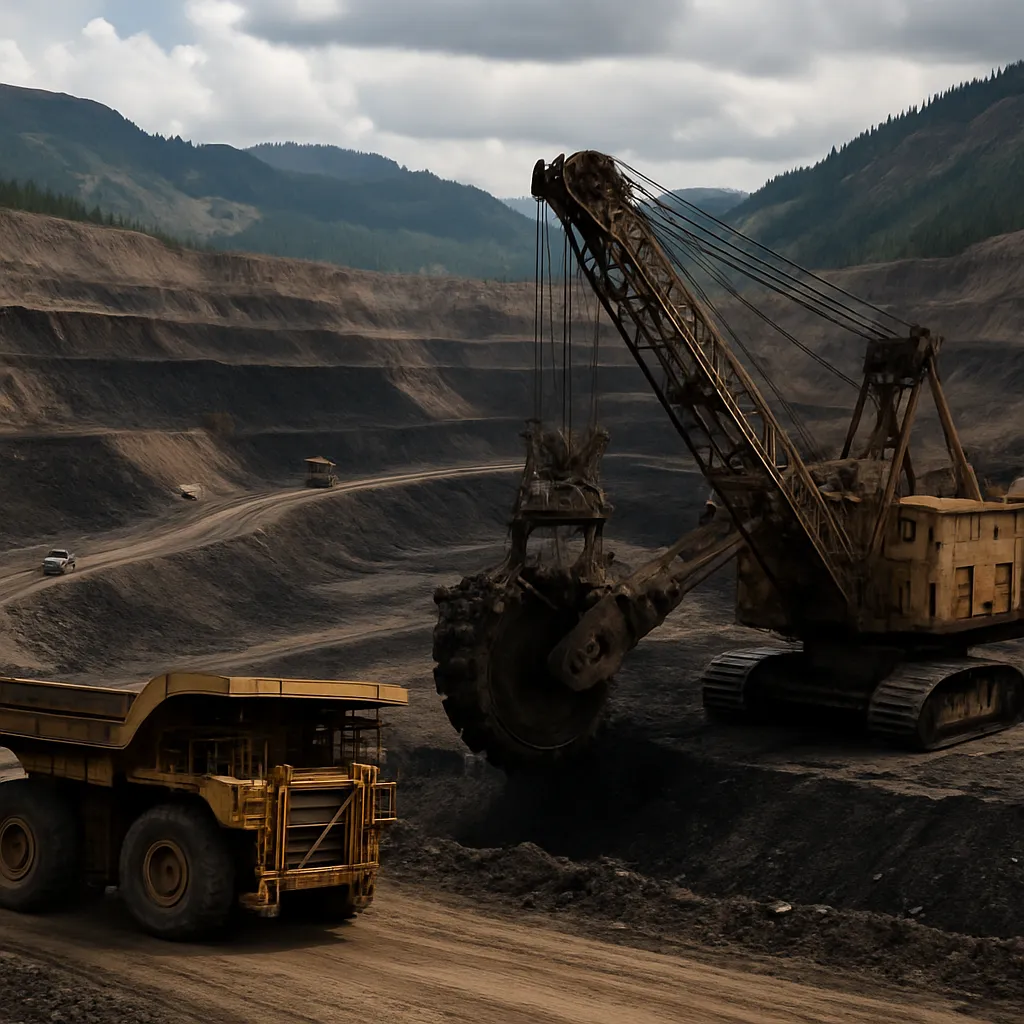
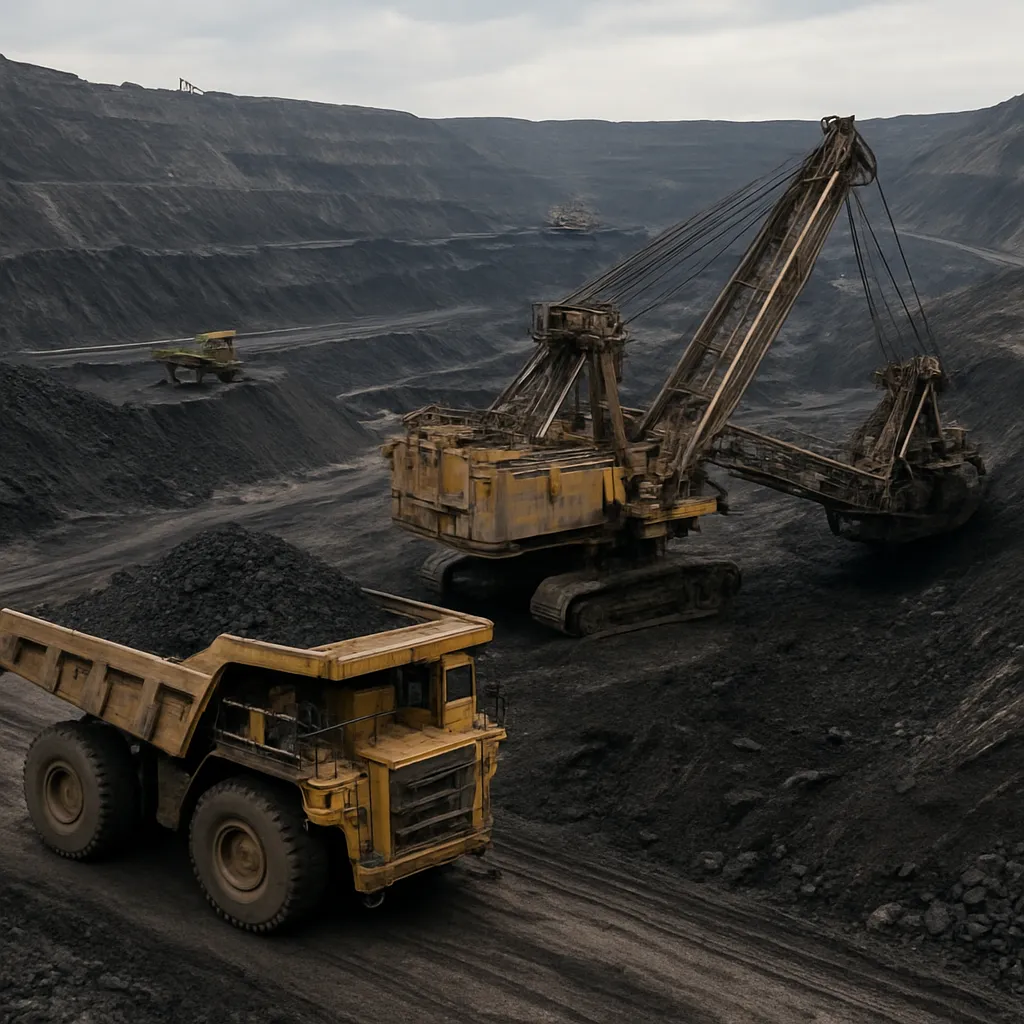
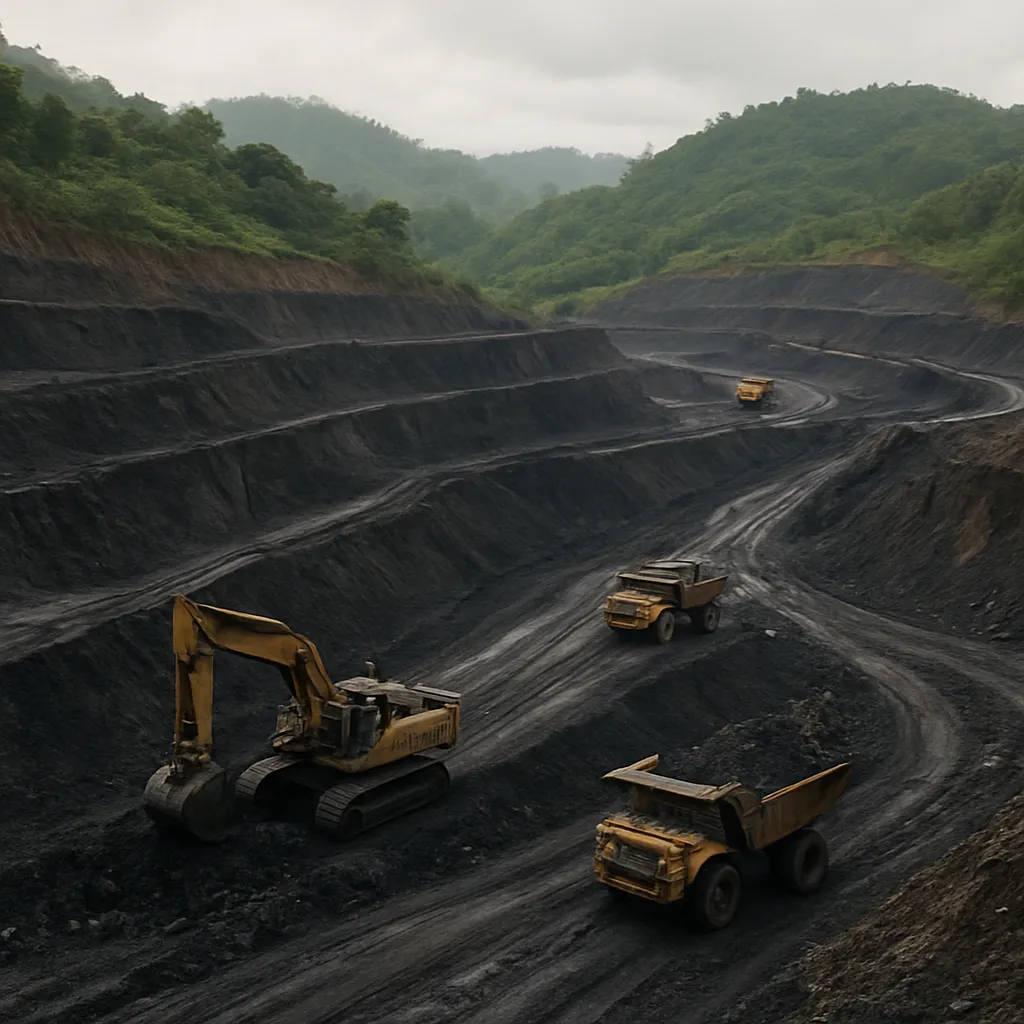
The Montelíbano region is synonymous with the Cerro Matoso mining and metallurgical complex. Cerro Matoso S.A. operates an open-pit mine that extracts lateritic ore and feeds an on-site smelting and refining complex that produces ferronickel. The integrated nature of mining and metallurgical processing is a defining feature of the operation.
Extraction and processing methods
- Open-pit mining: excavation of lateritic ore using conventional drill-and-blast, loading and hauling to processing areas.
- Ore preparation: drying and sizing of ore prior to smelting.
- Smelting: electric submerged arc furnaces produce ferronickel from prepared lateritic ore; the process consumes electrical energy and typically yields a Fe–Ni alloy product suitable for stainless steel feedstock.
- Tailings and waste management: solid residues from smelting and beneficiation are stored and managed under regulatory oversight, with ongoing monitoring for leachate and dust control.
What is produced?
The main product is ferronickel, with the key metal of interest being nickel. Ferronickel is primarily used as a raw material for the production of stainless steel and other nickel-containing alloys. No significant coal mining activity is linked to the Cerro Matoso operation; Colombia’s coal production is concentrated in other regions such as La Guajira and Cesar.
Economic and social impact
The Cerro Matoso operation is a major economic engine for Montelíbano and the department of Córdoba. Its contributions span direct employment, indirect jobs through contracting and local procurement, municipal and departmental revenue through taxes and royalties, and infrastructure development.
Employment and local economy
- Workforce: The complex has provided employment to thousands of workers over its operational history, including both direct employees and contractors. Employment numbers vary with market cycles and operational changes, but the enterprise represents one of the largest private employers in the region.
- Local procurement: The company sources goods and services locally when possible, supporting small and medium-sized enterprises in Montelíbano and neighboring municipalities.
- Municipal revenues: Tax contributions, royalties and other fiscal transfers from mining support public services, though the distribution and sufficiency of these funds can be topics of local debate.
Broader economic significance
At the national and international levels, Cerro Matoso has historically contributed to Colombia’s mining export profile by supplying ferronickel to steelmakers worldwide. The operation supports foreign exchange earnings and contributes to the country’s industrial export diversity, which is often dominated by oil, coal, and metal commodities.
Statistics and production data
Precise annual figures for production, employment and fiscal contributions fluctuate year by year depending on market conditions, operational adjustments and regulatory developments. The following points summarize the publicly reported and broadly acknowledged statistical profile of the operation and the local mining context:
- Production scale: Cerro Matoso is one of the world’s larger lateritic ferronickel producers. Historically, the operation has produced ferronickel in volumes that translate into nickel metal production in the tens of thousands of tonnes per year range, although annual nickel contained output and ferronickel product tonnages have varied by year.
- Exports: Ferronickel from Cerro Matoso is primarily destined for international markets, supplying stainless steel and alloy producers in Asia, Europe and the Americas.
- Economic contribution: The mine is a significant source of municipal revenue (local taxes, municipal royalties) and departmental revenues through national royalty-sharing mechanisms.
- Colombian coal context (for comparison): Colombia is one of the world’s leading coal exporters. National annual coal production has historically ranged from roughly 60 to 100 million tonnes in recent decades, concentrated in large open-pit operations such as Cerrejón (La Guajira) and several operations in Cesar and Magdalena. This emphasizes that while Colombia is a major coal producer, the Montelíbano/Cerro Matoso site is primarily a nickel/ferronickel operation.
Note: When using production figures for investment, policy or academic work, consult the operator’s annual reports, Colombia’s Agencia Nacional de Minería (ANM), the Ministry of Mines and Energy, and trade statistics from port authorities and customs for the most current and audited numbers.
Environmental, health and regulatory issues
Large metallurgical operations like Cerro Matoso raise environmental and health considerations that have been central to public debate and regulatory oversight. Key issues include air emissions from smelting, dust control from mining and stockpiles, water usage and effluent management, soil and groundwater impacts, and community health concerns related to exposure to heavy metals.
Environmental management
- Air quality: Ferronickel smelting can emit particulates and trace metals; operators are required to implement controls (baghouses, scrubbers) and continuous monitoring to meet permits.
- Water: Process water management and treatment of potentially contaminated runoff are critical in the tropical environment to protect rivers and wetlands.
- Rehabilitation: Progressive reclamation of mined areas, slope stabilization, and revegetation are part of mine closure planning and ongoing environmental programs.
Health and community concerns
There have been community reports and legal actions related to perceived health impacts, including concerns about respiratory disease and other illnesses potentially connected to industrial emissions. Regulatory agencies, the operator and independent studies have been involved in monitoring and, in some cases, litigation or remediation agreements. Transparent environmental monitoring, independent health studies and community engagement are essential to address these concerns.
Regulatory framework
Cerro Matoso operates under Colombia’s mining, environmental and labor regulations, which include environmental permits, emission standards, waste management requirements and obligations regarding community consultation and social investment. The national mining agency (ANM), the Ministry of Environment, and regional environmental authorities are the principal regulators and enforcement entities.
Importance in industry and global markets
The Cerro Matoso operation plays a strategic role in the global nickel value chain because:
- It produces ferronickel, a feedstock critical for stainless steel manufacture — a sector that consumes the majority of nickel produced worldwide.
- Its output contributes to global nickel supply diversity, reducing dependence on a few producing countries and supporting supply security for alloy producers.
- As stainless steel demand evolves with global infrastructure, construction and manufacturing cycles, producers of ferronickel like Cerro Matoso are important swing sources of processed nickel material.
Cerro Matoso’s product quality, cost structure and logistics (access to export routes) determine its competitiveness. The facility’s capacity to adjust production to market conditions influences regional nickel price exposure and Colombia’s profile in base metals exports.
Coal in Colombia — clarification and contrast
Because the initial prompt mentions “coal mining sites,” it is important to clarify that Montelíbano/Cerro Matoso is not a coal mining operation. Colombia’s major coalfields are located in different parts of the country. Key points about Colombian coal:
- Main coal basins: La Guajira (Cerrejón), and the Cesar-Ranchería and Magdalena basins host the largest thermal coal mines.
- Major operators: Historically include large international and national companies operating open-pit mines and exporting via northern ports.
- Scale: National coal production has been large enough to make Colombia one of the world’s leading coal exporters, supplying thermal coal to power stations in Europe, North America, and Asia.
- Transport and ports: Coal logistics rely on a network of rail and maritime terminals that are distinct from the supply chains used to export metallurgical or ferronickel products produced in inland complexes like Cerro Matoso.
Thus, while coal is a vital part of Colombia’s mining economy, it should not be conflated with the nickel/ferronickel operations centred at Montelíbano.
Social investment and community relations
Large scale mining operations commonly establish social programmes to support local education, health, infrastructure and livelihoods. Cerro Matoso has historically executed social investment programmes aimed at community development, local procurement and skills training, although community perceptions of the adequacy and equity of such investments vary.
- Education: Scholarships, school improvements, and vocational training are typical components.
- Health: Health clinics, campaigns and partnerships with local health authorities help address public health priorities.
- Infrastructure: Support for roads, water supply projects and community facilities can be part of corporate social responsibility (CSR) plans.
Effective community relations depend on meaningful consultation, transparency about environmental monitoring, and commitments to long-term post-closure planning that provide alternative livelihoods for communities when mining activity winds down.
Future prospects, challenges and opportunities
Several factors will shape the future of the Montelíbano/Cerro Matoso operation and the surrounding mining landscape:
- Market dynamics: Global nickel prices, stainless steel demand and competition from alternative nickel sources (sulfide ores, recycled nickel, battery-grade nickel for electric vehicles) will influence profitability and investment choices.
- Technological trends: Improvements in laterite processing, energy efficiency in smelting and potential moves toward lower-emission metallurgical pathways could change cost and environmental profiles.
- Regulatory and social license: Strengthened environmental regulations, community expectations and evolving legal frameworks for royalties and taxes can affect operations.
- Energy and decarbonization: Ferronickel smelting is energy-intensive; shifts toward lower-carbon energy sources and carbon pricing mechanisms could impose new costs or spur investment in cleaner energy for smelters.
- Diversification and value addition: Opportunities exist for further local value chains (e.g., alloying, downstream processing) but require capital, skilled labor and market access.
Summary and concluding observations
Montelíbano, and specifically the Cerro Matoso complex, is a major nickel-producing site in Colombia, characterized by a large lateritic deposit and an integrated ferronickel smelting operation. Its production supports local employment and municipal revenues and contributes to Colombia’s export mix. While it is sometimes conflated with coal operations, Montelíbano’s principal commodity is nickel in the form of ferronickel, not coal. The operation has economic significance regionally and internationally but faces ongoing environmental, health and social governance challenges that require continued monitoring, community engagement and technical best practices. Future prospects will be shaped by market conditions, technological change, environmental regulation and the evolving needs of local communities.
Key terms highlighted in the text: Montelíbano, Cerro Matoso, nickel, ferronickel, laterite, Colombia, economy, production, employment, environment.